
In the sophisticated world of global finance, the health of a lending institution is often measured by the quality of its balance sheet. At the heart of this assessment lies a critical metric known as the Non-Performing Loan (NPL). While the term might sound like banking jargon, its implications stretch far beyond the boardroom, affecting interest rates, credit availability, and the stability of the entire macroeconomy. For investors, business owners, and finance professionals, understanding the anatomy of a non-performing loan is essential for navigating the complexities of credit markets and risk management.
Defining Non-Performing Loans: The Mechanics of Credit Stagnation
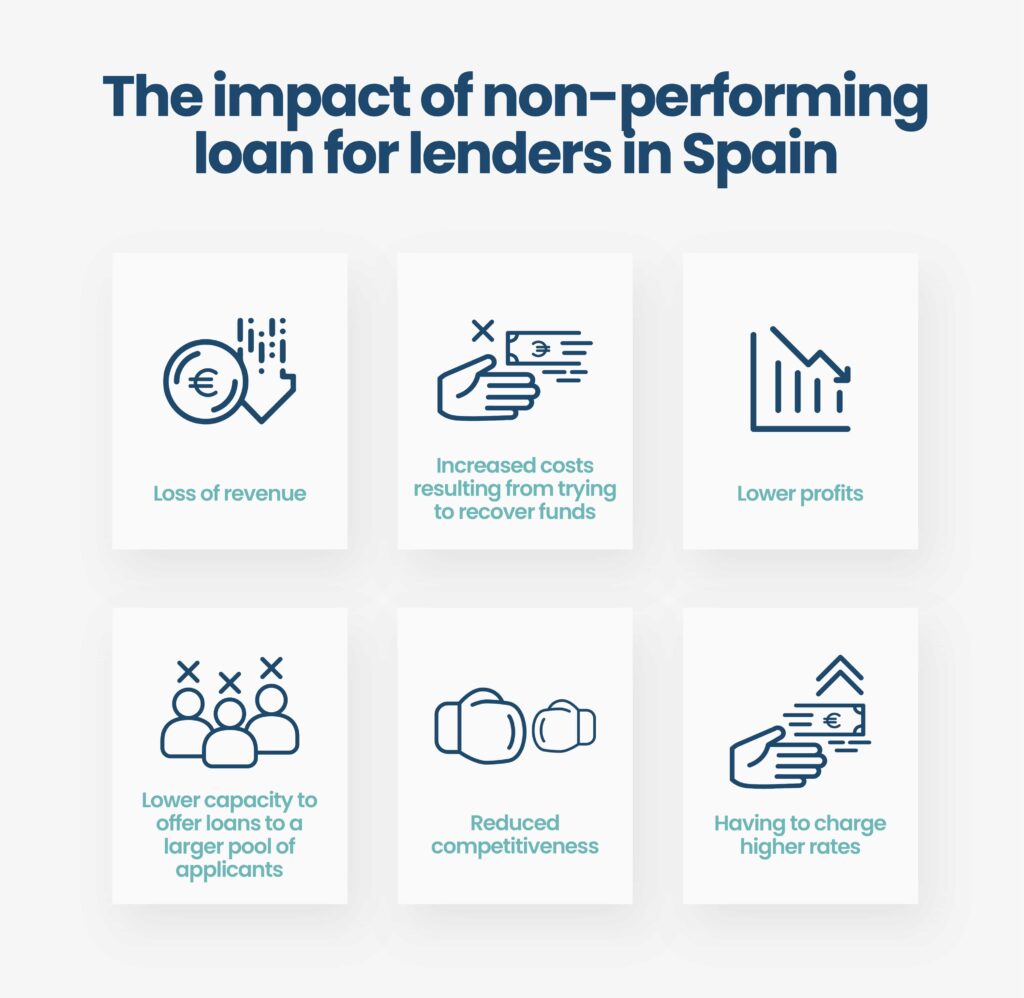
A Non-Performing Loan is essentially a loan in which the borrower is default or near default. In professional banking terms, a loan becomes “non-performing” when the debtor has not made the scheduled payments of principal or interest for a specified period. While the exact definition can vary slightly depending on the jurisdiction and the specific terms of the loan agreement, the financial industry generally adheres to a standardized timeline.
The 90-Day Standardized Threshold
The most common benchmark for a loan to be classified as non-performing is 90 days of arrears. Once a borrower misses payments for three consecutive months, the lender typically loses confidence that the full amount will be repaid according to the original schedule. At this point, the bank can no longer record the interest on that loan as “accrued income.” Instead, the loan is moved to a “non-accrual” status, and the bank must set aside capital—known as loan loss provisions—to cover the potential loss. This transition from an active asset to a non-performing liability is a pivotal moment in the life cycle of a credit instrument.
The Classification Hierarchy: Substandard, Doubtful, and Loss
Regulatory bodies often require banks to categorize NPLs based on the severity of the delinquency.
- Substandard Loans: These are loans where the creditworthiness of the borrower is questionable, and the collateral may not be sufficient to cover the debt. There is a distinct possibility that the bank will sustain some loss if the deficiencies are not corrected.
- Doubtful Loans: In this stage, full recovery of the debt is highly improbable. The probability of loss is high, though certain factors might still allow for a partial recovery.
- Loss: When a loan is classified as a “loss,” it is considered uncollectible. It no longer has any measurable value as an asset, even if there is a slim chance of recovery in the future. At this point, the loan is typically written off the balance sheet.
Why Loans Stop Performing: The Root Causes of Financial Distress
Identifying an NPL is the first step, but understanding why they occur is vital for predictive modeling and risk mitigation. Non-performing loans are rarely the result of a single event; rather, they are the culmination of macroeconomic shifts and microeconomic failures.
Macroeconomic Volatility and Interest Rate Shifts
The broader economic environment plays a decisive role in the performance of loan portfolios. During periods of recession, high unemployment, or stagnant GDP growth, both individual consumers and businesses face reduced cash flow. Furthermore, aggressive interest rate hikes by central banks can increase the cost of servicing debt, especially for those with floating-rate loans. When the cost of borrowing outpaces the borrower’s income growth, the likelihood of a loan turning “sour” increases exponentially.
Borrower-Specific Challenges and Information Asymmetry
On a micro level, NPLs often stem from poor financial management or unforeseen personal or corporate crises. For businesses, this might include the loss of a major contract, technological obsolescence, or mismanagement of operational expenses. For individuals, it could be medical emergencies or divorce. However, a significant contributor is “information asymmetry”—where the borrower knows more about their true financial state than the lender. If a bank’s initial credit assessment was flawed or based on incomplete data, they may have extended credit to a high-risk borrower who was destined for default from the outset.
The Impact of NPLs on the Financial Ecosystem
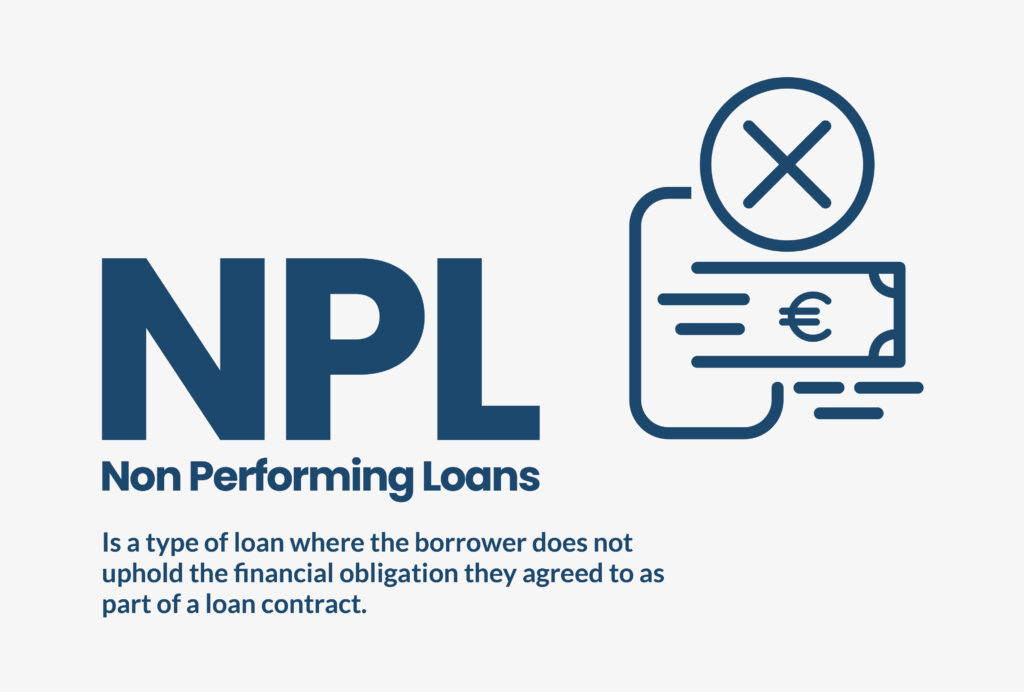
The presence of non-performing loans acts as a “clog” in the financial system. When a bank carries a high ratio of NPLs, it creates a domino effect that influences everything from individual loan approvals to national economic policy.
Consequence for Banks: Liquidity and Capital Adequacy
For a bank, a loan is an asset that is supposed to generate interest income. When that asset stops performing, the bank’s profitability takes a direct hit. More importantly, regulators require banks to maintain a certain level of capital to ensure they can withstand losses. High levels of NPLs force banks to increase their “loan loss provisions”—money set aside that cannot be used for lending. This reduces the bank’s liquidity, making it harder for them to issue new loans to healthy businesses and consumers, thereby slowing down the “velocity of money.”
Implications for the Broader Economy and the “Credit Crunch”
When the banking sector is burdened by NPLs, the entire economy suffers from what is known as a “credit crunch.” Banks become overly cautious and tighten their lending standards to avoid further risk. This makes it difficult for entrepreneurs to secure capital for growth and for families to obtain mortgages. History has shown that countries with high NPL ratios often experience slower economic recoveries, as the financial sector is too busy cleaning up old debts to fund new opportunities.
How Financial Institutions Manage and Resolve NPLs
Managing NPLs is a specialized field within finance involving “workout” teams and debt restructuring experts. The goal is always to maximize the recovery value of the asset while minimizing the time it stays on the balance sheet.
Loan Restructuring and Forbearance
The first line of defense is often restructuring. If a borrower is facing temporary hardship but has a viable long-term future, the lender may offer “forbearance.” This could involve extending the loan term to lower monthly payments, reducing the interest rate, or granting a temporary “payment holiday.” The objective is to return the loan to “performing” status by making the repayment terms more manageable for the borrower.
Debt Recovery, Asset Liquidation, and “Bad Banks”
If restructuring fails, the lender must move toward recovery. This involves seizing and selling the collateral (foreclosure) or taking legal action to garnish wages or assets. In some cases, banks sell their “distressed debt” to third-party collection agencies or private equity firms at a significant discount. In extreme scenarios involving systemic banking crises, governments may create a “Bad Bank”—a state-backed entity designed to buy NPLs from commercial banks, allowing the banks to clean their balance sheets and resume lending to the public.
The Investor’s Perspective: Turning NPLs into Opportunities
While NPLs are generally viewed as a negative indicator, they represent a unique asset class for sophisticated investors who specialize in distressed debt and “value” investing.
Buying Distressed Debt and the “Haircut” Mechanism
Institutional investors often purchase portfolios of NPLs from banks at a steep discount, sometimes for as little as 20 to 50 cents on the dollar. This discount is known as a “haircut.” The investor then uses specialized recovery techniques—such as negotiating settlements or rehabilitating the underlying assets—to recoup more than what they paid for the debt. For the bank, selling the NPL provides immediate liquidity and removes the risk; for the investor, it provides a high-risk, high-reward opportunity.
Using NPL Ratios for Fundamental Analysis
For those investing in the stock market, the NPL ratio (Non-Performing Loans divided by Total Loans) is a vital metric for evaluating bank stocks. A rising NPL ratio is a red flag, suggesting that the bank’s credit underwriting standards may be too lax or that the economy is heading for a downturn. Conversely, a bank that maintains a low and stable NPL ratio even during economic volatility is often a sign of superior management and a “moat” in risk assessment.
In conclusion, Non-Performing Loans are a fundamental reality of the credit-based economy. While they represent a breakdown in the lending contract, they also serve as a barometer for financial health. By understanding how NPLs are defined, why they occur, and how they are resolved, stakeholders in the “Money” niche can better protect their capital, identify emerging risks, and even spot unique investment opportunities in the world of distressed finance. Professional vigilance and proactive management of NPLs remain the cornerstones of a resilient and thriving financial system.
aViewFromTheCave is a participant in the Amazon Services LLC Associates Program, an affiliate advertising program designed to provide a means for sites to earn advertising fees by advertising and linking to Amazon.com. Amazon, the Amazon logo, AmazonSupply, and the AmazonSupply logo are trademarks of Amazon.com, Inc. or its affiliates. As an Amazon Associate we earn affiliate commissions from qualifying purchases.