
In the rapidly evolving world of technology, the software we use and the algorithms that drive our daily lives often steal the spotlight. However, the physical infrastructure that makes digital progress possible is built upon a foundation of advanced material science. At the heart of this foundation lie non-ferrous alloys. Unlike ferrous metals, which are primarily composed of iron and are susceptible to rust and magnetism, non-ferrous alloys offer a unique suite of properties—lightness, conductivity, and corrosion resistance—that are indispensable to modern hardware engineering.
From the sleek titanium chassis of a flagship smartphone to the intricate copper cooling systems in high-performance data centers, non-ferrous alloys are the silent enablers of the digital age. This article explores the technical significance of these materials, their specific applications in emerging tech, and how they are shaping the future of hardware manufacturing.
The Technical Fundamentals of Non-Ferrous Alloys
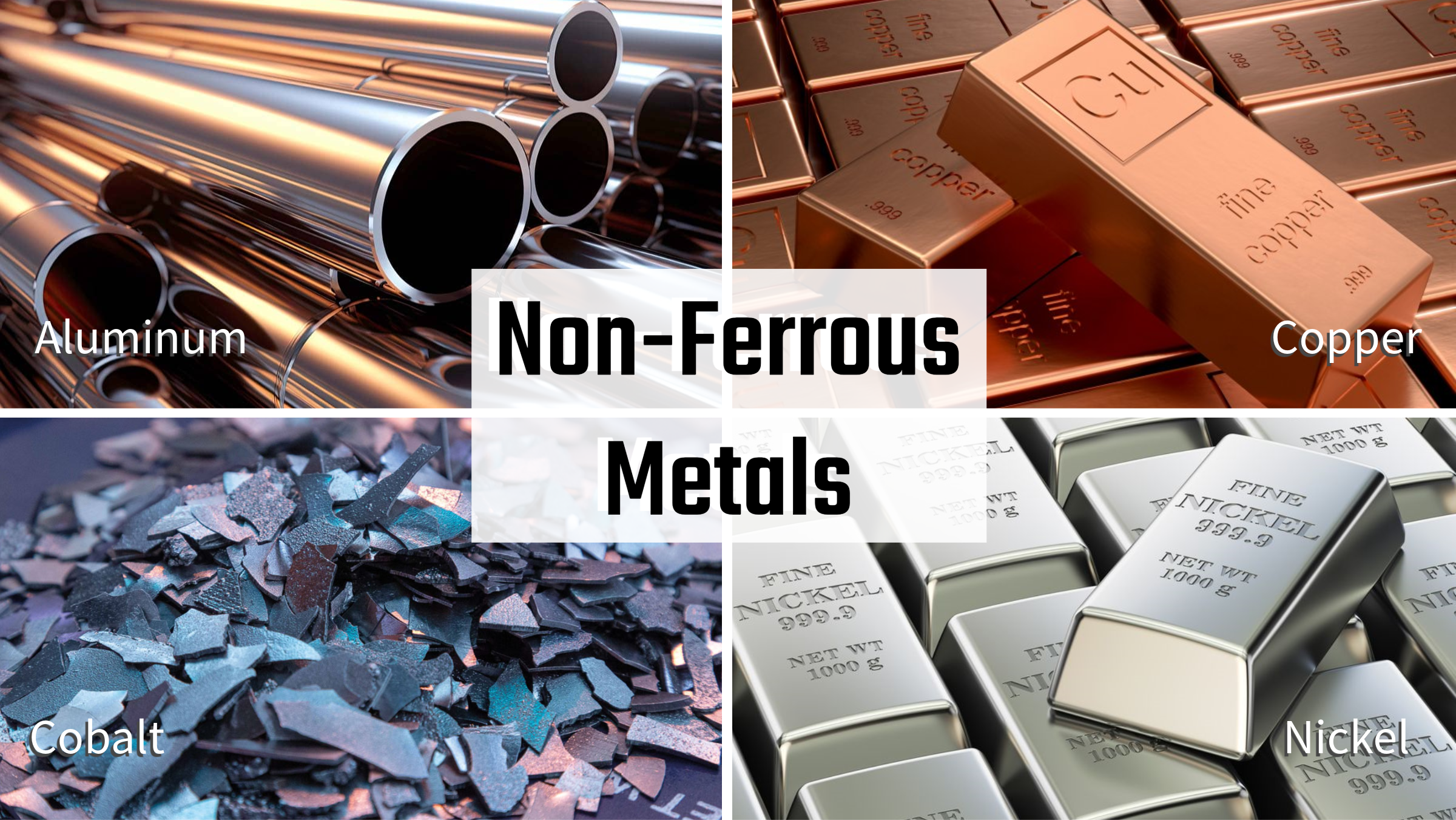
To understand why non-ferrous alloys are so critical to the tech sector, one must first look at their chemical and physical characteristics. By definition, a non-ferrous alloy is a metal mixture that does not contain an appreciable amount of iron. This simple distinction grants these materials several advantages that iron and steel cannot match.
Resistance to Corrosion and Oxidation
One of the primary reasons tech hardware relies on non-ferrous alloys is their inherent resistance to environmental degradation. Ferrous metals oxidize (rust) when exposed to moisture and oxygen. In contrast, metals like aluminum and titanium form a thin, protective oxide layer that prevents deep-seated corrosion. In the context of digital security hardware or outdoor telecommunications equipment, this longevity is vital for maintaining system integrity over decades.
Thermal and Electrical Conductivity
Non-ferrous alloys, particularly those based on copper and aluminum, are the gold standard for conductivity. Tech hardware generates heat—often in massive quantities. Non-ferrous materials allow for efficient heat dissipation through heat sinks and vapor chambers. Furthermore, copper remains the primary medium for electrical transmission within circuit boards and power supplies due to its low resistance, ensuring that AI-driven processors receive the stable power they require.
Non-Magnetic Properties
For many sensitive electronic components, magnetism is a disruptor. Ferrous metals can interfere with magnetic storage or sensitive sensors. Non-ferrous alloys are non-magnetic, making them the ideal choice for housing delicate internal components in laptops, medical imaging devices, and high-precision sensors used in autonomous vehicles.
High-Performance Alloys in Aerospace and Defense Tech
The aerospace industry has long been a pioneer in material science, and its reliance on non-ferrous alloys has paved the way for modern consumer tech. In an industry where every gram of weight translates to fuel costs and performance limits, the high strength-to-weight ratio of non-ferrous materials is revolutionary.
Titanium: The King of Strength-to-Weight
Titanium alloys are a cornerstone of high-performance tech. With the strength of steel but only 60% of the weight, titanium allows engineers to build structures that can withstand extreme pressures and temperatures. In recent years, this technology has trickled down from aerospace to consumer gadgets. The use of Grade 5 titanium in premium smartphone frames is not just a marketing gimmick; it represents a tech-forward approach to durability, reducing device weight while increasing structural rigidity against drops and bends.
Aluminum 7075 and 6061 in Satellite Technology
The satellite and space-exploration sectors rely heavily on specific aluminum alloys. Aluminum 7075, for instance, is alloyed with zinc, offering strength comparable to many steels. These alloys are used to create the chassis of CubeSats and deep-space probes. Because these materials maintain their structural integrity in the vacuum of space and under extreme thermal cycling, they are essential for the hardware that powers our global GPS and communication networks.
Magnesium Alloys and Portable Computing
Magnesium is the lightest of all structural metals. When alloyed, it provides a level of portability that has defined the “ultrabook” category of laptops. Tech companies utilize magnesium-lithium or magnesium-aluminum alloys to create frames that are incredibly thin yet stiff enough to protect internal silicon. This advancement in non-ferrous metallurgy is what allows modern professionals to carry powerful workstations in a form factor thinner than a notepad.
Powering the Green Revolution: Copper and Lithium-Based Alloys
As the tech industry shifts toward sustainability and renewable energy, the demand for non-ferrous alloys has reached an all-time high. The “Green Tech” sector is essentially built on a non-ferrous framework, particularly regarding energy storage and transmission.
The Critical Role of Copper in EV Infrastructure
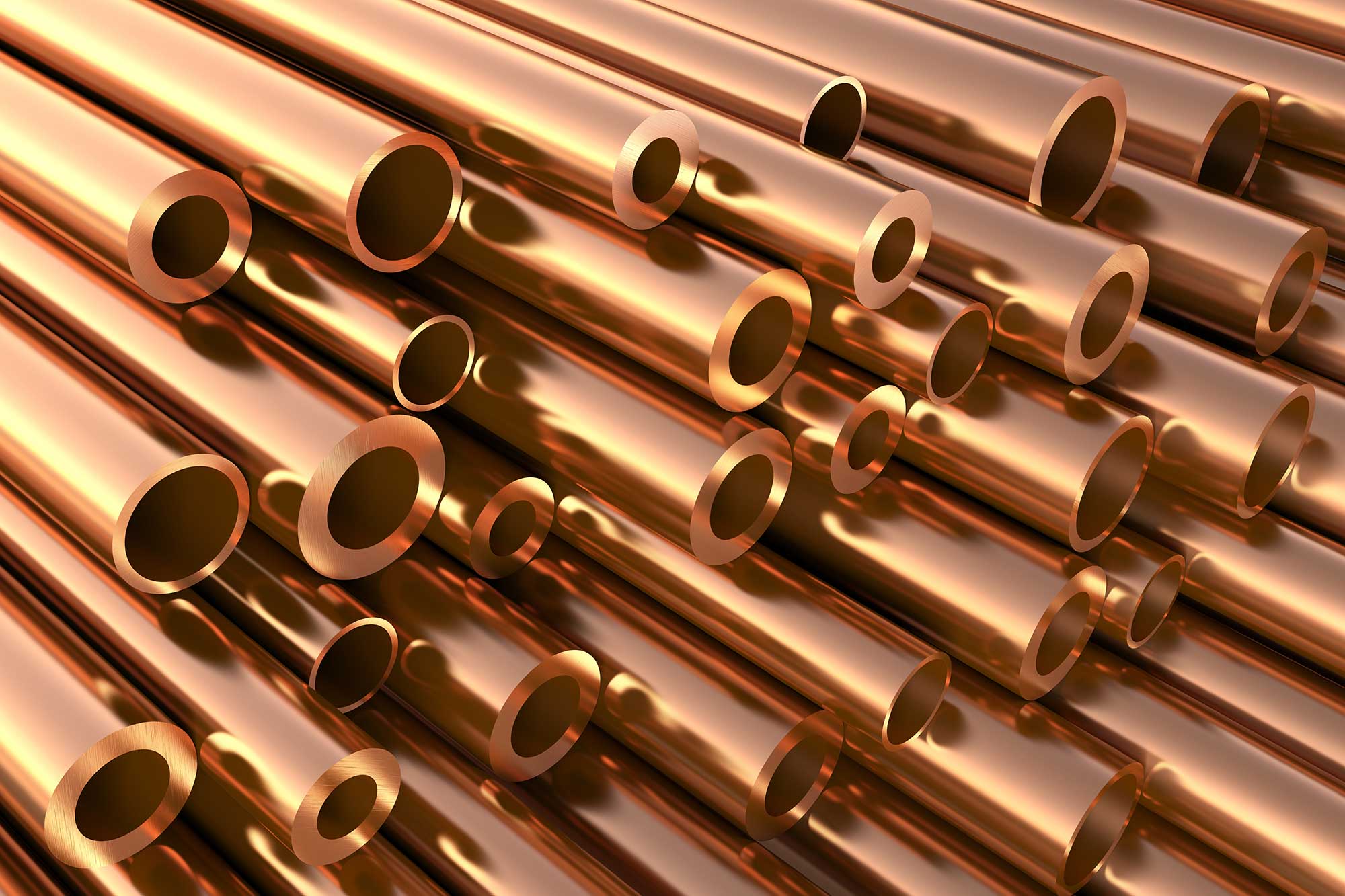
Electric Vehicles (EVs) are essentially high-performance computers on wheels. A standard internal combustion engine vehicle uses about 20 kilograms of copper, whereas an EV can require up to 80 kilograms or more. Copper alloys are used in the motor windings, the high-voltage wiring, and the charging ports. The high ductility and conductivity of copper alloys enable the rapid data transfer and power delivery necessary for autonomous driving systems and fast-charging capabilities.
Lithium-Aluminum Alloys in Next-Gen Batteries
While lithium is widely known as a battery component, its use in alloying is a burgeoning field in tech hardware. Lithium-aluminum alloys are being researched for use in battery casings and structural components of electric aircraft. By adding lithium to aluminum, engineers can create a material that is even lighter and stiffer than standard aluminum, which is crucial for the weight-sensitive hardware required for vertical take-off and landing (VTOL) tech.
Nickel Alloys in Renewable Energy Storage
Nickel-based non-ferrous alloys are indispensable in harsh environments, such as offshore wind turbines or concentrated solar power plants. These alloys can withstand extreme heat and saline environments without degrading. As tech firms invest more in “Green Data Centers,” the use of nickel alloys in geothermal cooling systems and renewable energy hardware becomes a strategic necessity to ensure 99.9% uptime.
Consumer Hardware and the Aesthetics of Engineering
In the realm of consumer electronics, non-ferrous alloys serve a dual purpose: they provide the structural “skeleton” for hardware and define the “industrial design” language that users interact with daily.
Anodized Aluminum and Thermal Management
Most modern laptops and tablets utilize anodized aluminum. Beyond its premium feel, aluminum acts as a giant passive heat sink. As processors become more powerful—such as the latest ARM-based chips—managing thermal output without bulky fans is a major tech challenge. The high thermal conductivity of non-ferrous aluminum alloys allows heat to dissipate through the device’s skin, maintaining performance without thermal throttling.
Zinc Die-Casting in Precision Components
Zinc alloys are often the unsung heroes of hardware. Due to their low melting point and high fluidity, they are perfect for high-precision die-casting. If you look at the intricate hinges of a foldable smartphone or the internal connectors of a high-end DSLR camera, you are likely looking at zinc-based non-ferrous alloys. They allow for complex geometries and tight tolerances that are impossible to achieve with ferrous metals at a mass-production scale.
Noble Metal Alloys in Semiconductors and Connectors
While we often think of “alloys” as structural, they are also functional at the micro-scale. Gold and silver, often alloyed with small amounts of nickel or copper to increase hardness, are used in high-end connectors and PCB (Printed Circuit Board) finishes. These non-ferrous precious metal alloys ensure that data signals remain clean and free from the interference caused by oxidation at the contact points, which is vital for high-speed digital security hardware and 5G modules.
The Future of Materials: Smart Alloys and Additive Manufacturing
Looking ahead, the intersection of AI-driven design and non-ferrous metallurgy is leading to the creation of “Smart Alloys” and new manufacturing paradigms.
Shape Memory Alloys (SMAs) and Robotics
Nitinol—a non-ferrous alloy of nickel and titanium—possesses “shape memory” properties. It can return to a pre-defined shape when heated. In the tech world, this is being used to create “soft robotics” and actuators that don’t require traditional motors or gears. This allows for the miniaturization of robotic tools used in everything from micro-surgery to deployable antennas on satellites.
Metal 3D Printing and Lattice Structures
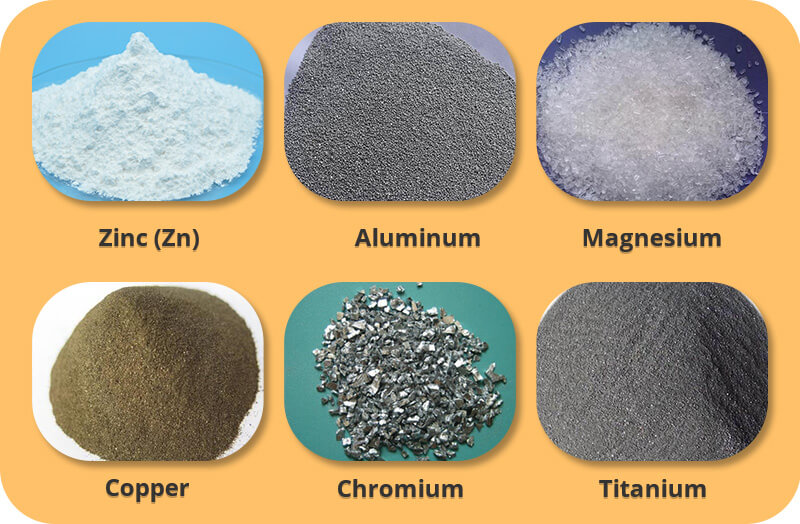
Additive manufacturing (3D printing) is revolutionizing how we use non-ferrous alloys. Tech companies are now using AI to design “lattice” structures—complex, honeycomb-like internal patterns that provide maximum strength with minimum material. These structures can only be manufactured using non-ferrous metal powders (like powdered titanium or cobalt-chrome) and high-powered lasers. This “Generative Design” approach is creating hardware that is lighter and more efficient than anything previously possible through traditional milling or casting.
High-Entropy Alloys (HEAs)
A new frontier in tech is the development of High-Entropy Alloys. Unlike traditional alloys that have one primary base metal, HEAs are made of five or more metals in roughly equal proportions. These alloys are being engineered for extreme environments, such as the cooling systems of nuclear fusion reactors or the next generation of hypersonic flight tech. The tech industry’s ability to simulate these molecular structures using AI is accelerating the discovery of materials that were previously thought impossible.
Conclusion
Non-ferrous alloys are far more than just raw materials; they are the physical medium through which digital innovation is realized. As our technological ambitions grow—from the miniaturization of wearable tech to the massive infrastructure of global satellite internet—the role of these materials will only expand. By offering a unique combination of lightness, durability, and conductivity, non-ferrous alloys ensure that the hardware of tomorrow is strong enough to support the software of the future. Understanding these materials is essential for anyone looking to grasp the full scope of the modern tech landscape.
aViewFromTheCave is a participant in the Amazon Services LLC Associates Program, an affiliate advertising program designed to provide a means for sites to earn advertising fees by advertising and linking to Amazon.com. Amazon, the Amazon logo, AmazonSupply, and the AmazonSupply logo are trademarks of Amazon.com, Inc. or its affiliates. As an Amazon Associate we earn affiliate commissions from qualifying purchases.