
The question “What are Nigerian people called?” might seem straightforward, but delving into the answer reveals a complex tapestry of identity, pride, and the ever-evolving landscape of how we refer to ourselves and others. In an increasingly interconnected world, understanding these nuances is not just about linguistic accuracy; it’s about respecting cultural heritage, recognizing diversity, and navigating the digital spaces where conversations about identity unfold. This article explores the common appellations for Nigerian people, the historical and cultural context behind them, and how these terms are used and perceived in contemporary society, particularly through the lens of technology and its influence on identity formation.
The Primary Appellation: Nigerians
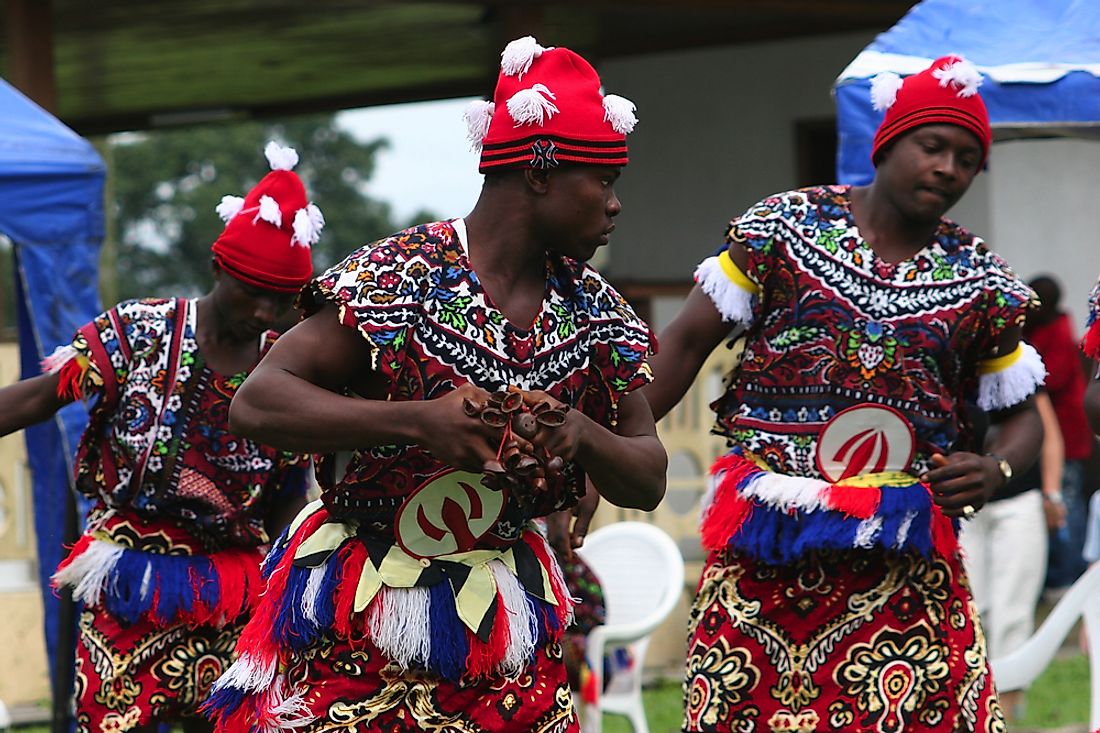
At its most fundamental level, people from Nigeria are called Nigerians. This is the universally accepted and official designation, stemming directly from the name of the country, Nigeria. The suffix “-an” is a common linguistic marker used to denote origin or belonging, as seen in words like American, Canadian, or Australian. Therefore, “Nigerian” is the most direct and accurate answer to the question.
National Identity and Unity
The term “Nigerian” serves as a powerful unifier, encapsulating the collective identity of citizens of the Federal Republic of Nigeria. Despite the country’s immense ethnic, linguistic, and cultural diversity, the national identity provides a common ground. It is the term used in official government contexts, international discourse, and by Nigerians themselves when referring to their nationality on a broad scale. This national identity is crucial for fostering a sense of belonging and shared purpose, particularly in a nation that is Africa’s most populous.
The Evolution of National Identity
The concept of “Nigerian” as a collective identity is relatively recent in historical terms. Prior to colonial rule and the amalgamation of various protectorates and territories, people identified primarily with their ethnic groups, kingdoms, and communities. The imposition of colonial boundaries and the subsequent formation of Nigeria in 1914 began the process of forging a singular national identity. This evolution continues to this day, with “Nigerian” representing an overarching identity that coexists with, but doesn’t erase, regional and ethnic affiliations.
Beyond the National: Ethnic and Regional Identities
While “Nigerian” is the overarching term, it is crucial to acknowledge that Nigeria is a nation of over 250 distinct ethnic groups, each with its own language, culture, and historical narrative. Referring to all Nigerians simply as “Nigerians” can sometimes overlook this rich internal diversity. Therefore, depending on the context, people may be referred to by their specific ethnic group.
Major Ethnic Groups and Their Names
Some of the most prominent ethnic groups in Nigeria include:
- Yoruba: People from the southwestern part of Nigeria. They are often referred to as Yoruba.
- Igbo: People from the southeastern part of Nigeria. They are commonly called Igbo (or Ibo, though Igbo is the preferred modern spelling).
- Hausa: Predominantly found in the northern parts of Nigeria. They are known as Hausa.
- Fulani: A large nomadic and semi-nomadic group, often intermingling with Hausa populations, and also identified as Fulani.
- Ijaw: Primarily located in the Niger Delta region, known as Ijaw.
- Kanuri: Found in the northeastern parts of Nigeria, referred to as Kanuri.
- Tiv: From the Middle Belt region, called Tiv.
- Edo: In the southern region, known as Edo, and their people are often called Bini.
This is by no means an exhaustive list, but it highlights the significant linguistic and cultural differences that exist within Nigeria. When discussing specific communities or regional matters, using these ethnic identifiers can be more precise and respectful.
The Interplay of Identity in a Digital World
The digital age has profoundly impacted how identities are expressed and understood. Online platforms, social media, and digital communication allow for both the amplification of national identity and the exploration of more granular, ethnic, and cultural affiliations. Nigerians can connect with others from their specific ethnic groups across geographical divides, sharing cultural heritage, news, and perspectives. This can lead to a more nuanced appreciation of the diverse identities that constitute Nigeria, moving beyond a singular, monolithic label.
Colloquialisms and Informal Designations
Beyond the formal and ethnic identifiers, there are also colloquialisms and informal ways Nigerians might refer to themselves or others, particularly within informal digital spaces or casual conversations. These terms often carry a sense of shared experience, cultural understanding, or even affectionate banter.

“Naija” and “Naijarians”
A very common and widely used informal term for Nigeria is “Naija.” This has naturally led to the informal and affectionate term “Naijarians” to refer to Nigerian people. This term is frequently used within online communities, social media, and among younger Nigerians. It evokes a sense of familiarity, insider knowledge, and a casual, relatable identity.
Beyond “Naija”: Exploring Online Vernacular
The internet and social media have fostered unique linguistic innovations. Terms like “Naija Gist” (Nigerian news/gossip) or “Naija Twitter” refer to Nigerian online culture. While not directly naming people, these terms contribute to a digital vernacular that reflects Nigerian identity. The use of “Naija” and its derivatives is a testament to the creative and dynamic nature of language, especially within digital environments. These terms are generally used affectionately and without negative connotations, signifying a proud connection to their homeland.
Slang and Regionalisms in Digital Communication
Within specific online communities or even across different regions of Nigeria, slang and regionalisms can emerge that are used to refer to groups of people. For example, a slang term might be used among Nigerian youth to refer to each other, reflecting shared experiences or current trends. It is important to note that these terms are context-dependent and can sometimes be exclusive to certain online subcultures. Understanding these informal designations requires an appreciation for the evolving digital landscape and the way Nigerians communicate within it.
Respectful Terminology and Cultural Sensitivity
In any discussion about the identity of a group of people, respectful terminology is paramount. This is particularly true when navigating the diverse and often sensitive landscape of national and ethnic identities.
The Importance of Context
When referring to Nigerian people, understanding the context of the conversation is key.
- Formal settings: In official documents, academic discussions, or international diplomacy, “Nigerians” is the appropriate term.
- Academic or ethnographic discussions: When discussing specific cultural groups, referring to them by their ethnic names (e.g., Yoruba, Igbo, Hausa) is often more precise.
- Informal or community settings: “Naija” or “Naijarians” might be used among peers, particularly in online or casual contexts, carrying a sense of shared cultural identity and camaraderie.
Avoiding Stereotypes and Generalizations
It’s crucial to avoid generalizations and stereotypes. Nigeria is a vast and multifaceted nation. Labeling all Nigerians with a single descriptor, or assuming a homogenous experience based on any particular term, is inaccurate and disrespectful. The richness of Nigerian identity lies in its diversity.
The Role of Technology in Amplifying Voices
Digital platforms offer an unprecedented opportunity for Nigerians to define their own identities and challenge external perceptions. Through blogs, vlogs, social media campaigns, and online forums, Nigerians can articulate who they are, share their experiences, and correct misrepresentations. This empowers them to control their narratives and contribute to a more accurate and nuanced global understanding of their nation and its people. Technology, in this sense, becomes a tool for identity affirmation and self-definition.
Conclusion: A Multifaceted Identity
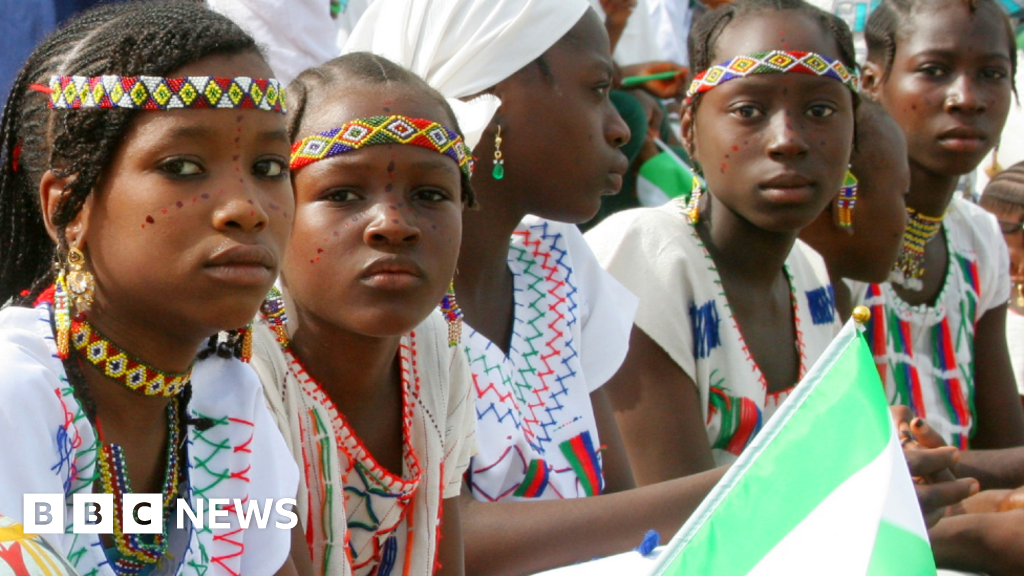
In conclusion, while Nigerians is the most accurate and widely recognized term for people from Nigeria, the question of how they are called is far richer and more complex. It encompasses a national identity that binds over 250 ethnic groups, individual ethnic appellations that highlight distinct cultural heritages, and informal, digitally-influenced terms that foster a sense of community and shared experience.
The digital age has further complicated and enriched this understanding. Online platforms allow for the expression and celebration of a multifaceted identity, where “Nigerians” can coexist with pride in one’s ethnic group and the playful embrace of terms like “Naija” or “Naijarians.” Ultimately, understanding how Nigerian people are called requires an appreciation for this intricate interplay of history, culture, and the evolving ways in which identity is navigated and expressed in our interconnected world. Respect for this diversity, coupled with an awareness of context, is the key to engaging with and understanding the people of Nigeria.
aViewFromTheCave is a participant in the Amazon Services LLC Associates Program, an affiliate advertising program designed to provide a means for sites to earn advertising fees by advertising and linking to Amazon.com. Amazon, the Amazon logo, AmazonSupply, and the AmazonSupply logo are trademarks of Amazon.com, Inc. or its affiliates. As an Amazon Associate we earn affiliate commissions from qualifying purchases.