
The Nasdaq Stock Market, often simply referred to as Nasdaq, stands as one of the world’s most prominent and influential stock exchanges. When investors or financial news outlets discuss “Nasdaq stocks,” they are referring to the shares of companies that are listed and traded on this particular electronic marketplace. Far more than just a trading venue, Nasdaq has become synonymous with innovation, growth, and the technology sector, attracting many of the globe’s most pioneering enterprises. Understanding Nasdaq stocks involves delving into the very nature of this exchange, its unique characteristics, and the types of companies it champions, offering a crucial perspective for anyone looking to navigate the modern investment landscape.

Understanding the Nasdaq Exchange
To truly grasp what Nasdaq stocks entail, one must first comprehend the foundational structure and ethos of the Nasdaq Stock Market itself. It represents a significant departure from traditional, physical trading floors, embodying a forward-thinking approach to capital markets.
A Brief History and Evolution
Established in 1971 by the National Association of Securities Dealers (NASD), Nasdaq was revolutionary as the world’s first electronic stock market. Its inception marked a pivotal shift from the open-outcry system, where brokers physically met on a trading floor, to a sophisticated computer network. This innovation dramatically increased efficiency, transparency, and accessibility in stock trading. Over the decades, Nasdaq has continuously evolved, expanding its global footprint, enhancing its trading technology, and solidifying its reputation as a preferred listing venue for fast-growing, often technology-driven companies. This journey from a novel electronic bulletin board to a global financial powerhouse underscores its adaptive nature and commitment to progress.
Key Characteristics of Nasdaq
Several distinctive features set Nasdaq apart from other exchanges. Foremost among them is its electronic, market-maker system. Unlike an auction market where buyers and sellers meet directly or through designated brokers, Nasdaq operates through a network of competing market makers. These financial institutions provide continuous bid and ask prices for a specific set of stocks, ensuring liquidity and facilitating trades. This structure allows for rapid execution and a highly competitive pricing environment. Furthermore, Nasdaq boasts a global reach, attracting companies from diverse sectors and geographies, though its core strength remains in North America. Its emphasis on innovation and technology is not just a historical note but an ongoing commitment, as it continuously invests in cutting-edge trading platforms and data solutions.
Nasdaq vs. NYSE: Core Differences
While both the Nasdaq and the New York Stock Exchange (NYSE) are titans of the financial world, they operate with fundamental differences that influence the types of companies they list and how they are perceived. The NYSE, founded in 1792, traditionally operates as an auction market, though it has incorporated electronic trading extensively. Historically, NYSE was the preferred venue for “blue-chip” industrial companies, often older, more established firms with larger market capitalizations. Nasdaq, conversely, is 100% electronic and has historically attracted younger, growth-oriented companies, particularly in the technology, biotechnology, and innovation sectors. Listing requirements also differ, with NYSE generally demanding higher tangible asset thresholds, while Nasdaq often focuses on revenue, earnings, or market capitalization, catering to companies with robust intellectual property but potentially less physical infrastructure. These distinctions contribute to the unique profiles of “Nasdaq stocks” versus “NYSE stocks.”
The Defining Features of Nasdaq Stocks
Nasdaq stocks possess a distinct identity, largely shaped by the exchange’s philosophy and its roster of listed companies. These features are critical for investors to understand when considering an allocation to this market segment.
Tech-Centric Portfolio
Perhaps the most defining characteristic of Nasdaq stocks is their overwhelming inclination towards technology and innovation. Nasdaq has become the default home for leading-edge companies that are disrupting industries, from software giants to biotech innovators and internet behemoths. Think of household names like Apple, Microsoft, Amazon, Google (Alphabet), and Meta Platforms – all pillars of the modern tech economy that call Nasdaq home. This concentration makes Nasdaq an indispensable barometer for the health and direction of the global technology sector. While not exclusively tech-focused, the sheer volume and market capitalization of technology companies listed on Nasdaq give its stocks a pronounced tech bias, offering investors exposure to some of the fastest-growing and most transformative businesses worldwide.
Growth Potential and Volatility
Due to their tech-heavy nature and focus on innovation, many Nasdaq stocks exhibit significant growth potential. These companies often reinvest heavily in research and development, aiming to expand market share, introduce new products, and scale rapidly. Such growth prospects can translate into substantial capital appreciation for investors. However, this high growth potential is frequently accompanied by higher volatility. Growth stocks, especially those in nascent or rapidly evolving industries, can be more susceptible to market sentiment shifts, economic downturns, and competitive pressures. Their valuations are often based on future earnings potential rather than current profits, making them more sensitive to changes in investor expectations and macroeconomic factors. This dynamic means that while Nasdaq stocks can offer significant upside, they also demand a higher tolerance for risk and a long-term investment horizon.
Listing Requirements and Prestige
Being listed on Nasdaq carries a certain level of prestige, especially for companies aspiring to be seen among the leaders in innovation. Nasdaq offers three distinct market tiers: the Nasdaq Global Select Market, the Nasdaq Global Market, and the Nasdaq Capital Market, each with varying listing requirements. The Nasdaq Global Select Market has the most stringent requirements, often considered on par with, or even exceeding, those of the NYSE in terms of financial health, liquidity, and corporate governance standards. Companies meeting these rigorous criteria are generally well-established firms with robust financials and significant market capitalization. The ability to meet these standards and maintain a listing on Nasdaq signals a company’s credibility, transparency, and commitment to shareholder value, further enhancing the appeal and perceived quality of “Nasdaq stocks.”
Investing in Nasdaq Stocks: Strategies and Considerations
Investing in Nasdaq stocks offers a unique blend of opportunity and risk. A thoughtful approach, incorporating research, diversification, and a clear understanding of personal financial goals, is essential.
Direct Stock Ownership
For those who enjoy in-depth research and have a strong conviction about specific companies, direct stock ownership is a viable path. This involves buying shares of individual companies listed on Nasdaq. This strategy requires investors to conduct thorough due diligence, analyzing a company’s financial statements, management team, competitive landscape, and future growth prospects. Understanding their business model, reviewing earnings reports, and monitoring industry trends are crucial steps. While direct ownership offers the potential for higher returns if chosen wisely, it also concentrates risk. A single poor-performing stock can significantly impact a portfolio if it represents a substantial portion of an investor’s holdings.
Exchange-Traded Funds (ETFs) and Mutual Funds
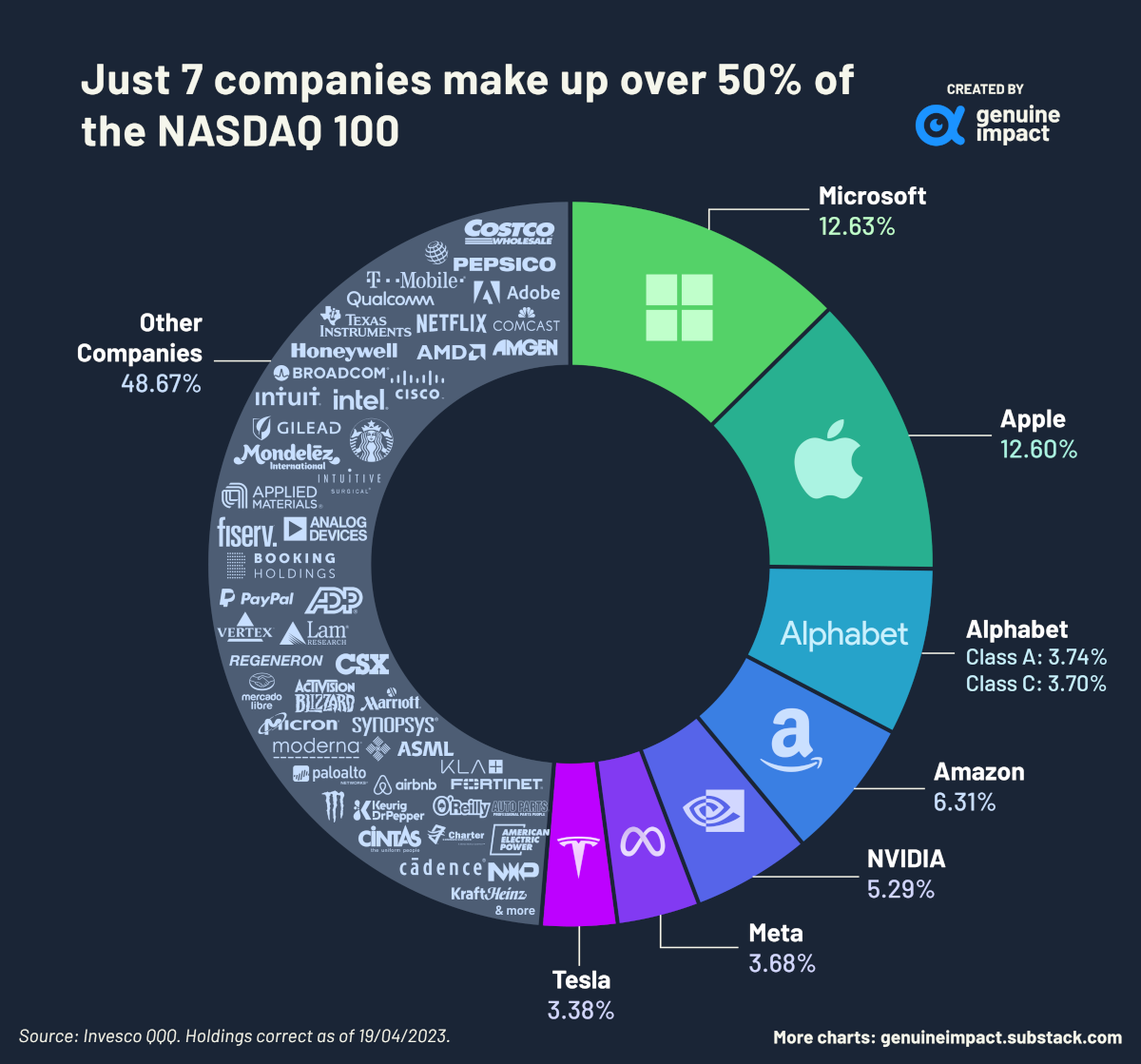
For investors seeking broader exposure or those who prefer a more passive approach, Exchange-Traded Funds (ETFs) and mutual funds that track Nasdaq indices are excellent options. The most popular among these is the QQQ ETF, which tracks the Nasdaq 100 Index. Investing in such funds provides instant diversification across many Nasdaq-listed companies, mitigating the risk associated with individual stock picks. These funds often come with lower expense ratios compared to actively managed mutual funds, and their diversification helps smooth out the volatility inherent in individual growth stocks. They are an ideal choice for long-term investors aiming to capture the overall growth of the Nasdaq market without the need for constant stock-picking.
Risk Management and Diversification
Given the growth-oriented and often volatile nature of many Nasdaq stocks, risk management and diversification are paramount. A well-diversified portfolio should not exclusively consist of Nasdaq stocks, especially if they are heavily concentrated in a single sector like technology. Investors should consider balancing their Nasdaq holdings with investments in other sectors, such as consumer staples, healthcare, financials, or industrials, possibly listed on other exchanges like the NYSE. Furthermore, diversifying across different asset classes, including bonds, real estate, or international equities, can further cushion a portfolio against market downturns. Establishing a clear investment thesis, setting stop-loss orders for individual stocks, and periodically rebalancing the portfolio are also critical components of effective risk management.
Analyzing Nasdaq Companies
Effective analysis of Nasdaq companies goes beyond superficial metrics. While traditional financial ratios like the Price-to-Earnings (P/E) ratio, revenue growth, and profit margins are important, investors must also consider qualitative factors. For technology and growth companies, innovation is key: what is their pipeline of new products or services? How defensible is their technology? Market share and competitive advantages (moats) are also critical. Strong management teams with a clear vision and a track record of execution are invaluable. Furthermore, understanding the company’s industry trends, customer acquisition costs, and scalability potential provides deeper insight into its long-term viability and growth trajectory.
The Nasdaq Indices: Benchmarks of Innovation
Beyond individual stocks, the Nasdaq exchange is well-known for its influential indices, which serve as crucial benchmarks for market performance and investor sentiment.
The Nasdaq Composite Index
The Nasdaq Composite Index is the broadest measure of the Nasdaq Stock Market. It includes virtually all common stocks listed on the Nasdaq exchange, numbering over 3,000 companies. This market-capitalization-weighted index reflects the performance of a vast array of companies, from small-cap biotech startups to mega-cap tech giants. As such, it provides a comprehensive snapshot of the entire Nasdaq ecosystem, heavily reflecting the performance of the technology sector due to its large representation. Tracking the Nasdaq Composite offers a macro perspective on the health and direction of innovation-driven companies.
The Nasdaq 100 Index
While the Composite is broad, the Nasdaq 100 Index is arguably the most famous and widely followed Nasdaq index. It comprises the 100 largest non-financial companies listed on the Nasdaq Stock Market, weighted by market capitalization. This index is heavily skewed towards technology, but also includes companies from other sectors like consumer discretionary, healthcare, and industrials, as long as they are not financial companies. The Nasdaq 100 is often seen as the benchmark for large-cap growth stocks and is a favorite among institutional investors and traders due to its concentration of influential, high-growth companies. Its performance is often considered indicative of the global tech sector’s health.
Other Notable Nasdaq Indices
Nasdaq also maintains a suite of other specialized indices designed to track specific segments of the market. Examples include the Nasdaq Biotechnology Index (NBI), which focuses on biotech and pharmaceutical companies, and the Nasdaq Financial-100 Index, tracking financial companies listed on Nasdaq. These specialized indices allow investors to gain targeted exposure to particular industries or market segments, offering granular insights into the performance of specific innovation clusters within the broader Nasdaq universe.
The Future Landscape of Nasdaq and Its Stocks
The trajectory of Nasdaq stocks is inextricably linked to the broader trends of technological advancement, global economic shifts, and evolving investment strategies.
Continued Innovation and Disruption
Nasdaq’s future will undoubtedly continue to be defined by innovation and disruption. As new technologies emerge – artificial intelligence, quantum computing, advanced biotechnologies, renewable energy, and space exploration – Nasdaq will likely remain the preferred listing venue for companies at the forefront of these revolutions. Its agile and electronic nature makes it well-suited to accommodate the unique characteristics of these high-growth, often asset-light businesses. The exchange’s ability to attract and nurture these future leaders ensures its ongoing relevance and potential for generating substantial returns.
Global Influence and Market Access
Nasdaq’s global influence is set to expand further as capital markets become increasingly interconnected. It provides critical market access for international investors seeking exposure to groundbreaking American and global companies. Furthermore, as economies worldwide prioritize technological advancement, Nasdaq’s model and services may increasingly be adopted or mirrored by other exchanges, cementing its role as a pioneer in financial market infrastructure. This international dimension underscores the broad appeal and systemic importance of Nasdaq stocks on a worldwide scale.
Navigating Market Dynamics
The future performance of Nasdaq stocks will also be shaped by macroeconomic factors. Interest rates, inflation, geopolitical events, and regulatory changes can all significantly impact the valuations and profitability of growth-oriented companies. Higher interest rates, for instance, can make future earnings less valuable, potentially dampening the appeal of growth stocks. Investors in Nasdaq stocks will need to stay attuned to these broader market dynamics, employing a flexible and informed approach to their investment decisions to navigate both opportunities and challenges.

Conclusion
Nasdaq stocks represent a vibrant and dynamic segment of the global financial market, fundamentally linked to innovation, technology, and growth. From its origins as the world’s first electronic stock market, Nasdaq has cultivated an environment that attracts some of the most pioneering companies, making its indices critical benchmarks for the future of industry. While offering substantial growth potential, investing in Nasdaq stocks also demands an understanding of their inherent volatility and a commitment to robust risk management. Whether through direct ownership or diversified funds, engaging with Nasdaq stocks provides a gateway to participating in the technological advancements and economic transformations that are shaping our world, requiring investors to be both informed and forward-looking.
aViewFromTheCave is a participant in the Amazon Services LLC Associates Program, an affiliate advertising program designed to provide a means for sites to earn advertising fees by advertising and linking to Amazon.com. Amazon, the Amazon logo, AmazonSupply, and the AmazonSupply logo are trademarks of Amazon.com, Inc. or its affiliates. As an Amazon Associate we earn affiliate commissions from qualifying purchases.