
The landscape of pet care has seen remarkable advancements, driven by innovative products designed to enhance the well-being of our animal companions and simplify the lives of their human counterparts. Among these, nail caps for cats represent a clever, non-invasive technological solution addressing a common challenge faced by cat owners: destructive scratching. Far from being a mere aesthetic accessory, these miniature, synthetic coverings function as protective sheaths, a testament to practical pet-tech designed for both durability and comfort.
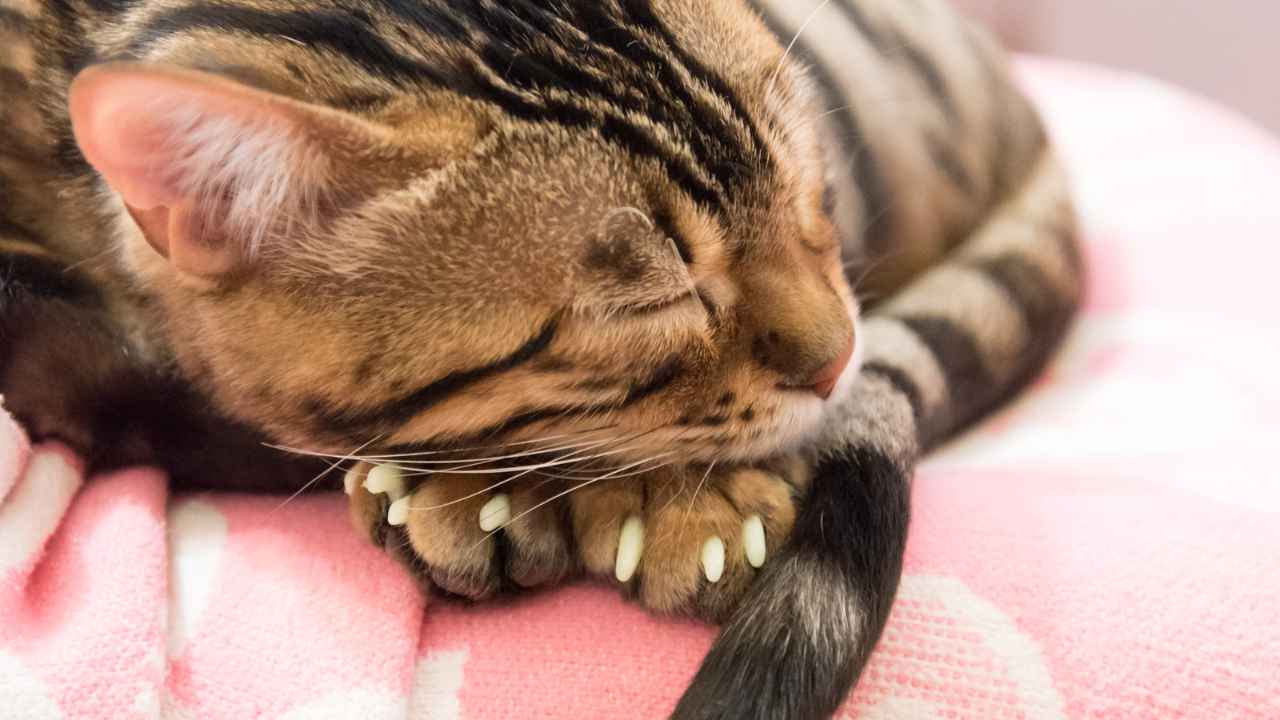
At their core, nail caps are tiny, hollow vinyl caps that are glued directly onto a cat’s trimmed claws. They effectively blunt the sharp tip of the claw, preventing it from causing damage to furniture, carpets, and even skin, without impeding the cat’s natural claw retraction or extension mechanisms. This ingenious gadget offers a humane alternative to more drastic measures like declawing, which involves surgical amputation and can lead to significant physical and psychological issues for the animal. Instead, nail caps leverage smart material design and application methodology to provide a temporary, reversible solution, fitting perfectly within the sphere of practical pet technology.

The Innovation Behind Feline Nail Protection
The concept of covering a cat’s claws might seem straightforward, but the engineering and material science behind effective nail caps are surprisingly sophisticated. These products are developed with a deep understanding of feline anatomy and behavior, aiming for a design that is both effective and non-intrusive.
Understanding the Design and Material
Modern nail caps are typically crafted from soft, flexible vinyl or similar synthetic polymers. This choice of material is crucial for several reasons. Firstly, flexibility ensures that the cap can conform to the natural curvature of the cat’s claw, allowing for a snug and secure fit without discomfort. The material’s pliability also means that the cat can still extend and retract its claws naturally, and the caps won’t interfere with their ability to walk, run, or jump. Secondly, the vinyl is lightweight, adding minimal bulk to the claw, which is essential for a cat’s proprioception and balance. Imagine a miniature, custom-fitted glove for each individual claw – that’s the level of precision and consideration applied.
The adhesive used to attach the caps is another critical component, falling under the umbrella of specialized veterinary-grade cyanoacrylate. This adhesive is formulated to be non-toxic, fast-drying, and strong enough to keep the caps in place for several weeks, yet gentle enough not to harm the claw or paw pad. Its rapid bonding properties are essential for quick application, minimizing stress for both the cat and the owner. Manufacturers invest heavily in research and development to ensure these adhesives are biocompatible and safe for prolonged contact with animal tissue, highlighting the technological commitment to pet safety.
How They Work: A Non-Invasive Solution
The operational principle of nail caps is elegantly simple: they act as a blunt shield. When a cat attempts to scratch, the soft vinyl cap, rather than the sharp keratin claw, makes contact with the surface. This prevents the claw from penetrating fabrics, wood, or skin, thereby eliminating damage. What’s particularly innovative is that this protection doesn’t inhibit the cat’s natural scratching instincts. Scratching is a vital behavior for felines; it helps them stretch their muscles, mark their territory visually and with scent glands in their paws, and shed the outer sheath of their claws to reveal new, sharper ones underneath. Nail caps allow cats to perform these behaviors without the destructive consequences.
The design also considers the cat’s natural shedding cycle for its claws. As a cat’s nail grows, the outermost layer sheds. The nail cap is designed to eventually fall off along with this natural shedding process, typically every 4 to 6 weeks. This self-detaching mechanism ensures that the caps don’t permanently adhere or cause overgrown nails, necessitating periodic reapplication as part of a regular grooming routine. This cyclical nature is a key feature of its non-invasive, temporary approach, distinguishing it from permanent interventions.
A Deep Dive into Application and Maintenance
The efficacy of nail caps is heavily reliant on correct application and consistent maintenance. This aspect transforms the product from a simple gadget into a tool that requires a precise, tutorial-driven approach for optimal performance and pet comfort.
Step-by-Step Installation Guide
Applying nail caps is a meticulous process that combines gentle handling with precise execution. First, the cat’s claws must be properly trimmed. This step is critical because it ensures the nail cap fits snugly at the base of the trimmed claw, rather than hanging loose or applying pressure to the quick. After trimming, a small amount of the specialized adhesive is placed inside the cap, typically filling about one-third to one-half of the cap. Overfilling can lead to excess glue oozing out and potentially irritating the paw pad or fur.
Next, the cap is gently slid onto the trimmed claw, ensuring it covers the entire visible portion of the nail. It’s crucial to ensure no air bubbles are trapped and the cap is aligned correctly. Once positioned, gentle pressure is applied to the top and sides of the cap for a few seconds to help the adhesive bond. The cat should then be held or distracted for approximately five minutes to allow the glue to fully set before they can shake off the caps. The entire process, while initially daunting, becomes a streamlined operation with practice, much like mastering any new gadget’s setup.
Ensuring a Secure and Comfortable Fit
Achieving a secure and comfortable fit is paramount to the success of nail caps. Choosing the correct size is the first critical step. Manufacturers typically provide sizing guides based on a cat’s weight, with options ranging from kitten to large adult cats. A cap that is too small will pinch and cause discomfort, while one that is too large will easily fall off or rotate, rendering it ineffective. A properly sized cap should fit snugly around the claw without touching the quick (the sensitive part of the nail) or the paw pad.
Monitoring the cat’s reaction immediately after application is also vital. While most cats acclimate quickly, some may try to chew or pull off the caps. This behavior can sometimes indicate discomfort from an improperly sized cap or an issue with the application. Ensuring the cap is fully dry and secure, and providing positive reinforcement (treats, playtime), can help reinforce a positive association with the caps, integrating the ‘tech’ smoothly into the cat’s routine.
Longevity and Replacement Cycles
As mentioned, nail caps are not a permanent solution, but a cyclical one. Their average lifespan is typically 4 to 6 weeks, though this can vary depending on the cat’s activity level and the rate of its claw growth. Active cats, especially those who frequently scratch, might wear them down or shed them faster. As the natural claw grows, the cap moves further away from the nail bed. Eventually, as the outermost nail sheath sheds, the cap will detach with it.
Regular inspection is key to effective maintenance. Owners should periodically check their cat’s paws to ensure all caps are intact and correctly positioned. Any missing caps should be replaced promptly. This regular monitoring and reapplication are integral to the system, much like charging a battery or updating software for other gadgets. It ensures continuous protection and allows for ongoing assessment of the cat’s comfort and nail health.
The Technological Benefits for Cats and Owners
The adoption of nail caps represents a pragmatic blend of pet welfare and home preservation, highlighting a smart application of technology to everyday problems. The benefits extend to both the feline user and the human caregiver.
Protecting Furniture and Surfaces
Perhaps the most immediate and tangible benefit for owners is the robust protection these caps offer to household items. Cats scratch instinctively to condition their claws and mark territory, and without appropriate alternatives or interventions, this often leads to significant damage to upholstery, carpets, drapes, and wooden furniture. Nail caps effectively neutralize the destructive potential of sharp claws. The soft vinyl surface glides over fabrics and wood without leaving gouges or snags, preserving the aesthetic and structural integrity of home furnishings. This translates into considerable savings on repairs or replacements, making the initial investment in nail caps a highly cost-effective technological solution for home maintenance.
Preventing Accidental Scratches
Beyond inanimate objects, nail caps significantly reduce the risk of accidental scratches to humans and other pets in the household. Playful nips or attempts to climb on owners can inadvertently result in painful scratches, especially for children or individuals with delicate skin. While nail caps do not prevent the physical contact, they effectively eliminate the sharp, penetrating aspect of a cat’s claw. This allows for more relaxed interaction and playtime, fostering a safer environment for everyone involved. It’s a low-tech, high-impact safety feature that enhances the human-animal bond by mitigating common sources of minor injury.
An Alternative to Declawing
Historically, declawing was a common, albeit controversial, method to curb destructive scratching. However, modern veterinary science and animal welfare advocates widely condemn declawing due to its invasive nature and potential for long-term physical pain and behavioral issues, including litterbox aversion and biting. Nail caps emerge as a humane, reversible, and non-surgical alternative. They preserve the cat’s natural paw structure and function, allowing them to retain their full range of motion and essential scratching behaviors without causing damage. This ethical consideration places nail caps firmly within the category of responsible pet technology, offering a solution that respects animal autonomy and well-being.
Addressing Common Concerns and User Experience
Like any pet-tech product, nail caps come with their own set of considerations and a learning curve for both the pet and the owner. Understanding these aspects is crucial for a successful implementation.
Acclimation and Initial Reactions
Cats are creatures of habit and can be sensitive to changes in their bodies or environment. It’s common for cats to notice the caps immediately after application and exhibit initial curiosity, perhaps trying to lick, chew, or shake them off. This is a natural reaction to a novel sensation on their paws. Most cats, however, acclimate within a few hours to a few days. During this period, owners can facilitate acceptance through positive reinforcement, offering treats, praise, or engaging in distracting play. It’s important not to reprimand the cat for trying to remove the caps, as this can create negative associations. Patience and gentle encouragement are key to a smooth transition, much like introducing a new harness or collar.
Safety and Pet Comfort Considerations
The safety of nail caps is paramount. As previously noted, the materials (vinyl and adhesive) are designed to be non-toxic and veterinary-grade. When applied correctly, they should not cause pain or restrict movement. However, improper application, such as using too much glue or applying caps that are too tight, can lead to discomfort, irritation, or even infection if the quick is nicked during trimming. Owners should always follow instructions carefully and consult with a veterinarian if they notice any signs of discomfort, lameness, swelling, or redness in their cat’s paws. Regular checks ensure that no issues develop underneath the caps.
Selecting the Right Size and Brand
The market offers various brands of nail caps, each with slight variations in material, adhesive quality, and color options. Choosing a reputable brand known for quality materials and clear instructions is advisable. The most critical factor, however, remains correct sizing. Most brands provide weight-based sizing charts (e.g., small, medium, large, extra-large). It’s essential to weigh the cat accurately and select the size that corresponds best. If a cat is between sizes, it’s often recommended to opt for the smaller size to ensure a snug fit that won’t easily detach. Some brands also offer “starter kits” that include various sizes, allowing owners to determine the best fit for their individual cat.
The Future of Pet-Tech: Beyond Basic Protection
While current nail caps offer robust protective functionality, the evolution of pet technology suggests potential future enhancements, pushing the boundaries of what these simple gadgets can achieve.
Smart Monitoring Integration
Imagine nail caps that aren’t just passive protectors but active monitoring devices. Future iterations could incorporate micro-sensors capable of tracking paw movement, gait analysis, or even subtle changes in claw growth patterns. This data could be transmitted via Bluetooth to a smartphone app, providing owners with insights into their cat’s activity levels, detecting early signs of lameness, or even signaling when caps are due for replacement based on wear or growth. Such integration would transform a basic protective item into a valuable diagnostic and maintenance tool, aligning with the broader trend of connected pet devices.

Biodegradable and Advanced Materials
As environmental consciousness grows, the development of biodegradable or compostable nail caps could become a significant innovation. Current vinyl caps contribute to plastic waste, albeit in small quantities. Research into advanced bioplastics or other sustainable polymers that retain the necessary flexibility, durability, and non-toxicity would offer an eco-friendly alternative without compromising performance. Furthermore, materials infused with antimicrobial properties could reduce the risk of bacterial or fungal growth beneath the caps, offering an added layer of health protection. These advancements would not only improve the product’s environmental footprint but also enhance its health benefits for the feline user, demonstrating the continuous drive for innovation in the pet-tech sector.
aViewFromTheCave is a participant in the Amazon Services LLC Associates Program, an affiliate advertising program designed to provide a means for sites to earn advertising fees by advertising and linking to Amazon.com. Amazon, the Amazon logo, AmazonSupply, and the AmazonSupply logo are trademarks of Amazon.com, Inc. or its affiliates. As an Amazon Associate we earn affiliate commissions from qualifying purchases.