
In the current financial landscape, few questions carry as much weight for the average consumer as “What are mortgage rates right now?” For prospective homebuyers, current homeowners considering a refinance, and real estate investors, the answer to this question determines much more than just a monthly payment; it dictates purchasing power, long-term wealth accumulation, and the overall health of the domestic economy.
Mortgage rates do not exist in a vacuum. They are the pulse of the financial sector, reflecting a complex interplay between central bank policy, inflationary pressures, and investor sentiment. To understand where rates stand today, one must look beyond the daily percentage updates and explore the underlying economic machinery that drives these fluctuations.
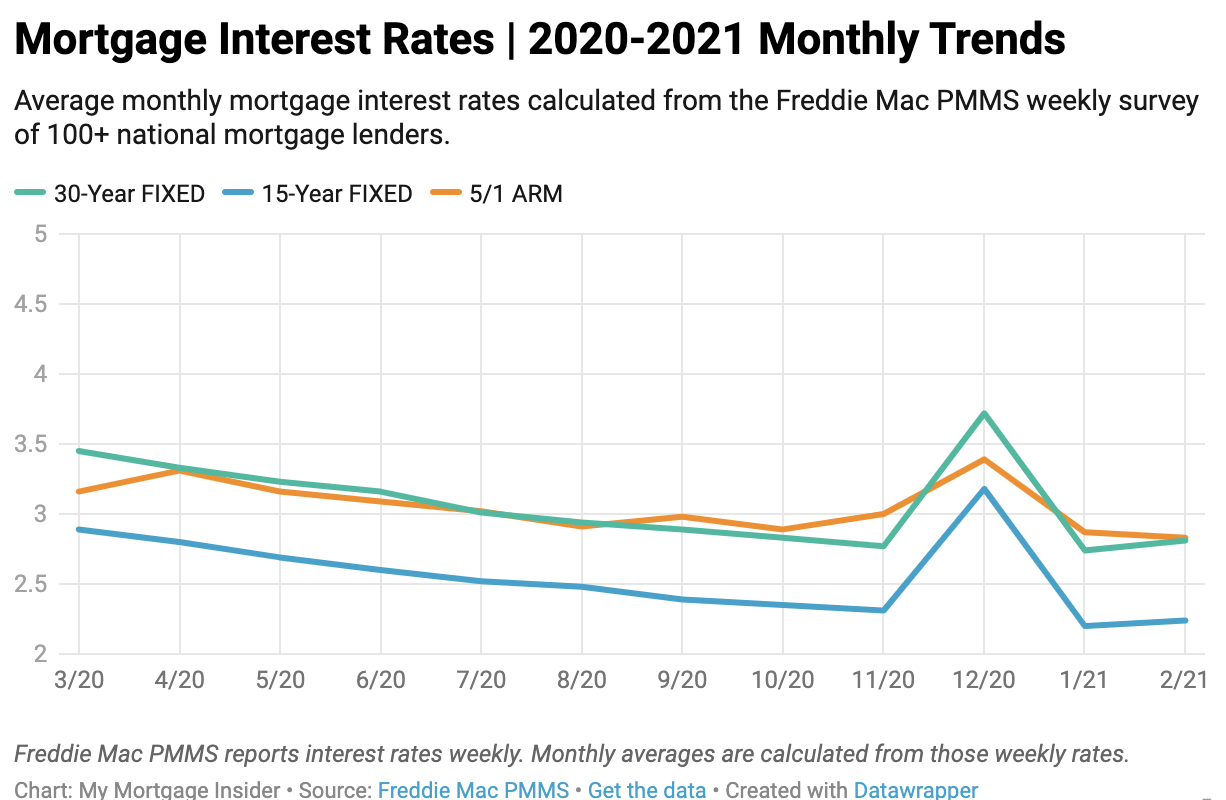
Understanding the Current Economic Landscape of Mortgage Rates
The trajectory of mortgage rates is intrinsically linked to the broader macroeconomic environment. While the headlines often focus on the “sticker price” of a 30-year fixed-rate mortgage, several invisible hands are at work behind the scenes.
The Role of the Federal Reserve
One of the most common misconceptions in personal finance is that the Federal Reserve sets mortgage rates. In reality, the Fed sets the federal funds rate—the interest rate at which commercial banks borrow and lend to each other overnight. However, changes in the federal funds rate create a ripple effect. When the Fed raises rates to combat inflation, the cost of borrowing increases across the board, including for mortgage lenders. Consequently, mortgage rates tend to track the 10-year Treasury yield more closely than the Fed’s short-term rates, as investors view both as long-term debt instruments.
Inflation and Its Impact on Lending
Inflation is the natural enemy of fixed-income investments like mortgages. When inflation is high, the purchasing power of the future dollars that lenders receive as interest payments is eroded. To compensate for this risk, lenders demand higher interest rates. In the current era, as the global economy recovers from supply chain disruptions and shifts in consumer demand, the battle against inflation remains the primary catalyst for rate volatility. Until inflation shows a sustained return to the Fed’s 2% target, mortgage rates are likely to remain elevated compared to the historic lows seen in the previous decade.
Global Economic Factors and Market Sentiment
Capital is global. In times of geopolitical instability or international economic downturns, investors often flock to “safe-haven” assets like U.S. Treasuries. This increased demand for bonds can drive yields down, which in turn can lead to a softening of mortgage rates. Conversely, a robust economy with high growth potential can lead investors away from bonds and toward equities, putting upward pressure on rates. Understanding “what rates are right now” requires a keen eye on global market sentiment.
Comparing Different Types of Mortgage Products
Not all mortgage rates are created equal. Depending on your financial goals and risk tolerance, the “right” rate for you might be found in a variety of different loan products. Each comes with its own set of advantages and interest rate structures.
Fixed-Rate vs. Adjustable-Rate Mortgages (ARMs)
The 30-year fixed-rate mortgage remains the gold standard of American home financing. It offers stability, with a locked-in interest rate that never changes over the life of the loan. However, in a high-rate environment, many borrowers turn to Adjustable-Rate Mortgages (ARMs). An ARM typically offers a lower “teaser” rate for an initial period (usually 5, 7, or 10 years) before adjusting annually based on market indices. For a borrower who plans to sell or refinance within a few years, an ARM can provide significant monthly savings, though it carries the risk of higher payments in the future.
Conventional vs. Government-Backed Loans
The type of loan you choose also dictates the rate you are offered. Conventional loans, which are not insured by the government, often have the most competitive rates for borrowers with high credit scores and substantial down payments. On the other hand, FHA (Federal Housing Administration) loans, VA (Veterans Affairs) loans, and USDA (Department of Agriculture) loans are designed to make homeownership more accessible. While these government-backed loans might have slightly different base rates, they often include mandatory insurance premiums (MIP or PMI) that affect the total “effective” rate the borrower pays.
The Nuance of Points and Rate Locks
When you see a rate advertised online, it often includes “points.” A discount point is an upfront fee paid to the lender (usually 1% of the loan amount) in exchange for a lower interest rate. This is essentially “prepaying” interest to lower your monthly obligation. Furthermore, because rates change daily, savvy borrowers utilize “rate locks.” A rate lock guarantees the quoted interest rate for a specific period (30 to 60 days) while the loan is being processed, protecting the borrower from sudden market spikes during the underwriting phase.
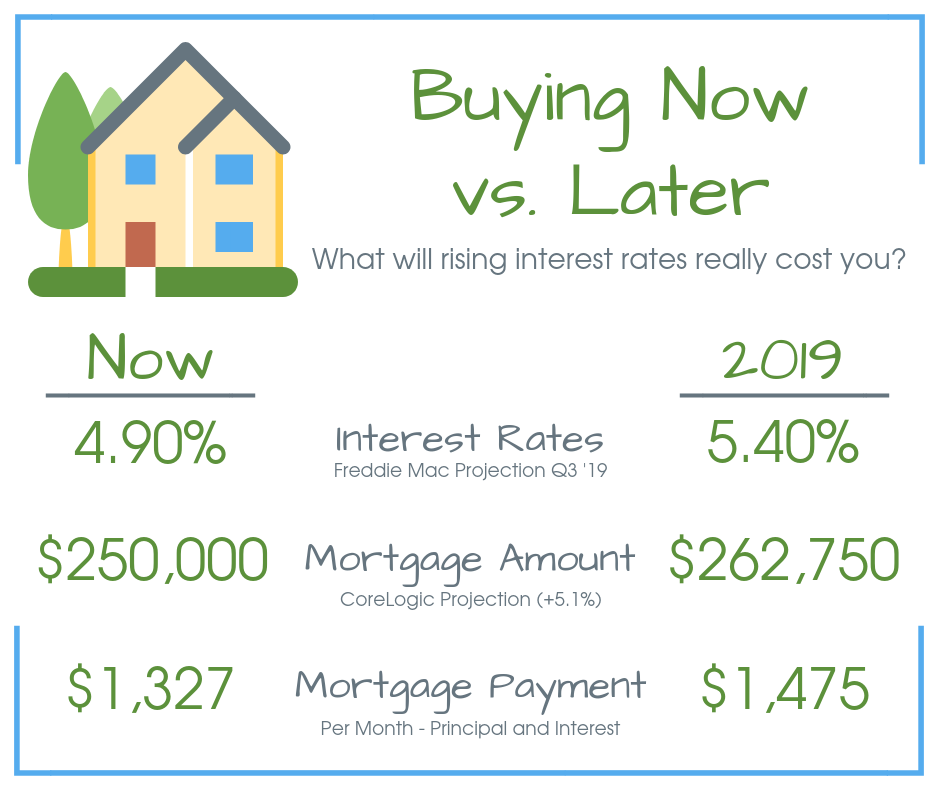
Factors That Determine Your Personal Mortgage Rate
While market averages provide a benchmark, your personal mortgage rate is a reflection of your individual financial profile. Lenders assess risk, and the less risky you appear, the lower the rate you will be offered.
Credit Score and Debt-to-Income Ratio
Your credit score is perhaps the single most influential factor in determining your rate. A borrower with a score above 760 will almost always receive the “prime” rate, while someone with a score in the 620 range might pay 1% to 1.5% more in interest. Similarly, lenders look at your Debt-to-Income (DTI) ratio. If your monthly debt obligations (including the new mortgage) exceed 43% of your gross monthly income, you may be viewed as a higher risk, resulting in a higher interest rate or a loan denial.
Loan-to-Value (LTV) and Down Payments
The “skin in the game” you provide matters to lenders. The Loan-to-Value (LTV) ratio compares the amount of the loan to the appraised value of the property. A 20% down payment (resulting in an 80% LTV) is the traditional threshold for securing better rates and avoiding private mortgage insurance. However, even moving from a 3.5% down payment to a 10% down payment can result in a tiered improvement in the interest rate offered by most conventional lenders.
Property Type and Loan Purpose
Lenders also price loans based on the risk associated with the property itself. A primary residence—the home you live in—typically receives the lowest rates because borrowers are statistically less likely to default on their own roof. Investment properties and second homes carry higher interest rates, often 0.50% to 1% higher than primary residences, because they are viewed as more discretionary and therefore riskier for the bank during an economic downturn.
Strategies for Securing the Best Rate in a Volatile Market
Navigating the mortgage market when rates are in flux requires a proactive and strategic approach. You should not simply accept the first quote you receive.
The Importance of Shopping Around
Studies by organizations like Freddie Mac have consistently shown that borrowers who get at least five quotes can save an average of $3,000 or more over the life of the loan. Different lenders have different “appetites” for risk; a local credit union might have more flexibility than a large national bank, or a specialized online lender might have lower overhead costs that they pass on to the consumer in the form of lower rates.
Timing the Market vs. Time in the Market
Many prospective buyers attempt to “time” the market, waiting for rates to drop. However, this strategy can backfire. If rates drop, housing demand often surges, driving home prices higher and negating any savings from the lower interest rate. A popular mantra in the current money niche is: “Marry the house, date the rate.” This suggests that if you find the right property at a price you can afford, you should move forward and plan to refinance the mortgage later when market conditions improve.
Working with Mortgage Brokers vs. Direct Lenders
A mortgage broker acts as an intermediary, shopping your profile around to multiple wholesale lenders to find the best fit. This can be an efficient way to see a broad spectrum of rates. Conversely, working directly with a bank (direct lender) can sometimes offer more streamlined communication and internal relationship discounts if you already have accounts with them. Understanding the difference is key to your negotiation strategy.
Looking Ahead: The Future Outlook for Homebuyers
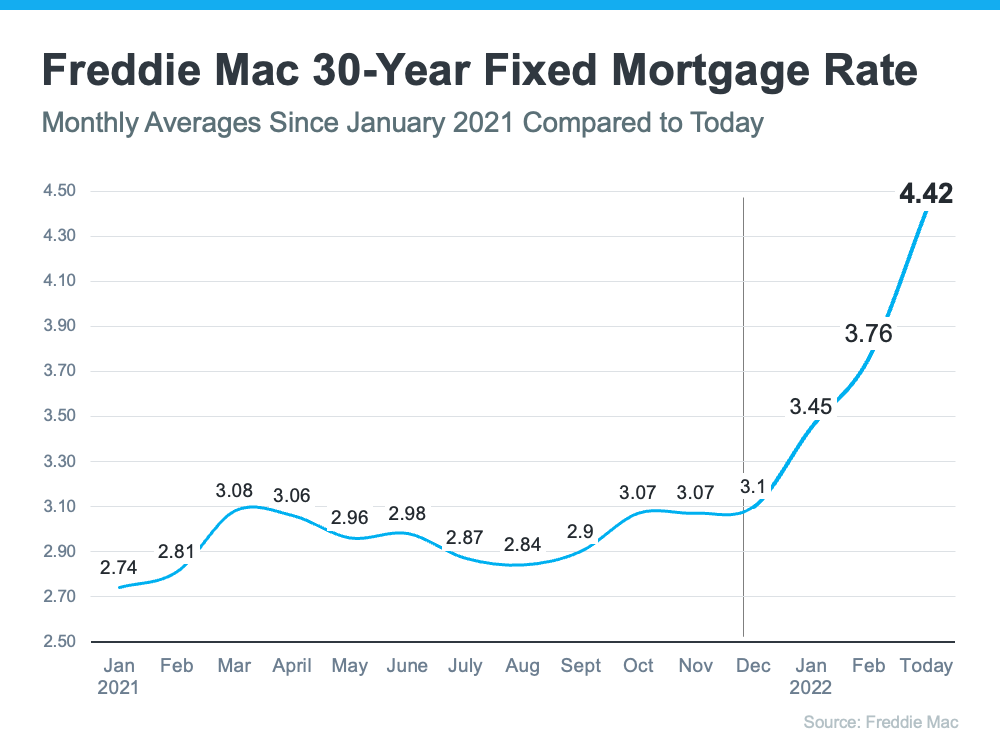
As we look toward the future of mortgage rates, the primary theme is one of cautious normalization. The era of 2.5% interest rates was a historical anomaly driven by a global pandemic and unprecedented monetary intervention. The “new normal” is likely to see rates fluctuate in a range that reflects a more balanced economy.
For the modern borrower, staying informed is the best defense against market volatility. By monitoring inflation data, understanding the nuances of different loan products, and maintaining a robust credit profile, you can navigate the “what are mortgage rates right now” dilemma with confidence. Ultimately, a mortgage is a tool for building equity and stability. While the rate is a critical component, it is just one part of a broader financial strategy aimed at achieving long-term prosperity through homeownership. As the market evolves, those who are prepared, patient, and professional in their approach will be best positioned to capitalize on the opportunities that arise.
aViewFromTheCave is a participant in the Amazon Services LLC Associates Program, an affiliate advertising program designed to provide a means for sites to earn advertising fees by advertising and linking to Amazon.com. Amazon, the Amazon logo, AmazonSupply, and the AmazonSupply logo are trademarks of Amazon.com, Inc. or its affiliates. As an Amazon Associate we earn affiliate commissions from qualifying purchases.