
For most individuals, a home is the largest purchase they will ever make. However, the sticker price of a property is only one part of the financial equation. The true cost of homeownership is dictated by a secondary, often more volatile figure: the mortgage interest rate. In the realm of personal finance and investing, mortgage rates act as the heartbeat of the real estate market, influencing everything from individual purchasing power to the stability of the national economy.
At its simplest, a mortgage interest rate is the cost you pay a lender to borrow money to purchase a home. It is expressed as a percentage of the total loan amount. While a difference of 1% or 2% might seem negligible in other contexts, in the world of 30-year debt, it can represent hundreds of thousands of dollars in cumulative interest. Understanding how these rates are determined, how they function, and how they impact your long-term wealth is essential for anyone looking to navigate the modern financial landscape.
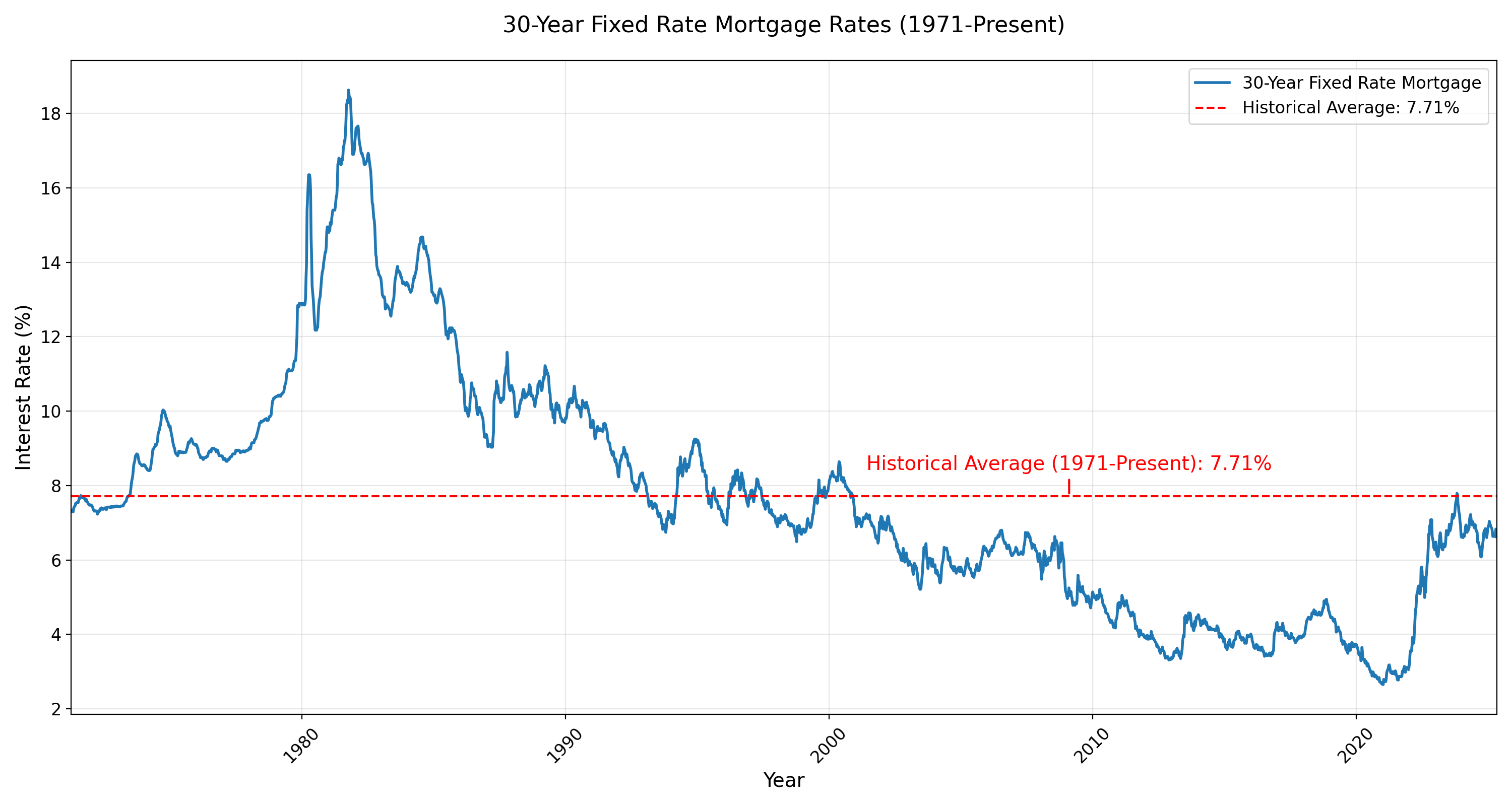
The Mechanics of Mortgage Interest Rates: How They Work
To master your personal finances, you must first understand the internal logic of the mortgage loan. When you take out a mortgage, your monthly payment is typically divided into four parts, often referred to as PITI: Principal, Interest, Taxes, and Insurance. The interest rate specifically dictates the “Interest” portion of that acronym.
Principal vs. Interest
The principal is the actual amount of money you borrowed to buy the home. The interest is the profit the lender earns for taking the risk of lending you that capital. In the early years of a standard mortgage, a significantly higher portion of your monthly payment goes toward interest rather than the principal. This is due to a process called amortization. As the years progress, the ratio shifts, and you begin to pay down the principal more aggressively. Understanding this trajectory is vital for building equity.
Fixed-Rate vs. Adjustable-Rate Mortgages (ARMs)
One of the most important decisions a borrower makes is choosing between a fixed-rate and an adjustable-rate mortgage.
- Fixed-Rate Mortgages: These offer a consistent interest rate for the entire life of the loan (usually 15 or 30 years). They provide peace of mind and protection against rising inflation, making them the gold standard for long-term homeowners.
- Adjustable-Rate Mortgages (ARMs): These loans usually start with a lower “teaser” rate for a set period (e.g., 5 or 7 years), after which the rate adjusts periodically based on market indices. While ARMs can be beneficial if you plan to sell the home quickly, they carry significant risk if interest rates skyrocket in the future.
The Role of the Annual Percentage Rate (APR)
When shopping for a mortgage, many consumers make the mistake of looking only at the “nominal” interest rate. However, the Annual Percentage Rate (APR) is a more comprehensive measure of the loan’s cost. The APR includes the interest rate plus other costs, such as lender fees, closing costs, and mortgage insurance. In the context of business finance and personal budgeting, the APR is the more “honest” number to use when comparing different loan products.
Key Factors That Influence Mortgage Rates
Mortgage rates do not exist in a vacuum. They are a reflection of both global economic trends and your specific financial profile. Understanding these levers allows you to predict market shifts and optimize your borrowing potential.
Macroeconomic Factors: The Fed and the Bond Market
While many believe the Federal Reserve sets mortgage rates directly, this is a misconception. The Fed sets the “federal funds rate,” which is the rate at which banks lend to each other overnight. However, mortgage rates are more closely tied to the 10-year Treasury yield. When investors are nervous about the economy, they buy bonds, which drives yields down and often causes mortgage rates to fall. Conversely, when inflation is high, lenders demand higher interest rates to ensure the money they are paid back in the future retains its purchasing power.
Personal Financial Health: Credit Scores and Debt-to-Income
From a lender’s perspective, the interest rate is a tool for pricing risk. If you have a high credit score (typically 760 or above), you are viewed as a “safe” bet and will be rewarded with the lowest available rates. If your score is low, the lender will charge a higher rate to compensate for the higher probability of default. Similarly, your Debt-to-Income (DTI) ratio—the percentage of your gross monthly income that goes toward paying debts—tells the lender if you can afford the mortgage. A lower DTI often leads to more favorable terms.
Loan-to-Value Ratio and Down Payments
The amount of “skin in the game” you have also affects your rate. The Loan-to-Value (LTV) ratio compares the amount of the loan to the appraised value of the property. If you put down 20% or more, your LTV is 80% or lower, which usually qualifies you for better rates. If you put down a small amount, such as 3%, the lender may see the loan as higher risk and increase the interest rate or require Private Mortgage Insurance (PMI), further increasing your monthly cost.

Why Mortgage Rates Matter for Your Long-Term Financial Strategy
In the context of wealth building and personal finance, the mortgage rate is perhaps the most significant variable in determining your “opportunity cost.”
The Cost of Borrowing Over Time
To illustrate the power of interest rates, consider a $400,000 mortgage. At a 3% interest rate, the total interest paid over 30 years is approximately $207,000. At a 7% interest rate, that total interest balloons to over $558,000. That difference of $351,000 represents capital that could have been invested in the stock market, a retirement fund, or a business venture. High interest rates essentially sap your future net worth by diverting your cash flow toward debt service.
Real Estate as an Investment Hedge
Despite the costs, mortgages are unique because they allow for “leverage.” You can control a $500,000 asset with only $100,000 (a 20% down payment). If the home appreciates in value, your return on investment is calculated on the full $500,000 value, not just your initial $100,000. Interest rates determine the “carry cost” of this investment. If the interest rate is lower than the rate of appreciation and inflation, you are effectively borrowing money to build wealth at a discount.
Refinancing Opportunities
A savvy financial strategy involves monitoring interest rates even after you’ve purchased a home. If market rates drop significantly (usually by 1% or more) after you’ve closed your loan, you may have the opportunity to “refinance.” This involves taking out a new loan at the lower rate to pay off the old one. Refinancing can lower your monthly payment, shorten the loan term, or allow you to tap into home equity for other investments.
Navigating the Current Market: Tips for Borrowers
In a fluctuating economy, securing a favorable mortgage rate requires a proactive and informed approach. It is not enough to simply walk into a local bank; you must treat the mortgage search as a high-stakes business negotiation.
Comparison Shopping and “Locking” Your Rate
Rates can vary significantly between big banks, credit unions, and online mortgage brokers. It is highly recommended to get at least three different quotes. Once you find a rate you are comfortable with, you should consider a “rate lock.” Because mortgage rates change daily (and sometimes hourly), a rate lock guarantees that the interest rate offered by the lender will remain the same until your loan closes, protecting you from sudden market spikes.
Buying Down the Rate with Discount Points
If you plan to stay in your home for a long time, you might consider “buying points.” One point typically costs 1% of the total loan amount and reduces your interest rate by about 0.25%. This is essentially an upfront payment of interest in exchange for a lower monthly payment over the life of the loan. From a financial perspective, you must calculate the “break-even point”—the amount of time it takes for the monthly savings to equal the initial cost of the points.
Timing the Market vs. Time in the Market
Investors often debate whether they should wait for interest rates to drop before buying a home. However, in personal finance, “timing the market” is notoriously difficult. If rates drop, home prices often rise because more buyers enter the market. A common mantra in real estate is: “Marry the house, date the rate.” This means you should buy the property when it makes sense for your life and budget, with the intention of refinancing the interest rate if and when they drop in the future.

Conclusion: Mastering Your Financial Destiny
Mortgage interest rates are more than just a percentage on a loan application; they are a fundamental pillar of personal finance. They dictate your monthly budget, your ability to save for retirement, and the overall growth of your net worth. By understanding the mechanics of how rates work—from the influence of the global bond market to the importance of your own creditworthiness—you can make informed decisions that align with your long-term wealth-building goals.
Whether you are a first-time homebuyer or a seasoned real estate investor, staying educated on interest rate trends is essential. In the complex world of money and finance, the most valuable asset you can have is not the property itself, but the knowledge required to finance it wisely. By optimizing your mortgage interest rate, you aren’t just buying a house; you are securing your financial future.
aViewFromTheCave is a participant in the Amazon Services LLC Associates Program, an affiliate advertising program designed to provide a means for sites to earn advertising fees by advertising and linking to Amazon.com. Amazon, the Amazon logo, AmazonSupply, and the AmazonSupply logo are trademarks of Amazon.com, Inc. or its affiliates. As an Amazon Associate we earn affiliate commissions from qualifying purchases.