
The question of “what are mortgage interest rates right now” is more than just a search for a percentage; it is a query about the state of the modern economy, the accessibility of the American dream, and the strategic timing of one’s largest personal investment. For the better part of the last decade, homeowners and prospective buyers enjoyed a historically low-interest-rate environment. However, as we navigate the mid-2020s, the landscape has shifted dramatically. Understanding current mortgage rates requires a deep dive into macroeconomic policy, individual financial health, and the cyclical nature of the housing market.
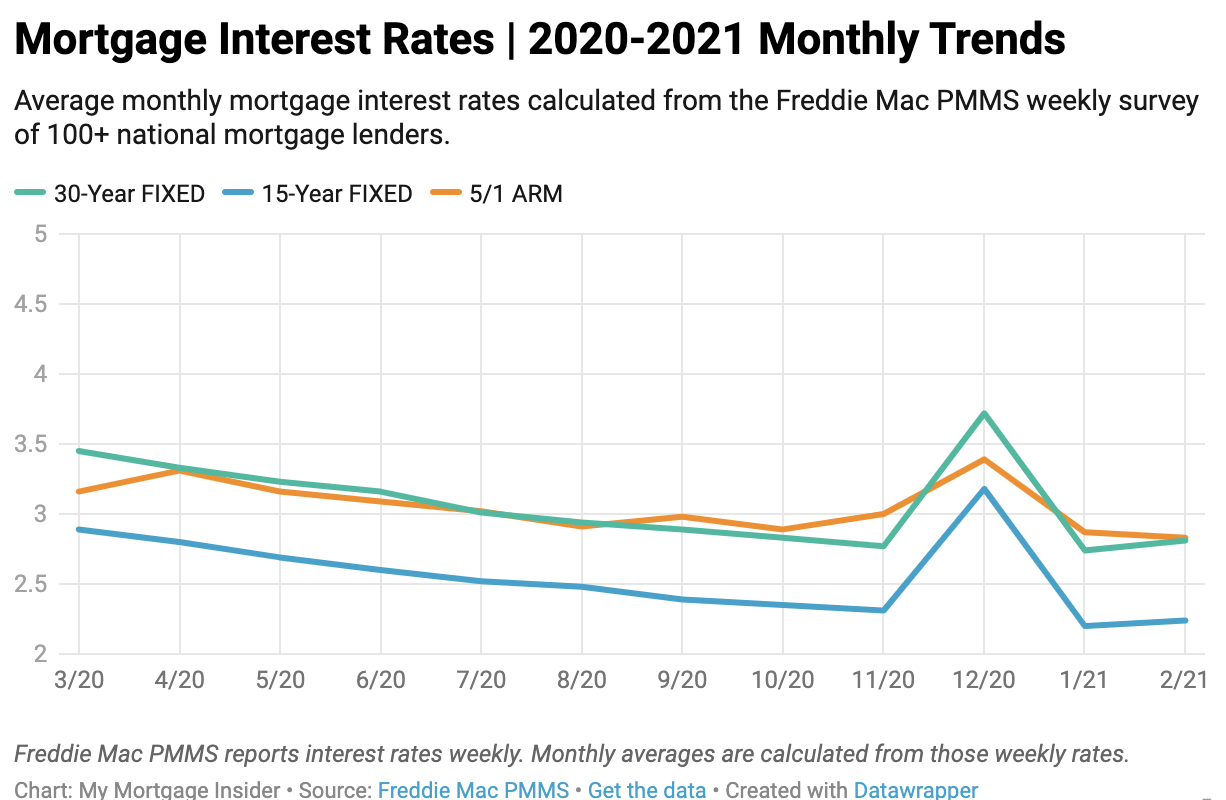
As of the current market cycle, mortgage rates have stabilized at levels significantly higher than the pandemic-era lows, yet they remain within the historical average when viewed over a 50-year horizon. For the modern borrower, the “rate” is a moving target influenced by the Federal Reserve, inflation data, and global investor appetite for mortgage-backed securities.
Understanding the Drivers of Current Mortgage Rates
To understand why rates are sitting where they are today, one must look toward the central nervous system of the U.S. economy: the Federal Reserve. While the Fed does not directly set mortgage rates, its influence over the federal funds rate creates a ripple effect that dictates the cost of borrowing across the board.
The Role of the Federal Reserve and Inflation
The primary mandate of the Federal Reserve is to maintain price stability and maximum sustainable employment. When inflation spiked in the post-pandemic era, the Fed responded with a series of aggressive interest rate hikes to cool the economy. Mortgage lenders, anticipating higher costs of capital, raised their rates in tandem. Currently, the market is in a “wait and see” mode. As inflation data shows signs of cooling, there is optimism that the Fed may pivot toward rate cuts, which would eventually lead to a downward trend in mortgage coupons. However, until inflation consistently hits the 2% target, rates are likely to remain “higher for longer.”
The 10-Year Treasury Yield Correlation
Technically, mortgage rates track most closely with the 10-year Treasury note yield. Investors often view mortgages as a slightly riskier alternative to government bonds. When the yield on the 10-year Treasury rises due to economic growth or inflation fears, mortgage rates typically follow. The “spread”—the difference between the 10-year Treasury yield and the 30-year fixed mortgage rate—is currently wider than historical norms, reflecting market volatility and the increased risk perceived by lenders in a fluctuating economy.
Global Economic Sentiment and Liquidity
Mortgage rates are also a product of global demand. Mortgage-backed securities (MBS) are bought and sold on the secondary market. If global investors are nervous about geopolitical stability or the strength of the dollar, they may demand higher yields to hold these assets. Current rates reflect a complex cocktail of domestic stability and international uncertainty, making the daily “ticker” of mortgage rates more volatile than in previous decades.
Comparing Rate Types: Fixed vs. Adjustable and Term Lengths
Not all mortgage rates are created equal. When a borrower asks what rates are “right now,” the answer varies significantly depending on the product type. The choice between a 30-year fixed, a 15-year fixed, or an adjustable-rate mortgage (ARM) can result in a difference of hundreds of dollars in monthly payments and tens of thousands in lifetime interest.
The Stability of 30-Year and 15-Year Fixed-Rate Mortgages
The 30-year fixed-rate mortgage remains the gold standard for American homeowners. It offers the security of a consistent payment for three decades. Currently, 30-year rates are the primary benchmark cited in news reports. In contrast, 15-year fixed-rate mortgages typically offer a lower interest rate—often 0.5% to 1% lower than their 30-year counterparts. The trade-off, of course, is a much higher monthly payment due to the compressed amortization schedule. For those with the cash flow to handle it, the 15-year option is the most efficient way to build equity rapidly in the current high-rate environment.
Are Adjustable-Rate Mortgages (ARMs) Making a Comeback?
When fixed rates rise, ARMs often gain popularity. An ARM typically offers a lower “teaser” rate for an initial period (such as 5, 7, or 10 years) before adjusting annually based on market indices. In the current market, the gap between fixed rates and ARM rates has narrowed, making them slightly less attractive than they were a year ago. However, for a buyer who plans to sell or refinance within five years, a 5/1 ARM can still offer a strategic advantage by lowering the initial cost of entry.
Government-Backed Loans: FHA, VA, and USDA
It is important to note that government-backed loans often feature lower interest rates than conventional loans. FHA loans, designed for those with lower credit scores or smaller down payments, currently offer competitive rates, though they require mandatory mortgage insurance premiums (MIP). VA loans, available to veterans and active-duty service members, often boast the lowest rates in the market with no down payment requirement. Understanding these nuances is vital for a borrower to find the “real” rate available to them.
How Personal Financial Profiles Influence Your Specific Quote
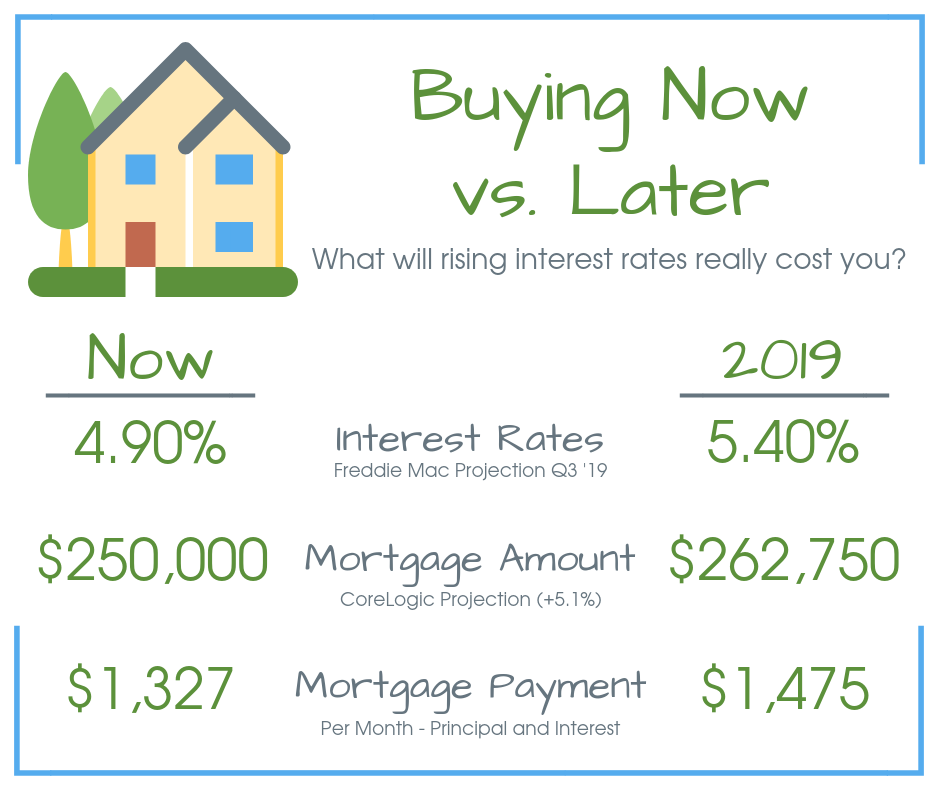
The “average” mortgage rate reported in the media is a benchmark for a “prime” borrower—someone with a high credit score and a significant down payment. In reality, the rate you are quoted is a highly personalized figure based on several risk factors.
Credit Scores: The Foundation of Your Rate
Lenders use your FICO score to determine the level of risk they are assuming. There is often a significant “tier” system in pricing. For example, a borrower with a 760 credit score may receive a rate that is 0.5% to 1% lower than a borrower with a 660 score. In a 7% interest rate environment, that 1% difference can be the factor that determines whether a home is affordable or not. Improving one’s credit score by even 20 points before applying for a mortgage can result in substantial long-term savings.
Debt-to-Income (DTI) Ratios and Down Payments
Your DTI ratio—the percentage of your gross monthly income that goes toward paying debts—tells a lender how much “breathing room” you have. While it doesn’t always move the interest rate directly, a high DTI can force a borrower into different loan products with higher costs. Similarly, the “magic number” for a down payment remains 20%. While you can buy a home with as little as 3% down (or 0% for VA/USDA), a lower down payment usually results in a higher interest rate and the added cost of Private Mortgage Insurance (PMI).
Loan-to-Value (LTV) Ratios and Property Type
The type of property you are purchasing also dictates the rate. Primary residences enjoy the lowest rates. Investment properties and second homes are viewed as higher risk; consequently, lenders often add “loan-level price adjustments” (LLPAs) that can increase the rate by 0.25% to 0.75%. If you are looking at a condo versus a single-family home, you might also see a slight bump in the rate due to the perceived complexities of condo associations.
Strategies for Navigating High-Rate Environments
In an era of elevated interest rates, savvy borrowers must employ specific financial strategies to mitigate costs. “Waiting for rates to drop” is a common sentiment, but it carries the risk of rising home prices. Instead, many are turning to active management of their mortgage terms.
Buying Down the Rate with Mortgage Points
One of the most effective tools right now is the “discount point.” A point is an upfront fee paid to the lender at closing (usually 1% of the loan amount) in exchange for a permanently lower interest rate. For those who plan to stay in their home for at least seven to ten years, “paying for the rate” can be a mathematically sound investment, as the monthly savings will eventually eclipse the initial cost of the points.
The Importance of Shopping Around and Comparing Loan Estimates
Mortgage rates can vary significantly from one lender to another. A local credit union might have different liquidity needs than a national “big box” bank or an online-only lender. Research shows that borrowers who get at least three quotes save an average of $1,500 to $3,000 over the life of the loan. When comparing rates, it is crucial to look at the “APR” (Annual Percentage Rate) rather than just the “interest rate,” as the APR includes the fees and costs associated with the loan.
Rate Locks and Timing the Market
Because mortgage rates change daily—and sometimes hourly—a “rate lock” is an essential tool. Once you find a rate you are comfortable with, your lender can lock it in for a period (usually 30 to 60 days) while your loan is processed. Some lenders even offer “float-down” provisions, which allow you to lock in a rate but take advantage of a lower one if rates drop before you close.
The Future Outlook: What Experts Predict for Mortgage Trends
While no one has a crystal ball, the consensus among economists at the Mortgage Bankers Association (MBA) and the National Association of Realtors (NAR) is that the extreme volatility of the last two years is beginning to taper.
Long-term Projections and Refinancing Windows
The general expectation for the next 12 to 24 months is a gradual easing of rates. As the Federal Reserve moves away from its restrictive monetary policy, we may see rates settle into a “new normal” range of 5.5% to 6.5%. For those buying “right now” at 7%, the strategy is often summarized by the industry catchphrase: “Marry the house, date the rate.” This implies that while you buy the home at today’s prices, you should remain prepared to refinance as soon as rates drop by 1% or more.

Impact of Housing Inventory on Financial Decisions
The “lock-in effect” remains a major factor in the current market. Many existing homeowners have rates below 4% and are reluctant to sell and take on a new mortgage at 7%. This has kept inventory low and prices high. Consequently, the “rate right now” must be balanced against the “price right now.” If rates drop significantly, a flood of buyers may enter the market, potentially driving home prices up and negating the savings of a lower interest rate.
In conclusion, the question of what mortgage rates are right now is the starting point of a complex financial journey. While rates are higher than the historic anomalies of 2020, they are part of a stabilizing economy. By understanding the macroeconomic drivers, choosing the right loan product, maintaining a strong credit profile, and employing strategic tools like points and rate locks, borrowers can navigate this environment with confidence. The key is to focus not just on the rate itself, but on the total cost of borrowing and the long-term equity potential of the investment.
aViewFromTheCave is a participant in the Amazon Services LLC Associates Program, an affiliate advertising program designed to provide a means for sites to earn advertising fees by advertising and linking to Amazon.com. Amazon, the Amazon logo, AmazonSupply, and the AmazonSupply logo are trademarks of Amazon.com, Inc. or its affiliates. As an Amazon Associate we earn affiliate commissions from qualifying purchases.