
In the competitive landscape of the global automotive industry, few names resonate with the same level of tribal loyalty and historical gravity as “Mopar.” While the casual observer might mistake it for a specific model of vehicle or a niche engine type, Mopar represents one of the most successful examples of brand evolution in corporate history. It is a masterclass in how a functional service division can transcend its utilitarian origins to become a powerful lifestyle brand, a cultural identifier, and a cornerstone of corporate marketing strategy.
To understand what Mopar is today, one must look beyond the steel and rubber. It is a brand architecture that encompasses parts, service, customer care, and, most importantly, a distinct emotional connection with a global consumer base. For the modern business strategist, Mopar serves as a case study in building brand equity through consistency, community engagement, and strategic diversification.
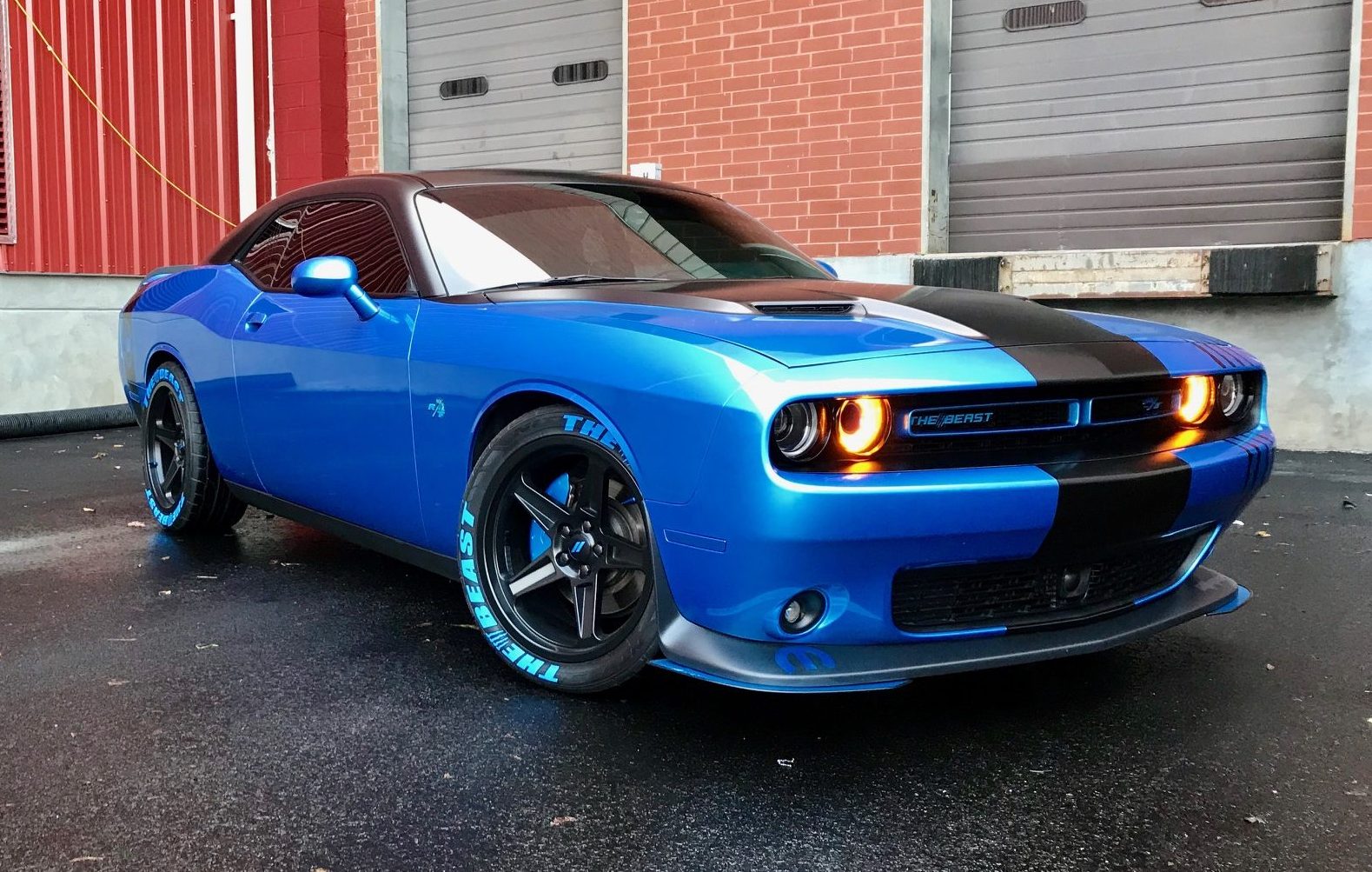
The Evolution of a Name: The Birth of a Corporate Identity
The genesis of the Mopar brand was not found in a high-octane marketing suite, but in a pragmatic need for organizational clarity. Launched by Chrysler Corporation in 1937, the term “Mopar” is a simple portmanteau of the words “Motor” and “Parts.” Originally, it was nothing more than a brand name for a line of antifreeze. However, the trajectory of the brand changed as Chrysler realized the potential for a unified parts and service identity.
From Antifreeze to Performance: The 1930s Genesis
In the early 20th century, the automotive aftermarket was fragmented. By consolidating its parts distribution under the Mopar banner, Chrysler created a centralized brand that promised reliability and OEM (Original Equipment Manufacturer) quality. This initial branding strategy was focused on trust. By placing the Mopar stamp on a component, the company was signaling to the consumer that the part met the rigorous standards of the factory. This laid the groundwork for “brand authority”—the idea that the manufacturer is the ultimate expert on the vehicle’s longevity.
Establishing Authority in the Aftermarket Sector
As the brand matured through the 1940s and 50s, Mopar transitioned from a product label to a service philosophy. It became the “all-in-one” solution for Chrysler, Dodge, and DeSoto owners. This era established the brand’s reliability. In the world of corporate identity, this phase is known as the “functional utility” stage. Mopar wasn’t cool yet; it was essential. However, the groundwork was being laid for a massive pivot that would redefine the brand’s DNA during the American performance boom of the 1960s.
Building the Muscle: Brand Strategy and Cultural Integration
The 1960s and early 70s represented the most significant transformation in the Mopar timeline. This is where the brand shifted from “parts” to “personality.” As the muscle car era took hold, Chrysler’s marketing teams recognized that performance enthusiasts didn’t just want parts; they wanted an identity. Mopar became the banner under which some of the most aggressive and visually striking vehicles in history were categorized.
The Scat Pack and Rapid Transit System: Marketing Performance
To solidify this new identity, the company launched legendary marketing campaigns like the “Scat Pack” for Dodge and the “Rapid Transit System” for Plymouth. These weren’t just car ads; they were lifestyle clubs. They utilized distinct logos—like the famous “bee” for the Scat Pack—and bright, high-impact colors with catchy names like “Plum Crazy” and “Go Mango.”
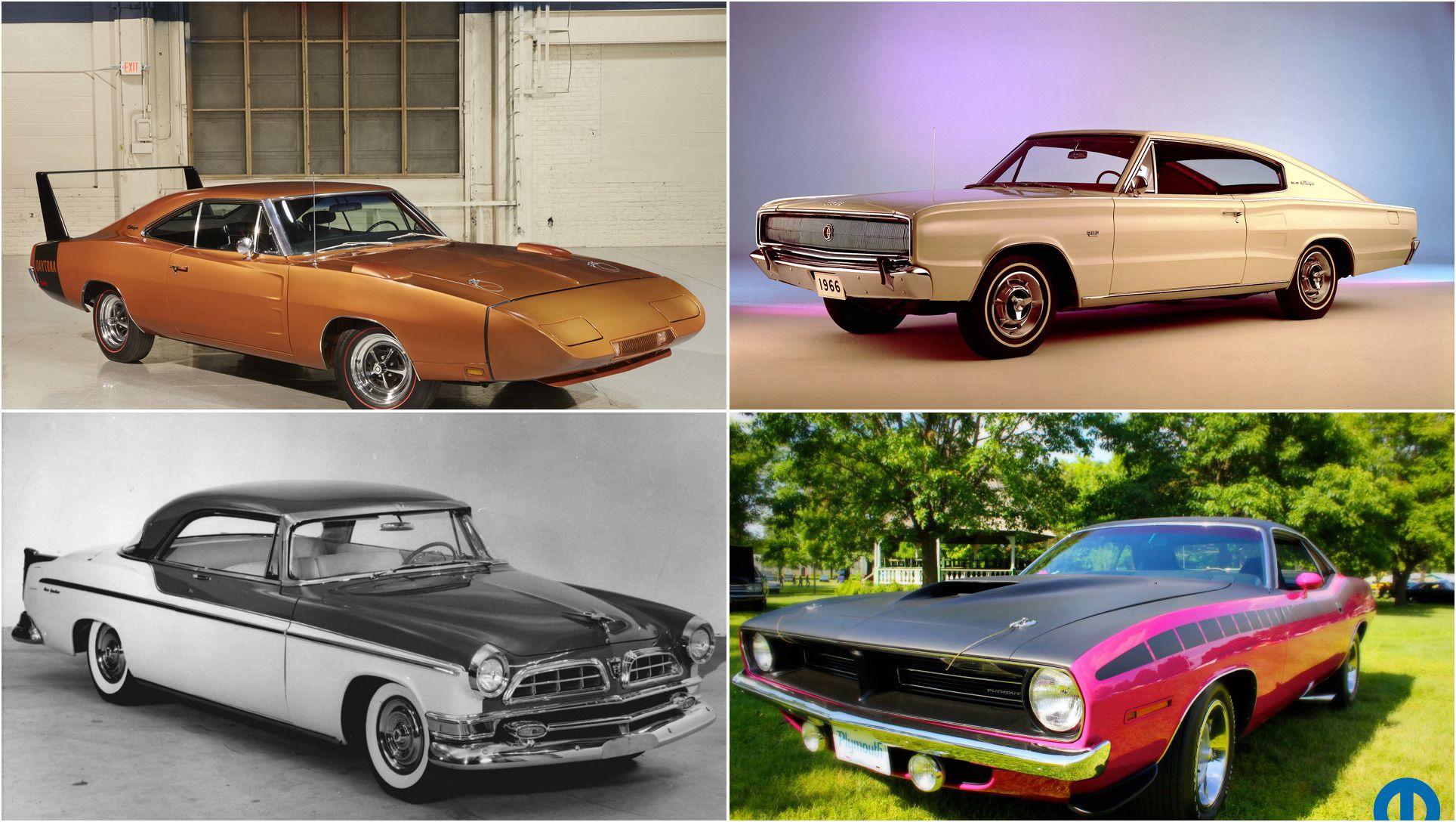
From a brand strategy perspective, this was a stroke of genius. It utilized “visual shorthand” to create an instant recognition of performance. When a consumer saw a Mopar logo at a drag strip, they didn’t think of antifreeze; they thought of HEMI engines and world-class speed. The brand had successfully migrated from the garage to the racetrack, gaining “street cred” that traditional advertising could never buy.
Cultivating Brand Loyalty through Community and Experience
The Mopar brand thrived because it fostered a sense of belonging. Through the publication of performance manuals and the sponsorship of racing teams, the brand became an active participant in its customers’ lives. This created a feedback loop: the more the brand supported the enthusiast community, the more the community promoted the brand. This is a classic example of “community-based branding,” where the consumer becomes a brand ambassador. Today, “Mopar” is often used as a collective noun for fans of Chrysler-affiliated vehicles, proving that the brand has successfully claimed a permanent space in the consumer’s self-identity.
The Mopar Halo Effect: Corporate Synergy and Brand Architecture
In the modern era, Mopar serves as the unified service and parts umbrella for Stellantis (formerly Fiat Chrysler Automobiles). Its role has expanded into a sophisticated brand architecture that bridges multiple distinct vehicle brands, including Jeep, Ram, Dodge, and Chrysler. This “halo effect” allows Mopar to provide a consistent customer experience across vastly different market segments.
Harmonizing Diversified Automotive Portfolios
One of the greatest challenges in corporate branding is maintaining a cohesive identity when managing a diverse portfolio. A Jeep Wrangler owner and a Ram 2500 owner have different needs and profiles. However, Mopar acts as the connective tissue. By providing “Mopar Authentic Accessories,” the brand offers a premium upgrade path for all Stellantis customers. Whether it is off-road kits for Jeep or performance exhausts for Dodge, the Mopar brand signifies a “factory-backed” guarantee that third-party competitors cannot match. This creates a powerful vertical integration strategy that keeps revenue within the corporate ecosystem.
Brand Equity in the Era of Electric Transition
As the automotive world pivots toward electrification (EVs), the Mopar brand is undergoing another strategic evolution. The brand recently introduced “e-Crate” motors—electric conversion kits for classic cars. This is a critical move for maintaining brand relevance. By signaling that Mopar is ready for the future of propulsion while still respecting the heritage of the past, the brand avoids the risk of becoming an anachronism. It is a forward-looking strategy that leverages decades of performance equity to sell a new, high-tech vision of the future.
Protecting the Legacy: Brand Strategy for the Modern Enthusiast
A brand as powerful as Mopar must be carefully managed to avoid dilution. In the 21st century, Mopar’s strategy has focused on two key pillars: high-margin personalization and global expansion. By treating the brand as a premium “pro-sumer” label, Stellantis has turned Mopar into a significant profit center that goes far beyond simple repair parts.
Licensing and Merchandising as Revenue Streams
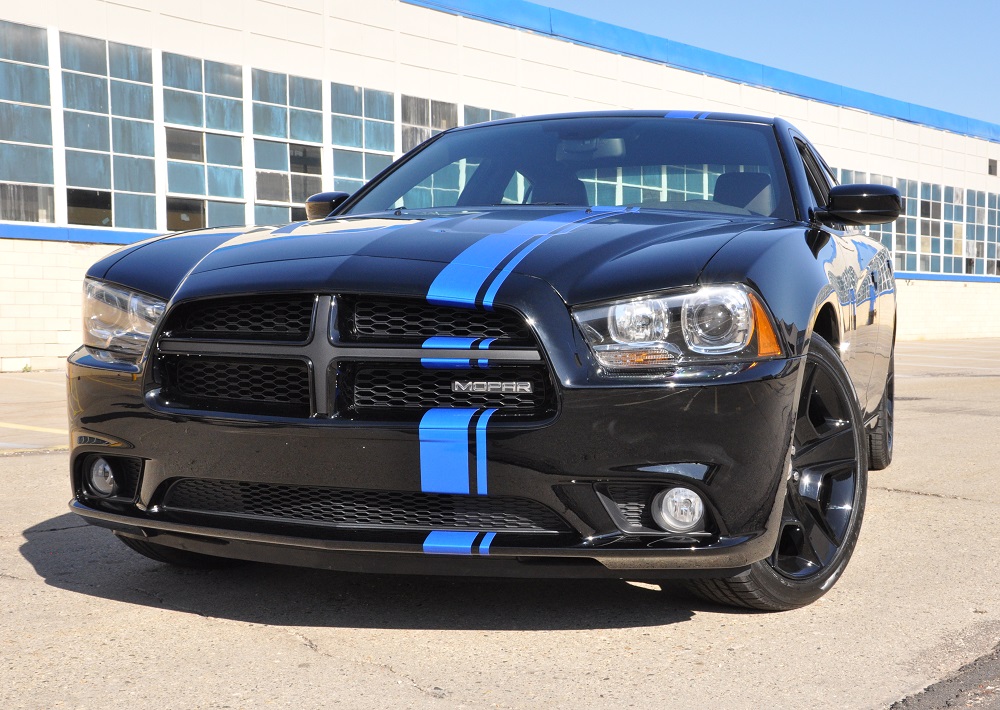
The Mopar logo is now a staple in apparel and lifestyle merchandise. From t-shirts in big-box retailers to high-end collectibles, the brand generates substantial revenue through licensing. This is “passive branding”—the logo does the work. When a person wears a Mopar hat, they are projecting an image of rugged American engineering and performance heritage. For the company, this represents a low-overhead revenue stream that simultaneously reinforces brand visibility in non-automotive spaces.
Global Brand Perception in a Saturated Market
As Stellantis expands its global footprint, Mopar is being introduced to new markets in Europe, Asia, and South America. The challenge lies in translating a quintessentially American brand identity into different cultural contexts. The strategy has been to lean into the “American Performance” mythos while emphasizing “Global Customer Care.” By positioning Mopar as the gold standard for vehicle maintenance and customization worldwide, the company ensures that the brand remains a valuable asset on the balance sheet, regardless of regional shifts in vehicle sales.
In conclusion, “Mopar” is far more than an abbreviation for motor parts. It is a multi-dimensional brand that has survived corporate mergers, economic downturns, and shifts in consumer taste. Its success lies in its ability to adapt: from a 1930s utility label to a 1960s cultural icon, and finally to a modern, high-tech service powerhouse. For any professional looking to understand the power of brand longevity, Mopar stands as a definitive example of how to build, maintain, and evolve a corporate identity that captures both the mind and the heart of the consumer.
aViewFromTheCave is a participant in the Amazon Services LLC Associates Program, an affiliate advertising program designed to provide a means for sites to earn advertising fees by advertising and linking to Amazon.com. Amazon, the Amazon logo, AmazonSupply, and the AmazonSupply logo are trademarks of Amazon.com, Inc. or its affiliates. As an Amazon Associate we earn affiliate commissions from qualifying purchases.