
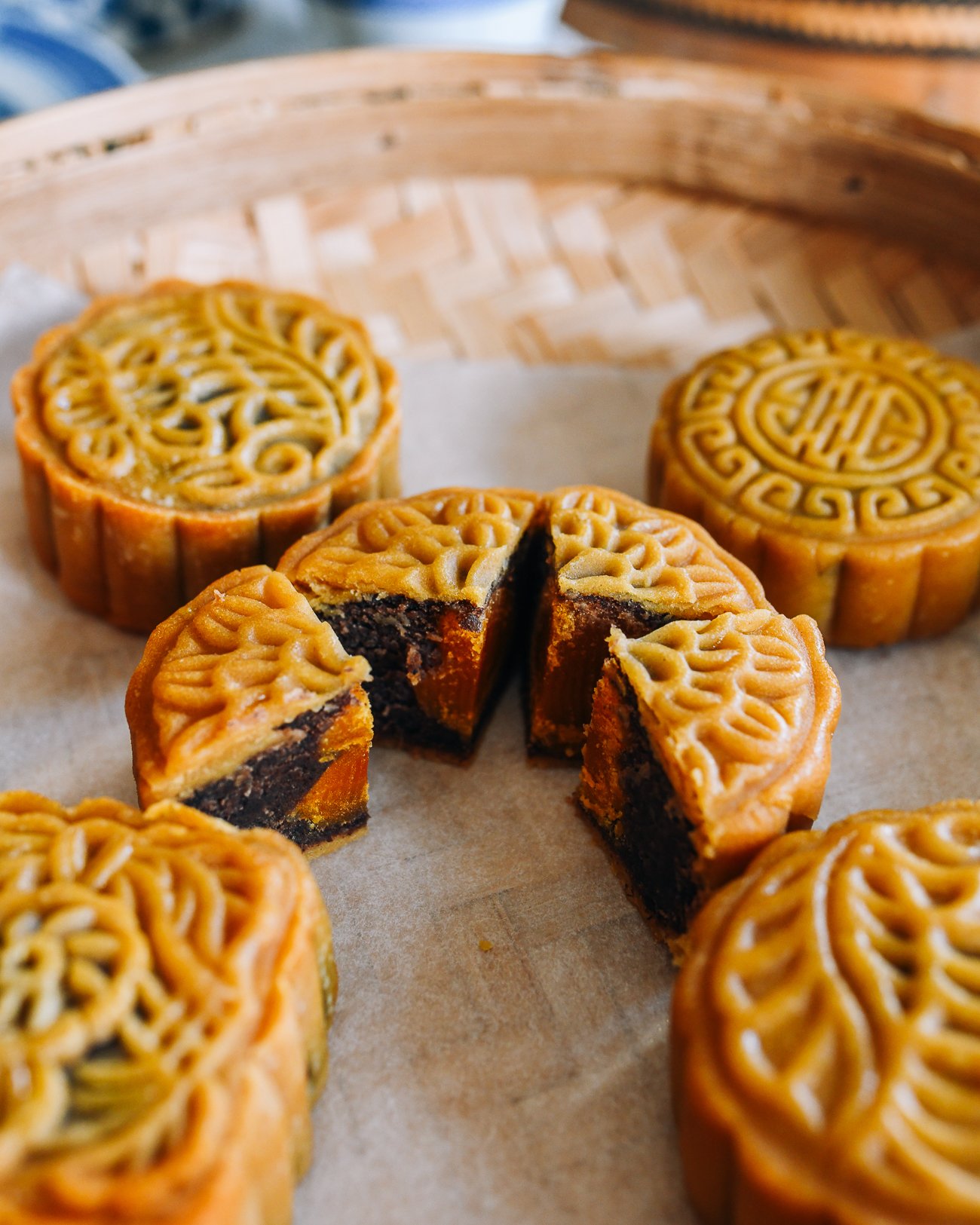
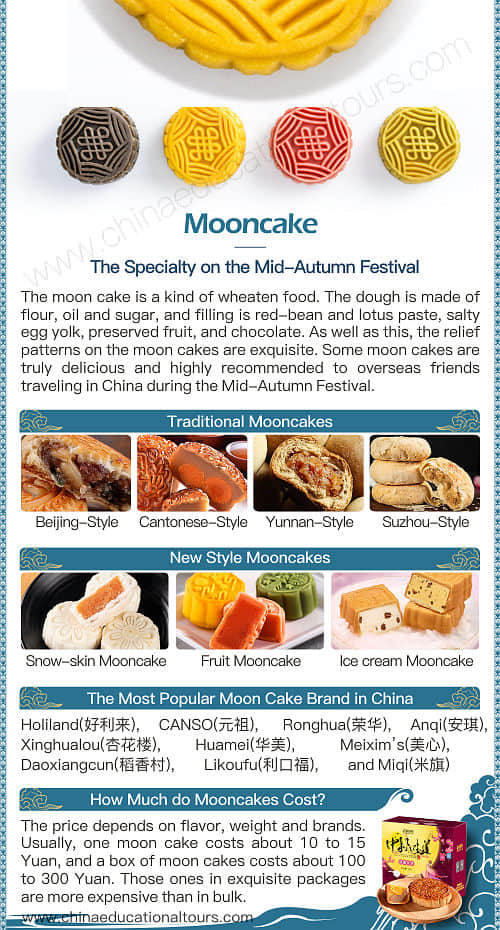
When we ask the question, “What are mooncakes made of?” the literalist might point to lotus seed paste, salted egg yolks, and a tender lard-based pastry. However, from the perspective of brand strategy and corporate identity, the ingredients of a mooncake are far more complex. In the modern global marketplace, mooncakes are made of heritage, social currency, high-stakes design, and strategic storytelling.
For brands operating in or eyeing the Asian market, the Mid-Autumn Festival is not merely a seasonal holiday; it is a critical touchpoint for brand equity. To understand what mooncakes are truly “made of” in a professional context, we must peel back the crust of the physical pastry and examine the layers of marketing and brand positioning that have transformed this traditional snack into a multi-billion-dollar luxury industry.

1. The Anatomy of a Cultural Icon: Ingredients of Brand Perception
In branding, perception is reality. When a consumer chooses a mooncake, they are rarely buying based on caloric density or nutritional value. They are purchasing a specific brand perception. The “ingredients” of this perception are rooted in a delicate balance between tradition and innovation.
Transcending the Physical Product
In the realm of brand strategy, the most successful mooncakes are made of “belonging.” For heritage brands like Maxim’s or Wing Wah, the core ingredient is nostalgia. Their brand strategy revolves around consistency—the idea that the taste of their lotus paste hasn’t changed in fifty years. This creates a brand promise of reliability and cultural continuity.
Conversely, for contemporary lifestyle brands like Starbucks or Lady M, the mooncake is made of “relevance.” By incorporating non-traditional ingredients like matcha, Earl Grey, or chocolate lava, these brands signal to a younger demographic that they are part of the modern cultural conversation. They aren’t just selling a pastry; they are selling a lifestyle update to a thousand-year-old tradition.
Tradition as a Brand Foundation
No matter how modern a brand becomes, the foundation of the mooncake must remain anchored in cultural symbolism. The roundness of the mooncake represents completeness and reunion. Brands that understand this “ingredient” ensure that their marketing collateral emphasizes family, connection, and gratitude. This emotional resonance is what allows brands to charge a premium that far exceeds the cost of the raw ingredients.
2. Luxury Ingredients: How High-End Brands Engineer Exclusivity
In the luxury sector, what mooncakes are made of takes a literal turn toward the extravagant. However, the true luxury ingredient is scarcity. For brands like Louis Vuitton, Dior, and Tiffany & Co., mooncakes are not a revenue stream—they are a tool for B2B relationship management and VIP retention.
The Collaboration Era (Co-branding)
A significant trend in recent years is the rise of the “co-branded” mooncake. When a luxury fashion house collaborates with a high-end hotel (like The Peninsula or Raffles), the mooncake is suddenly made of “prestige.” These collaborations allow both brands to leverage each other’s audiences.
The strategy here is to create a product that is “unbuyable.” Many of these luxury mooncakes are gifted exclusively to top-tier clients and influencers. The ingredient here is social proof. When an influencer posts an unboxing video of a limited-edition mooncake set, the brand is signaling its dominance in the cultural hierarchy. The physical mooncake becomes a secondary concern to the status it confers upon the recipient.
Premium Materials and Artisanship
To justify a high price point—sometimes reaching hundreds of dollars for a box of four—brands must infuse the product with perceived value. This is achieved through the use of rare ingredients like bird’s nest, truffle, or 24-karat gold leaf.
From a brand strategy perspective, these ingredients serve as “credibility markers.” They tell the consumer that the brand does not settle for the ordinary. By elevating the ingredients, the brand elevates its own corporate identity, positioning itself as a purveyor of the extraordinary.
3. The “Wrapper” Strategy: Packaging as Corporate Identity
If you ask a graphic designer what mooncakes are made of, they will tell you they are made of cardboard, silk, magnets, and LED lights. In the mooncake industry, the packaging is often more expensive and more strategically significant than the food inside. This is where brand identity is most tangibly expressed.
Sustainability vs. Opulence
In the current corporate landscape, brands face a strategic paradox: the need for opulent, “Instagrammable” packaging versus the corporate social responsibility (CSR) requirement for sustainability.
Forward-thinking brands are now making their mooncake boxes out of “utility.” We see boxes designed to be repurposed as jewelry cases, lanterns, or vanity organizers. This strategy extends the brand’s life in the consumer’s home long after the festival has ended. Every time the customer uses that repurposed box, the brand’s visual identity is reinforced. This is a masterclass in long-term brand presence.
Unboxing as a Marketing Experience
The “unboxing” experience is a crucial touchpoint in the digital-first brand journey. Mooncake packaging has evolved into elaborate mechanical puzzles and multi-layered displays. This is a deliberate brand strategy to encourage organic social media sharing.
When a box unfolds into a paper-cut diorama of the moon, the brand is creating an “experience” rather than a “product.” This experiential marketing ensures that the brand’s message—be it one of innovation, luxury, or artistic flair—is communicated clearly to the recipient’s entire social network.
4. Scaling the Seasonal Market: Distribution and Digital Presence
What are mooncakes made of in the age of e-commerce? They are made of data, logistics, and digital storytelling. The brand strategy must account for the compressed seasonal window, requiring a high-intensity marketing burst that starts weeks before the actual festival.
Influencer Marketing and Social Proof
The “ingredients” of a successful digital campaign for mooncakes include strategic partnerships with Key Opinion Leaders (KOLs). In markets like China, Singapore, and Vietnam, mooncake sales are heavily driven by live-streaming and social commerce.
Brands must curate their digital “ingredients” by ensuring their visual assets are optimized for platforms like Instagram, TikTok, and WeChat. The narrative shifted from “Our mooncakes taste the best” to “Our mooncakes are the most talked-about.” This transition from functional to social value is a hallmark of sophisticated brand positioning.
Global Expansion of Local Brands
As the Asian diaspora grows, mooncakes are being “re-made” for a global audience. Traditional brands are now utilizing digital marketing to reach customers in London, New York, and Sydney. The ingredient here is “cultural bridge-building.”
For a Western consumer, a mooncake might be an exotic novelty. For the brand, the strategy is to present the mooncake as an entry point into a rich cultural heritage. This requires a different set of brand ingredients: educational content, localized storytelling, and accessible packaging that explains the significance of the festival.
Conclusion: The Final Recipe for Brand Success
When we strip away the flour and the sugar, what are mooncakes made of? They are made of the strategic intentions of the companies that produce them. They are a physical manifestation of a brand’s ability to navigate tradition, command status, and engage with modern consumer culture.
A successful mooncake brand strategy requires:
- A Clear Brand Voice: Deciding whether to be the “Guardian of Tradition” or the “Disruptor of Taste.”
- Design Excellence: Recognizing that the box is the brand’s billboard.
- Emotional Resonance: Infusing the product with the “ingredient” of human connection.
In the end, the most successful mooncakes are not the ones that taste the best, but the ones that tell the most compelling story. For the modern brand, the mooncake is a yearly opportunity to redefine its identity, reward its loyalists, and secure its place in the cultural zeitgeist. Whether made of lotus paste or luxury leather, the mooncake remains one of the most powerful branding vehicles in the global economy.
aViewFromTheCave is a participant in the Amazon Services LLC Associates Program, an affiliate advertising program designed to provide a means for sites to earn advertising fees by advertising and linking to Amazon.com. Amazon, the Amazon logo, AmazonSupply, and the AmazonSupply logo are trademarks of Amazon.com, Inc. or its affiliates. As an Amazon Associate we earn affiliate commissions from qualifying purchases.