
In the rapidly evolving landscape of agricultural technology (AgTech), understanding the biological hardware of our food system is essential. When we ask, “What are monocots?” we are not merely asking a question of botany; we are inquiring about the primary engines of global food security and the focal point of billions of dollars in technological innovation. Monocots, or monocotyledons, represent one of the two major groups of flowering plants. However, in the context of modern technology, they are the high-performance assets of the natural world, encompassing staples like corn, wheat, rice, sugarcane, and barley.
For tech innovators, data scientists, and engineers, monocots represent a specific set of biological parameters that allow for scalable, automated, and precision-based cultivation. This article explores the intersection of monocot biology and the cutting-edge technology designed to optimize their growth, resilience, and yield.
Understanding the Monocot: The Biological Foundation of Global AgTech
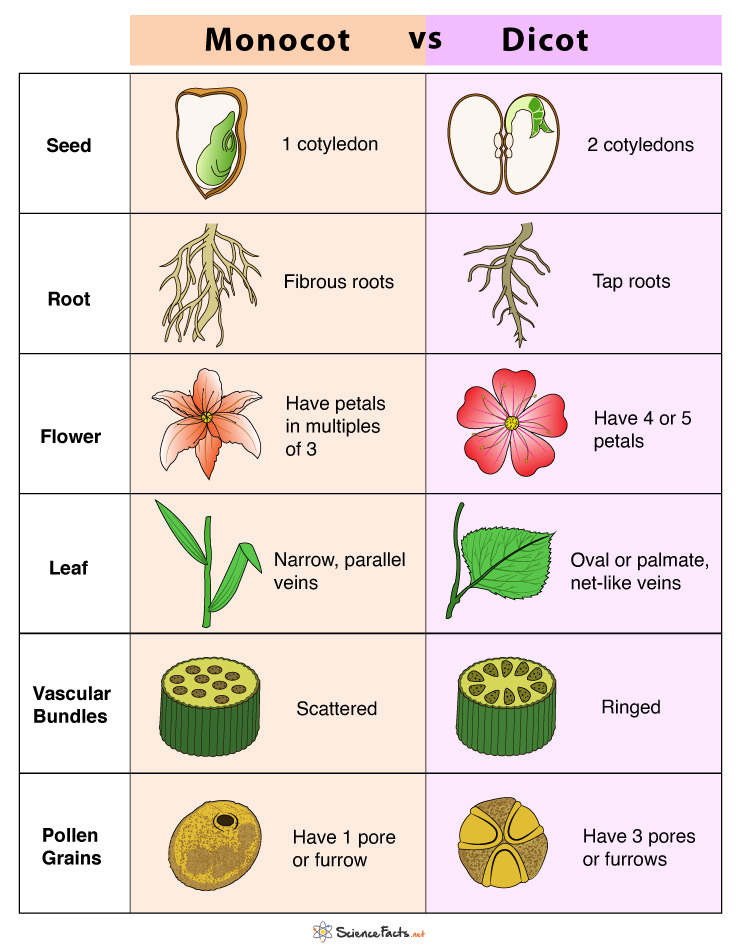
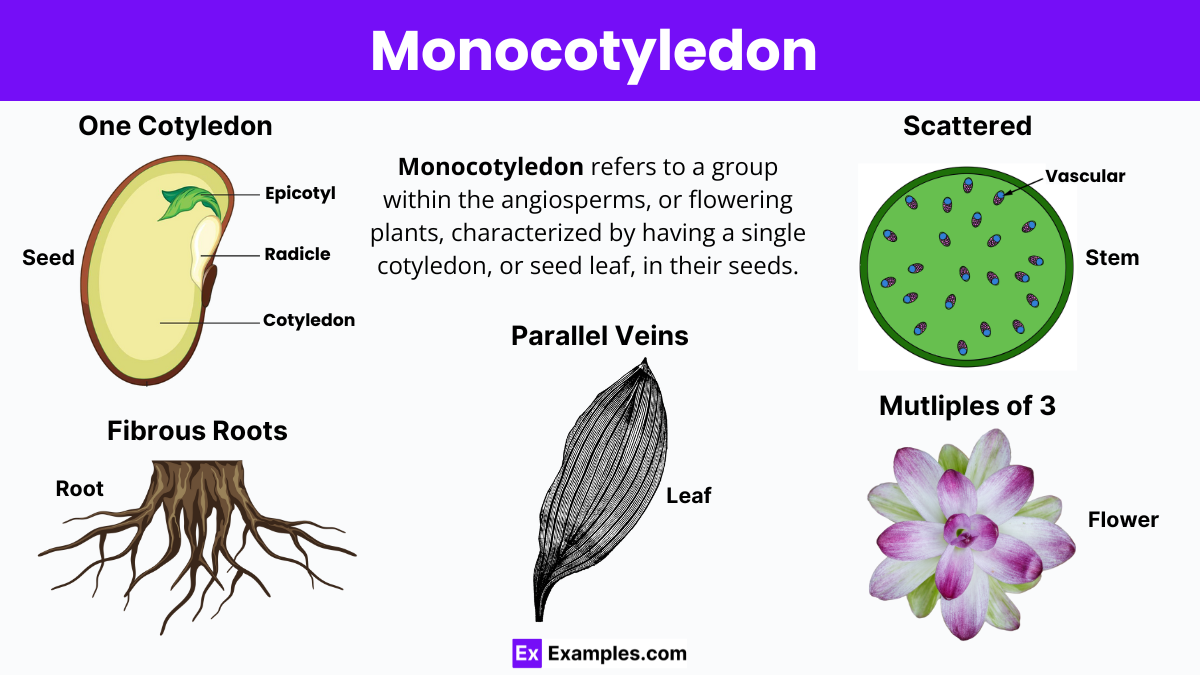
To leverage technology in agriculture, one must first understand the structural constraints and opportunities of the organism being managed. Monocots are defined by a single embryonic leaf (cotyledon) that emerges from the seed. From a tech perspective, this simplicity is an advantage for standardized processing and monitoring.
The Anatomy of Efficiency: From Single Cotyledons to Parallel Venation
Monocots possess several distinct physical traits that make them unique targets for agricultural technology. Unlike dicots (like beans or oak trees), monocots feature parallel leaf venation and a fibrous root system. Their vascular bundles are scattered throughout the stem rather than arranged in a ring.
For developers of computer vision and remote sensing tools, these structural features are vital. Parallel venation and uniform leaf shapes allow AI models to more easily identify stress markers or nutrient deficiencies. When a drone flies over a field of monocot crops like maize, the repetitive structural patterns allow for high-speed algorithmic analysis that would be significantly more complex in a chaotic forest or a mixed-vegetation orchard.
Why Monocots Dominate the Digital Farm Landscape
The reason monocots are at the center of the AgTech revolution is simple: they provide the vast majority of human caloric intake. Because crops like rice and wheat are grown in vast monocultures, they are the ideal candidates for “The Internet of Things” (IoT) integration. A field of monocots is essentially a biological grid. This grid-like nature allows for the deployment of soil sensors and autonomous machinery that can navigate with centimeter-level precision. In the tech sector, we view monocots as the “standardized units” of the biological world, allowing for a level of industrial automation that is difficult to achieve with more complex plant structures.
Precision Agriculture and Monocot Optimization
Precision agriculture is where software meets soil. Because monocots are often grown as seasonal row crops, they have become the primary testbed for advanced monitoring systems that utilize big data to maximize efficiency.
Sensor Integration for Corn and Wheat Canopy Management
In the cultivation of monocots, managing the “canopy”—the layer formed by the leaves—is crucial for photosynthesis optimization. Modern AgTech utilizes multispectral and hyperspectral imaging to monitor this canopy. By analyzing how monocot leaves reflect light, software can determine nitrogen levels, water stress, and chlorophyll content long before the human eye can see a problem.
IoT sensors placed within the fibrous root zones of monocot crops provide real-time data on soil moisture and salinity. This data is fed into cloud-based platforms that automatically trigger irrigation systems. Because monocots like sugarcane have specific growth stages that require varying amounts of water, these automated systems ensure that technology is precisely calibrated to the plant’s biological clock, reducing waste and increasing profit margins.
AI-Driven Phenotyping: Analyzing Monocot Growth Patterns
Artificial Intelligence has revolutionized how we understand monocot development. Through automated phenotyping, high-resolution cameras track the growth rate of individual plants in a field. AI algorithms analyze the “architecture” of the monocot—the angle of the leaves, the thickness of the stalk, and the timing of the flowering stage.
For tech companies, this data is gold. It allows for the creation of “digital twins” of monocot fields. By simulating different weather patterns or fertilizer applications on a digital model, farmers can predict outcomes with a high degree of accuracy. This predictive modeling is particularly effective with monocots because their growth stages are highly predictable and responsive to environmental inputs, making them the perfect subject for machine learning applications.

Genetic Engineering and the Future of Monocot Productivity
As the global population grows, the biological limits of traditional monocots are being pushed by biotechnology. The “Tech” in AgTech is increasingly moving inside the cell, where CRISPR and other gene-editing tools are rewriting the code of our most important crops.
CRISPR and the Evolution of Resilient Grains
Clustered Regularly Interspaced Short Palindromic Repeats (CRISPR) is perhaps the most significant technological leap in modern biology. In monocots, this tech is being used to edit specific genes to increase drought resistance and nutritional value. For example, rice—a vital monocot—is being genetically “reprogrammed” to survive in high-salinity water, a necessity as sea levels rise and affect coastal farming.
This is essentially “bio-software engineering.” Scientists identify a “bug” in the plant’s code—such as vulnerability to a specific fungus—and use molecular tools to “patch” the genome. This level of intervention ensures that the monocots of the future are not just natural organisms, but engineered solutions to global challenges.
Biotic and Abiotic Stress Resistance in Digital Breeding
Beyond direct gene editing, big data is transforming traditional breeding. Digital breeding platforms use genomic selection to predict which monocot hybrids will perform best in specific climates. By analyzing the DNA of thousands of seeds and cross-referencing that data with historical climate records, software can identify the optimal “genetic package” for a farmer in a specific GPS coordinate. This integration of genomics and data science is turning the development of new monocot varieties into a high-speed technological pipeline, reducing the time it takes to bring a new, resilient crop to market by several years.
The Role of Monocots in the Sustainable Tech Ecosystem
Sustainability is the new frontier of technology, and monocots are playing a pivotal role in the transition to a greener economy. From carbon sequestration to renewable energy, these plants are being leveraged as biological tools for environmental repair.
Vertical Farming: Reimagining Monocot Cultivation in Urban Hubs
While monocots like wheat are traditionally grown in massive outdoor fields, AgTech is moving them indoors. Vertical farming utilizes LED lighting, hydroponics, and climate-controlled environments to grow crops in urban centers. While leafy greens (dicots) were the first to be successful in this space, tech startups are now focusing on “dwarf” varieties of monocots like rice and corn.
These vertical farms are marvels of engineering. They utilize AI to adjust light wavelengths to accelerate the growth of monocots, effectively hacking their biological cycles. This technology reduces the need for pesticides and eliminates the carbon footprint of long-distance transportation, positioning monocots at the heart of the “Smart City” infrastructure.
Bio-Energy and Carbon Capture: The Industrial Tech Potential
Monocots like switchgrass and sugarcane are high-efficiency biomass producers. The energy tech sector is increasingly looking at these plants as a source of biofuels. Through advanced fermentation technologies and chemical engineering, the cellulose in monocots is converted into ethanol and other renewable fuels.
Furthermore, the fibrous root systems of certain monocots are being studied for their ability to sequester carbon in the soil. Tech-driven carbon credit markets rely on the ability to accurately measure how much CO2 a field of monocots can pull from the atmosphere. By using satellite telemetry and soil sensors, tech companies can quantify this carbon capture, turning a field of corn into a verifiable carbon sink. This creates a new financial and technological incentive for the preservation and optimization of monocot ecosystems.
Conclusion: The Digital Future of the Monocot
What are monocots? In the modern era, they are far more than a botanical category. They are the essential substrate upon which our modern technological world is built. From the AI that monitors their growth to the CRISPR sequences that define their resilience, monocots are at the center of a technological renaissance.
As we look toward the future, the integration of technology and monocot biology will only deepen. We are moving toward a world of “Autonomous Agriculture,” where self-driving machines, satellite arrays, and gene-edited crops work in a seamless, data-driven loop. For anyone involved in technology, understanding the monocot is crucial—it is the biological hardware that feeds the world and provides the foundation for the next generation of sustainable innovation. Through the lens of AgTech, the monocot is not just a plant; it is the most important technology on the planet.
aViewFromTheCave is a participant in the Amazon Services LLC Associates Program, an affiliate advertising program designed to provide a means for sites to earn advertising fees by advertising and linking to Amazon.com. Amazon, the Amazon logo, AmazonSupply, and the AmazonSupply logo are trademarks of Amazon.com, Inc. or its affiliates. As an Amazon Associate we earn affiliate commissions from qualifying purchases.