
In the landscape of modern material science, few innovations have permeated as many industries—or sparked as much technical debate—as the microfiber. Often dismissed by the casual observer as merely a soft fabric used for cleaning cloths or athletic wear, the microfiber represents a significant leap in synthetic polymer engineering. From a technical perspective, a microfiber is defined as a fiber with a linear density of less than one denier (approximately 1/6th the diameter of a human hair).
As we move deeper into an era of nanotechnology and precision manufacturing, understanding what microfibers are requires looking beyond the textile surface. It involves exploring the complex extrusion processes, the molecular structures of polymers, and the sophisticated filtration technologies designed to mitigate their environmental footprint. This article explores the technical architecture of microfibers, their critical role in high-tech industries, and the engineering innovations shaping their future.

1. The Engineering Behind Microfibers: A Feat of Modern Material Science
At its core, the production of microfiber is a triumph of chemical engineering. Unlike natural fibers like cotton or wool, which are limited by biological growth patterns, microfibers are synthesized through highly controlled industrial processes.
Defining the Micrometer Scale
To appreciate the “tech” in microfiber, one must understand the scale. A denier is a unit of measure for the linear mass density of fibers, defined as the mass in grams per 9,000 meters. Microfibers typically fall between 0.5 and 1.0 denier. When fibers drop below 0.3 denier, they are classified as “ultrafine” or “super-microfibers.” In a technical sense, this means a single pound of microfiber can wrap around the Earth several times. This extreme surface-area-to-mass ratio is the fundamental property that gives microfibers their unique capabilities, such as high absorbency and the ability to trap microscopic particles.
Melt-Blown vs. Bi-Component Spinning Tech
The manufacturing of these fibers generally follows two sophisticated pathways:
- Melt-Blowing: In this process, a polymer melt (usually polypropylene) is extruded through small nozzles surrounded by high-speed blowing gas. The hot air streams attenuate the filaments into ultra-fine diameters. This tech is crucial for creating the non-woven “webs” used in medical-grade N95 masks and HEPA filters.
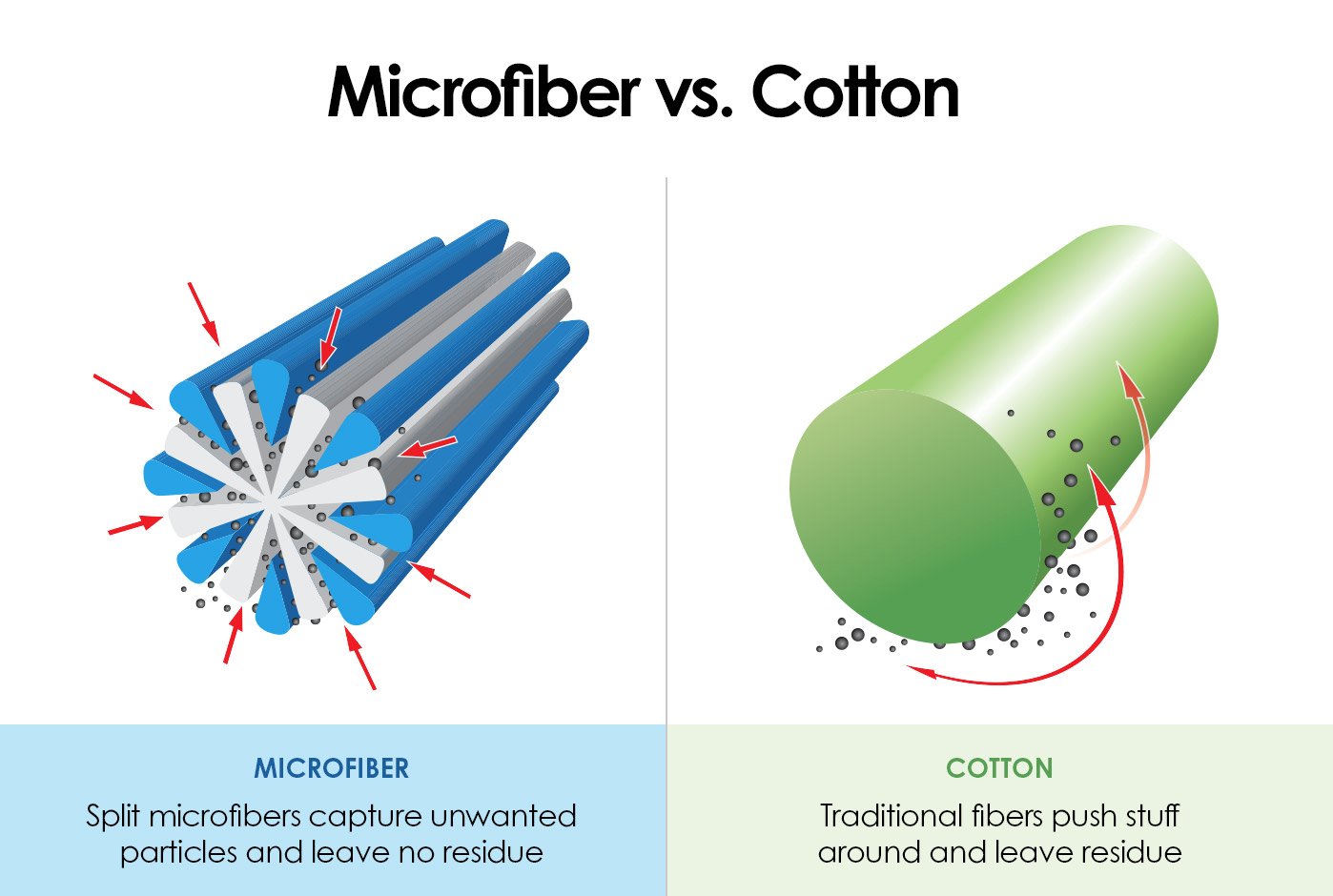
- Bi-Component Conjugate Spinning: This is perhaps the most advanced method used for high-end textiles. Two different polymers—typically polyester and polyamide (nylon)—are extruded together into a single filament. After the fabric is knitted or woven, it is treated with a chemical process that causes the two polymers to “split.” The resulting “split-fiber” creates a star-shaped cross-section. These microscopic channels are what allow microfiber to lift oils and dust without the need for chemical solvents, relying instead on Van der Waals forces at a molecular level.
2. Specialized Applications in Modern Technology
While the consumer market associates microfibers with towels and apparel, their most critical roles are found in high-stakes technical environments where precision and cleanliness are paramount.
Cleanroom Tech and Precision Electronics
In semiconductor fabrication and aerospace engineering, even a single speck of dust can render a multimillion-dollar component useless. Microfiber technology is the gold standard for “Cleanroom” environments. Specialized microfiber wipers are engineered to be “low-linting,” meaning the fibers are continuous filaments that do not break or shed. Because of their unique structure, these cloths can trap sub-micron particles within their internal channels rather than merely pushing them across a surface. In the world of optics, microfiber is the only material trusted to clean high-end camera lenses and telescope mirrors, as its softness prevents the abrasion of delicate anti-reflective coatings.
Smart Textiles and Wearable Integration
The next frontier of microfiber technology lies in “Smart Textiles.” Because microfibers are so thin, they can be woven with conductive materials or coated with metallic nanoparticles without losing their flexibility. Engineers are currently using microfibers as a substrate for wearable sensors. By integrating silver or carbon nanotubes into the fiber matrix, researchers have created “E-textiles” capable of monitoring heart rate, body temperature, and even muscle activity. The high surface area of microfibers ensures a consistent contact point with the skin, providing higher fidelity data than traditional conductive fabrics.
3. The Environmental Tech Challenge: Filtration and Bio-Engineering
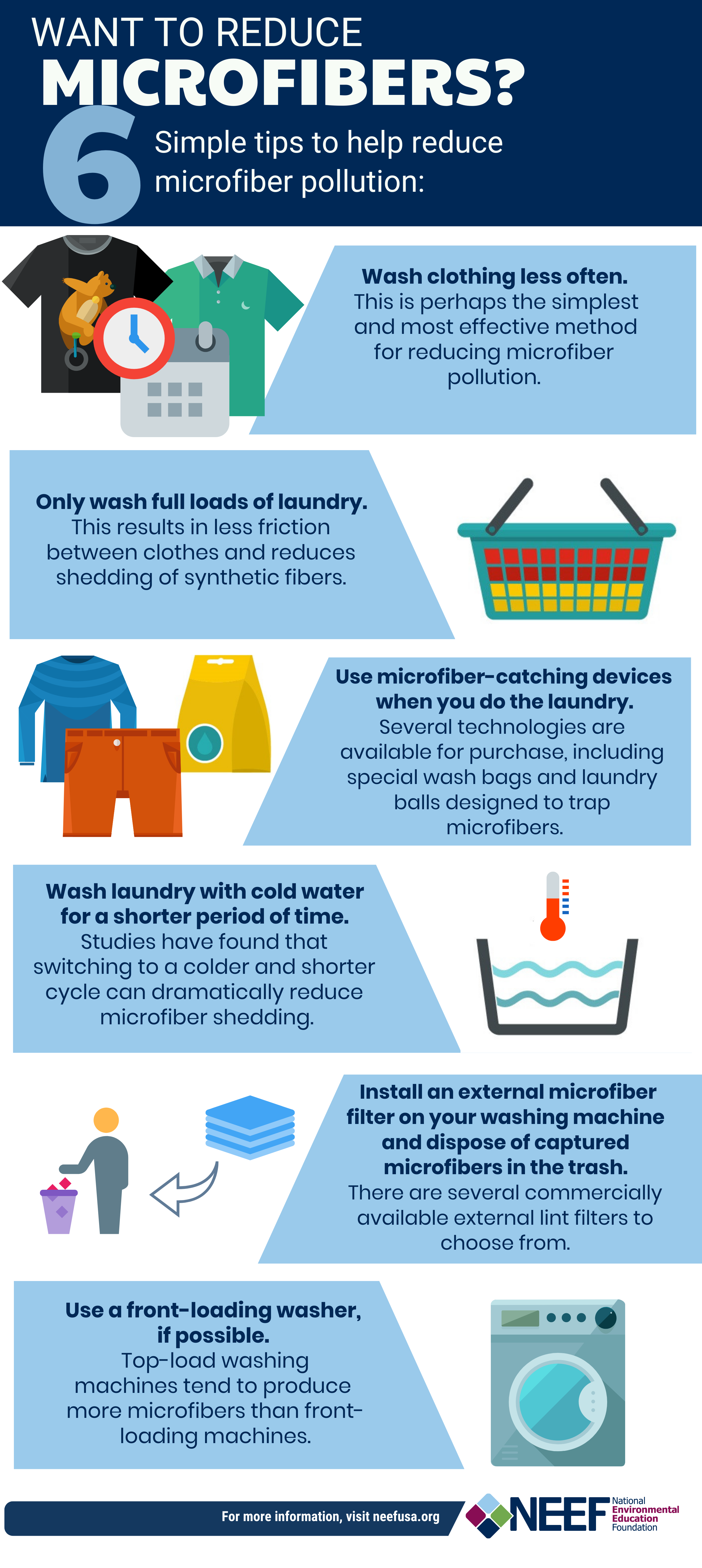
As with many breakthroughs in synthetic polymers, microfiber technology faces a significant challenge: microplastic pollution. When synthetic textiles are washed, thousands of microscopic fibers break off and enter the water supply. Addressing this is not just an ecological necessity but a massive technical hurdle for engineers.
Advanced Filtration Systems
The tech industry is currently innovating at the “point of release.” New generations of washing machines are being engineered with high-efficiency microfiber filters that utilize mesh technology capable of capturing particles as small as 45 microns. On an industrial scale, wastewater treatment plants are implementing advanced membrane bioreactors (MBRs) and electro-coagulation tech. These systems use electrical charges to clump microfibers together, making them easier to extract through mechanical filtration.
Innovations in Biodegradable Synthetic Polymers
Perhaps the most exciting tech development in this niche is the shift from petroleum-based polymers to bio-engineered alternatives. Scientists are developing “Bio-Microfibers” made from Polylactic Acid (PLA) derived from fermented plant starch or even lab-grown proteins. The goal is to create a fiber that retains the high-performance capillary action of traditional polyester but possesses the ability to break down into non-toxic components in marine environments. This requires precise molecular modeling to ensure that the fiber remains durable during its lifecycle but becomes “bio-available” to microbes once discarded.
4. The Future of Fiber Tech: Nanotechnology and Beyond
The evolution of microfiber is trending toward the “nano” scale. As we master the manipulation of matter at the atomic level, the line between a textile and a machine begins to blur.
Carbon Nanotubes and Conductive Fibers
Research labs are currently experimenting with incorporating carbon nanotubes into microfiber extrusion. This creates a fiber with the strength of steel and the conductivity of copper, yet the weight of a standard thread. In the tech sector, this has massive implications for the aerospace and automotive industries, where “lightweighting” is the primary goal for fuel efficiency and battery range. Imagine a vehicle where the upholstery also acts as the wiring harness or a heating element, all thanks to the conductive properties of engineered microfibers.
AI-Driven Molecular Modeling for Next-Gen Textiles
The design of future microfibers is increasingly being handled by Artificial Intelligence. Machine learning algorithms can simulate millions of different fiber cross-sections to find the one that provides the maximum surface area for a specific task—whether that is desalinating seawater, capturing CO2 from the atmosphere, or delivering time-released medication through a transdermal patch. By utilizing AI-driven molecular modeling, engineers can “program” the behavior of a fiber before a single gram of polymer is extruded.
Conclusion
To answer the question “what are microfibers” is to acknowledge one of the most versatile tools in the modern technological toolkit. They are not merely “small fibers”; they are highly engineered structures that leverage the laws of physics and chemistry to perform tasks that were once thought impossible. From the cleanrooms that build our smartphones to the smart fabrics that will monitor our health, microfibers are a foundational technology of the 21st century.
As the industry moves forward, the focus will remain on balancing performance with sustainability. The transition from traditional synthetic extrusion to bio-engineered, AI-optimized nanofibers represents the next great shift in material science. For tech enthusiasts and engineers alike, the microfiber is a reminder that even the smallest components can have the largest impact on our technological trajectory. Through continued innovation in filtration, conductivity, and molecular design, microfiber technology will continue to weave itself into the fabric of our digital and physical future.
aViewFromTheCave is a participant in the Amazon Services LLC Associates Program, an affiliate advertising program designed to provide a means for sites to earn advertising fees by advertising and linking to Amazon.com. Amazon, the Amazon logo, AmazonSupply, and the AmazonSupply logo are trademarks of Amazon.com, Inc. or its affiliates. As an Amazon Associate we earn affiliate commissions from qualifying purchases.