
The phrase “what are MDMA pills” often triggers immediate thoughts of pharmacology, psychological effects, or legal implications. However, beneath these surface considerations lies a vast, intricate, and often dangerous global economic system. Methylenedioxymethamphetamine (MDMA), commonly known as ecstasy or molly, is a synthetic drug renowned for its psychoactive effects. Its production, distribution, and consumption are not just social phenomena but central components of a multi-billion dollar illicit market. Understanding MDMA pills from a “Money” perspective requires delving into the financial mechanisms that sustain this shadow economy, from supply chain logistics and pricing models to the innovative financial tools employed by traffickers and the profound economic costs borne by individuals and societies. This article will explore the clandestine financial landscape surrounding MDMA pills, highlighting the monetary strategies, risks, and societal burdens associated with this illicit trade.

The Dark Economy of MDMA: Supply Chains and Profit Margins
The journey of an MDMA pill from its raw chemical precursors to the hands of a consumer is a complex and highly profitable venture, driven by an underground financial engine. This illicit supply chain operates outside conventional economic regulations, yet adheres to its own harsh market principles of supply, demand, and risk assessment.
From Production to Street: Unpacking the Costs
The initial phase of the MDMA pill economy begins with the sourcing of precursor chemicals. The primary precursor, safrole, is often derived from sassafras oil and is increasingly difficult to obtain legally due to its controlled status. Manufacturers, often operating in clandestine laboratories in regions with lax oversight, bear the initial production costs, which include not only the chemicals but also equipment, security, and labor. These laboratories are typically highly organized operations, resembling small-scale industrial chemical plants, requiring significant capital investment.
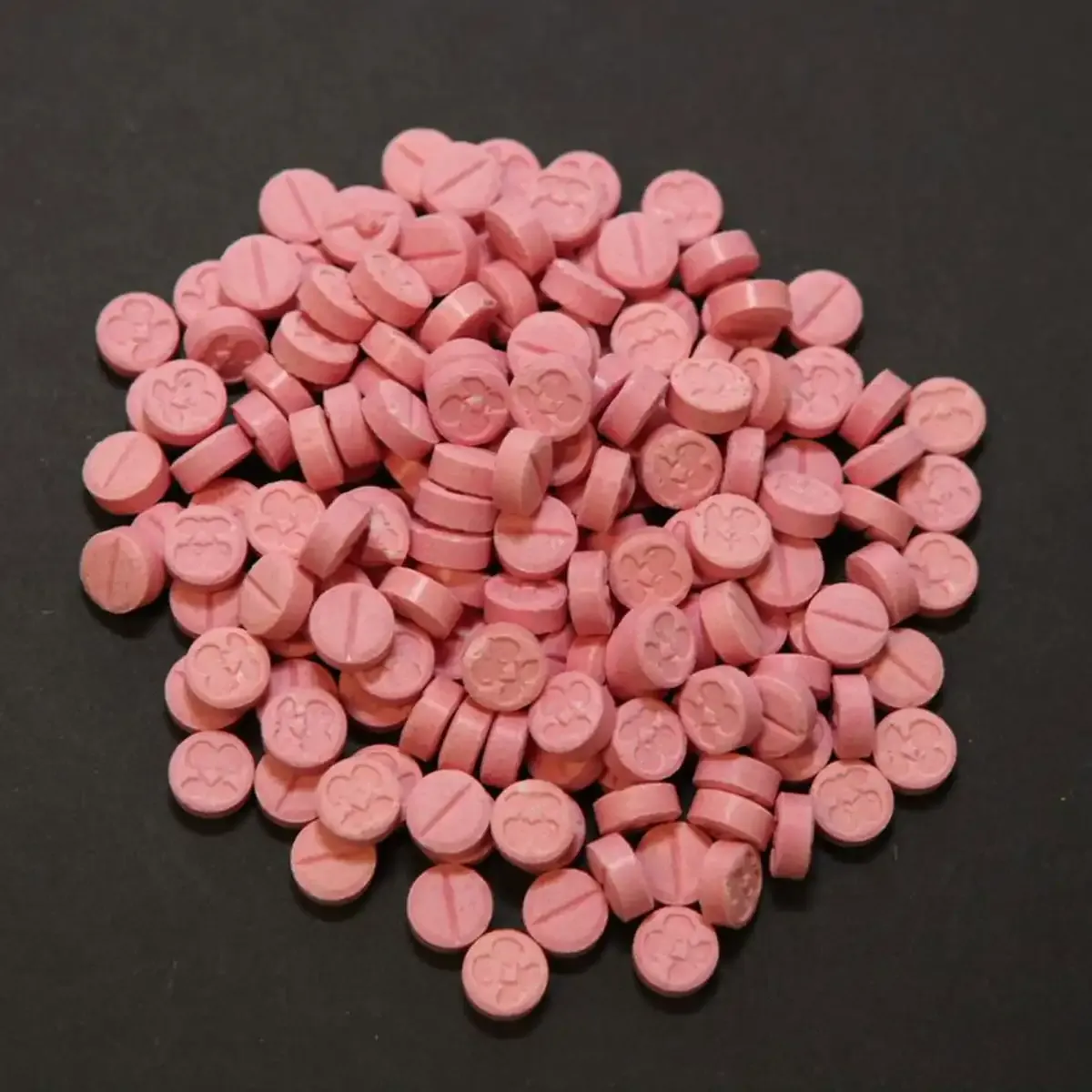
Once MDMA in powder form is synthesized, it undergoes a transformation into pills or crystals, often pressed with specific logos or designs to create a ‘brand’ in the illicit market, a form of quality assurance or differentiation for users. The cost of pressing equipment, binders, and dyes adds another layer to production expenses. These operational costs are relatively low per pill once a lab is established, allowing for substantial profit margins. A kilogram of MDMA, costing perhaps a few thousand dollars to produce, can yield tens of thousands of pills, each fetching anywhere from $5 to $50 or more on the street, depending on purity, local demand, and perceived potency. This exponential markup demonstrates the staggering profitability driving the trade.
The pills then enter the distribution network, which involves multiple layers of traffickers, from wholesale importers to regional distributors and finally street-level dealers. Each tier adds its own markup, covering transportation costs, storage, and remuneration for risk-takers involved in smuggling across international borders or within national territories. These risks are financial – potential seizure of product, arrest, and legal penalties – and are factored into the pricing model, demanding higher profit margins for greater perceived danger. The entire process is a masterclass in illicit business finance, optimizing for maximum return on investment while mitigating the constant threat of law enforcement intervention.
The Role of Cryptocurrency in Illicit Transactions
The digital age has revolutionized illicit finance, and the MDMA pill trade is no exception. Traditional cash transactions, while still prevalent, carry significant risks of detection, confiscation, and physical security threats. Cryptocurrency, particularly Bitcoin and Monero, has emerged as a preferred financial tool for large-scale MDMA transactions, especially those conducted via darknet markets.
Cryptocurrencies offer a veneer of anonymity, allowing buyers and sellers to conduct transactions without directly linking to conventional banking systems. This decentralization makes it challenging for law enforcement to trace funds, although advanced blockchain analysis techniques are constantly evolving. The financial appeal of crypto lies in its ability to facilitate cross-border payments instantly and with relatively low transaction fees compared to traditional money laundering methods. Suppliers can receive payments from distributors across continents in minutes, streamlining the flow of capital and product.
However, using cryptocurrency is not without financial risk. The volatility of crypto markets means that the value of funds can fluctuate significantly between the time of a transaction and when the recipient converts it to fiat currency. Furthermore, the technical complexity of managing digital wallets and securing private keys introduces risks of theft or loss, particularly in an environment where recourse for financial fraud is non-existent. Despite these challenges, the perceived benefits of anonymity and global reach have cemented cryptocurrency’s role as a vital financial artery for the illicit MDMA trade, fundamentally altering how money flows within this shadow economy.
Financial Tools and Digital Platforms in the Drug Trade
The proliferation of internet technologies and digital financial innovations has created new avenues for the illicit MDMA trade, moving transactions from dark alleys to encrypted online platforms. These platforms serve as crucial financial gateways, connecting buyers and sellers across the globe with a degree of discretion previously unattainable.
Darknet Markets as Financial Gateways
Darknet markets are encrypted online marketplaces accessible only through specialized software like Tor. They function as illicit e-commerce sites, listing MDMA pills alongside a vast array of other illegal goods and services. For the MDMA trade, these markets are invaluable financial gateways. Sellers (producers or large distributors) set up vendor accounts, displaying their product offerings, pricing (often in cryptocurrency equivalents), and shipping options. Buyers browse these listings, place orders, and make payments using cryptocurrencies.
The financial infrastructure of darknet markets often includes escrow services, where the payment is held by the market administrator until the buyer confirms receipt of the product. This mechanism, designed to mitigate fraud in a trustless environment, is a sophisticated financial tool that mirrors legitimate e-commerce platforms. The market charges a commission on each transaction, generating significant income for its operators, who effectively act as illicit financial intermediaries. These commissions are often collected in cryptocurrency, further obscuring the flow of funds. The existence of vendor ratings and reviews also creates a form of reputation economy, influencing pricing and trust in a financially risky environment.
Anonymity and Transactional Risks
The allure of anonymity is a primary driver for the use of darknet markets and cryptocurrencies in the MDMA trade. For sellers, anonymity helps avoid detection by law enforcement, protecting their financial assets and physical freedom. For buyers, it offers a perceived shield against legal repercussions and helps them circumvent traditional financial tracking. However, this anonymity is often fragile and comes with significant transactional risks.
One major financial risk is the potential for scams. Buyers might pay for MDMA pills that are never shipped, or sellers might receive payments in cryptocurrencies that are later revealed to be from fraudulent sources. Since these are illicit transactions, there is no legal recourse or consumer protection. The escrow system attempts to mitigate this, but it relies on the integrity of the market administrators, who themselves operate illegally and can disappear with funds in “exit scams.”
Furthermore, while cryptocurrency transactions are pseudo-anonymous, they are not entirely untraceable. Law enforcement agencies are continually enhancing their capabilities in blockchain forensics, sometimes leading to the identification and seizure of illicit funds. The process of converting cryptocurrency back into traditional fiat currency often requires interaction with regulated exchanges, which can demand identity verification, creating a vulnerable point for financial tracking. The constant cat-and-mouse game between illicit financiers and law enforcement highlights the dynamic and high-stakes nature of financial transactions in the MDMA pill economy.
The Hidden Financial Costs to Individuals and Society
Beyond the immediate market dynamics, the illicit trade and consumption of MDMA pills impose staggering financial burdens, affecting individuals, families, and public resources alike. These hidden costs are often overlooked when discussing the economics of drug use but are critical to understanding its broader financial impact.
Legal Ramifications and Economic Penalties
For individuals involved in any aspect of the MDMA pill trade, from manufacturing and distribution to possession, the financial penalties are severe. Arrest and prosecution for drug-related offenses can lead to substantial legal fees, often running into tens of thousands of dollars, even before any conviction. Bail amounts can be prohibitive, requiring significant financial outlay or the pledging of assets. If convicted, individuals face hefty fines imposed by the courts, potentially leading to financial ruin.
Beyond direct fines, imprisonment carries an immense economic cost. Incarceration means a loss of legitimate income and employment opportunities, severely impacting an individual’s financial stability and their family’s economic well-being. Upon release, a criminal record significantly hinders future employment prospects, reducing earning potential and creating long-term financial hardship. Assets derived from or used in drug trafficking can also be seized through forfeiture laws, further decimating personal wealth. For society, the financial burden of the justice system – including law enforcement operations, court costs, and incarceration expenses – is colossal, draining public funds that could otherwise be allocated to productive social programs.
The Burden of Addiction and Rehabilitation Costs
The financial impact of MDMA use extends beyond legal consequences to the costly battle against addiction. While MDMA is not typically associated with the same level of physical dependence as some other drugs, psychological dependence can occur, leading to compulsive use. Individuals struggling with problematic MDMA use may experience declining work performance, job loss, or difficulty maintaining employment, directly impacting their income and financial independence. The cost of repeatedly purchasing MDMA pills can also accumulate quickly, diverting significant portions of disposable income or even essential funds away from necessities.
For those seeking help, the costs of rehabilitation and treatment can be substantial. Inpatient and outpatient drug treatment programs, therapy, and ongoing support services often involve considerable fees, which may not be fully covered by insurance or accessible to everyone. Families often bear a significant portion of these financial burdens, struggling to support loved ones through recovery while dealing with their own emotional and financial strain. Public health systems also incur costs related to emergency room visits for adverse reactions, mental health support services, and long-term care for individuals whose health has been compromised by drug use. These expenses represent a significant diversion of both private and public financial resources, underscoring the deep economic footprint of illicit substances.
Disrupting Illicit Financial Flows: Counter-Measures and Challenges
Recognizing the vast financial ecosystem underpinning the MDMA pill trade, law enforcement and international organizations are increasingly focusing on disrupting these illicit financial flows. This involves sophisticated strategies aimed at tracing, seizing, and preventing the movement of drug money.
Law Enforcement Strategies in Digital Finance
Law enforcement agencies globally have adapted their strategies to combat the financial mechanisms of the MDMA trade in the digital age. This includes specialized units dedicated to cryptocurrency forensics, employing advanced software to analyze blockchain transactions and identify patterns that could link to illicit activities. They work to “deanonymize” transactions by correlating on-chain data with off-chain intelligence, such as exchange records or IP addresses.
Beyond tracing, agencies are actively targeting the financial infrastructure of darknet markets. This involves intelligence gathering, infiltration, and coordinated international operations to identify and shut down these platforms, seizing their servers and the cryptocurrency holdings within their escrow systems. Such operations, like the takedown of major darknet markets, represent significant financial blows to the illicit drug trade, disrupting supply chains and confiscating millions in illicit gains. Furthermore, collaboration with financial institutions is crucial to identify and freeze bank accounts used for converting cryptocurrency to fiat, effectively severing the connection to the legitimate financial system.

Global Cooperation Against Drug Money Laundering
The transnational nature of the MDMA pill trade demands a robust global response to its financial underpinnings. International cooperation is paramount in combating drug money laundering. Organizations like the Financial Action Task Force (FATF) set global standards for anti-money laundering (AML) and counter-terrorist financing (CTF), urging member countries to implement strict regulations for financial institutions and virtual asset service providers. These standards aim to increase transparency in financial transactions and make it harder for drug traffickers to clean their illicit profits.
Information sharing between national financial intelligence units (FIUs) allows for the tracking of suspicious financial activities across borders, helping to piece together complex money laundering schemes. Joint law enforcement operations, facilitated by Interpol and Europol, specifically target the financial networks behind international drug syndicates, including those involved in MDMA production and distribution. These collaborative efforts extend to capacity building in developing nations, helping them establish stronger financial regulatory frameworks and enforcement capabilities. Despite these efforts, the highly adaptable nature of illicit financial actors, coupled with the rapid evolution of financial technologies, presents an ongoing challenge, demanding continuous innovation and vigilance in the global fight against drug money.
In conclusion, understanding “what are MDMA pills” necessitates looking beyond their chemical composition and immediate effects to grasp the extensive, intricate, and deeply impactful financial ecosystem that enables their existence. From the clandestine capital investments in precursor chemicals and manufacturing to the sophisticated use of cryptocurrencies and darknet markets for transactions, the illicit MDMA trade is a complex financial enterprise. The severe economic penalties for individuals involved, coupled with the societal burden of legal and public health costs, underscore the profound financial implications. Disrupting these illicit financial flows requires concerted global efforts, advanced digital forensics, and robust international cooperation, emphasizing that the battle against MDMA pills is as much a financial one as it is a legal or public health challenge.
aViewFromTheCave is a participant in the Amazon Services LLC Associates Program, an affiliate advertising program designed to provide a means for sites to earn advertising fees by advertising and linking to Amazon.com. Amazon, the Amazon logo, AmazonSupply, and the AmazonSupply logo are trademarks of Amazon.com, Inc. or its affiliates. As an Amazon Associate we earn affiliate commissions from qualifying purchases.