
In today’s rapidly evolving landscape, the pursuit of knowledge and advanced skills has become paramount. As career paths become more specialized and industries demand higher levels of expertise, the question “What are Master’s degrees?” arises for many ambitious individuals. Far more than just an academic continuation, a Master’s degree represents a significant investment in oneself, offering the potential to unlock new career opportunities, deepen specialized knowledge, and elevate professional standing. This article will explore the multifaceted nature of Master’s degrees, examining their value through the lenses of the three core pillars of our website: Tech, Brand, and Money.
Understanding the Core of a Master’s Degree
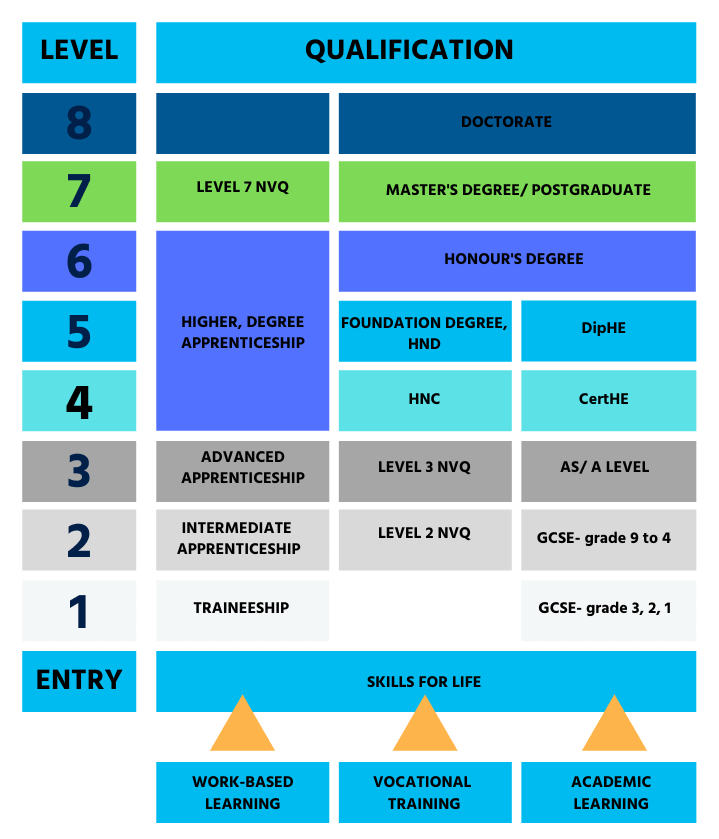
At its heart, a Master’s degree is a postgraduate academic degree awarded by universities and colleges upon completion of a course of study demonstrating a high level of expertise in a specific field. Unlike a Bachelor’s degree, which provides a broad foundational education, a Master’s program typically delves deeply into a particular discipline, offering specialized knowledge, advanced research methodologies, and often, practical application.
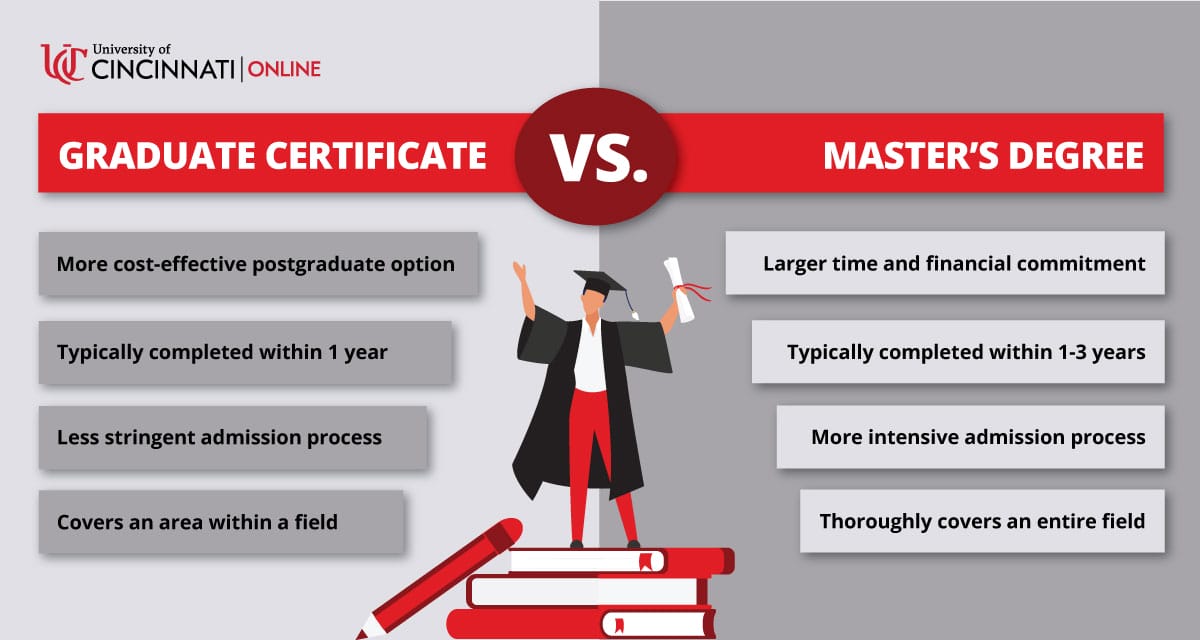
The journey to a Master’s degree usually involves rigorous coursework, in-depth research, and often a culminating project, thesis, or dissertation. This process is designed to hone critical thinking, analytical skills, and the ability to contribute new knowledge or innovative solutions within a chosen domain. The duration of a Master’s program can vary, but most programs are completed within one to three years of full-time study, though part-time options are increasingly common.
Different Flavors of Master’s Degrees
While the overarching goal is advanced specialization, Master’s degrees manifest in various forms, each suited to different career aspirations and learning styles. Understanding these distinctions is crucial when considering whether a Master’s is the right step for you.
The Master of Arts (MA) and Master of Science (MS)
The most common Master’s degrees, the Master of Arts (MA) and Master of Science (MS), often differentiate based on the subject matter. Generally, MA degrees are awarded in humanities, social sciences, and some interdisciplinary fields, emphasizing theoretical understanding, critical analysis, and often, a strong component of research. MS degrees, on the other hand, are typically awarded in STEM fields (Science, Technology, Engineering, and Mathematics) and often involve more quantitative analysis, laboratory work, and applied research. However, the lines can blur, with some universities offering an MS in fields traditionally associated with humanities, and vice versa, reflecting the interdisciplinary nature of modern academia.
Professional Master’s Degrees
Beyond the traditional MA and MS, a growing number of professional Master’s degrees are designed to equip graduates with specialized skills for direct entry or advancement in specific industries. These programs often strike a balance between theoretical knowledge and practical, real-world application. Examples include:
- Master of Business Administration (MBA): Perhaps the most renowned professional Master’s, the MBA focuses on general management principles, leadership, finance, marketing, and strategy. It’s a popular choice for individuals looking to transition into management roles or start their own businesses.
- Master of Engineering (MEng) or Master of Science in Engineering (MSE): These degrees offer advanced specialization in various engineering disciplines, preparing graduates for complex design, research, and development roles.
- Master of Fine Arts (MFA): For aspiring artists, writers, and designers, the MFA is a terminal degree that signifies mastery of creative skills and often involves the creation of a significant body of work.
- Master of Public Health (MPH): This degree focuses on the principles and practices of public health, preparing graduates for roles in disease prevention, health promotion, and policy development.
- Master of Laws (LLM): For legal professionals, an LLM offers advanced specialization in a particular area of law, such as international law, intellectual property, or criminal justice.
The distinguishing feature of professional Master’s degrees is their direct relevance to specific career paths, often incorporating internships, capstone projects with industry partners, and a curriculum tailored to meet current market demands.
The Tangible Benefits: How a Master’s Degree Fuels Your Journey
The decision to pursue a Master’s degree is a significant one, often requiring considerable time, financial resources, and personal dedication. However, the return on investment can be substantial, impacting various facets of your professional and personal life. Examining these benefits through the lens of Tech, Brand, and Money reveals a compelling case for advanced education.
Enhancing Your Tech Prowess and Innovation
In the rapidly accelerating world of technology, staying ahead requires continuous learning and the acquisition of specialized skills. A Master’s degree can be a powerful catalyst for growth in this domain.
Deepening Technical Expertise and Specialization
The tech industry is characterized by constant innovation. While a Bachelor’s degree provides a solid foundation, a Master’s allows for deep specialization in areas like Artificial Intelligence (AI), Machine Learning, Cybersecurity, Data Science, Cloud Computing, Software Engineering, or specific programming languages and frameworks. For example, a Master’s in Computer Science with a specialization in AI can equip you with the theoretical underpinnings and practical skills to develop cutting-edge AI algorithms, design intelligent systems, and contribute to the ethical development of AI technologies. This level of expertise is highly sought after by leading tech companies, research institutions, and innovative startups.
Driving Innovation and Research
Many Master’s programs emphasize research and development, providing students with the opportunity to contribute to the advancement of technology. Whether it’s developing a novel application, designing a more efficient algorithm, or exploring the ethical implications of emerging tech, a Master’s degree often involves a significant research project. This hands-on experience not only hones your problem-solving skills but also positions you as a potential innovator and thought leader within your field. Graduates of research-oriented Master’s programs are often sought after for R&D positions, academic research, and roles that require pushing the boundaries of technological possibility.
Navigating Complex Digital Landscapes
The increasing complexity of digital ecosystems requires professionals who can understand and navigate them effectively. A Master’s degree can provide the analytical frameworks and specialized knowledge needed to tackle challenges in areas like digital security, data privacy, and the ethical deployment of technology. For instance, a Master’s in Information Security can prepare you to design and implement robust security strategies, protect sensitive data, and respond to cyber threats. Similarly, a Master’s in Human-Computer Interaction can help you design intuitive and user-friendly digital interfaces for apps and software, enhancing user experience and driving adoption.

Elevating Your Brand and Professional Reputation
In any profession, your personal and corporate brand plays a crucial role in your success. A Master’s degree can significantly bolster both, opening doors to leadership opportunities and enhancing your credibility.
Building a Strong Personal Brand
In competitive fields, a Master’s degree acts as a powerful differentiator. It signals a commitment to excellence, a dedication to lifelong learning, and a higher level of competence. This can translate into increased visibility, respect, and trust within your professional network. When you’ve earned a Master’s from a reputable institution, you inherently carry a certain gravitas. This can lead to more impactful presentations, persuasive pitches, and a stronger ability to influence decisions, all contributing to a more robust personal brand. Furthermore, the networking opportunities within a Master’s program – with faculty, peers, and alumni – can provide invaluable connections that further enhance your professional standing.
Enhancing Corporate Identity and Market Positioning
For businesses and organizations, investing in employees with advanced degrees can significantly elevate their collective expertise and, consequently, their corporate brand. Teams with members holding Master’s degrees in relevant fields are better equipped to tackle complex challenges, drive innovation, and deliver superior products and services. This can lead to improved market positioning, enhanced customer trust, and a stronger competitive advantage. For instance, a marketing team with individuals holding MBAs or Master’s degrees in Digital Marketing can develop more sophisticated and effective brand strategies, leading to better campaign performance and a stronger brand identity in the marketplace.
Demonstrating Leadership Potential and Strategic Thinking
A Master’s degree, particularly those with a focus on strategy, leadership, or management (like an MBA), inherently cultivates these qualities. The curriculum often involves case studies, group projects, and the development of strategic plans, all of which hone your ability to think critically, make sound decisions, and lead effectively. This makes you a more attractive candidate for leadership roles, promotions, and positions where strategic vision is paramount. Employers recognize that individuals who have successfully completed a Master’s program possess a higher level of maturity, discipline, and the capacity to handle greater responsibility, thereby solidifying their reputation as potential leaders.
Optimizing Your Financial Growth and Security
The pursuit of higher education is also an investment, and the financial returns of a Master’s degree can be substantial, impacting both your immediate earning potential and long-term financial well-being.
Increased Earning Potential and Career Advancement
Numerous studies consistently show that individuals with Master’s degrees earn significantly more over their lifetimes than those with only a Bachelor’s degree. This is often due to the specialized skills and knowledge acquired, which are in high demand and command higher salaries. Master’s graduates are frequently fast-tracked into management positions, specialized roles, and industries that offer more lucrative compensation packages. For example, a Master’s in Data Science can open doors to high-paying roles as a data scientist or machine learning engineer, while an MBA can lead to executive-level positions with substantial salaries and bonuses.
Opening Doors to New Income Streams and Side Hustles
The advanced knowledge and networking opportunities gained through a Master’s program can also unlock new avenues for income. This might involve consulting for businesses in your area of expertise, developing and launching your own tech products or services, or leveraging your enhanced financial literacy for more effective investing. For instance, a Master’s in Finance could equip you with the skills to offer financial advisory services or to more effectively manage your own investments and potentially generate passive income. The specialized skills acquired can also be the foundation for lucrative side hustles or entrepreneurial ventures, allowing you to diversify your income streams and build long-term financial security.
Strategic Financial Planning and Investment Acumen
Beyond direct earning potential, a Master’s degree, especially in fields like finance or business, can significantly enhance your financial literacy and strategic planning abilities. This translates into more informed personal financial decisions, better investment strategies, and a greater capacity to manage wealth effectively. Understanding financial tools, investment vehicles, and market dynamics can lead to more robust wealth accumulation and greater financial security throughout your life. For individuals aiming for financial independence, the knowledge gained in a Master’s program can be a critical asset in achieving their long-term financial goals.
Is a Master’s Degree Right for You?
The decision to pursue a Master’s degree is deeply personal and depends on individual career aspirations, financial circumstances, and a genuine passion for a particular field.
Evaluating Your Career Goals
The first step is to clearly define your career objectives. Are you looking to specialize in a niche area within your current field? Do you aspire to move into leadership or management roles? Are you seeking to pivot to a new industry altogether? Understanding these goals will help you identify whether a Master’s degree is a necessary or beneficial step in achieving them. Researching specific programs and their career outcomes is crucial in making an informed decision.
Considering the Investment
A Master’s degree represents a significant investment of time and money. It’s essential to carefully consider the tuition fees, living expenses, and the opportunity cost of not working full-time for the duration of the program. However, as discussed, the potential return on investment, both financially and professionally, can be substantial. Exploring scholarship opportunities, grants, and employer-sponsored programs can help mitigate the financial burden.
Embracing Continuous Learning
Ultimately, a Master’s degree is a testament to a commitment to continuous learning and professional development. In a world that is constantly changing, the ability and willingness to acquire new knowledge and skills are more valuable than ever. If you are driven by curiosity, a desire for deeper understanding, and the ambition to excel in your chosen field, a Master’s degree can be a transformative step in your journey.
aViewFromTheCave is a participant in the Amazon Services LLC Associates Program, an affiliate advertising program designed to provide a means for sites to earn advertising fees by advertising and linking to Amazon.com. Amazon, the Amazon logo, AmazonSupply, and the AmazonSupply logo are trademarks of Amazon.com, Inc. or its affiliates. As an Amazon Associate we earn affiliate commissions from qualifying purchases.