
Understanding when financial markets open and close is not merely a matter of trivia; it’s a cornerstone of successful trading and investing. Market trading hours dictate when assets can be bought and sold, influencing everything from price volatility and liquidity to the execution of complex trading strategies. For anyone looking to participate in the global financial landscape, whether as a seasoned professional or a curious beginner, a comprehensive grasp of these operational windows is absolutely essential. This article delves into the intricacies of market trading hours, exploring their rationale, variations across different asset classes and geographies, and the strategic implications for participants.
The Core Concept: What Are Market Trading Hours?
At its simplest, market trading hours refer to the specific period during which a particular financial exchange or market is open for business, allowing participants to trade financial instruments. These hours are typically set by the exchange itself, often in conjunction with regulatory bodies, and are designed to ensure fair, orderly, and efficient trading.
Defining “Trading Hours”
Trading hours encompass the window between the market open and market close. For stock exchanges, this usually involves a fixed set of hours each weekday, excluding weekends and national holidays. During this “regular” or “standard” trading session, buy and sell orders are matched, prices are determined, and transactions are executed. Beyond this core definition, however, the concept expands to include pre-market and after-hours trading, which we will explore later. Understanding the precise opening and closing times is crucial because these periods often coincide with heightened activity, significant news releases, and subsequent price movements.
The Rationale Behind Fixed Schedules
Why do markets have fixed hours in the first place? The reasons are multifaceted, rooted in both historical practices and modern necessities. Historically, trading floors required physical presence, making fixed hours a practical necessity. Today, even with electronic trading dominating, fixed hours serve several critical functions:
- Orderly Price Discovery: Concentrating trading activity within specific hours helps to aggregate liquidity, ensuring a robust order book and facilitating efficient price discovery. Without concentrated hours, markets could become fragmented, leading to wider bid-ask spreads and less reliable pricing.
- Operational Efficiency: Fixed hours allow exchanges and market participants to manage operational processes, conduct reconciliation, perform system maintenance, and prepare for the next trading day.
- Work-Life Balance: While perhaps a secondary consideration in the grand scheme of market efficiency, fixed hours provide some semblance of structure for the human element involved in trading, research, and support.
- News Integration: Major economic data releases, corporate earnings announcements, and geopolitical events are often timed around market opens or closes, allowing the market to digest and react to information in a structured manner.
Regulatory Frameworks and Market Integrity
Trading hours are not arbitrary; they are often embedded within the regulatory frameworks that govern financial markets. Regulators play a vital role in ensuring market integrity, transparency, and investor protection. By standardizing trading hours, they help to create a level playing field, prevent manipulative practices that could exploit fragmented trading periods, and ensure that all market participants have access to the same trading windows. This structured environment contributes to trust in the financial system and encourages broader participation.
A Global Mosaic: Varying Schedules Across Asset Classes and Regions
The world of finance is incredibly diverse, and so too are its trading schedules. What holds true for the New York Stock Exchange may not apply to the Tokyo Stock Exchange, and what governs stock trading certainly doesn’t define the forex market. This global tapestry of trading hours necessitates a nuanced understanding for any serious market participant.
Stock Markets: From New York to Tokyo
Stock exchanges are perhaps the most recognizable examples of markets with fixed trading hours. While specific times vary by region, they generally operate during normal business hours in their respective time zones, typically Monday through Friday.
- North America: The New York Stock Exchange (NYSE) and NASDAQ operate from 9:30 AM to 4:00 PM Eastern Time (ET).
- Europe: Major exchanges like the London Stock Exchange (LSE) run from 8:00 AM to 4:30 PM GMT, and Euronext Paris from 9:00 AM to 5:30 PM CET.
- Asia: The Tokyo Stock Exchange (TSE) has a morning session from 9:00 AM to 11:30 AM JST and an afternoon session from 12:30 PM to 3:00 PM JST. The Shanghai Stock Exchange (SSE) follows a similar split, with morning and afternoon sessions.
These hours are critical for investors focusing on specific national economies or companies listed on those exchanges. News released outside these hours can lead to significant price gaps at the next open.
Forex: The 24-Hour Global Juggernaut
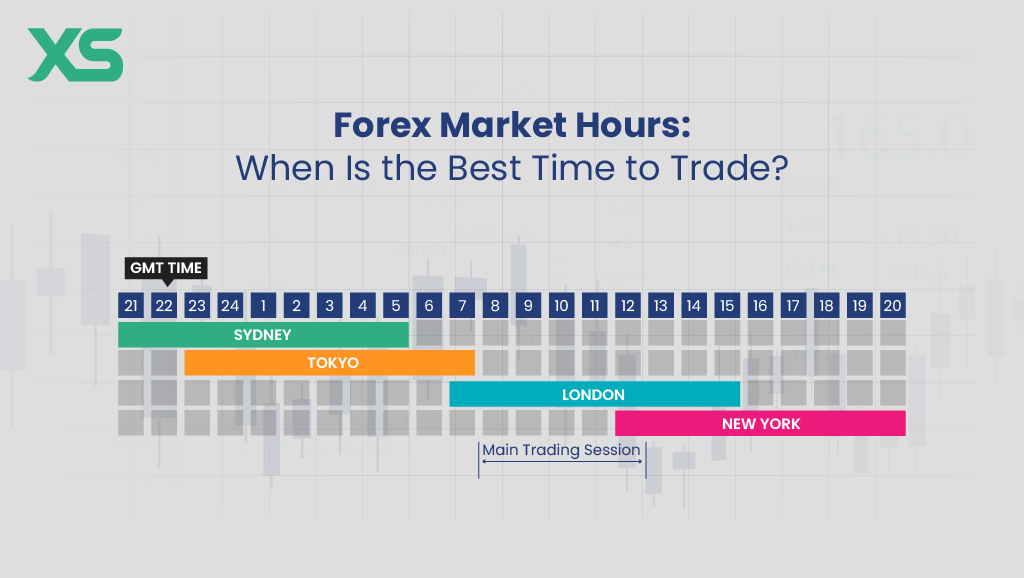
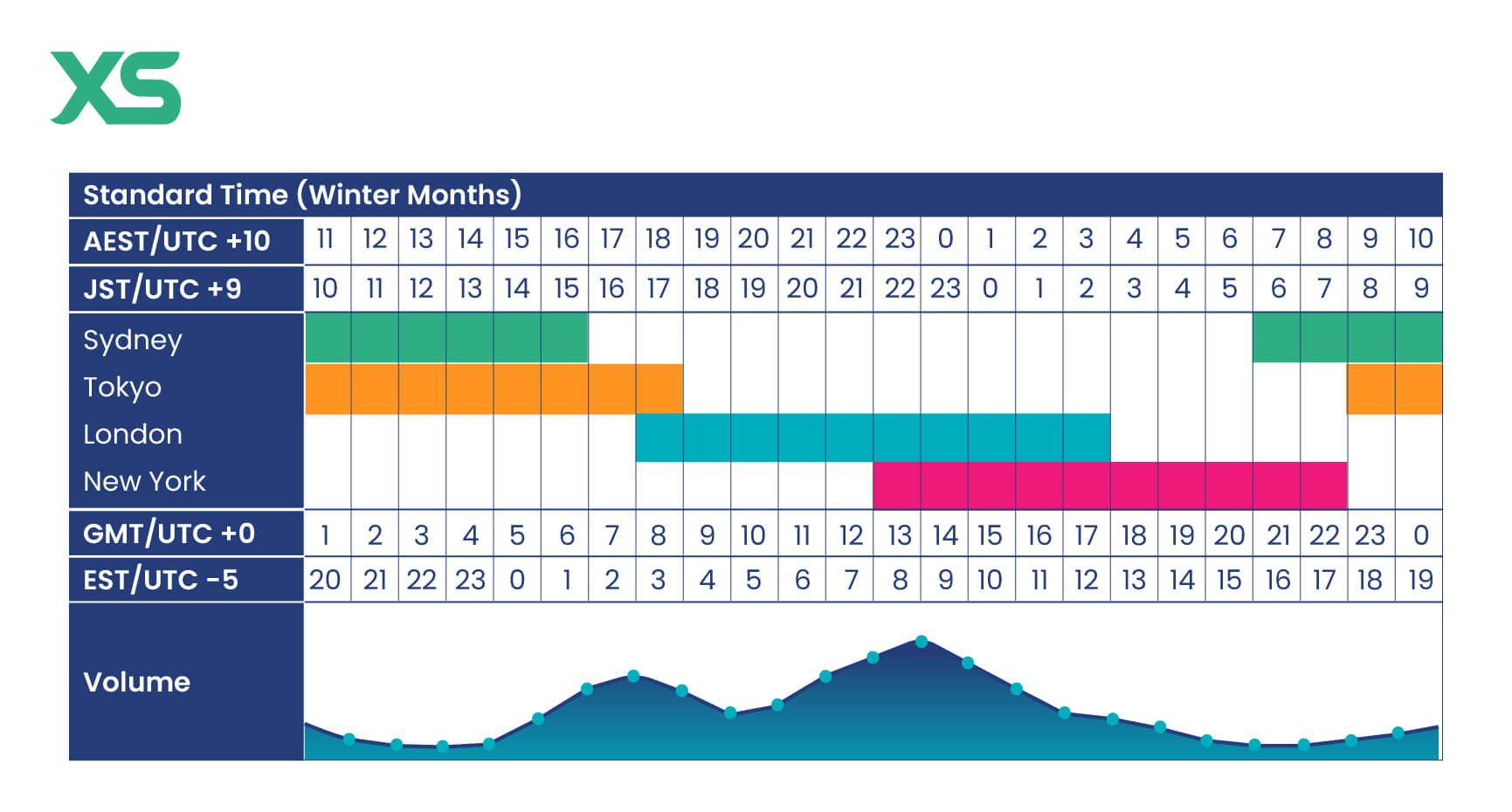
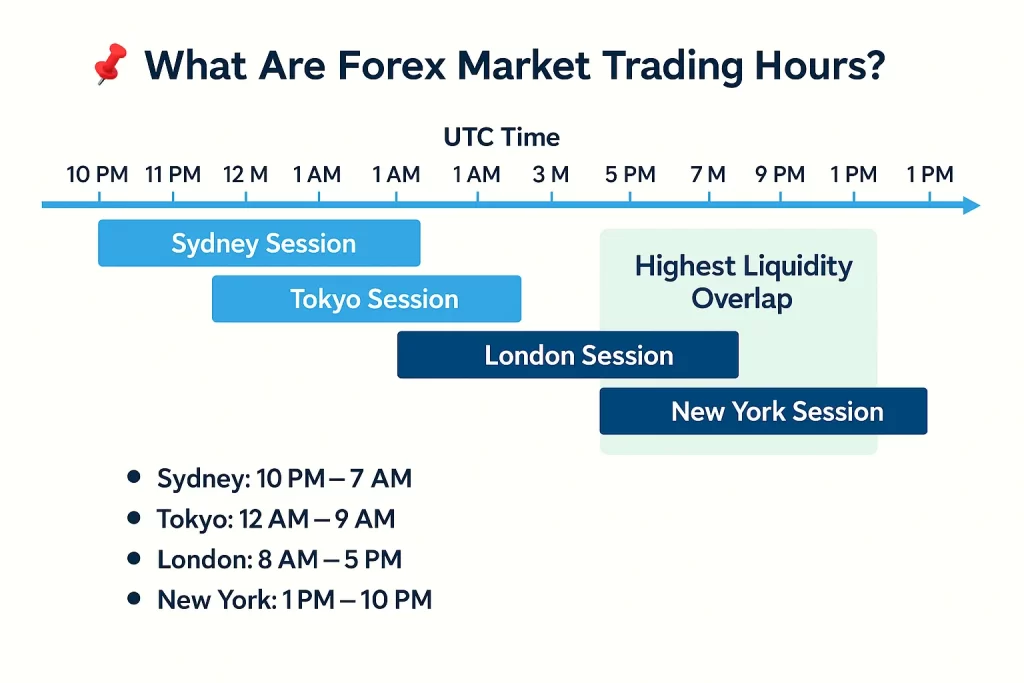
Unlike stock markets, the foreign exchange (forex) market operates virtually 24 hours a day, five days a week, opening on Sunday evening and closing on Friday afternoon (ET). This continuous operation is due to its decentralized nature and global reach. As one major financial center closes, another opens, creating an unbroken chain of trading. The key forex trading sessions include:
- Sydney Session: Opens first (e.g., Sunday 5:00 PM ET)
- Tokyo Session: Overlaps with Sydney, then takes lead
- London Session: Overlaps with Tokyo, then becomes most active
- New York Session: Overlaps with London, then becomes most active (e.g., Friday 5:00 PM ET close)
Understanding these overlapping sessions is crucial because volatility and liquidity tend to be highest when multiple major markets are open simultaneously, particularly during the London-New York overlap.
Commodities: Energy, Metals, and Agriculture
Commodity markets, which trade raw materials like oil, gold, natural gas, and agricultural products, also have distinct trading hours, often extending beyond conventional stock market hours. Many commodity futures are traded on exchanges like the Chicago Mercantile Exchange (CME) or the New York Mercantile Exchange (NYMEX).
- Energy Futures (e.g., Crude Oil): Often trade for nearly 23 hours a day, from Sunday evening through Friday afternoon, with a short daily maintenance break.
- Precious Metals (e.g., Gold, Silver): Similarly, futures contracts for gold and silver can trade for long stretches, reflecting their global demand and status as safe-haven assets.
- Agricultural Commodities: While still electronic, these may have slightly more traditional hours, though still often longer than stock markets, reflecting global production cycles and logistical considerations.
The extended hours in commodities reflect their global supply and demand dynamics and the need for continuous price discovery given real-world events that can impact these vital resources at any time.
Cryptocurrencies: The Uninterrupted Digital Frontier
The newest frontier in finance, cryptocurrencies, stands apart with its truly 24/7/365 trading schedule. Crypto exchanges like Coinbase, Binance, and Kraken never close. This constant availability is a hallmark of decentralized digital assets and presents both opportunities and challenges.
- Continuous Trading: Bitcoin, Ethereum, and thousands of other cryptocurrencies can be traded at any time, on any day, without interruption.
- Global Access: This continuous nature makes cryptocurrencies inherently global, accessible to anyone with an internet connection regardless of their time zone.
While this offers unparalleled flexibility, it also means market participants must contend with constant price action, making it difficult to “switch off” or avoid potential overnight swings.
Bond Markets and Over-the-Counter (OTC) Trading
Bond markets often trade over-the-counter (OTC) rather than on centralized exchanges, meaning trading can be less structured than stocks. However, there are still periods of concentrated activity. Government bonds (like U.S. Treasuries) have active electronic trading platforms that operate for extended hours, but peak liquidity often aligns with standard business hours (e.g., 8:00 AM to 5:00 PM ET). Corporate bonds and municipal bonds also typically follow these broad patterns. OTC markets, by definition, facilitate direct transactions between parties, which can occur whenever those parties agree, but major liquidity providers typically operate during conventional market hours.
Navigating Extended and Non-Standard Trading Periods
While standard trading hours form the backbone of market activity, savvy investors and traders must also understand and leverage “extended hours” and other non-standard trading periods, which have become increasingly prevalent with the rise of electronic trading.
Pre-Market and After-Hours Trading
For stock markets, in particular, the concept of pre-market and after-hours trading has become significant.
- Pre-Market Trading: Occurs before the regular market open (e.g., 4:00 AM to 9:30 AM ET for US stocks).
- After-Hours Trading: Occurs after the regular market close (e.g., 4:00 PM to 8:00 PM ET for US stocks).
These periods allow institutional investors and, increasingly, retail traders to react to news released outside regular hours, such as earnings reports, mergers and acquisitions announcements, or significant economic data. Trading volume and liquidity are typically much lower during these periods compared to regular hours, leading to higher volatility and wider bid-ask spreads.
Implications of Extended Hours for Retail Investors
While extended hours offer opportunities, they also come with risks, especially for retail investors:
- Lower Liquidity: Fewer participants mean it can be harder to execute trades at desired prices, and large orders can significantly move the market.
- Increased Volatility: News and limited liquidity can lead to sharp, unpredictable price swings.
- Wider Spreads: The difference between the buy (bid) and sell (ask) price can be considerably wider, increasing transaction costs.
- Limited Order Types: Not all order types (e.g., market orders) may be available or advisable during extended hours. Limit orders are generally preferred.
- Competitive Disadvantage: Professional traders and institutional players often have superior information access and faster execution technology, potentially disadvantaging retail traders during these less liquid periods.
It is crucial for retail investors to exercise caution and have a clear strategy when engaging in pre-market or after-hours trading.
Market Holidays and Early Closures
Beyond daily hours, markets also observe national holidays, during which they remain closed. These can vary significantly by country. For example, US markets observe holidays like Christmas, New Year’s Day, and Thanksgiving, while European and Asian markets have their own distinct holiday calendars. Some markets may also have early closures on certain days, such as the day before a major holiday, or specific dates like “half-days” for events like Christmas Eve. Being aware of these closures is vital for portfolio planning, managing open positions, and avoiding unexpected lack of access to your investments. Financial news outlets and exchange websites typically publish these calendars well in advance.
Strategic Considerations for Investors and Traders
The nuances of market trading hours are not just for informational purposes; they have profound strategic implications for investors and traders. Understanding these patterns can help in optimizing entry and exit points, managing risk, and tailoring trading approaches.
Volatility and Liquidity Patterns
Different trading sessions and hours exhibit distinct patterns of volatility and liquidity:
- Opening and Closing Bells: The first and last hour of a regular trading session are often characterized by heightened volatility and high liquidity as market participants react to overnight news, adjust positions, and execute end-of-day strategies.
- Mid-Day Lull: For many stock markets, there’s often a “lull” in activity during the middle of the trading day, with lower volatility and liquidity, as traders await new information or the market settles.
- Overlapping Sessions (Forex): As mentioned, the overlap between major forex sessions (e.g., London and New York) typically sees the highest liquidity and volatility, offering significant trading opportunities.
- News-Driven Spikes: Scheduled news releases (e.g., central bank announcements, economic reports) can create sudden spikes in volatility and volume, irrespective of the time of day, but their impact is amplified during active trading hours.
Traders can adapt their strategies, such as using momentum strategies during volatile periods or range-bound strategies during calmer times, based on these patterns.
Managing Risk Across Time Zones
For global investors, managing risk becomes more complex with multiple time zones. Positions held in markets that are open while your local market is closed are exposed to “overnight risk.” A significant event (e.g., a political crisis, a natural disaster) occurring outside your active trading hours can lead to substantial price movements by the time your market opens, potentially resulting in large losses if not managed appropriately.
- Diversification: Diversifying across asset classes and geographies can help spread risk.
- Stop-Loss Orders: Implementing stop-loss orders, where applicable, can limit potential losses, though “gap risk” still exists if prices jump over your stop level.
- Information Monitoring: Staying abreast of global news and economic calendars is crucial, even when your primary market is closed.
- Position Sizing: Adjusting position sizes based on perceived risk during off-hours can be a prudent strategy.
The Impact on Trading Strategies
Trading hours directly influence the efficacy of various trading strategies:
- Day Trading: Relies heavily on short-term price movements within a single trading day, making deep understanding of hourly volatility and liquidity essential. Day traders often focus on the opening and closing hours.
- Swing Trading: Holds positions for a few days to a few weeks, meaning traders must consider overnight and weekend risks, especially concerning market holidays.
- Long-Term Investing: While less sensitive to hourly fluctuations, long-term investors still benefit from understanding market hours for optimal entry/exit points and reacting to major company or economic news.
- Algorithmic Trading: Automated systems are programmed to execute trades based on specific parameters, often taking into account market hours, liquidity, and volatility patterns to optimize execution.
Tools and Resources for Tracking Market Hours
Given the complexity, various tools and resources are available to help investors keep track of market trading hours globally:
- Financial News Websites: Major financial news portals (e.g., Bloomberg, Reuters, Wall Street Journal) often provide detailed market calendars and real-time updates.
- Brokerage Platforms: Most online brokerage platforms offer integrated market hour information and alerts.
- Dedicated Apps and Websites: Numerous apps and websites specialize in displaying global market hours, often with countdown timers and holiday calendars.
- Exchange Websites: The official websites of stock exchanges, commodity exchanges, and forex brokers are the definitive sources for their specific trading schedules.
Staying informed through these resources is a fundamental practice for anyone actively involved in financial markets.
In conclusion, “what are market trading hours” opens the door to a complex yet critical aspect of financial market participation. From the fixed schedules of global stock exchanges to the 24/7 dynamism of forex and crypto, understanding these operational windows is non-negotiable. They shape liquidity, volatility, and risk, directly impacting investment and trading outcomes. By grasping the rationale behind these hours, appreciating their global diversity, navigating extended trading periods, and applying this knowledge strategically, market participants can enhance their decision-making and navigate the intricate world of finance with greater confidence and insight.
aViewFromTheCave is a participant in the Amazon Services LLC Associates Program, an affiliate advertising program designed to provide a means for sites to earn advertising fees by advertising and linking to Amazon.com. Amazon, the Amazon logo, AmazonSupply, and the AmazonSupply logo are trademarks of Amazon.com, Inc. or its affiliates. As an Amazon Associate we earn affiliate commissions from qualifying purchases.