
In the dynamic world of finance, timing is not just a factor; it is often the deciding element between a missed opportunity and a successful transaction. For any investor, trader, or financial professional, a precise understanding of market operating hours is fundamental. It dictates when assets can be bought and sold, when news impacts prices, and when strategic decisions can be executed. While the internet has created a perception of a 24/7 global marketplace, the reality is a complex tapestry of specific opening and closing times for various exchanges and asset classes around the world. Knowing “what are market hours today” isn’t merely about checking a clock; it’s about understanding the pulse of global commerce and making informed decisions in real-time.
Understanding the Core of Market Operating Hours
The concept of “market hours” might seem straightforward, but it encompasses a multitude of schedules across different asset classes and geographic regions. Each market—be it for stocks, bonds, commodities, or currencies—operates under its own distinct set of rules and timings, reflecting local holidays, regulatory frameworks, and historical practices.
Equity Markets: The Standard Bearers
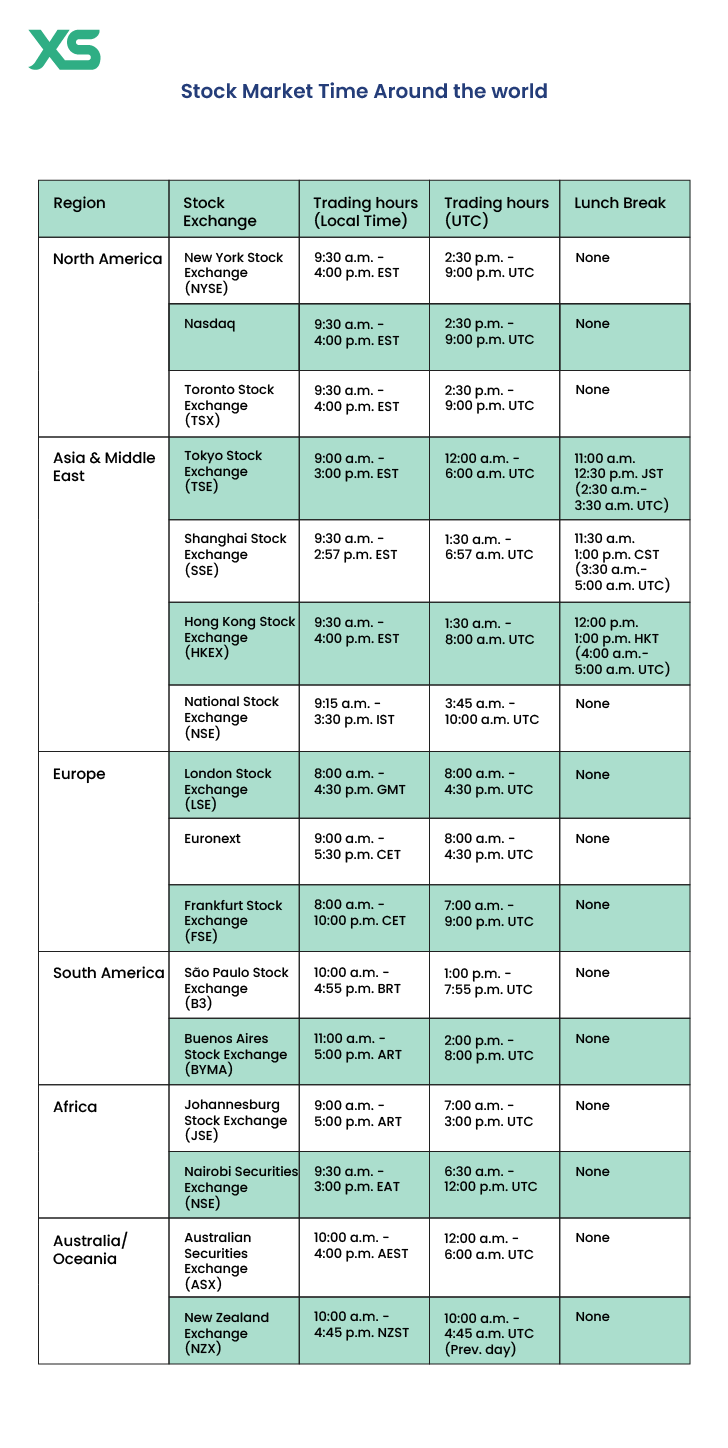
Equity markets, or stock exchanges, are perhaps what most people envision when discussing “market hours.” These are typically open for a defined period during regular business hours on weekdays. For instance, major North American exchanges like the New York Stock Exchange (NYSE) and NASDAQ operate from 9:30 AM to 4:00 PM Eastern Time (ET) on weekdays, excluding federal holidays. European and Asian exchanges follow similar patterns within their respective time zones. These fixed hours consolidate trading activity, enhancing liquidity and price discovery, though “pre-market” and “after-hours” sessions often extend the potential trading window with reduced liquidity.
Fixed Income Markets: Bonds and Beyond
Fixed income markets, dealing primarily with bonds and other debt instruments, often have slightly different, sometimes less rigid, operating hours than their equity counterparts. Government bond markets, for example, might have extended electronic trading hours beyond the core stock market session, especially for institutional investors. Corporate bond markets can also see activity outside standard business hours, although liquidity might be significantly lower. The over-the-counter (OTC) nature of many bond transactions means that while official exchange hours exist, trading can be more continuous through dealer networks.
Commodity Markets: Energy, Metals, and Agriculture
Commodity markets, which include everything from crude oil and natural gas to gold, silver, wheat, and corn, often feature some of the longest trading hours due to their global importance and physical delivery aspects. Futures and options contracts on commodities, traded on exchanges like the CME Group (which includes NYMEX and COMEX), often begin trading Sunday evening and run almost continuously until Friday afternoon, with short breaks. This extended window reflects the 24/7 nature of supply and demand for these essential goods and their impact on industries worldwide. Electronic trading has significantly expanded the accessibility and duration of commodity market operations.
Foreign Exchange (Forex): A 24/5 Global Arena
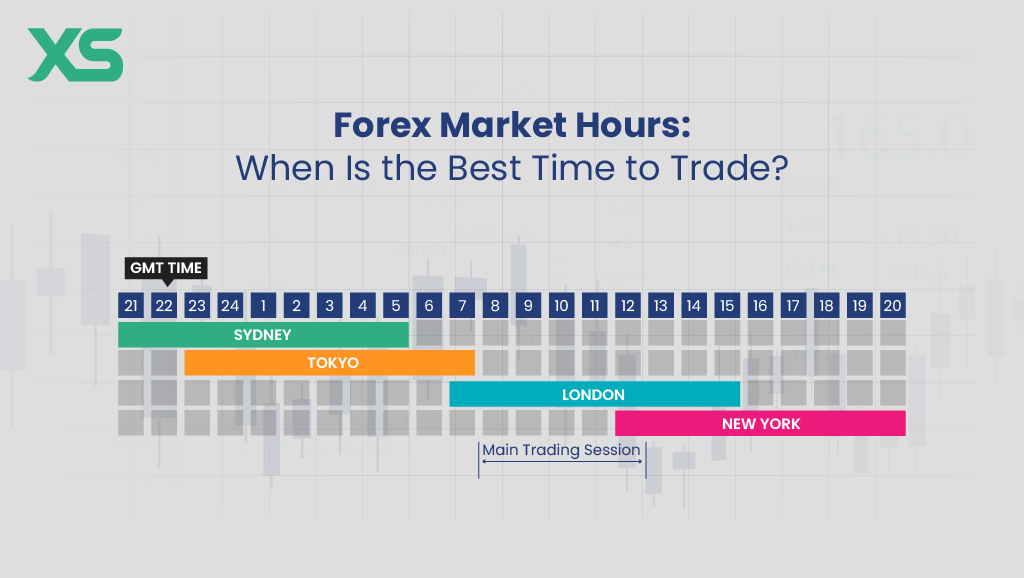
The foreign exchange (forex) market stands apart as the most truly global and continuous market. It operates 24 hours a day, five days a week, starting from Sunday evening in New York (or Monday morning in Asia) and closing Friday afternoon in New York. This continuous operation is facilitated by the overlapping business hours of major financial centers around the globe, starting with Sydney and Tokyo, moving through London, and ending with New York. While there are peak liquidity hours when major centers overlap, the forex market never truly “closes” in the traditional sense during the week, making it unique among financial markets.
Why Market Hours Matter: Strategic Implications
Understanding market hours is far more than a logistical detail; it’s a critical component of successful trading and investment strategy. The specific timing of market operations has profound implications for volatility, liquidity, news impact, and overall risk management.
Volatility and Liquidity Dynamics
Market hours directly influence volatility and liquidity. During core trading hours, when the maximum number of participants are active, liquidity is typically highest, meaning buy and sell orders can be executed quickly and with minimal price impact. Conversely, outside these core hours—such as pre-market, after-hours, or during off-peak times in continuous markets—liquidity often dries up. This reduced liquidity can lead to wider bid-ask spreads and increased volatility, making it riskier for individual investors to trade due to potential for significant price swings on small volumes.
Impact of News and Economic Releases
Major economic data releases, corporate earnings announcements, and geopolitical news events are often scheduled strategically around market hours. These releases can trigger immediate and substantial price movements. Knowing when a market is open or closed when such news breaks is crucial. An announcement made after market close for a specific stock could lead to a significant price gap at the next day’s open, representing a risk or opportunity that active traders must anticipate. Similarly, global news events can impact markets in different time zones sequentially.
Pre-Market and After-Hours Trading: Opportunities and Risks
For equity markets, pre-market and after-hours trading sessions offer extended opportunities to react to news released outside regular hours. While these sessions allow for immediate action, they come with inherent risks. Lower liquidity means prices can be more easily manipulated or experience extreme swings. Spreads are wider, and institutional investors or high-frequency traders often dominate, putting individual investors at a disadvantage without advanced tools and experience. It’s a double-edged sword: faster reaction but heightened risk.
Geographical Time Zones: The Global Interplay
The global nature of finance means that markets in different time zones are constantly opening and closing, creating a continuous cycle of activity. For an international investor, understanding how the closing of Asian markets might influence the opening of European markets, and subsequently North American markets, is vital. This interplay can cause ripple effects, with news from one region impacting another hours later. For instance, a major economic announcement in China might affect European stock futures even before European cash markets officially open.
Delving into Specific Market Schedules Today
While general patterns exist, the precise market hours can vary significantly by region and specific exchange. For investors with global portfolios or those looking to diversify, a detailed understanding of these schedules is imperative.
North American Exchanges (e.g., NYSE, NASDAQ, TSX)
The dominant North American equity exchanges, such as the New York Stock Exchange (NYSE) and NASDAQ in the U.S., operate from 9:30 AM to 4:00 PM ET. The Toronto Stock Exchange (TSX) in Canada follows a similar schedule, 9:30 AM to 4:00 PM ET. Futures and options markets on exchanges like the CME Group have much longer electronic trading hours, often beginning Sunday evening and running through Friday afternoon with short daily breaks.
European Exchanges (e.g., LSE, Euronext, Deutsche Börse)
European equity markets typically open and close earlier than their North American counterparts due to time zone differences. The London Stock Exchange (LSE) operates from 8:00 AM to 4:30 PM GMT. Euronext, which covers exchanges in Paris, Amsterdam, Brussels, and Lisbon, runs from 9:00 AM to 5:30 PM CET. The Deutsche Börse in Frankfurt, home to the DAX index, operates from 9:00 AM to 5:30 PM CET. These hours are crucial for European investors and for those trading European-listed securities.
Asian and Pacific Exchanges (e.g., TSE, SSE, ASX)
Asia-Pacific markets are often the first to open each week. The Tokyo Stock Exchange (TSE) has two sessions: 9:00 AM to 11:30 AM JST and 12:30 PM to 3:00 PM JST. The Shanghai Stock Exchange (SSE) and Shenzhen Stock Exchange in China follow similar split sessions. The Australian Securities Exchange (ASX) operates from 10:00 AM to 4:00 PM AEST. These markets kick off the global trading day and often set the tone for subsequent European and North American sessions.
Emerging Markets: Diverse Operating Times
Emerging markets present an even broader spectrum of market hours, often reflecting local customs, holidays, and regulatory nuances. For instance, the Bombay Stock Exchange (BSE) in India operates from 9:15 AM to 3:30 PM IST. The B3 exchange in Brazil (Bolsa Brasil Balcão) typically runs from 10:00 AM to 5:00 PM BRT. Investors in these markets must be particularly vigilant about specific local holidays and varying weekend schedules, which can differ from Western standards.
Navigating Exceptions and Special Circumstances
Market hours are not always static. Several factors can lead to deviations from standard schedules, requiring investors to stay abreast of official announcements and calendars.
Public Holidays and Market Closures
All financial markets observe national public holidays, leading to complete closure for the day. These vary significantly by country. For example, U.S. markets close for holidays like New Year’s Day, Martin Luther King, Jr. Day, Memorial Day, Independence Day, Labor Day, Thanksgiving, and Christmas. It’s imperative for investors to consult official exchange calendars or reliable financial news sources for these dates, especially around major holidays that might also affect adjacent days or lead to early closures.
Early Closures and Shortened Trading Days
Markets occasionally have shortened trading days, particularly around major holidays (e.g., the day before or after Thanksgiving in the U.S., or Christmas Eve). On these days, markets might close at midday (e.g., 1:00 PM ET for U.S. equity markets), impacting trading strategies and liquidity. Bond markets often have different early closure schedules than equity markets, adding another layer of complexity.
Impact of Geopolitical Events and Crisis Protocols
In extreme circumstances, such as major geopolitical crises, natural disasters, or significant market disruptions, exchanges may temporarily halt trading or alter their hours. These are rare but impactful events, often dictated by regulatory bodies to prevent panic selling or ensure orderly markets. Staying informed through official news channels is crucial during such times.
Daylight Saving Time Adjustments
For global investors, Daylight Saving Time (DST) changes can be a subtle but significant factor. Different countries adopt DST on different dates, or some don’t observe it at all. This means that the time difference between, say, New York and London, or London and Tokyo, can shift by an hour for a few weeks each year, affecting the overlapping trading windows for forex and international equities. Traders must adjust their timing accordingly to maintain consistency.
Leveraging Technology and Tools to Stay Informed
In today’s fast-paced financial landscape, relying solely on memory or manual checks for market hours is insufficient. Technology provides an array of tools that help investors stay informed, execute trades efficiently, and manage risk across multiple markets and time zones.
Real-time Market Data Platforms
Professional and serious individual investors often subscribe to real-time market data platforms such as Bloomberg Terminal, Refinitiv Eikon, or readily available services like Yahoo Finance, Google Finance, or reputable brokerage platforms. These platforms provide live quotes, news feeds, and, critically, display current market status (open/closed) for various exchanges worldwide, often adjusted for the user’s local time zone. They are indispensable for tracking global markets simultaneously.
Financial News Services and Alerts
Reputable financial news services like Reuters, The Wall Street Journal, Bloomberg News, and CNBC provide continuous updates on market hours, holiday schedules, and any exceptional closures. Many offer customizable alerts that can notify investors of critical events or changes to trading schedules, ensuring they never miss a beat. Subscribing to such services can provide a crucial edge.
Automated Trading Systems and APIs
For sophisticated traders, automated trading systems and Application Programming Interfaces (APIs) allow for programmatic execution of trades. These systems can be configured to respect specific market hours, ensuring orders are only placed or modified when markets are open and liquidity is optimal. They can also be programmed to react to news events or pre-market/after-hours price movements, albeit with careful risk management.
Mobile Apps for On-the-Go Access
The proliferation of mobile apps from brokerages, financial news providers, and independent developers has made it easier than ever to monitor market hours and global market status from anywhere. These apps often provide personalized watchlists, real-time alerts, and market calendars, enabling investors to stay connected and make timely decisions, even when away from their desks.
In conclusion, knowing “what are market hours today” is a foundational piece of knowledge for anyone involved in financial markets. It’s a dynamic landscape influenced by geography, asset class, holidays, and unforeseen events. By understanding these complexities and leveraging modern technological tools, investors can navigate the global financial markets with greater confidence, make more informed decisions, and ultimately enhance their potential for success. The informed investor is the empowered investor, ready to seize opportunities and mitigate risks regardless of the clock or calendar.
aViewFromTheCave is a participant in the Amazon Services LLC Associates Program, an affiliate advertising program designed to provide a means for sites to earn advertising fees by advertising and linking to Amazon.com. Amazon, the Amazon logo, AmazonSupply, and the AmazonSupply logo are trademarks of Amazon.com, Inc. or its affiliates. As an Amazon Associate we earn affiliate commissions from qualifying purchases.