
In the dynamic world of finance, where fortunes can be made and lost in the blink of an eye, understanding complex instruments is paramount. Among the most powerful and often misunderstood tools are market futures. These sophisticated financial contracts play a crucial role in everything from managing the risk of a multinational corporation to speculating on the price of crude oil. For the uninitiated, futures can seem daunting, shrouded in jargon and perceived as instruments exclusively for institutional players. However, their underlying principles are logical, and their impact on global economies and individual investment strategies is profound.
This article aims to demystify market futures, breaking down their core concepts, mechanics, and the diverse applications that make them indispensable for hedgers, speculators, and market participants worldwide. Whether you’re a seasoned investor looking to deepen your knowledge, a business owner seeking to mitigate price volatility, or simply curious about the gears that turn the financial world, understanding futures is a critical step toward a more comprehensive financial literacy. We will explore what a futures contract entails, the various assets they cover, how they operate, who uses them, and the inherent advantages and risks associated with their trading.
The Core Concept: Understanding Futures Contracts
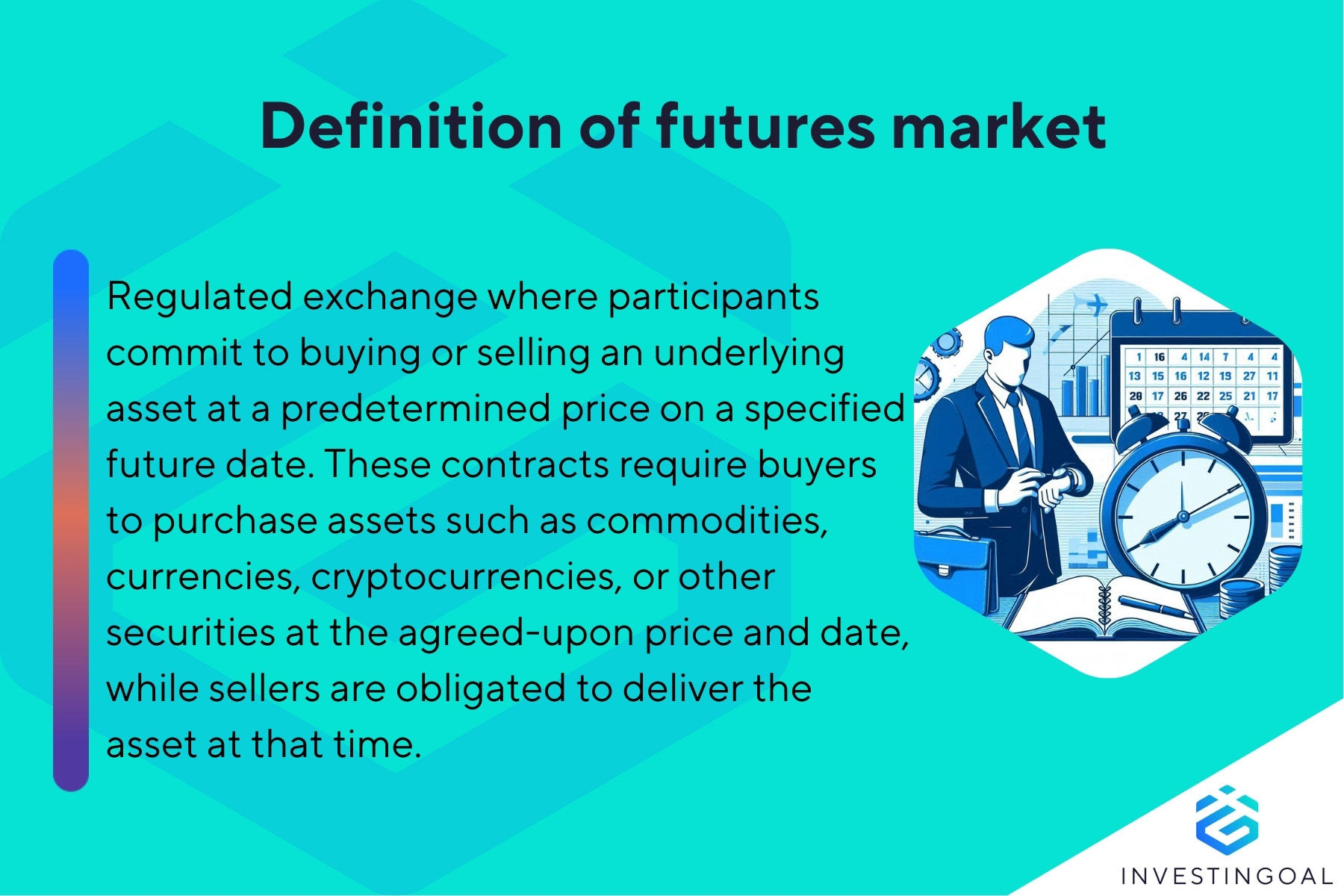
At its heart, a futures contract is a standardized legal agreement to buy or sell a specific commodity or financial instrument at a predetermined price on a specified future date. This seemingly simple definition underpins a vast and intricate market, essential for price discovery, risk management, and speculation across numerous industries.
Defining a Futures Contract
A futures contract is not a promise to buy or sell something now, but rather an obligation to transact in the future. Unlike a spot market transaction, where an asset is exchanged for cash immediately, futures contracts defer the actual exchange. Each contract is highly standardized by organized exchanges like the Chicago Mercantile Exchange (CME) or the Intercontinental Exchange (ICE). This standardization covers crucial elements such as the quality and quantity of the underlying asset, the delivery or settlement procedures, and the expiration date. This ensures that all participants are trading the exact same instrument, fostering liquidity and transparency. When you enter a futures contract, you are essentially locking in a price today for a transaction that will occur at a later point, regardless of the asset’s market price at that future date. This binding nature is what distinguishes futures from options, which grant the holder the right but not the obligation to buy or sell.
Underlying Assets: What Can Be “Futured”?
The versatility of futures contracts stems from the sheer breadth of assets that can underlie them. Virtually any asset whose price fluctuates and can be standardized can become the subject of a futures contract. This extensive range makes futures markets incredibly diverse and globally relevant.
- Commodities: Historically, futures markets originated with agricultural commodities, allowing farmers to lock in prices for their crops and livestock before harvest. Today, this category has expanded significantly.
- Energy: Crude oil (e.g., WTI, Brent), natural gas, gasoline, heating oil. These are crucial for industries from transportation to manufacturing.
- Metals: Gold, silver, platinum, copper. These are often seen as safe-haven assets or industrial necessities.
- Agriculture: Corn, wheat, soybeans, coffee, sugar, live cattle. These continue to play a vital role in global food supply chains.
- Financial Futures: These contracts derive their value from financial instruments, reflecting the health and direction of broader markets.
- Stock Indices: Futures on major indices like the S&P 500, Nasdaq 100, Dow Jones Industrial Average. These allow investors to gain exposure to or hedge against the performance of entire market sectors.
- Currencies: Futures on major currency pairs (e.g., EUR/USD, GBP/JPY). Used by businesses engaged in international trade and investors anticipating currency movements.
- Interest Rates: Futures on Treasury bonds, bills, and Eurodollars. Essential for financial institutions to manage interest rate risk.
- Emerging Assets: As markets evolve, new assets become eligible for futures trading. This includes growing sectors like cryptocurrencies (e.g., Bitcoin futures) and environmental commodities (e.g., carbon credits).
The ability to trade futures on such a diverse range of assets means that nearly any business or investor with exposure to price fluctuations can utilize these instruments.
Key Components of a Futures Contract
While each futures contract is standardized, understanding its specific components is crucial for participation. These details define the contract and how it functions.
- Contract Size and Unit: This specifies the exact quantity of the underlying asset covered by one contract. For instance, a crude oil futures contract might represent 1,000 barrels, while a corn contract might be for 5,000 bushels.
- Expiration Date: This is the specific date in the future when the obligation to buy or sell the underlying asset must be fulfilled. Futures contracts are typically available for various expiration months, allowing participants to choose a timeframe that aligns with their needs.
- Delivery vs. Cash Settlement: Most futures contracts today are cash-settled, meaning that at expiration, the difference between the contract price and the prevailing market price of the underlying asset is paid in cash. Physical delivery, where the actual commodity changes hands, is less common but still occurs, particularly in some agricultural and energy markets.
- Tick Size and Value: Futures prices move in minimum increments called “ticks.” The tick size (e.g., $0.01 per barrel for oil) combined with the contract size determines the monetary value of each tick movement (e.g., $10 per tick for a 1,000-barrel oil contract). This allows traders to calculate potential gains or losses quickly.
The Mechanics of Futures Trading
Trading futures involves a unique set of mechanisms that differentiate it from traditional stock trading. Central to these mechanics are margin requirements, the critical role of the clearinghouse, and the daily process of “marking-to-market.”
Margin Requirements and Leverage
Futures trading is characterized by significant leverage, which means traders only need to put up a small percentage of the total contract value as an initial deposit. This deposit is known as initial margin. It’s not a down payment for the asset but rather a performance bond, ensuring that traders can meet their obligations. For example, controlling $100,000 worth of oil futures might only require an initial margin of $5,000-$10,000.
While leverage can amplify potential gains, it also dramatically magnifies losses. To manage this risk, futures accounts are subject to maintenance margin requirements. If the value of your position declines to a point where your account equity falls below the maintenance margin level, you will receive a margin call. This demands that you deposit additional funds to bring your account back up to the initial margin level. Failure to meet a margin call can lead to the forced liquidation of your position by the broker.
The Role of the Clearinghouse
The futures market benefits from an ingenious system designed to eliminate counterparty risk – the risk that the other party in a contract will default on their obligation. This is achieved through the clearinghouse. When a buyer and seller agree to a futures contract, the clearinghouse steps in and becomes the counterparty to both sides. It acts as the buyer to every seller and the seller to every buyer.
This process, known as novation, ensures that traders don’t need to worry about the financial solvency of the specific individual or institution they initially traded with. The clearinghouse guarantees the performance of every contract. It manages this enormous responsibility through strict margin requirements for all participants, sophisticated risk management systems, and a default fund financed by its members. This central counterparty mechanism is a cornerstone of the futures market’s integrity and efficiency.
How Futures Prices Are Determined
Futures prices are not arbitrary; they are the result of complex interactions between supply and demand, economic fundamentals, and market expectations. While the underlying asset’s spot price (current market price) is a major driver, futures prices also incorporate other factors.
The concept of “cost of carry” is crucial. For storable commodities like oil or grain, the futures price typically includes the spot price plus the costs associated with holding the asset until the delivery date. These costs include storage fees, insurance, and the financing cost (interest) of holding the asset. If the futures price is higher than the spot price, it’s called contango. If the futures price is lower than the spot price, it’s called backwardation, often indicating current scarcity or high demand.
For financial futures, interest rate differentials and expected dividends (for index futures) also play a significant role. Ultimately, futures prices reflect the collective wisdom of market participants regarding the future supply and demand balance, geopolitical events, economic data releases, and overall market sentiment.
Who Uses Futures and Why?
Futures markets serve a diverse array of participants, each with distinct motivations and strategies. While often associated with high-stakes speculation, their primary economic function is risk management.
Hedging: Managing Price Risk
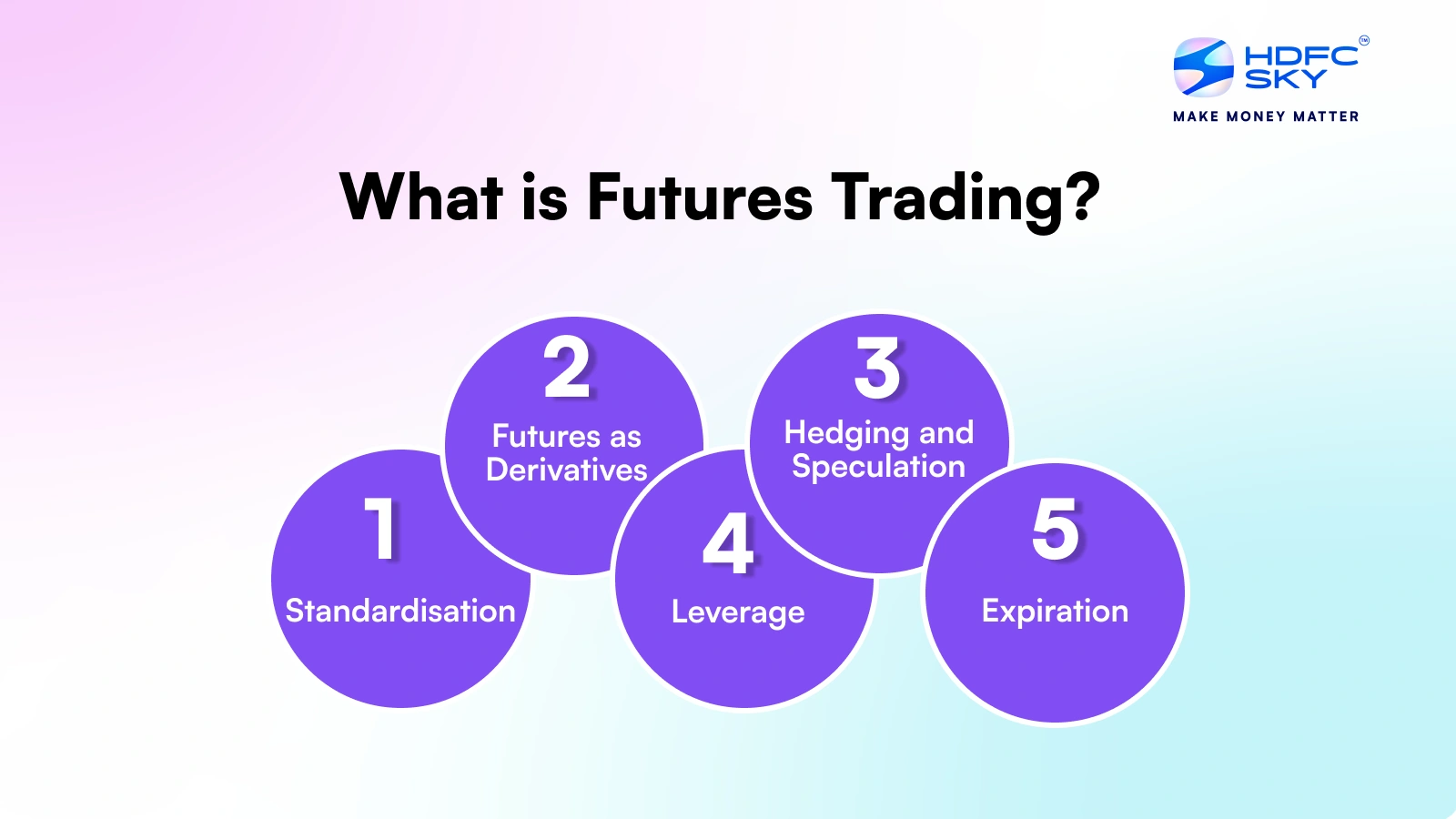
One of the most fundamental uses of futures contracts is hedging, which involves using futures to offset potential losses from adverse price movements in the underlying asset. For businesses with significant exposure to commodity price fluctuations or currency exchange rates, hedging is a critical tool for financial stability and predictability.
- Producers: A farmer, for instance, might sell corn futures contracts before harvest. By doing so, they lock in a selling price for their future crop, protecting themselves against a drop in corn prices. If prices fall, the loss on the physical crop is offset by a gain on the futures contract.
- Consumers: Conversely, an airline company, which is a major consumer of jet fuel (derived from crude oil), might buy oil futures contracts. This allows them to cap their fuel costs for future periods. If oil prices rise, the increased cost of jet fuel is offset by the gain on their oil futures position.
- Portfolio Managers: Investment managers can use index futures to hedge against a downturn in the broader stock market for their equity portfolios, or to gain quick, temporary market exposure without buying individual stocks.
Hedging strategies aim to reduce risk and provide greater certainty regarding future revenues or costs, allowing businesses to focus on their core operations rather than being unduly exposed to market volatility.
Speculation: Profiting from Price Movements
While hedging focuses on risk reduction, speculation in futures markets is driven by the desire to profit from anticipated price movements. Speculators are essential to the market’s liquidity and price discovery, as they are willing to take on the risk that hedgers want to shed.
- Individual Traders and Institutional Investors: These participants analyze market trends, economic data, and technical indicators to forecast whether the price of an underlying asset will rise or fall.
- Taking Positions: If a speculator believes the price of an asset will increase, they will “go long” by buying a futures contract. If they expect prices to fall, they will “go short” by selling a futures contract. The leveraged nature of futures means that even small price movements can lead to significant profits or losses for speculators.
- Risk and Reward: Speculation is inherently high-risk, but the potential for high rewards attracts a substantial portion of futures market activity. Successful speculators contribute to market efficiency by bringing new information and capital to the market.
Price Discovery and Market Efficiency
Beyond hedging and speculation, futures markets play a vital role in price discovery. The continuous trading of futures contracts, with their transparent pricing and high liquidity, provides a real-time indication of what market participants believe an asset will be worth in the future. This forward-looking pricing mechanism helps businesses and investors make more informed decisions.
Furthermore, futures markets contribute to overall market efficiency. By allowing risks to be transferred between parties (hedgers to speculators) and facilitating the incorporation of new information into prices almost instantly, they help ensure that asset prices reflect all available knowledge, making financial markets more robust and responsive.
Advantages and Risks of Futures Trading
Like any powerful financial instrument, futures contracts come with a dual nature: significant advantages that can be highly beneficial, alongside substantial risks that demand careful consideration.
The Upsides
The compelling benefits of futures trading draw a wide array of participants to these markets.
- Leverage (Capital Efficiency): As discussed, futures offer immense leverage, meaning a relatively small amount of capital can control a large value of the underlying asset. This makes futures highly capital-efficient, allowing participants to achieve significant market exposure without tying up vast sums of money. For hedgers, it means lower capital outlay to protect against risk. For speculators, it means amplified profit potential on correct calls.
- Liquidity: Major futures contracts are among the most liquid financial instruments globally. High trading volumes mean that orders can typically be executed quickly and efficiently, with narrow bid-ask spreads, reducing transaction costs. This liquidity is crucial for both entering and exiting positions without significantly impacting the market price.
- Ability to Profit from Both Rising and Falling Markets: Unlike traditional stock investments, which primarily profit when prices go up, futures allow traders to easily take both “long” (buy) and “short” (sell) positions. This means investors can profit whether they anticipate an asset’s price to rise or fall, offering flexibility in various market conditions.
- Risk Management Tool: For businesses and investors with underlying exposure, futures are an unparalleled tool for managing and mitigating price risk, providing certainty in an uncertain world.
The Downsides and Dangers
Despite their advantages, the risks associated with futures trading are profound and must not be underestimated.
- High Risk Due to Leverage: While leverage amplifies gains, it equally amplifies losses. A small adverse price movement can result in a loss that significantly exceeds the initial margin deposited, potentially leading to losses greater than the initial investment. This makes futures trading unsuitable for individuals without a high tolerance for risk and sufficient capital.
- Margin Calls and Forced Liquidation: The daily marking-to-market process means that if your position moves against you, you can face margin calls, requiring immediate additional funding. Failure to meet a margin call will result in your broker forcibly liquidating your position, often at unfavorable prices, to cover the deficit. This can lead to substantial and unexpected losses.
- Complexity and Required Expertise: Futures contracts are not simple instruments. Understanding their specifications, settlement procedures, margin mechanics, and the factors influencing their prices requires considerable knowledge and continuous learning. Ignorance can be financially devastating.
- Volatility: Futures markets can be highly volatile, especially for certain commodities or during periods of significant economic news. Rapid price swings can quickly erode capital and trigger margin calls, making it challenging to maintain positions, particularly for inexperienced traders.
Navigating the Futures Market: Practical Considerations
Engaging with the futures market requires not only theoretical understanding but also practical preparation and a disciplined approach.
Regulatory Oversight
To ensure market integrity and protect participants, futures markets are heavily regulated. In the United States, the Commodity Futures Trading Commission (CFTC) is the primary federal agency responsible for overseeing the futures and options markets. The CFTC’s role includes preventing fraud, manipulation, and abusive practices, as well as enforcing reporting requirements and ensuring the financial integrity of clearinghouses. Similar regulatory bodies exist in other major financial jurisdictions globally. This oversight provides a layer of security, but it does not eliminate the inherent risks of trading leveraged instruments.
How to Get Started
For those considering entering the futures market, a structured approach is vital.
- Choose a Reputable Futures Broker: Select a broker regulated by relevant authorities, with a strong financial standing, competitive fees, robust trading platforms, and excellent customer support.
- Understand Contract Specifications Thoroughly: Before placing any trade, precisely know the contract size, tick value, margin requirements, expiration date, and settlement method for the specific futures contract you intend to trade.
- Develop a Robust Trading Strategy and Risk Management Plan: Never trade without a clear plan. Define your entry and exit points, profit targets, and, crucially, your maximum acceptable loss per trade and overall portfolio. Implement stop-loss orders to limit potential losses.
- Start with Educational Resources and Simulation Accounts: Take advantage of the wealth of educational materials available, including books, online courses, and broker-provided resources. Many brokers offer demo or paper trading accounts that allow you to practice trading with virtual money in real-time market conditions, providing invaluable experience without financial risk.
Futures in a Broader Investment Strategy
For sophisticated investors, futures can be integrated into a broader investment strategy for various purposes beyond pure speculation or direct hedging.
- Diversification: Adding exposure to different asset classes (commodities, currencies) through futures can help diversify a traditional equity and bond portfolio, potentially reducing overall portfolio volatility.
- Macro Hedging: Institutional investors often use futures to hedge against systemic risks or broad market downturns, protecting the value of large, diversified portfolios.
- Tactical Allocation: Futures allow for quick and cost-effective adjustments to asset allocation. For example, an investor could use index futures to rapidly increase or decrease their exposure to the stock market based on their short-term outlook, rather than buying or selling individual stocks.
Conclusion
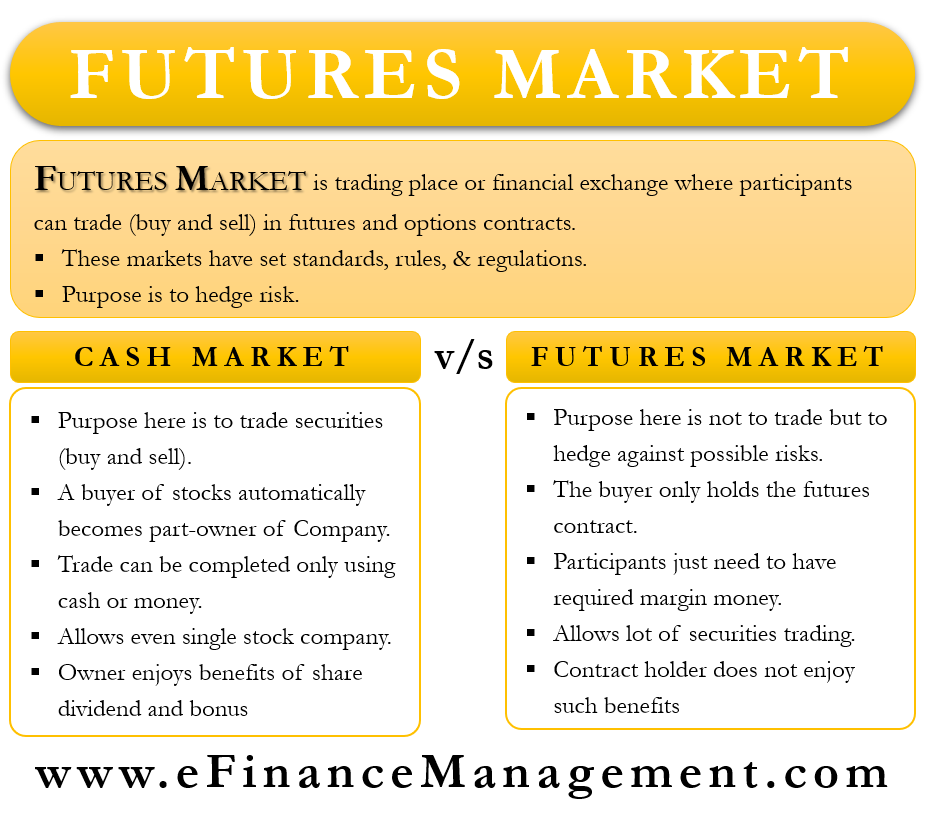
Market futures are undeniably powerful and complex financial instruments. They represent a binding agreement to trade an asset at a predetermined price on a future date, serving critical functions for risk management (hedging), profit-seeking (speculation), and overall market efficiency (price discovery). From agricultural producers securing future prices for their crops to international corporations managing currency exposure, and from institutional investors adjusting portfolio risk to individual traders speculating on oil prices, futures contracts are deeply embedded in the fabric of global finance.
While their leveraged nature offers compelling opportunities for capital efficiency and amplified returns, it equally exposes participants to significant risks, including the potential for losses that can exceed initial investments. Navigating the futures market successfully demands a thorough understanding of their mechanics, meticulous risk management, and a commitment to continuous education. For those who approach them with knowledge, discipline, and a clear strategy, market futures can be an invaluable component of a sophisticated financial toolkit, but for the unprepared, they can be a perilous arena. As with any powerful tool, respect for its capabilities and dangers is the first step toward harnessing its potential.
aViewFromTheCave is a participant in the Amazon Services LLC Associates Program, an affiliate advertising program designed to provide a means for sites to earn advertising fees by advertising and linking to Amazon.com. Amazon, the Amazon logo, AmazonSupply, and the AmazonSupply logo are trademarks of Amazon.com, Inc. or its affiliates. As an Amazon Associate we earn affiliate commissions from qualifying purchases.