
Managing personal health is fundamentally a financial decision. In the landscape of personal finance, the recurring costs associated with healthcare—specifically long-term pharmacological treatment—represent a significant line item in the annual household budget. Understanding the definition, necessity, and financial implications of maintenance medications is a critical skill for anyone looking to optimize their personal financial plan and navigate the complexities of modern healthcare expenditures.
Defining Maintenance Medications in Financial Terms
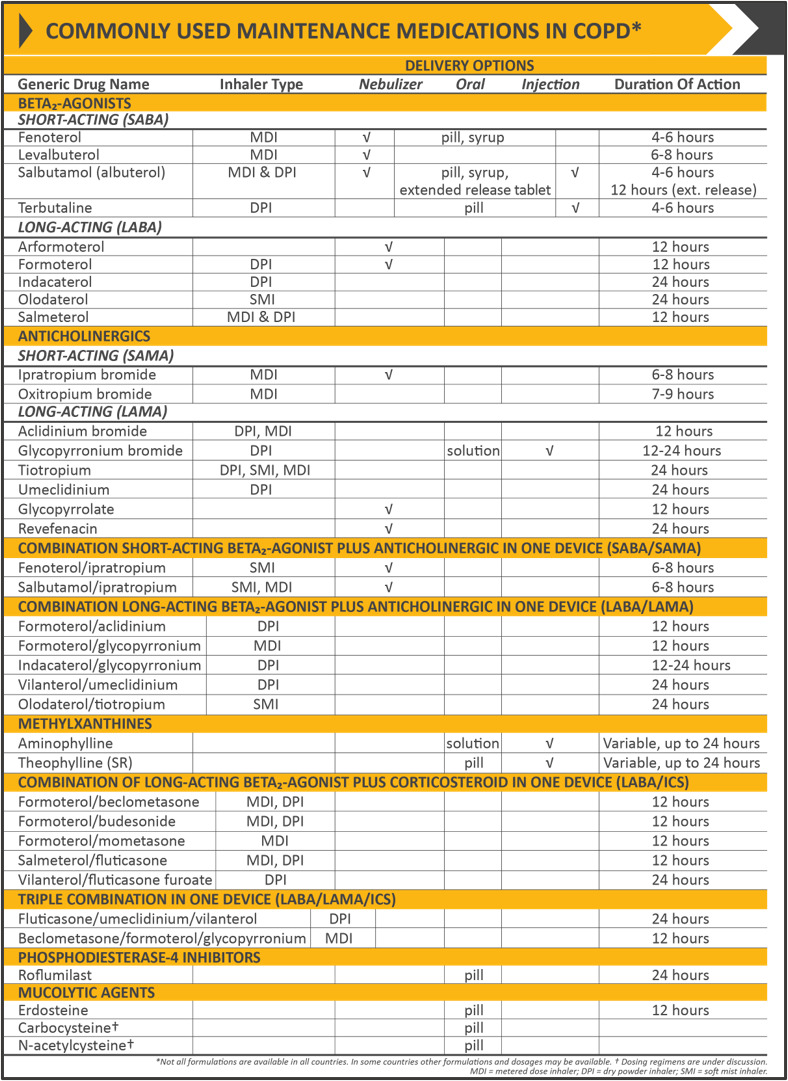
Maintenance medications are pharmaceutical products prescribed to manage chronic conditions, such as hypertension, diabetes, asthma, or high cholesterol. Unlike acute medications, which are intended to resolve a temporary illness or injury, maintenance drugs are designed for long-term, ongoing use.
From a financial planning perspective, these are classified as “fixed recurring expenses.” Just as a mortgage or a subscription service recurs each month, maintenance medications represent a permanent adjustment to your cost of living. Because they are rarely one-time purchases, they require a proactive approach to budgeting, insurance negotiation, and strategic procurement to prevent them from eroding your long-term savings goals.
The Lifecycle of Chronic Care
When a patient is prescribed a maintenance medication, they are entering a multi-year financial commitment. These drugs are the bedrock of preventative care, designed to mitigate the risk of catastrophic health events—such as strokes or heart attacks—that carry not only a high physical toll but also a devastating financial impact. By accounting for the cost of these medications today, you are essentially purchasing an insurance policy against the much higher potential cost of future emergency medical intervention.
The Financial Impact of Long-Term Prescriptions
The price of maintenance medications can fluctuate wildly based on patent status, manufacturer pricing, and your specific insurance coverage tiers. If not managed carefully, these costs can become a “silent drain” on your disposable income, affecting your ability to contribute to retirement accounts, emergency funds, or investment portfolios.
Understanding Insurance Tiers and Copays
Most health insurance plans utilize a “formulary,” a list of drugs covered by the plan, categorized into tiers. Typically, lower tiers contain generic medications with lower out-of-pocket costs, while higher tiers include brand-name or specialty drugs that require a higher copayment or coinsurance.
Understanding your plan’s formulary is the first step in cost optimization. If a physician prescribes a brand-name maintenance drug, there is often a generic equivalent available that offers the exact same therapeutic result for a fraction of the cost. Engaging in a conversation with your pharmacist or doctor about “therapeutic alternatives” can sometimes lead to thousands of dollars in savings over the course of a few years.
The “Doughnut Hole” and Annual Deductibles
For those relying on specific insurance structures, the annual deductible is a significant hurdle. Early in the calendar year, you may be responsible for the full negotiated price of your medications until your deductible is met. Strategic planning involves calculating these “expected” healthcare costs into your monthly budget so that you aren’t caught off guard when a high pharmacy bill arrives in January or February.

Strategies for Reducing Maintenance Medication Costs
Effective financial management of health expenses requires a shift from passive consumption to active advocacy. Because pharmaceutical pricing is often opaque, the consumer must act as their own purchasing manager to secure the best rates.
The Power of Generics and Wholesale Pricing
Generics are the cornerstone of affordable healthcare. Because they do not carry the marketing and research recoupment costs of brand-name drugs, they are significantly cheaper. Always verify with your provider if a generic version is available. Furthermore, explore wholesale programs offered by large retailers or direct-to-consumer pharmacy services that bypass traditional insurance middle-men. In many cases, paying the “cash price” via a discount card or a wholesale program is cheaper than using an insurance copay.
90-Day Supplies and Mail-Order Savings
Many insurance companies and pharmacy benefit managers (PBMs) offer incentives for ordering a 90-day supply of maintenance medications rather than a 30-day supply. This practice often reduces the number of copayments made per year. Additionally, mail-order pharmacies are frequently cheaper than local brick-and-mortar retail chains. By transitioning to a mail-order model, you can often secure lower pricing and the convenience of automated refills, ensuring adherence—which is both a health and a financial imperative.
Patient Assistance Programs (PAPs)
If you are struggling to afford a specific brand-name maintenance medication that lacks a generic equivalent, pharmaceutical companies often offer Patient Assistance Programs. These programs provide low-cost or free medication to individuals who meet certain income or financial hardship criteria. Investigating these programs is a vital part of protecting your cash flow if a necessary medication has become financially prohibitive.
The Long-Term ROI of Health Adherence
While the immediate focus is on the cost of the medication, it is essential to view this expenditure as an investment in your “human capital.” The primary goal of maintenance medication is to keep you healthy, active, and productive.
Avoiding the High Cost of Complications
The financial math of chronic disease is straightforward: the cost of a daily medication is significantly lower than the cost of a hospital stay, a surgery, or a period of lost wages due to illness. When you view maintenance medications as a preventative investment, they cease to be a “burden” and start to be recognized as a tool for protecting your financial future.
Budgeting for Health in Your FIRE Strategy
For those pursuing Financial Independence, Retire Early (FIRE) or any long-term wealth accumulation strategy, healthcare costs are often the most difficult variable to predict. By managing maintenance medications efficiently today, you establish a reliable baseline for your future medical expenses. This predictability is vital when estimating how much capital you need to retire comfortably, as unexpected healthcare inflation can derail even the most carefully calculated retirement portfolios.

Conclusion: Mastering the Healthcare Line Item
Managing maintenance medications is an exercise in financial discipline. It requires the same attention to detail that you would apply to your investment portfolio or your tax strategy. By understanding the formulary system, aggressively pursuing generic alternatives, utilizing 90-day supply incentives, and viewing these costs as vital investments in your long-term capability, you ensure that your health remains a source of strength rather than a source of financial instability.
As your personal circumstances change, revisit your medication management strategy annually. Negotiate with your pharmacy, communicate with your doctors, and remain informed about changes in drug pricing. In the world of personal finance, every dollar saved on health maintenance is a dollar that can be redirected toward your long-term goals—securing not just your physical health, but your financial health as well.
aViewFromTheCave is a participant in the Amazon Services LLC Associates Program, an affiliate advertising program designed to provide a means for sites to earn advertising fees by advertising and linking to Amazon.com. Amazon, the Amazon logo, AmazonSupply, and the AmazonSupply logo are trademarks of Amazon.com, Inc. or its affiliates. As an Amazon Associate we earn affiliate commissions from qualifying purchases.