
In an era increasingly defined by both personal wellness pursuits and financial prudence, understanding the intersection of health and wealth has become paramount. When we talk about “low-calorie diets,” the immediate thought gravitates towards weight loss and physical health. However, a deeper dive reveals significant financial implications, from daily budgeting and long-term healthcare costs to investment opportunities within a booming wellness industry. This article explores low-calorie diets not just as a dietary approach, but as a critical component in personal finance management and a dynamic sector within the broader economic landscape.
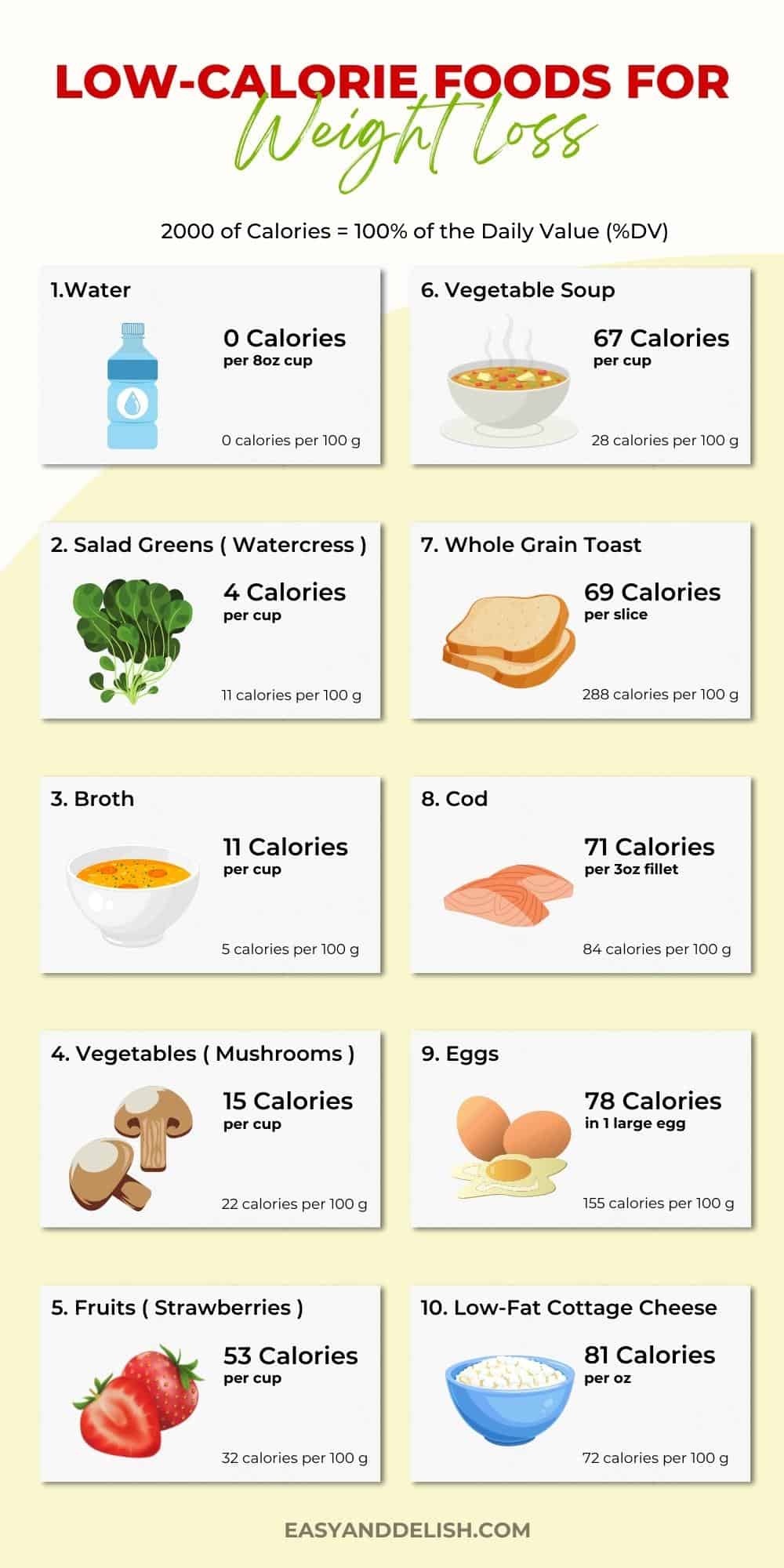
A low-calorie diet fundamentally involves consuming fewer calories than the body expends, leading to a caloric deficit that typically results in weight loss. While the health benefits of maintaining a healthy weight are well-documented – including reduced risk of chronic diseases such as type 2 diabetes, heart disease, and certain cancers – the economic ripple effects are often overlooked. Adopting a low-calorie diet is, in essence, a financial decision that impacts how we spend our money, where we invest it, and ultimately, our financial stability and future.
The Economics of Low-Calorie Eating: A Personal Finance Perspective
For individuals, embarking on a low-calorie diet often necessitates a re-evaluation of spending habits, particularly concerning food. The notion that healthy eating is inherently more expensive is a common misconception, yet the reality can be more nuanced, requiring strategic financial planning.
Budgeting for Nutrient-Dense, Low-Calorie Meals
One of the primary financial considerations for anyone contemplating a low-calorie diet is the cost of food. Many assume that fresh produce, lean proteins, and whole grains, which form the backbone of a healthy low-calorie regimen, are pricier than processed, calorie-dense alternatives. While some specialty health foods can indeed carry a premium, smart budgeting and mindful shopping can make healthy eating highly cost-effective.
Strategies for maximizing value while adhering to a low-calorie budget include:
- Seasonal and Local Produce: Buying fruits and vegetables when they are in season and sourced locally can significantly reduce costs. Farmers’ markets often offer better prices than conventional supermarkets.
- Bulk Purchasing: Non-perishable items like whole grains (oats, brown rice, quinoa), legumes (lentils, beans), and certain frozen fruits and vegetables are often cheaper when bought in larger quantities.
- Meal Prepping: Planning meals in advance and preparing them in bulk not only saves time but also minimizes impulse purchases and reliance on expensive takeout or convenience foods. Cooking at home from scratch almost always proves more economical than dining out.
- Utilizing Sales and Coupons: Strategic use of supermarket sales, loyalty programs, and digital coupons for healthy staples can yield substantial savings over time.
- Minimizing Food Waste: Careful portioning and creative use of leftovers ensure that every dollar spent on groceries is fully utilized, preventing financial losses from spoilage.
By adopting these financially savvy habits, individuals can demonstrate that a low-calorie diet, rich in nutrient-dense whole foods, is not a luxury but an attainable goal for even budget-conscious consumers. The initial investment in learning to cook and plan meals efficiently often pays dividends in both health and financial savings.
Long-Term Financial Benefits of a Healthy Lifestyle
Beyond the immediate grocery bill, the long-term financial benefits of maintaining a healthy weight through a low-calorie diet are substantial and often overlooked in personal finance discussions. These benefits accrue through reduced healthcare expenditures and enhanced productivity.
- Reduced Healthcare Costs: A healthy lifestyle, including a balanced low-calorie diet, is a powerful preventative measure against numerous chronic diseases. Avoiding or delaying conditions such as diabetes, heart disease, high blood pressure, and obesity-related ailments can lead to significant savings on medical treatments, prescription medications, hospital stays, and ongoing care. Health insurance premiums can also be influenced by an individual’s health status in certain contexts.
- Increased Productivity and Earning Potential: Good health translates directly into fewer sick days, more consistent energy levels, and improved cognitive function. This enhanced productivity can positively impact career advancement, earning potential, and overall job security. A healthier individual is often a more engaged and effective worker, making them a more valuable asset in the workforce.
- Savings from Avoiding Unhealthy Habits: Adopting a low-calorie diet often means reducing consumption of costly processed snacks, sugary beverages, frequent fast-food meals, and excessive alcohol, all of which represent significant discretionary spending. The money saved from these habits can be redirected towards savings, investments, or other financial goals, bolstering overall financial well-being.
Ultimately, investing in one’s health through a prudent low-calorie diet can be viewed as a high-return financial investment, yielding compounding benefits over a lifetime.
Navigating the Low-Calorie Market: Business & Consumer Finance
The pursuit of low-calorie diets isn’t just a personal journey; it’s a massive industry. Businesses around the globe are capitalizing on the growing demand for healthy, diet-friendly products and services, creating both investment opportunities and complexities for consumers.
The Booming Low-Calorie Food Industry: Investing Opportunities
The global market for healthy food and beverages, a significant portion of which caters to low-calorie and weight-management diets, is experiencing robust growth. Driven by increasing health awareness, rising disposable incomes in emerging markets, and an aging global population, this sector presents compelling opportunities for investors.
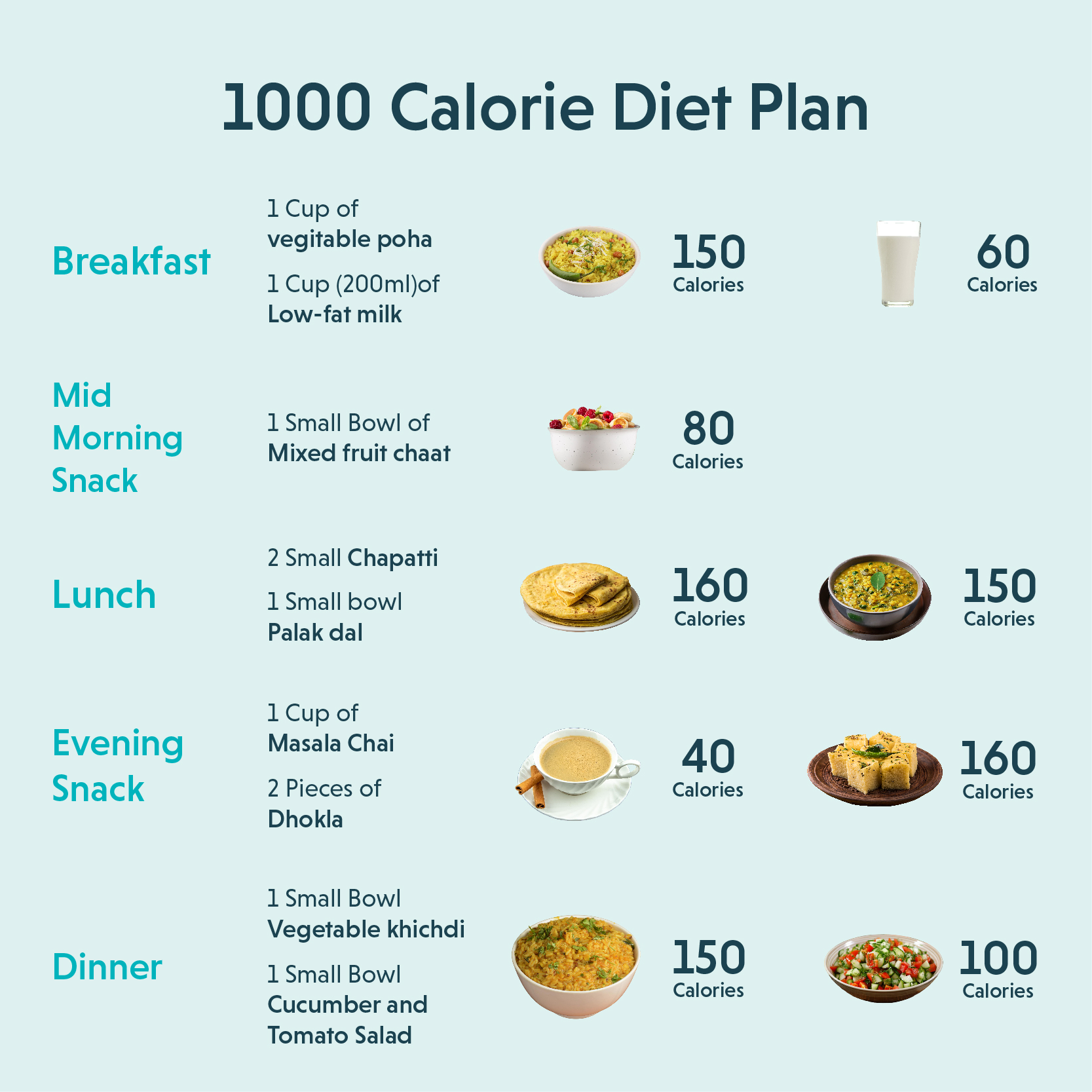
- Market Size and Growth: The market for functional foods, fortified foods, and specialized diet products (including low-calorie, low-carb, keto, etc.) is expanding rapidly. Companies focused on plant-based alternatives, natural sweeteners, and “free-from” products are particularly well-positioned.
- Investment Avenues: Investors can explore various avenues, including publicly traded food and beverage companies innovating in the low-calorie space, start-ups disrupting traditional food markets with healthier options, and even venture capital funds specializing in health and wellness. Areas like meal kit delivery services, personalized nutrition platforms, and health technology integrations (e.g., smart kitchen appliances aiding calorie tracking) also offer growth potential.
- Consumer Demand Driving Financial Growth: Shifting consumer preferences towards healthier eating are not a fleeting trend but a fundamental change in lifestyle. This sustained demand provides a stable foundation for the financial growth of companies that can effectively meet these needs with innovative, appealing, and genuinely healthy low-calorie products.
Understanding the dynamics of this market can help investors identify promising ventures that align with long-term societal shifts towards wellness.
The Cost of “Diet” Products: A Critical Consumer View
While the industry presents opportunities, consumers must exercise financial discernment. The term “diet” or “low-calorie” on a product label often comes with a premium price tag, and not all such products deliver true value for money or optimal nutrition.
- Premium Pricing: Many processed “diet” foods, meal replacements, and specialized supplements designed for low-calorie diets are significantly more expensive than their whole-food counterparts. This premium often covers extensive marketing, patented formulations, and the perceived convenience or exclusivity of the product.
- Value vs. Marketing: Consumers need to critically evaluate whether the added cost of a “low-calorie” branded product genuinely translates into superior nutritional value, efficacy, or convenience that justifies the expense. Often, basic, unprocessed ingredients can provide the same or better nutritional profile at a fraction of the cost. For instance, making a smoothie at home with fresh fruit and protein powder is almost always cheaper and healthier than buying a pre-made “diet” shake.
- Smart Consumer Choices: Financially astute consumers will prioritize whole, unprocessed foods that are naturally low in calories and high in nutrients. They will compare unit prices, scrutinize ingredient lists for hidden sugars or unhealthy additives, and question whether the marketing hype aligns with the product’s actual value. This critical approach ensures that financial resources are allocated towards truly beneficial foods rather than overpriced, less effective alternatives.
For consumers, navigating the low-calorie market requires a blend of nutritional literacy and financial acumen to avoid falling prey to marketing ploys and to secure the best value for their health-focused spending.
Low-Calorie Diets as a Financial Tool for Wellness
Ultimately, adopting a low-calorie diet can be seen as more than just a health regimen; it’s an integrated financial strategy that fosters long-term well-being and fiscal responsibility.
Calculating the ROI of Healthy Eating
Thinking about a low-calorie diet as an investment allows for the calculation of its Return on Investment (ROI). This ROI isn’t just measured in pounds lost or improved lab results, but also in quantifiable financial terms.
- Quantifying Financial Returns: The ROI of healthy eating can be seen in various ways: fewer out-of-pocket medical expenses, reduced reliance on costly medications, increased work attendance and productivity (leading to potential bonuses or promotions), and even lower life insurance premiums over time. The cumulative effect of these savings and gains can be substantial over a decade or more.
- Beyond Monetary Value: While quantifying financial returns is useful, the true ROI extends beyond direct monetary value to include intangible benefits like improved quality of life, greater energy, enhanced mental clarity, and reduced stress – all of which contribute indirectly to financial resilience and the capacity to pursue income-generating activities.
By making conscious food choices, individuals are essentially investing in their future selves, financially and physically.
Integrating Low-Calorie Principles into Financial Planning
The discipline required for a successful low-calorie diet – mindful consumption, planning, consistency, and resisting immediate gratification for long-term gain – mirrors the fundamental principles of sound financial management.
- Discipline and Self-Control: Just as financial planning requires discipline to save, invest, and avoid impulsive spending, a low-calorie diet demands discipline in food choices and portion control.
- Long-Term Vision: Both successful dieting and successful financial planning require a long-term perspective, focusing on sustained habits rather than quick fixes. Small, consistent efforts over time yield significant results in both arenas.
- Budgeting and Allocation: The act of budgeting for healthy food and allocating resources efficiently between immediate needs and future goals is a common thread between diet and finance.
Viewing food choices as an integral part of holistic financial and personal planning empowers individuals to make decisions that simultaneously optimize their physical health and financial security.
Conclusion
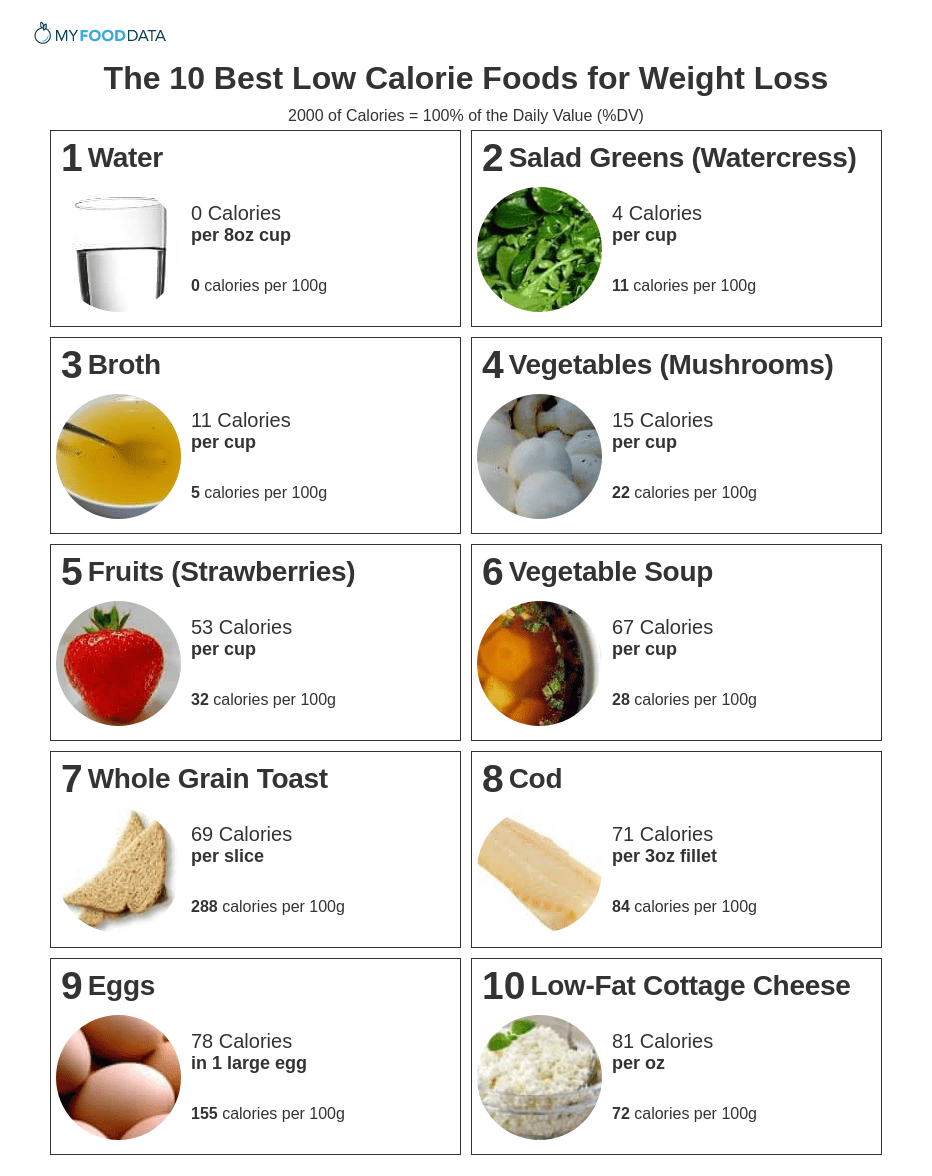
Low-calorie diets, while primarily understood as a tool for physical health and weight management, exert a profound and often underestimated influence on our financial lives. From the daily budgeting required for nutritious meals to the long-term savings on healthcare and the vast economic opportunities within the wellness industry, the financial dimensions are undeniable. By adopting a strategic, informed approach to low-calorie eating, individuals can not only cultivate better health but also fortify their financial well-being, demonstrating that investments in health are truly investments in wealth. Understanding these interwoven aspects allows for a more holistic approach to living a rich, healthy, and financially secure life.
aViewFromTheCave is a participant in the Amazon Services LLC Associates Program, an affiliate advertising program designed to provide a means for sites to earn advertising fees by advertising and linking to Amazon.com. Amazon, the Amazon logo, AmazonSupply, and the AmazonSupply logo are trademarks of Amazon.com, Inc. or its affiliates. As an Amazon Associate we earn affiliate commissions from qualifying purchases.