
In an economic landscape often characterized by shifts and uncertainties, understanding the current state of loan rates is paramount for individuals and businesses alike. Whether you’re contemplating a home purchase, planning to finance a new vehicle, consolidating debt, or seeking capital for your enterprise, the prevailing interest rates can significantly impact the affordability and long-term cost of borrowing. Loan rates are not static; they are dynamic figures influenced by a myriad of global and domestic economic factors, central bank policies, and even your personal financial health. This article delves into the contemporary environment of loan rates, exploring what drives them, examining specific loan categories, and outlining strategies to help you secure the most favorable terms in today’s market.
Understanding the Current Landscape of Loan Rates
To navigate the complex world of borrowing, it’s essential to first grasp the fundamental mechanics of loan rates and the overarching economic forces that shape them. These rates are a reflection of the cost of money, influenced by everything from geopolitical events to domestic spending habits.
The Basics: What is a Loan Rate?
At its core, a loan rate, or interest rate, is the cost of borrowing money, expressed as a percentage of the principal amount. When you borrow money, the lender charges you this percentage for the privilege of using their capital. This rate directly determines the amount you will pay back over the loan’s lifetime in addition to the original sum borrowed. It’s crucial to distinguish between the nominal interest rate and the Annual Percentage Rate (APR). While the interest rate is the percentage charged on the principal, the APR often provides a more comprehensive picture of the total cost of borrowing, as it includes the interest rate plus any additional fees, such as origination fees, closing costs, or discount points, expressed as an annualized percentage. Understanding both is vital for comparing loan offers accurately.
Key Economic Drivers Influencing Rates
The interest rates offered by lenders are not plucked from thin air; they are intricately tied to broader economic conditions and the actions of monetary authorities. Several key drivers play a significant role in dictating where loan rates stand today:
Federal Reserve Policy and the Federal Funds Rate
Perhaps the most influential factor in the U.S. is the Federal Reserve’s monetary policy. The Federal Reserve, or “the Fed,” uses various tools to manage the economy, with the federal funds rate being a primary lever. This is the target interest rate at which commercial banks borrow and lend their excess reserves to each other overnight. While the federal funds rate isn’t directly what consumers pay, it serves as a benchmark that influences all other interest rates in the economy, including prime rates, mortgage rates, and personal loan rates. When the Fed raises its target rate, borrowing generally becomes more expensive across the board, and vice-versa when it lowers the rate. Today, the Fed’s stance on inflation and economic growth heavily dictates its rate decisions, leading to periods of tightening (rate hikes) or easing (rate cuts).
Inflation Expectations
Inflation, the rate at which the general level of prices for goods and services is rising, also significantly impacts loan rates. Lenders need to ensure that the return they receive on their loans outpaces inflation, otherwise, the real value of their money diminishes over time. Therefore, if inflation is expected to rise, lenders will demand higher interest rates to compensate for the anticipated loss in purchasing power. Conversely, if inflation is low and stable, there might be less upward pressure on rates. The Fed’s actions are often a direct response to inflation trends, aiming to keep it within a target range.
Economic Growth and Stability
A robust economy, characterized by strong job growth, healthy consumer spending, and business expansion, often leads to higher demand for credit. In such an environment, lenders may feel more confident lending and can command higher rates due to increased demand and perceived lower risk. Conversely, during periods of economic slowdown or recession, demand for loans typically wanes, and central banks may lower rates to stimulate borrowing and investment. Global economic stability, geopolitical events, and even supply chain disruptions can also ripple through financial markets, affecting investor confidence and, consequently, loan rates.
A Closer Look at Specific Loan Categories
While the broad economic drivers set the stage, specific loan types have their own unique market dynamics and influencing factors. Understanding these nuances is crucial when seeking financing for particular needs.
Mortgage Rates: Navigating the Housing Market
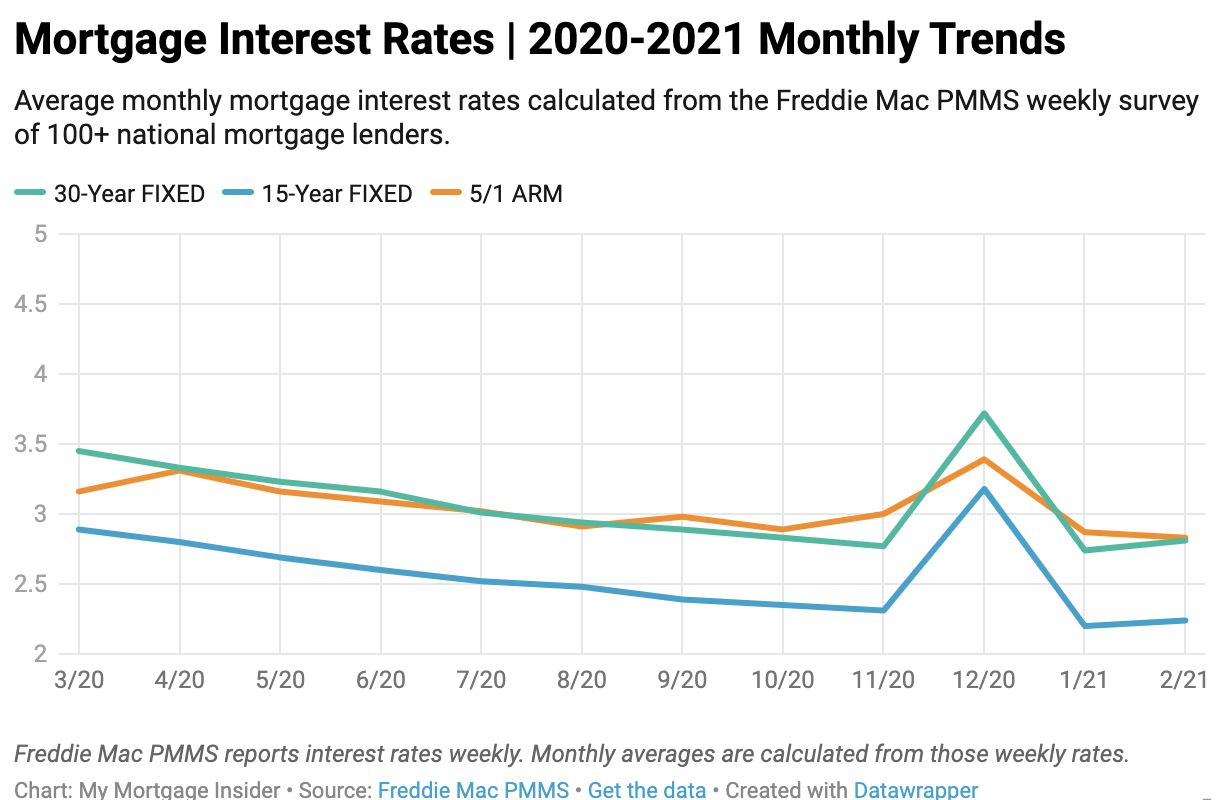
Mortgage rates are arguably the most scrutinized loan rates, given their profound impact on housing affordability and the broader real estate market. These rates are primarily influenced by the 10-year Treasury yield, inflation expectations, and the overall health of the housing market.
Fixed vs. Adjustable-Rate Mortgages
Today, borrowers continue to choose between fixed-rate mortgages (FRMs) and adjustable-rate mortgages (ARMs). Fixed-rate mortgages offer a constant interest rate over the entire loan term (typically 15 or 30 years), providing predictable monthly payments regardless of market fluctuations. ARMs, on the other hand, start with a lower introductory rate for a set period (e.g., 5, 7, or 10 years) and then adjust periodically based on an index like the Secured Overnight Financing Rate (SOFR). The choice depends on a borrower’s risk tolerance and their outlook on future interest rate movements. When rates are high, ARMs might seem attractive initially, but they carry the risk of significantly higher payments if rates rise after the fixed period.
Impact of Market Volatility
Mortgage rates are particularly sensitive to market volatility. Economic data releases, Fed announcements, and even international events can cause daily swings. For potential homeowners, monitoring these trends and understanding market forecasts is crucial for locking in the best possible rate. Lenders also factor in the borrower’s credit score, debt-to-income ratio, and down payment amount, which can lead to significant variations in offered rates.
Personal Loans: Financing Life’s Needs
Personal loans offer a versatile financing option for a wide range of needs, from debt consolidation and home improvements to unexpected expenses. These are typically unsecured, meaning they don’t require collateral, which makes the borrower’s creditworthiness a primary determinant of the interest rate.
Unsecured vs. Secured Personal Loans
Most personal loans today are unsecured, with rates varying widely based on the borrower’s credit score, income, and debt-to-income ratio. Excellent credit can unlock rates in the single digits, while those with lower scores might face rates upwards of 20% or even higher. Some lenders offer secured personal loans, which require collateral (like a savings account or vehicle), often resulting in lower interest rates due to reduced risk for the lender.
Credit Score’s Crucial Role
For personal loans, your credit score is king. Lenders use it as a primary indicator of your likelihood to repay the loan. A higher FICO score demonstrates a history of responsible borrowing and payment, signaling lower risk and thus qualifying you for more competitive rates. Maintaining a strong credit profile through timely payments, low credit utilization, and a diverse credit mix is paramount for securing favorable personal loan terms.
Auto Loan Rates: Driving Your Purchase Decisions
Auto loan rates are influenced by the general economic environment, but also by the specific dynamics of the automotive industry, vehicle type, and the borrower’s credit profile.
New vs. Used Car Rates
Typically, new car loans tend to have lower interest rates than used car loans. This is because new cars generally have a higher resale value and are perceived as less risky collateral. Used cars, especially older models, carry a higher risk of depreciation and mechanical issues, leading to higher rates. The vehicle’s make, model, and age can all play a role in the final rate.
Manufacturer Incentives
At times, car manufacturers offer promotional financing deals with exceptionally low, sometimes even 0%, APRs. These incentives are usually for new vehicles and are available to buyers with excellent credit. While attractive, it’s important to compare these offers with cash rebates, as sometimes a cash discount combined with a standard low-rate loan can be a better deal. Dealer financing can also be a significant factor; while convenient, comparing it with offers from banks and credit unions is always a good practice.
Student Loan Rates: Investing in Education
Student loan rates are a critical consideration for both current students and graduates looking to refinance. These loans are distinct in that they often have government backing or oversight, leading to different rate structures.
Federal vs. Private Student Loans
Federal student loans generally offer fixed interest rates that are set annually by Congress and are often lower than private loans, especially for undergraduate students. They also come with borrower protections like income-driven repayment plans and deferment options. Private student loans, offered by banks and credit unions, can have either fixed or variable rates and often depend heavily on the borrower’s (and sometimes co-signer’s) creditworthiness. Today, many borrowers with private loans are exploring refinancing options to potentially secure lower rates, especially if their credit score has improved since they first took out the loans.
Repayment Options and Refinancing
The landscape for student loans emphasizes careful planning. Federal loans often have grace periods and various repayment plans. For private loans, and for federal loans once the protections are exhausted, refinancing can be a powerful tool. If current market rates are lower than your existing loan rates, or if your credit has improved, refinancing to a new loan with a lower interest rate can save thousands over the life of the loan.
Business Loan Rates: Fueling Entrepreneurship
For entrepreneurs and established businesses, access to capital at favorable rates is crucial for growth, expansion, and managing cash flow. Business loan rates are highly variable, influenced by the business’s credit history, industry, revenue, and collateral.
SBA Loans, Term Loans, Lines of Credit
Small Business Administration (SBA) loans, backed by the government, typically offer some of the most competitive rates for small businesses, especially for those who might not qualify for traditional bank loans. Conventional term loans from banks and credit unions are also common, with rates varying based on the loan term, the amount, and the business’s financial health. Business lines of credit offer flexibility, allowing businesses to draw funds as needed, with interest only charged on the amount drawn. Other options like equipment financing or merchant cash advances exist but often come with higher effective interest rates.
Industry-Specific Factors
Certain industries are perceived as higher risk than others, which can influence interest rates. For example, a startup in a volatile tech sector might face higher rates than an established manufacturing company with consistent revenue. Lenders also scrutinize a business’s cash flow, debt service coverage ratio, and personal guarantees from owners when determining rates.
Strategies for Securing Favorable Loan Rates
Regardless of the loan type, adopting smart financial practices and proactive strategies can significantly improve your chances of obtaining the most competitive interest rates available today.
The Power of Your Credit Score
Your credit score is the single most influential factor in determining the interest rates you’ll be offered for most types of loans. Lenders use it to assess your creditworthiness and the likelihood of you repaying your debts.
Understanding Credit Reports
Regularly reviewing your credit reports from all three major bureaus (Equifax, Experian, and TransUnion) is critical. Check for errors, identify areas for improvement, and understand the factors contributing to your score. Payment history, credit utilization, length of credit history, new credit, and credit mix all play a role.
Tips for Improvement
To improve your score, focus on paying all bills on time, keeping credit card balances low (ideally below 30% utilization), avoiding opening too many new credit accounts simultaneously, and resolving any errors on your credit report. A higher credit score signals lower risk to lenders, translating into lower interest rates and potentially saving you thousands over the loan term.
Shopping Around: Don’t Settle for the First Offer
One of the biggest mistakes borrowers make is accepting the first loan offer they receive. The market is competitive, and rates can vary significantly between lenders.
Comparing Lenders: Banks, Credit Unions, Online Lenders
Explore options from a diverse range of financial institutions. Traditional banks, local credit unions (which often offer more personalized service and potentially lower rates for members), and a growing number of online lenders each have unique strengths and rate structures. Online lenders, in particular, often have lower overheads and can sometimes pass those savings on to borrowers in the form of lower rates.
Utilizing Rate Comparison Tools
Many reputable financial websites and platforms offer rate comparison tools. By inputting your basic financial information, you can get pre-qualified offers from multiple lenders without impacting your credit score with multiple hard inquiries. This allows you to compare APRs, terms, and fees side-by-side to find the best fit.
Understanding Loan Terms and Fees
The advertised interest rate is just one piece of the puzzle. The overall cost of a loan is also influenced by its terms and any associated fees.
APR vs. Interest Rate
Always compare loans based on their Annual Percentage Rate (APR), not just the nominal interest rate. The APR includes most fees (like origination fees), giving you a more accurate picture of the total cost of borrowing. A loan with a slightly lower interest rate but higher fees might end up being more expensive than one with a slightly higher interest rate and no fees.
Hidden Costs and Prepayment Penalties
Scrutinize the fine print for any hidden fees, such as application fees, processing fees, or closing costs that might not be fully reflected in the APR. Also, check for prepayment penalties. Some lenders charge a fee if you pay off your loan early, which can negate some of the savings if you plan to accelerate your payments.
Considering Professional Advice
For complex financial situations, or if you’re making a significant borrowing decision like a mortgage or business loan, consulting a financial advisor or mortgage broker can be invaluable. These professionals can provide personalized advice, help you understand your options, and even assist in negotiating better terms with lenders.
The Future Outlook: What to Expect
Predicting future loan rates with absolute certainty is impossible, as they are subject to a confluence of unpredictable global and domestic events. However, understanding potential shifts can help borrowers make more informed decisions today.
Potential Shifts in Monetary Policy
The Federal Reserve’s ongoing battle with inflation and its assessment of economic strength will continue to be the primary driver of short-term interest rate movements. Should inflation prove persistent, or the economy remain robust, we might see continued stability or even upward pressure on rates. Conversely, a significant economic downturn or a sustained period of disinflation could prompt the Fed to consider rate cuts, making borrowing cheaper.
Adapting to Market Dynamics
Borrowers should remain agile and adaptable. Economic indicators, central bank communications, and geopolitical developments should be monitored. For long-term loans like mortgages, locking in a favorable fixed rate during periods of stability can provide peace of mind. For shorter-term needs or for those with improving credit, variable rates might present opportunities, though with increased risk. The trend towards digital lending and personalized financial tools will also continue to evolve, offering new ways to compare and secure financing.

Conclusion: Making Informed Borrowing Decisions
“What are loan rates today?” is a question with a multifaceted answer, reflecting the dynamic interplay of global economics, central bank policies, specific market segments, and individual financial profiles. There is no single “today’s rate” that applies to everyone and every loan. Instead, it’s a spectrum influenced by a borrower’s creditworthiness, the type of loan sought, and the prevailing economic winds.
For anyone considering borrowing, the key takeaway is empowerment through knowledge. By understanding the factors that drive rates, diligently improving your credit profile, thoroughly shopping around for the best offers, and meticulously examining all terms and fees, you can navigate today’s loan landscape effectively. Staying informed and proactive are your strongest assets in securing the most favorable loan rates, ultimately saving you money and contributing to your long-term financial well-being.
aViewFromTheCave is a participant in the Amazon Services LLC Associates Program, an affiliate advertising program designed to provide a means for sites to earn advertising fees by advertising and linking to Amazon.com. Amazon, the Amazon logo, AmazonSupply, and the AmazonSupply logo are trademarks of Amazon.com, Inc. or its affiliates. As an Amazon Associate we earn affiliate commissions from qualifying purchases.