
In an era dominated by advanced sensors, artificial intelligence, and instantaneous digital analytics, it might seem anachronistic to discuss something as seemingly simple as litmus paper. Yet, this unassuming strip of paper represents a foundational pillar of diagnostic technology, a precursor to many of the sophisticated monitoring systems we rely on today. Far from being a relic, understanding litmus paper offers profound insights into the principles of measurement, the evolution of diagnostic tools, and the enduring value of low-tech solutions in a high-tech world. This article delves into what litmus paper is, its operational mechanics, and its often-overlooked significance within the broader landscape of technological innovation and analytical methodology.

The Enduring Simplicity of an Analog Sensor
Before the advent of microcontrollers, integrated circuits, and digital displays, the world relied on ingenious, often chemical, methods for obtaining vital information. Litmus paper stands as a prime example of such ingenuity—a fundamental analog sensor that provides immediate, tangible data without a single byte of code or a flicker of an LED.
Origins and Basic Functionality
The use of natural dyes as indicators for acidity and alkalinity dates back centuries, with various plant extracts employed long before the formal isolation of litmus. Litmus itself is a water-soluble mixture of different dyes extracted from lichens, particularly Roccella tinctoria. Its discovery and application as a standardized chemical indicator are often attributed to the 17th-century chemist Robert Boyle, who observed the color changes of plant extracts in response to acids and bases.
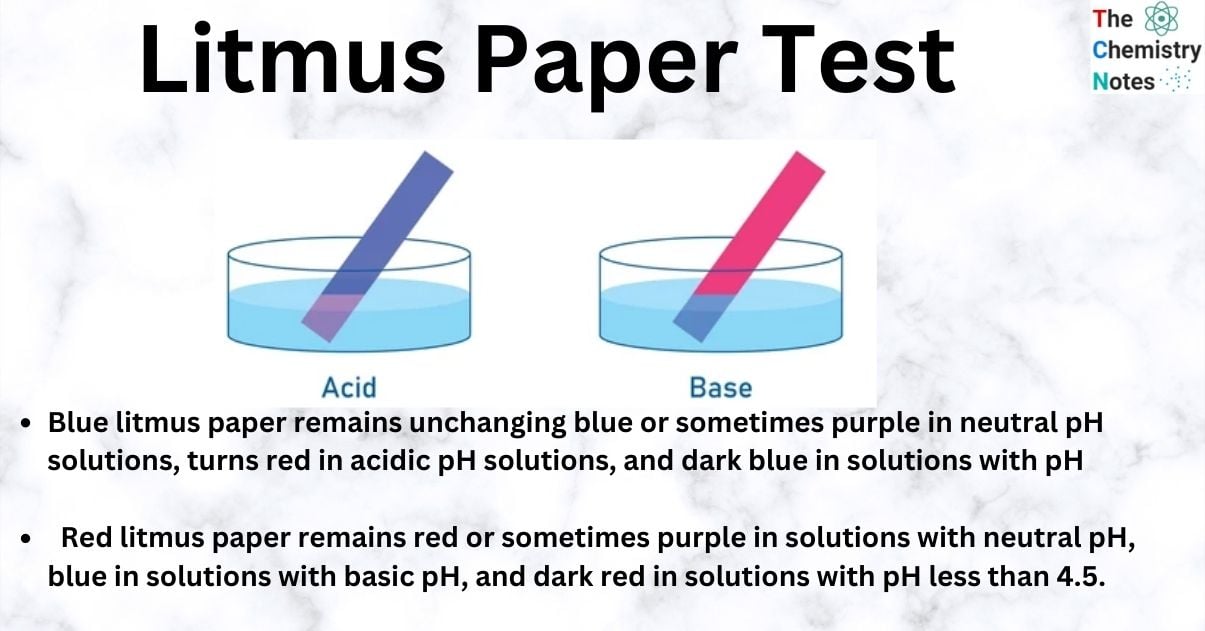
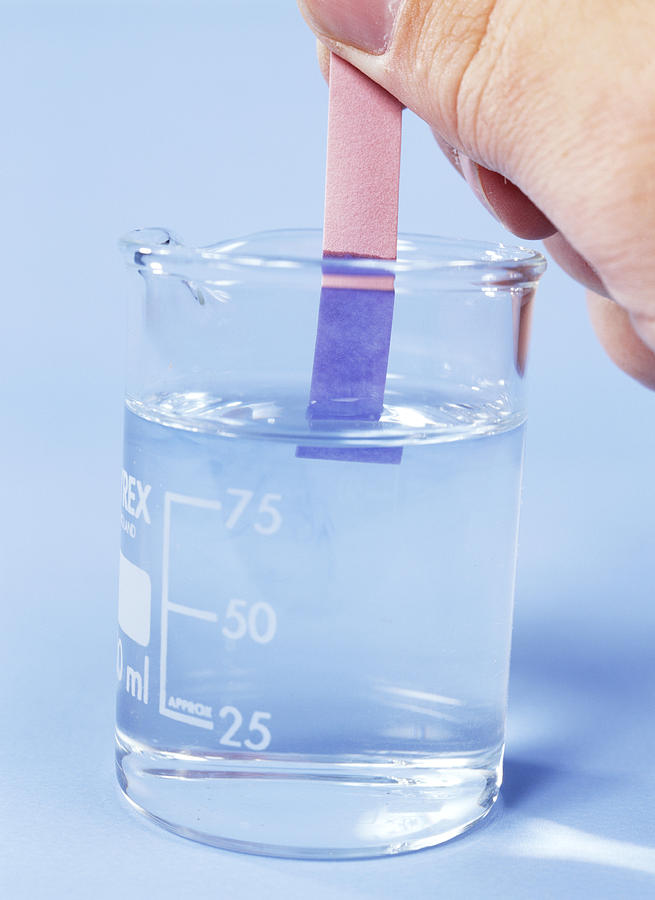
At its core, litmus paper is a filter paper impregnated with this natural dye mixture. Its basic functionality is remarkably straightforward: when exposed to an acidic solution, it turns red; when exposed to an alkaline (basic) solution, it turns blue. If the solution is neutral, the paper’s original color (typically purple or a muted reddish-blue) remains unchanged. This binary output—red or blue—makes it an incredibly intuitive and easy-to-interpret diagnostic tool, requiring no specialized training or calibration.
The Core Chemistry: pH and Color Change
To understand how litmus paper functions, one must grasp the concept of pH. pH is a scale used to specify the acidity or basicity of an aqueous solution. It ranges from 0 to 14, with 7 being neutral. Solutions with a pH less than 7 are acidic, and solutions with a pH greater than 7 are basic or alkaline. The pH scale is logarithmic, meaning each whole pH value below 7 is ten times more acidic than the next higher value, and similarly for values above 7.
Litmus dye contains molecules that change their chemical structure, and thus their light absorption properties (color), depending on the concentration of hydrogen ions (H⁺) in the solution. In an acidic environment (high H⁺ concentration), the dye molecules protonate, leading to a red coloration. In a basic environment (low H⁺ concentration), the dye molecules deprotonate, resulting in a blue coloration. This reversible chemical reaction is the mechanism by which litmus paper provides its diagnostic output. It’s a direct chemical interaction, offering an immediate visual representation of a solution’s pH range.
Advantages in a Rapidly Evolving Tech Landscape
Despite the proliferation of sophisticated digital pH meters, litmus paper retains several compelling advantages, especially when viewed through a pragmatic technological lens:
- No Power Required: This is perhaps its most significant “tech” advantage. Litmus paper operates entirely without electricity, batteries, or any external power source. This makes it incredibly reliable in remote locations, during power outages, or in environments where electrical components might be compromised.
- Robustness and Durability: Unlike delicate electronic sensors, litmus paper is resistant to drops, minor impacts, and extreme temperatures (within reasonable limits). Its simplicity translates directly to enhanced durability.
- Cost-Effectiveness: Manufacturing litmus paper is inexpensive, making it an accessible diagnostic tool for educational institutions, developing regions, and budget-conscious applications. This low barrier to entry democratizes basic chemical analysis.
- Immediate, Visual Feedback: The color change is almost instantaneous, providing a quick “go/no-go” indication. This rapid feedback loop is invaluable for initial screening or quick checks where precise numerical values are not immediately necessary.
- Portability and Simplicity of Use: A small vial of litmus strips can be carried anywhere and used by anyone with minimal instruction. It embodies “plug-and-play” simplicity in its purest form.
These characteristics highlight why, even amidst advanced technological developments, foundational analog tools like litmus paper continue to hold significant value as primary diagnostic instruments.
Bridging the Analog-Digital Divide: Litmus as a Precursor to Modern Tech
The journey from a simple strip of paper that changes color to a sophisticated digital device displaying pH values with multiple decimal places illustrates a profound evolution in diagnostic technology. Litmus paper, in this context, serves not just as an ancient tool, but as a conceptual precursor, laying the groundwork for how we perceive and measure chemical properties.
From Simple Strips to Sophisticated pH Meters
Modern digital pH meters are complex gadgets that offer high precision and accuracy. They consist of a glass electrode and a reference electrode, which generate a voltage potential that varies with the pH of the solution. This voltage is then measured and converted into a digital pH reading by an electronic circuit. These devices often include temperature compensation, calibration features, and data logging capabilities, positioning them squarely within the realm of advanced tech.
However, the fundamental goal of a digital pH meter—to determine the acidity or alkalinity of a solution—is precisely the same as that of litmus paper. The key difference lies in the method and the granularity of the data. Litmus paper provides a qualitative or semi-quantitative reading (acid/base, or a rough range if universal indicator paper is used). Digital meters provide precise quantitative data. The conceptual leap from observing a color change to interpreting a voltage differential for pH measurement is significant, yet both tools are fundamentally fulfilling the same diagnostic need. Understanding litmus paper helps to demystify the core function of its digital counterparts, making the “black box” of a pH meter more comprehensible.
The Role of Litmus in STEM Education for Future Innovators
In the context of STEM (Science, Technology, Engineering, and Mathematics) education, litmus paper is an indispensable teaching aid. It provides a tangible, hands-on introduction to fundamental chemical concepts like acids, bases, and pH. Students can visually observe chemical reactions, fostering an intuitive understanding that digital readouts alone might not achieve.
For future engineers, chemists, and technologists, beginning with simple tools like litmus paper builds a foundational understanding of how any sensor works: an input (the solution), a sensing element (the dye), a transduction mechanism (color change), and an output (visual observation). This groundwork is crucial for grasping more complex sensor technologies, calibration principles, and the interpretation of data from digital instruments. It teaches critical thinking about observation, inference, and the limitations of different measurement tools—skills vital for any tech innovator.
Practical Applications in Modern DIY and Citizen Science
Beyond formal education and industrial labs, litmus paper finds practical utility in various modern DIY (Do-It-Yourself) and citizen science projects, often complementing or preceding the use of more advanced digital gadgets.
- Home Brewing & Winemaking: pH levels are critical for fermentation. While some hobbyists use digital meters, litmus paper offers a quick, inexpensive check for initial pH estimations.
- Gardening & Soil Testing: Plant health is highly dependent on soil pH. Litmus paper provides an accessible way for amateur gardeners to get a ballpark idea of their soil’s acidity or alkalinity, guiding decisions on soil amendments.
- Aquaponics & Aquaculture: Maintaining stable water pH is vital for aquatic life. Litmus paper allows for frequent, low-cost monitoring, acting as a first alert before potentially harmful pH shifts occur.
- Household Chemistry: From testing pool water to checking the acidity of food products, litmus paper offers a simple diagnostic for everyday chemical analysis without needing complex equipment.
In these scenarios, litmus paper isn’t replacing digital tech; it’s serving as a practical, accessible initial diagnostic tool. It empowers individuals to engage with scientific principles and make informed decisions using simple technology, demonstrating that not all valuable data requires cutting-edge electronics.
Understanding Data Collection: The Human Element in Tech Diagnostics
Even the most advanced technology requires human interaction for interpretation and decision-making. Litmus paper, while simple, highlights the importance of observational skills and critical thinking in data collection, principles that remain paramount regardless of the sophistication of the diagnostic tool.
Visual Interpretation vs. Digital Readouts
The output of litmus paper is purely visual. Its interpretation relies on the human eye’s ability to discern color. This introduces a degree of subjectivity, as slight variations in color perception or lighting conditions can influence results. However, this also forces the user to be actively engaged in the diagnostic process, rather than passively accepting a number from a screen.
Digital readouts, conversely, offer objective, precise numerical data. While seemingly superior in accuracy, they can also lead to a false sense of certainty if the user doesn’t understand the instrument’s calibration, potential errors, or the context of the measurement. The process of visually interpreting litmus paper trains a user to consider context, lighting, and the inherent limitations of the measurement, fostering a more critical approach to all data, digital or analog.
Ensuring Accuracy: Best Practices for Using Low-Tech Tools
Even with its simplicity, accurate results from litmus paper depend on proper technique, akin to ensuring proper calibration for a digital sensor. Best practices include:
- Proper Storage: Keeping litmus paper in a dry, dark place, away from chemical fumes, to prevent premature degradation or color change.
- Single-Use Application: Using a fresh strip for each test to avoid contamination.
- Appropriate Wetting: Ensuring the paper is adequately wet by the solution, but not oversaturated, which could dilute the dye or wash it off.
- Consistent Lighting: Observing the color change under consistent, neutral lighting conditions to minimize interpretive error.
These simple rules parallel the rigorous protocols required for operating high-tech diagnostic equipment, reinforcing the universal principle that reliable data collection, regardless of the tool’s complexity, hinges on meticulous adherence to methodology.
When Digital Isn’t Necessary: Strategic Use of Analog Diagnostics
The proliferation of advanced diagnostic tools often leads to the misconception that “newer” and “more complex” are always “better.” Litmus paper offers a powerful counter-narrative, demonstrating that sometimes, the simplest tool is the most appropriate and efficient. For applications requiring only a general indication of acidity or alkalinity (e.g., distinguishing between a strong acid and a strong base, or ensuring a solution isn’t dangerously acidic), a digital pH meter with its multi-decimal precision is overkill.
Strategically deploying analog diagnostics like litmus paper in situations where speed, cost, robustness, or ease of use outweigh the need for high numerical precision can optimize resource allocation and workflow. It’s about choosing the right tool for the job, a critical skill in technology management and resource optimization.
The Future of Foundational Tools in a High-Tech World
As technology continues its relentless march forward, the temptation to dismiss older, simpler tools can be strong. However, foundational diagnostic instruments like litmus paper serve as vital touchstones, reminding us of the basic scientific principles that underpin all advanced tech and the enduring value of simplicity.
The Case for Simplicity: Why Low-Tech Endures
The longevity of litmus paper is a testament to the power of elegant design and fundamental utility. Its ability to provide crucial information without external power, complex setup, or significant cost ensures its continued relevance. In a world increasingly concerned with sustainability, resource efficiency, and access to basic tools, the “low-tech” solutions like litmus paper stand out for their inherent resilience and broad applicability. They represent a sustainable form of technology that doesn’t demand constant upgrades or specialized infrastructure.
Integrating Analog Insights into Digital Workflows
While distinct, analog and digital diagnostic tools are not mutually exclusive. In many modern workflows, they can complement each other. For instance, a quick litmus test can serve as an initial screen, immediately flagging samples that require further, more precise analysis with a digital pH meter. This “hybrid” approach optimizes efficiency: using the quick, cheap analog test for initial screening, and reserving the more resource-intensive digital test for critical measurements. This integration reflects a mature understanding of diagnostic technology, where tools are chosen based on their strategic fit within a larger analytical pipeline.
The Ever-Present Need for Basic Scientific Literacy in a Tech-Driven Society
Ultimately, understanding tools like litmus paper goes beyond mere functionality; it cultivates basic scientific literacy. In a tech-driven society, where complex algorithms and data streams often obscure underlying principles, a grasp of foundational science becomes ever more critical. Litmus paper offers a transparent window into chemical reactions and measurement principles. It encourages curiosity, hands-on experimentation, and an intuitive grasp of how the world works at a fundamental level. These are the very skills that foster innovation, critical thinking, and responsible engagement with technology, ensuring that future generations can not only use advanced tools but also understand, critique, and improve them.
In conclusion, litmus paper is far more than a simple piece of colored paper. It is a powerful, low-tech diagnostic tool that exemplifies principles of scientific measurement, sensor technology, and efficient data collection. Its enduring presence in labs, classrooms, and homes underscores its foundational importance, serving as a reminder that some of the most profound technological insights stem from the simplest, most elegant solutions.
aViewFromTheCave is a participant in the Amazon Services LLC Associates Program, an affiliate advertising program designed to provide a means for sites to earn advertising fees by advertising and linking to Amazon.com. Amazon, the Amazon logo, AmazonSupply, and the AmazonSupply logo are trademarks of Amazon.com, Inc. or its affiliates. As an Amazon Associate we earn affiliate commissions from qualifying purchases.