
The humble legging, a seemingly simple garment, has undergone a remarkable transformation, evolving from a basic undergarment to a cornerstone of modern fashion and athletic wear. While its primary function remains consistent – to cover the legs – the materials, manufacturing processes, and technological integration that define contemporary leggings are a testament to ongoing innovation. This article will explore the technological underpinnings of leggings, examining the materials science, design advancements, and production techniques that have propelled them to their current ubiquitous status. We will delve into how technology has not only improved the performance and comfort of leggings but also revolutionized their aesthetic appeal and market reach.
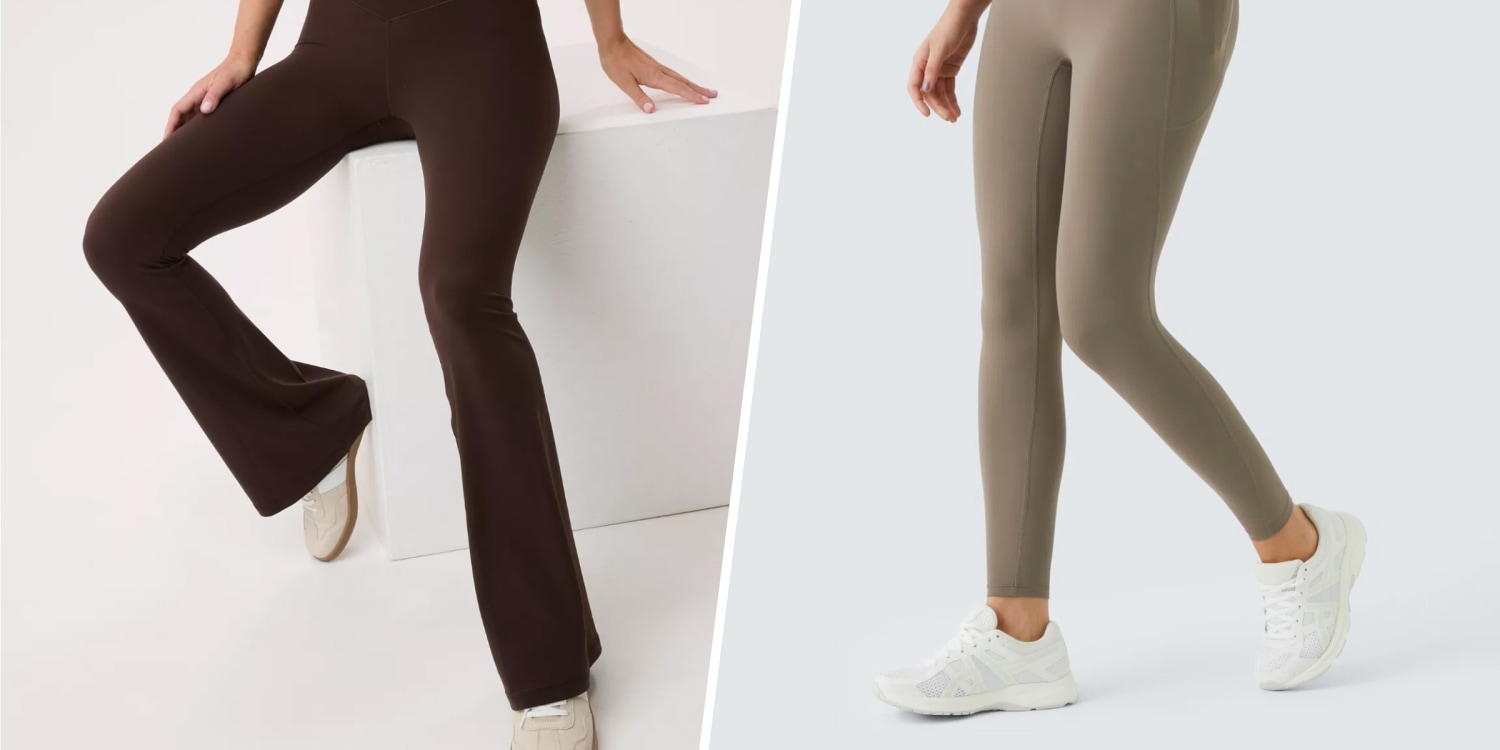
The Material Revolution: From Natural Fibers to High-Performance Synthetics
The evolution of leggings is inextricably linked to advancements in textile technology. Historically, leggings were primarily made from natural fibers like cotton, wool, or linen. While these materials offered breathability and comfort, they often lacked the stretch, durability, and moisture-wicking properties required for more demanding activities. The advent of synthetic fibers and sophisticated fabric blends marked a paradigm shift, fundamentally redefining what leggings could be and do.
The Rise of Synthetics: Polyester, Spandex, and Nylon
The 20th century witnessed the birth and rapid development of synthetic fibers that would become indispensable in the creation of modern leggings. Polyester, known for its durability, wrinkle resistance, and ability to hold color, provided a robust base for many legging constructions. Nylon, prized for its strength, elasticity, and smooth texture, offered enhanced resilience and a sleeker feel. However, it was the invention of spandex (also known as elastane or Lycra) that truly revolutionized the legging.
Spandex is a polyurethane-based fiber characterized by its exceptional elasticity, capable of stretching up to 500% without losing its shape. When blended with natural or other synthetic fibers, spandex imparts the crucial stretch and recovery that allows leggings to conform closely to the body, move with the wearer, and retain their form over time. The precise percentage of spandex in a legging blend directly influences its stretch, compression, and overall fit. Higher spandex content generally translates to greater stretch and a more supportive feel, often desired in performance wear.
Beyond the Basics: Advanced Fabric Technologies
Modern leggings utilize a sophisticated array of fabric technologies that go far beyond simple fiber blends. Manufacturers are constantly innovating to imbue leggings with specific performance characteristics:
- Moisture-Wicking Technologies: Fabrics treated with hydrophobic coatings or designed with specialized yarn structures actively pull moisture away from the skin to the fabric’s surface, where it can evaporate quickly. This is crucial for athletic leggings, keeping the wearer dry and comfortable during intense workouts. Brands employ proprietary names for these technologies, such as Nike’s Dri-FIT or Adidas’s Climalite, each representing a distinct approach to moisture management.
- Compression Fabrics: Engineered with tightly woven fibers and strategically placed panels, compression leggings apply gentle pressure to the muscles. This technology is believed to enhance blood circulation, reduce muscle fatigue, improve recovery, and provide a supportive feel. The level of compression can vary significantly, from mild support for everyday wear to high-impact compression for elite athletes.
- Odor Control Technologies: Infusing fabrics with antimicrobial agents, often silver ions or specially treated yarns, inhibits the growth of odor-causing bacteria. This is a significant advancement for activewear, allowing leggings to remain fresh for longer periods, even after strenuous use.
- Temperature Regulation: Some advanced leggings incorporate fibers or treatments designed to help regulate body temperature. This can include materials that wick heat away from the body in warmer conditions or thermal fibers that trap body heat in colder environments.
- Sustainable and Eco-Friendly Materials: A growing segment of legging production focuses on sustainability. This involves the use of recycled polyester (often derived from plastic bottles), organic cotton, and other environmentally conscious materials, reflecting a broader technological shift towards greener manufacturing practices.
The development and application of these material technologies represent a significant area of research and development within the textile industry, directly impacting the functionality, comfort, and perceived value of leggings.
The Engineering of Fit and Form: Design and Construction Innovations
Beyond the fabric itself, the design and construction of leggings have been revolutionized by technological advancements, moving beyond simple cut-and-sew operations to sophisticated engineering processes. The pursuit of the perfect fit, enhanced comfort, and aesthetic appeal has driven innovation in pattern making, sewing techniques, and garment construction.
Precision Pattern Making and 3D Design
Traditional pattern making, a craft honed over centuries, has been augmented and often replaced by digital technologies. Computer-Aided Design (CAD) software allows designers to create intricate patterns with unparalleled precision. These digital patterns can be easily modified, scaled, and adapted for different body types and sizes.
Furthermore, 3D design software enables designers to virtually prototype garments. This allows for realistic visualization of how a legging will drape and fit on a mannequin or a digital avatar, simulating movement and stretch before a single physical sample is produced. This not only speeds up the design process but also significantly reduces material waste and the need for costly physical iterations.
Advanced Seam Construction and Ergonomics
The seams on leggings play a critical role in their comfort, durability, and aesthetic. Technology has introduced several innovations in seam construction:

- Flatlock Seams: This technique involves interlocking stitches that lie flat against the skin, minimizing chafing and irritation, especially during dynamic movements. This is a common feature in athletic leggings where comfort is paramount.
- Bonded Seams: Instead of traditional stitching, some high-performance leggings utilize bonding agents or ultrasonic welding to join fabric panels. This creates a seamless, streamlined finish that can reduce bulk and improve flexibility.
- Ergonomic Seam Placement: Designers now employ ergonomic principles to strategically place seams to complement the body’s natural movement. This can involve contouring seams to follow muscle lines, providing targeted support, or avoiding areas prone to friction.
The focus on ergonomic design extends to features like high-waisted designs, strategically placed pockets, and sculpted panels that enhance both the visual appeal and the functional benefits of the legging. These design choices are often informed by biomechanical research and body mapping data, facilitated by technological analysis.
The Role of Digital Printing and Customization
Digital printing technologies have opened up a world of possibilities for legwear design. Unlike traditional screen printing, digital printing allows for intricate, high-resolution graphics, gradients, and photographic images to be applied directly to the fabric. This has enabled:
- Vibrant and Complex Designs: Brands can now create leggings with incredibly detailed patterns, intricate artwork, and even personalized graphics.
- On-Demand Customization: Digital printing facilitates more efficient small-batch production and customization. Consumers can increasingly order leggings with unique designs, monograms, or even personalized imagery, blurring the lines between mass production and bespoke apparel.
- Reduced Environmental Impact: Digital printing often uses less water and fewer chemicals compared to traditional printing methods, aligning with the growing demand for sustainable fashion.
The integration of these design and construction technologies ensures that modern leggings are not merely passive garments but are actively engineered to enhance performance, comfort, and individual expression.
Manufacturing and Distribution: The Technological Backbone of Accessibility
The widespread availability and affordability of leggings today are a direct result of technological advancements in manufacturing and supply chain management. From automated cutting and sewing to sophisticated inventory systems, technology has streamlined the production process, making leggings accessible to a global market.
Automation in Cutting and Sewing
The production of garments, including leggings, has benefited immensely from automation. Automated cutting machines, guided by digital patterns, can precisely cut multiple layers of fabric simultaneously, ensuring consistency and minimizing waste. In sewing, while still requiring skilled labor, advancements in industrial sewing machines offer increased speed, accuracy, and specialized functions for handling stretch fabrics. Robotic arms are also beginning to be integrated into certain stages of the garment assembly process, further optimizing efficiency.
Advanced Knitting and Weaving Techniques
The creation of the fabric itself is a highly technological process. Modern knitting and weaving machines are capable of producing complex fabric structures with integrated performance features. For example, circular knitting machines can create seamless tubes of fabric, which are then cut and sewn into leggings. These machines can also be programmed to vary the density and weave of the fabric in specific areas, creating zones of compression or enhanced breathability within a single piece of fabric. This level of control over fabric structure was unimaginable with older textile technologies.
Supply Chain Optimization and E-commerce
The global reach of leggings is facilitated by sophisticated supply chain management technologies. Enterprise Resource Planning (ERP) systems and specialized supply chain software enable manufacturers and retailers to track raw materials, manage inventory, optimize production schedules, and streamline logistics.
The rise of e-commerce has been a pivotal factor in the accessibility of leggings. Online platforms allow consumers to browse, select, and purchase leggings from anywhere in the world. Behind these user-friendly interfaces lie complex technological systems managing product catalogs, order processing, payment gateways, and shipping logistics. This digital infrastructure has democratized access to a vast array of legging styles, brands, and functionalities.
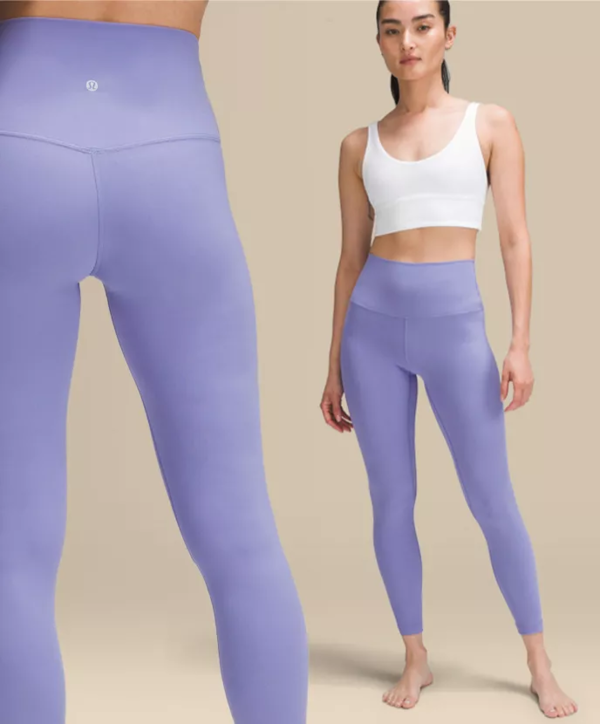
Data Analytics and Consumer Insights
Technology also plays a crucial role in understanding consumer demand and preferences for leggings. Data analytics, powered by artificial intelligence and machine learning, allows brands to analyze sales data, website traffic, social media trends, and customer feedback. This information helps in predicting demand, identifying popular styles and features, and informing future product development. By understanding what consumers want and need, brands can leverage technology to create leggings that resonate with the market, further fueling their popularity and continuous evolution.
In conclusion, the journey of the legging from a basic undergarment to a multifaceted apparel item is a compelling narrative of technological innovation. From the molecular engineering of advanced synthetic fibers and the precision of digital design to the efficiency of automated manufacturing and the reach of e-commerce, technology has been the driving force behind the legging’s enduring success. As material science, design engineering, and digital technologies continue to advance, we can anticipate even more sophisticated, functional, and stylish leggings emerging in the future, further solidifying their place as a wardrobe essential for the modern era.
aViewFromTheCave is a participant in the Amazon Services LLC Associates Program, an affiliate advertising program designed to provide a means for sites to earn advertising fees by advertising and linking to Amazon.com. Amazon, the Amazon logo, AmazonSupply, and the AmazonSupply logo are trademarks of Amazon.com, Inc. or its affiliates. As an Amazon Associate we earn affiliate commissions from qualifying purchases.