
In the annals of mid-century consumer products, few names carry as much weight—or as much cautionary subtext—as “lawn darts.” To a casual observer, lawn darts were a simple backyard game. To a brand strategist or a corporate identity expert, however, lawn darts represent a seminal case study in brand reputation, product liability, and the catastrophic consequences of a failure to align corporate identity with consumer safety.
The term “lawn darts” refers to a game involving heavy, metal-weighted projectiles designed to be tossed toward a ground target. While the product was a staple of American leisure culture in the 1960s and 70s, its journey from a backyard favorite to a federally banned item offers profound insights into how brands navigate—or fail to navigate—crisis management and regulatory shifts. In the modern marketplace, the legacy of lawn darts serves as a foundational lesson in how brand equity can be erased when a product’s physical design becomes synonymous with public danger.
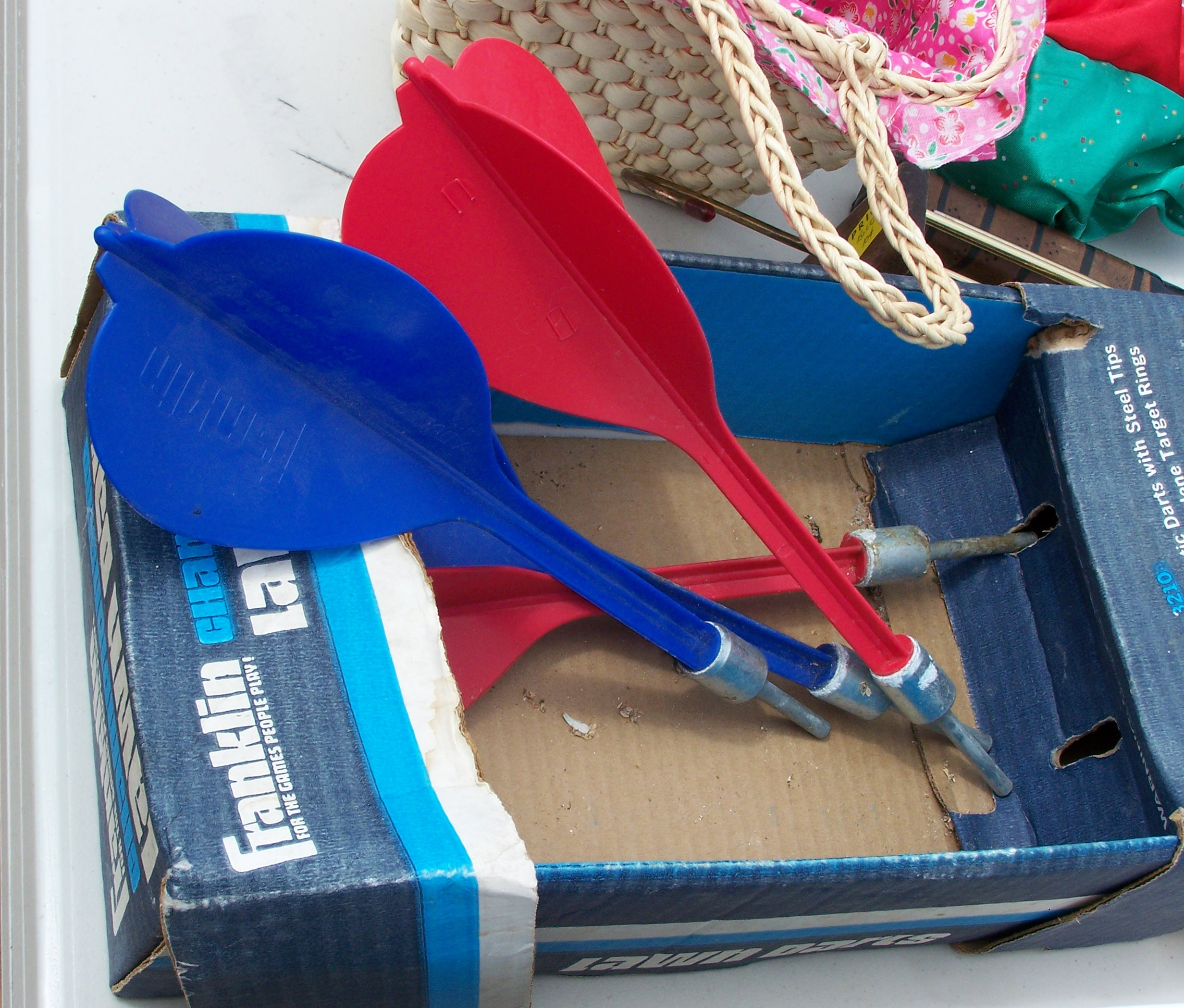
The Rise and Fall of a Cultural Icon: Brand Saturation and Public Perception
Before they became a legal pariah, lawn darts (often marketed under the brand name “Jarts”) were a triumph of niche branding. They occupied a unique space in the outdoor recreation market, positioned as a more “skill-based” alternative to horseshoes. The brand identity was built around the idea of rugged, all-American fun—a product that could withstand the elements and provide entertainment for the whole family.
From Backyards to Ban: The Evolution of a Brand Image
The branding of lawn darts originally focused on durability and aerodynamic precision. Marketing materials from the era depicted families gathered on manicured lawns, projecting an image of wholesome, suburban prosperity. However, as reports of serious injuries and fatalities began to mount throughout the 1970s and 80s, the brand image underwent a radical and uncontrollable transformation.
The transition from “wholesome recreation” to “deadly projectile” happened because the brand failed to control the narrative around product misuse. In brand strategy, identity is not just what you say about yourself; it is how the public perceives your utility. When a product is inherently dangerous, the brand’s identity eventually becomes tethered to that danger. For lawn darts, the brand’s inability to pivot toward safety features early on meant that the “Jarts” name became a linguistic shorthand for parental negligence.
The Power of Name Recognition in Niche Markets
Interestingly, “Jarts” became one of those rare brand names that achieved “proprietary eponym” status, similar to Kleenex or Xerox. People didn’t just play lawn darts; they played Jarts. This high level of brand recognition is usually the goal of any marketing department. Yet, in the case of lawn darts, this visibility became a double-edged sword. When the Consumer Product Safety Commission (CPSC) finally moved to ban the product in 1988, the brand recognition ensured that the ban was high-profile and definitive. The very strength of the brand’s identity made it an easy target for regulators seeking to make an example of unsafe consumer goods.
Brand Strategy and the Ethics of Consumer Safety
In modern corporate identity, safety is not merely a legal requirement; it is a core brand value. The history of lawn darts demonstrates what happens when a brand separates its commercial identity from its ethical responsibility. For years, manufacturers of lawn darts argued that the products were “games for adults” and should not be classified as toys. This was a strategic branding move intended to bypass toy safety regulations.
Managing Reputation During a National Product Recall
A critical component of brand strategy is the “Crisis Management Playbook.” When the 1988 ban was enacted, the brands behind lawn darts had no viable path forward because their identity was tied to the physical design of the pointed metal dart. Unlike companies that manage a recall by offering a “fix” or a replacement part, the lawn dart manufacturers faced a total existential threat.
From a brand perspective, the failure here was a lack of foresight in “defensive branding.” A resilient brand anticipates potential points of failure. Had the manufacturers invested in soft-tip technology or redesigned the aerodynamic profile of the product before the regulatory hammer fell, they might have preserved the “Jarts” brand identity as a leader in outdoor innovation rather than a relic of dangerous design.

Corporate Social Responsibility (CSR) in Product Design
Today, we look at brand strategy through the lens of Corporate Social Responsibility (CSR). A brand’s value is deeply connected to its social impact. In the decades following the ban, the story of lawn darts has been used by branding experts to illustrate the “cost of negligence.” When a brand ignores the social consequences of its product—even if those consequences stem from consumer misuse—it loses the “social license” to operate. For a brand to survive in the long term, its corporate identity must be perceived as being on the side of the consumer’s well-being.
Rebranding the Forbidden: How Companies Pivot After Regulatory Failure
The story of what happened after the ban is perhaps more interesting for modern brand managers. The demand for the “lawn dart experience” didn’t disappear; the market simply required a product that didn’t pose a lethal threat. This led to a fascinating period of rebranding and product pivoting that continues to this day.
The Soft-Tip Evolution: Maintaining Brand Essence in a Regulated Market
The vacuum left by the original lawn darts was eventually filled by “soft-tip” or weighted-bottom darts. These products represent a successful rebranding of a concept. Designers realized that the essence of the brand wasn’t the metal spike; it was the physics of the toss and the satisfaction of hitting a target.
By stripping away the dangerous elements and focusing on “Family-Friendly Fun,” new brands were able to resurrect the game. This is a classic example of “Brand Distillation”—taking a tarnished or failed concept, identifying the core value proposition that consumers loved, and discarding the toxic elements. Modern versions of the game are often branded with vibrant, neon colors and soft plastics, a visual identity that is the polar opposite of the heavy, industrial-looking original darts.
Nostalgia as a Marketing Tool for Reimagined Products
Nostalgia is a powerful force in brand strategy. Many companies today market “safe” lawn darts by tapping into the 1970s aesthetic. They leverage the collective memory of the game while simultaneously reassuring the consumer of the product’s modern safety standards. This “Nostalgia Branding” allows companies to inherit the cultural capital of the original lawn darts without inheriting the liability. It is a way of saying, “Remember the fun you had?” while the fine print says, “But we’ve made it safe for your children.”
Lessons for Modern Brands: Protecting Identity in a Litigious Landscape
What can a tech startup or a modern consumer brand learn from the saga of lawn darts? The primary takeaway is that brand identity is fragile and must be protected through proactive risk management.
The Cost of Brand Negligence
In the digital age, a brand’s reputation can be destroyed in hours, not years. While lawn darts took decades to be banned, a modern software company or app developer could see their brand equity vanish overnight due to a data breach or an unethical algorithm. The lawn dart story teaches us that a brand is only as strong as its weakest point of failure. If your “product” (whether it’s a physical dart or a piece of software) causes harm, your “brand” becomes the face of that harm.

Building Resilient Brands Through Safety-First Innovation
True brand leadership requires “Safety-First Innovation.” This means that safety and ethics are baked into the brand identity from day one, not added as an afterthought or a response to a lawsuit. Companies like Volvo or Patagonia have built multi-billion dollar brand identities around the concepts of safety and responsibility, respectively.
The manufacturers of lawn darts failed because they viewed safety as a constraint on their product rather than an opportunity for their brand. In contrast, modern successful brands view constraints—whether they are environmental, safety-related, or ethical—as the fuel for innovation. By embracing these constraints, a brand can create a product that is not only successful but also sustainable and legally resilient.
In conclusion, “What are lawn darts?” is a question that yields two answers. Physically, they were a discontinued backyard game. Strategically, they are a monument to the importance of brand integrity. They remind us that no amount of marketing or cultural nostalgia can save a brand that fails to protect its users. As we move further into a century defined by rapid technological change and heightened corporate scrutiny, the lesson of the lawn dart remains clear: a brand’s identity is its most valuable asset, and that asset must be guarded by a commitment to the public good.
aViewFromTheCave is a participant in the Amazon Services LLC Associates Program, an affiliate advertising program designed to provide a means for sites to earn advertising fees by advertising and linking to Amazon.com. Amazon, the Amazon logo, AmazonSupply, and the AmazonSupply logo are trademarks of Amazon.com, Inc. or its affiliates. As an Amazon Associate we earn affiliate commissions from qualifying purchases.