
Knee walls are a common, yet often misunderstood, architectural feature found primarily in homes with sloped ceilings, such as those with attic conversions, finished attics, or certain types of second stories. From a financial perspective, understanding knee walls isn’t just about structural integrity; it’s about optimizing usable space, managing renovation costs, improving energy efficiency, and ultimately, enhancing property value. For homeowners, investors, and those in the real estate sector, deciphering the nuances of knee walls can directly impact budgeting, long-term savings, and return on investment.
The Financial Impact of Understanding Knee Walls
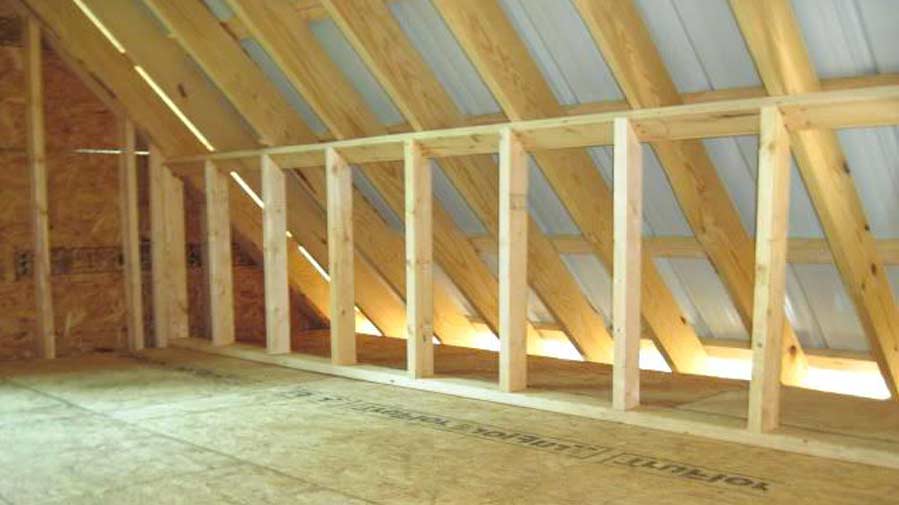
At their core, knee walls are short, vertical walls built within an attic or under a sloped roof. They are typically positioned a few feet in from the exterior wall, running parallel to the roofline. Their primary function is to create a more conventional, vertical wall surface in spaces where the ceiling angle would otherwise make the area unusable or awkward. While they serve a structural purpose by providing a backing for insulation and drywall, their financial implications extend far beyond mere construction.

Defining Knee Walls and Their Value Proposition
Imagine an attic space where the roof slopes directly down to the floor. This creates large areas with very low head clearance, rendering much of the floor space impractical for standing or furniture placement. Knee walls address this by essentially ‘cutting off’ the lowest, unusable portions of the sloped ceiling, creating a vertical boundary that defines a more functional living or storage area. The space behind the knee wall, often referred to as the “attic knee wall cavity,” remains part of the overall attic but is typically inaccessible or used for shallow storage.
From a financial standpoint, knee walls are crucial for:
- Maximizing Usable Square Footage: By creating vertical walls, they convert otherwise unusable sloped areas into practical living space, adding to the perceived and actual square footage that can be furnished and lived in. This directly impacts property appraisals and marketability.
- Controlling Renovation Costs: When finishing an attic, installing knee walls is often more cost-effective than attempting complex framing solutions to create full-height walls under a sloped roof. It simplifies the insulation, drywall, and finishing processes.
- Energy Efficiency Optimization: The cavity behind the knee wall is a critical area for insulation. Proper insulation here can significantly reduce heating and cooling costs, leading to long-term financial savings.
The True Cost of Installation and Renovation
The cost associated with knee walls can vary widely depending on whether they are being installed during new construction, as part of an attic conversion, or as an upgrade to an existing finished attic. These costs encompass materials, labor, and potential ancillary expenses like insulation and ventilation.
Material and Labor Expenses
The basic construction of a knee wall involves standard framing lumber (e.g., 2x4s or 2x6s), fasteners, and drywall. However, the complete financial picture includes:
- Framing Materials: Lumber costs can fluctuate, but a typical knee wall project will require studs, top plates, and sole plates.
- Insulation: This is a major cost factor and a critical component for energy efficiency. Options range from fiberglass batts and mineral wool to spray foam, each with different price points and R-values (a measure of thermal resistance). The area behind the knee wall must be properly insulated and air-sealed.
- Vapor Barriers/Retarders: Essential for moisture control, especially in attics, adding to material costs.
- Drywall/Finishing Materials: Drywall sheets, joint compound, tape, primer, and paint contribute significantly to the aesthetic finish and overall expense.
- Labor Costs: This is often the largest portion of the budget. Skilled carpenters, insulators, and drywallers command professional rates. The complexity of the roofline, accessibility of the attic, and local labor markets all influence these costs. Expect higher labor costs for spray foam insulation compared to batts, due to specialized equipment and application techniques.
DIY vs. Professional: A Cost-Benefit Analysis
For the financially savvy homeowner, the question of DIY versus professional installation is paramount.
- DIY Advantages: Significant savings on labor costs. If you possess the necessary skills, tools, and time, you can cut project expenses by 50% or more. This is particularly appealing for smaller, less complex knee wall projects.
- DIY Disadvantages: Potential for costly errors. Incorrect framing can compromise structural integrity. Improper insulation and air sealing can lead to major energy inefficiencies, mold issues, and discomfort, negating any initial savings. Furthermore, the time commitment can be substantial.
- Professional Advantages: Expertise ensures structural soundness, optimal insulation performance, compliance with building codes (avoiding potential fines or future remediation costs), and a professional finish. Professionals also often complete projects faster, minimizing disruption.
- Professional Disadvantages: Higher upfront costs due to labor rates. However, these costs are often offset by long-term savings from superior energy efficiency and increased property value.

Before embarking on a DIY project, consider the financial risks of potential mistakes versus the upfront cost of hiring a professional. For complex attic conversions that aim to add significant livable space and value, professional help is almost always a worthwhile investment.
Maximizing Returns Through Energy Efficiency and Space Utilization
The financial benefits of well-executed knee walls extend beyond the initial renovation. They are central to long-term savings through energy efficiency and crucial for optimizing property value through effective space utilization.
The Role of Knee Walls in Energy Savings
Attics are notorious for heat transfer. Inadequate insulation around knee walls is a major culprit for energy loss, leading to higher utility bills. The key is not just insulating the knee wall itself, but critically, the cavity behind it.
- Cold Side Insulation: The area behind the knee wall is typically “cold” or unconditioned attic space. The vertical surface of the knee wall facing this cold space, and the floor of the attic cavity directly below it, must be properly insulated and air-sealed. This prevents conditioned air from escaping into the unconditioned attic and unconditioned air from seeping into the living space.
- Air Sealing: Before insulation, meticulous air sealing around the knee wall structure, especially where it meets the floor and ceiling joists, is crucial. Gaps and cracks allow air leakage, undermining the insulation’s effectiveness. This simple step can offer significant returns on investment through reduced energy waste.
- Ventilation: Proper ventilation in the attic cavity behind the knee wall is also vital to prevent moisture buildup and maintain insulation performance. This protects the home from mold and prolongs the life of roofing materials, saving on future repair costs.
Investing in high-quality insulation and professional air sealing during a knee wall project can yield substantial long-term financial returns through reduced heating and cooling expenses. Homeowners may also be eligible for local, state, or federal energy efficiency rebates or tax credits for such improvements, further sweetening the financial incentive.
Enhancing Property Value and Appeal
Beyond utility bill savings, knee walls play a critical role in the overall financial valuation and marketability of a property.
- Converting Unused Space: A well-designed attic with knee walls transforms what might have been a dusty, underutilized storage area into valuable living space – a bedroom, home office, playroom, or studio. This directly increases the functional square footage and appeal of the home.
- Storage Solutions: Even if not fully converted to living space, the areas created by knee walls can be optimized for storage. Built-in shelving, drawers, or access panels to the cavity behind the knee wall can provide invaluable storage, a highly sought-after feature for buyers.
- Marketability and ROI: Homes with finished, functional attic spaces often command higher selling prices and are more attractive to potential buyers. The cost of a professional attic conversion, including proper knee wall installation and insulation, often generates a strong return on investment (ROI) upon resale, making it a financially strategic home improvement. An attic bedroom conversion, for instance, can yield an average ROI of 56% to 60%, depending on the market and quality of work.
Financing Your Knee Wall Project
Whether you’re undertaking a minor insulation upgrade or a full attic conversion, understanding financing options is crucial for managing the investment.
Strategic Funding Options
Several financial instruments can help homeowners fund knee wall-related projects:
- Home Equity Line of Credit (HELOC): A flexible, revolving credit line secured by your home equity. Interest rates are often lower than unsecured loans, and interest may be tax-deductible. Ideal for phased projects or those with uncertain final costs.
- Home Equity Loan: A lump-sum loan secured by your home equity, repaid over a fixed term at a fixed interest rate. Good for projects with a clear budget and timeline.
- Renovation Loan (e.g., FHA 203(k) Loan): Specifically designed for home improvements, these loans can include the cost of renovations into your mortgage. Useful if you’re purchasing a home that needs significant attic work.
- Personal Loan: An unsecured loan with a higher interest rate than equity-based options but faster approval and no collateral required. Suitable for smaller projects or those who prefer not to use their home as collateral.
- Cash Savings: The most straightforward and financially sound option, avoiding interest payments. Budgeting and saving specifically for home improvement projects can yield the highest overall return by minimizing financing costs.
Budgeting and Financial Planning
Before committing to any financing, create a detailed budget. Get multiple quotes from contractors, factor in a contingency fund (10-20% of the total budget) for unforeseen issues, and understand all associated costs, including materials, labor, permits, and finishing touches. Consider the potential energy savings and increased property value as part of your financial projections, helping to justify the investment. A well-planned and executed knee wall project is not just an expense; it’s a strategic financial decision that enhances comfort, reduces operating costs, and builds equity in your most valuable asset.
aViewFromTheCave is a participant in the Amazon Services LLC Associates Program, an affiliate advertising program designed to provide a means for sites to earn advertising fees by advertising and linking to Amazon.com. Amazon, the Amazon logo, AmazonSupply, and the AmazonSupply logo are trademarks of Amazon.com, Inc. or its affiliates. As an Amazon Associate we earn affiliate commissions from qualifying purchases.