
In the vast ecosystem of software development, the Java programming language remains a cornerstone of enterprise-level applications, Android mobile development, and large-scale backend systems. A primary reason for Java’s enduring relevance is its robust support for Application Programming Interfaces (APIs). Understanding what Java APIs are, how they function, and why they are indispensable is critical for any developer aiming to build scalable, modular, and efficient software.
At its core, a Java API is a set of pre-written code, libraries, and classes that provide developers with ready-made functionality. Instead of “reinventing the wheel” by writing complex algorithms from scratch—such as handling network protocols, manipulating database records, or parsing JSON data—a developer can invoke the methods provided by the API. It acts as an intermediary, allowing different software components to communicate, exchange data, and leverage complex logic without needing to understand the underlying implementation details.
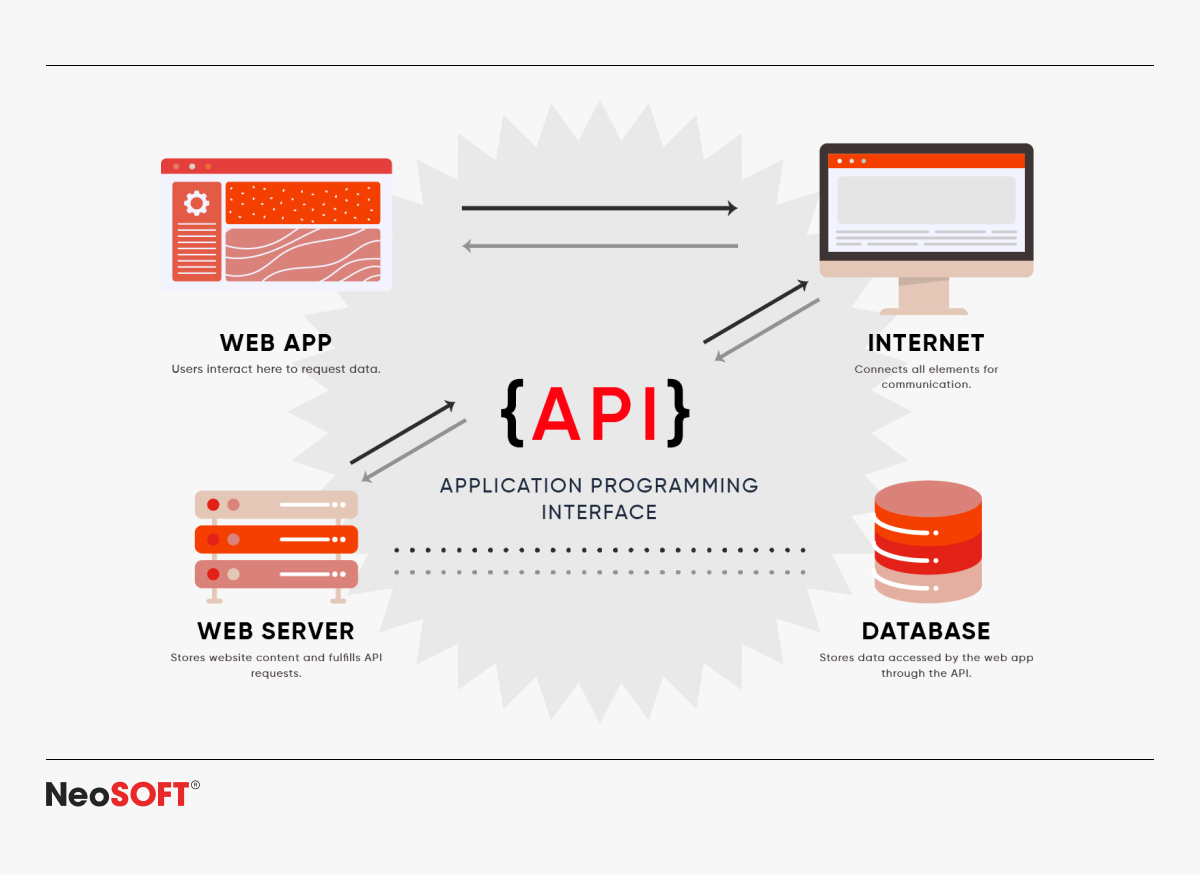
The Architecture of Java APIs
To grasp the power of Java APIs, one must look at how they are structured within the Java Development Kit (JDK). Java APIs are organized into packages, which are collections of related classes and interfaces. This organization allows for high modularity and namespace management, ensuring that large-scale applications do not suffer from naming conflicts.
Standard Java APIs (The Java Class Library)
The Standard Java API is the “out-of-the-box” collection that comes with every Java installation. It is massive and covers nearly every fundamental computing requirement. These packages include:
- java.lang: The fundamental classes that are implicitly imported into every Java program, such as
String,Math, andSystem. - java.util: A collection framework providing powerful data structures like
ArrayList,HashMap, andHashSet, alongside date/time utilities. - java.io and java.nio: Packages dedicated to input and output operations, allowing for file handling and data streaming.
- java.net: Utilities for network communication, enabling the development of web servers and client-side network applications.
User-Defined and Third-Party APIs
Beyond the standard library, the true power of the Java ecosystem lies in its vast repository of third-party APIs. When a developer needs specialized functionality—such as interacting with a cloud service like AWS, processing machine learning models, or generating complex PDFs—they often rely on external APIs hosted on platforms like Maven Central or Gradle. These APIs follow the same architectural principles as the standard ones: they expose public interfaces while encapsulating complex, private implementation logic.
The Functional Mechanics: Why APIs Matter
The primary goal of any Java API is to facilitate abstraction. By providing a clean interface (a list of method signatures) to a complex backend process, the API hides the “messiness” of the implementation. This approach offers several technical advantages that define modern software architecture.
Decoupling and Modular Design
Java APIs promote loose coupling. Because an API defines an interaction contract rather than a concrete implementation, developers can update or replace the underlying code of a library without breaking the applications that depend on it. For instance, if an API for database connectivity (like JDBC) is updated to support a new database driver, the high-level application code often requires minimal, if any, modification.
Code Reusability and Efficiency
Efficiency in software engineering is measured by the speed of development and the maintainability of the codebase. By using well-tested Java APIs, developers significantly reduce the probability of bugs. Standardized libraries undergo rigorous testing by the open-source community or commercial vendors. By delegating complex tasks—such as cryptography or concurrency management—to established APIs, developers can focus their energy on the unique business logic that differentiates their specific application from competitors.

Managing Concurrency and Security
The Java API ecosystem provides robust abstractions for difficult programming challenges. Consider the java.util.concurrent package. Writing multi-threaded code from scratch is notoriously error-prone, leading to race conditions and deadlocks. The Java API provides high-level abstractions like ExecutorService, Future, and ConcurrentHashMap, which handle the complexities of thread lifecycle and memory visibility behind the scenes. Similarly, the Java Cryptography Architecture (JCA) provides a framework that allows developers to implement encryption and digital signatures without needing a PhD in mathematics to ensure the security is handled correctly.
The Evolution of Java APIs: From Legacy to Reactive
The Java ecosystem is not static. It has evolved significantly, particularly in how APIs handle data and responsiveness. The shift from monolithic, blocking architectures to event-driven and reactive systems is perhaps the most significant trend in current Java API development.
RESTful APIs and Integration
In the context of modern web services, “Java API” often refers to a RESTful (Representational State Transfer) endpoint. Developers use frameworks like Spring Boot or Jakarta EE (formerly Java EE) to build APIs that communicate over HTTP. These APIs take an object (often in Java) and serialize it into JSON or XML to send to a frontend application, such as one built with React or Angular. This is the bedrock of modern microservices architecture, where Java APIs act as the communication layer between decoupled services.
Reactive Streams
As applications demand higher throughput, traditional blocking APIs are being replaced by reactive APIs. The introduction of the Flow API in Java 9, and the adoption of the Reactive Streams specification, allows Java developers to handle asynchronous data streams effectively. This enables applications to manage a massive number of concurrent users with relatively low hardware resources, a requirement for high-performance cloud applications.
Best Practices for Utilizing Java APIs
While Java APIs are powerful, their misuse can lead to bloated, fragile, or insecure code. Adhering to professional best practices is essential for leveraging these tools effectively.
Documentation and Discovery
The Java community relies heavily on Javadoc. A well-constructed Java API will always have comprehensive documentation detailing the purpose of each class, method parameters, return types, and potential exceptions thrown. Developers should prioritize APIs that are well-documented, as this drastically reduces the onboarding time and minimizes integration errors.
Dependency Management
In the modern Java landscape, managing the versions of the APIs your project relies on is handled by build tools like Maven or Gradle. “Dependency Hell”—a situation where different libraries require conflicting versions of the same underlying API—can cripple a project. Professional developers utilize these build tools to manage transitive dependencies, ensuring that the version of an API used in development matches the version used in production.
Security and Vulnerability Patching
Third-party APIs are often the entry point for supply chain attacks. It is critical to use tools that scan API dependencies for known vulnerabilities (CVEs). Regularly updating dependencies is not merely about gaining new features; it is a fundamental aspect of digital security. An API that is not actively maintained can become a liability if security flaws are discovered in its implementation and left unpatched.

Avoiding API Over-Abstraction
There is a temptation to wrap every piece of code in an abstraction layer, creating custom “API” interfaces for everything. Over-abstraction can lead to “boilerplate fatigue,” where the codebase becomes so abstracted that it is difficult to navigate. A good developer knows when to use a standard Java API and when a simple, direct implementation is more readable and performant. The objective is clarity and maintainability, not an endless chain of wrappers.
In conclusion, Java APIs are the scaffolding upon which modern Java development rests. They provide the necessary tools to handle everything from basic string manipulation to complex distributed systems. By understanding the standard libraries, leveraging third-party tools wisely, and adhering to architectural best practices, developers can create software that is not only functional but also scalable, secure, and easy to maintain. Whether you are building a small internal tool or a global enterprise application, the effective use of Java APIs is the hallmark of professional software craftsmanship.
aViewFromTheCave is a participant in the Amazon Services LLC Associates Program, an affiliate advertising program designed to provide a means for sites to earn advertising fees by advertising and linking to Amazon.com. Amazon, the Amazon logo, AmazonSupply, and the AmazonSupply logo are trademarks of Amazon.com, Inc. or its affiliates. As an Amazon Associate we earn affiliate commissions from qualifying purchases.