
For most individuals, purchasing a home represents the single largest financial transaction of their lives. It’s a journey filled with excitement, significant decisions, and a labyrinth of financial terms. Among these, “interest rates” stand out as arguably the most critical factor influencing affordability, long-term costs, and overall financial health. Far from a mere percentage point, the interest rate on a house — specifically, a mortgage — dictates how much extra you’ll pay beyond the principal loan amount over the life of your loan. Understanding what these rates are, how they work, and what influences them is not just beneficial; it’s essential for making informed housing decisions and securing your financial future.
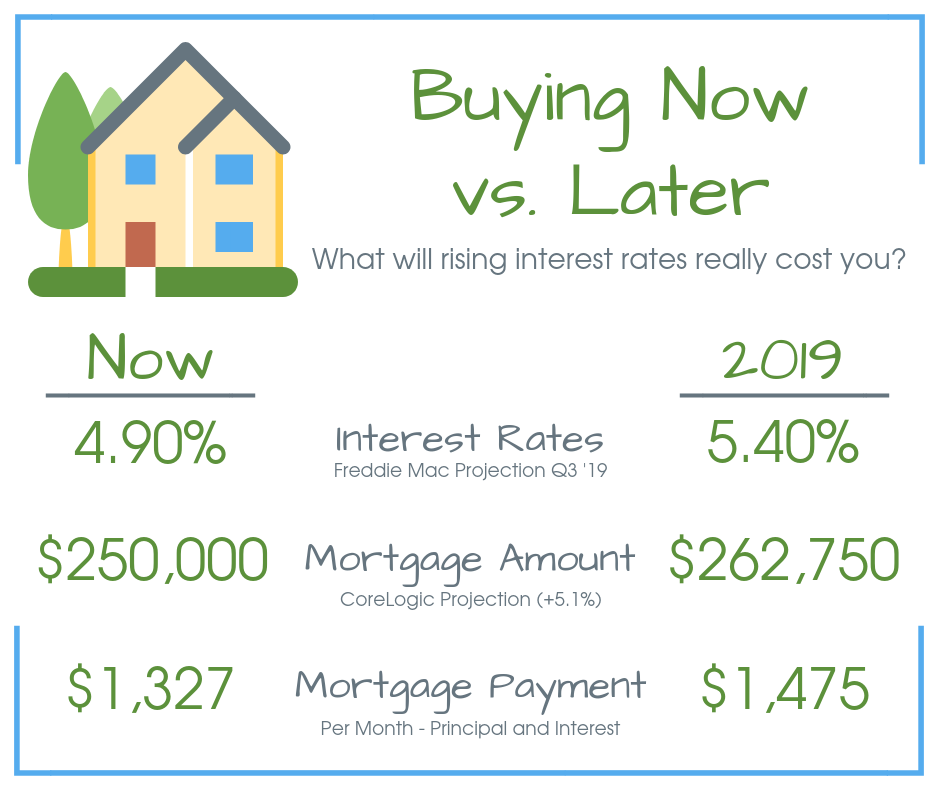
In essence, a mortgage interest rate is the cost of borrowing money from a lender to purchase a home. It’s expressed as a percentage of the principal loan amount and is charged periodically (usually annually). This rate is the lender’s compensation for the risk they take in lending you a large sum of money. A higher interest rate means a higher monthly payment and a greater total cost over the loan’s term, while a lower rate can save you tens or even hundreds of thousands of dollars. This article will demystify mortgage interest rates, exploring their fundamental components, the forces that shape them, different types of rates available, and strategies for navigating this complex but crucial aspect of homeownership.
Understanding the Fundamentals of Mortgage Interest Rates
To truly grasp the significance of interest rates on houses, one must first understand their basic definition and how they interact with the principal amount of a loan. This foundational knowledge empowers prospective homeowners to critically assess loan offers and calculate the true cost of their investment.
Defining Mortgage Interest and APR
At its core, mortgage interest is the price you pay to borrow money. When you take out a mortgage, the bank or lender isn’t just giving you money out of generosity; they are providing a service and taking a risk. The interest rate is their fee for this service and compensation for that risk. It’s usually quoted as an annual percentage rate (APR).
It’s important to distinguish between the interest rate and the Annual Percentage Rate (APR). The interest rate is simply the cost of borrowing the principal amount. The APR, however, represents the total cost of the loan over its term. This includes not only the interest rate but also other fees associated with the loan, such as origination fees, discount points, mortgage insurance, and other closing costs. Because the APR encompasses all these additional costs, it generally provides a more comprehensive and accurate picture of the true cost of borrowing compared to the interest rate alone. When comparing loan offers, the APR is often a better metric for an apples-to-apples comparison.
Principal vs. Interest: The Amortization Schedule
Every mortgage payment you make consists of two main components: principal and interest. The principal is the actual amount of money you borrowed to buy the house. The interest is the cost of borrowing that money.
For most traditional mortgages, payments are structured around an amortization schedule. This schedule dictates how your payments are allocated between principal and interest over the life of the loan. In the early years of a mortgage, a larger portion of your monthly payment goes towards interest. This is because the outstanding principal balance is at its highest, and therefore, the interest charged on that larger sum is also higher. As you continue to make payments, the principal balance gradually decreases. Consequently, less interest is accrued on the diminishing principal, and a larger portion of your monthly payment begins to go towards reducing the principal balance itself.
This front-loading of interest means that it takes a significant amount of time before you start building substantial equity purely through principal reduction. Understanding this amortization process is crucial for long-term financial planning, as it highlights why extra principal payments, especially early on, can significantly reduce the total interest paid and shorten the loan term.
Key Factors Influencing Mortgage Interest Rates
Mortgage interest rates are not static; they fluctuate constantly, influenced by a complex interplay of economic indicators, market forces, and individual borrower characteristics. Understanding these factors can help prospective homeowners anticipate rate movements and strategize their timing.
Economic Indicators and Monetary Policy
Broad economic conditions play a colossal role in shaping mortgage rates. Perhaps the most significant influence comes from the Federal Reserve’s monetary policy. While the Fed doesn’t directly set mortgage rates, its actions profoundly impact them. When the Fed raises or lowers the federal funds rate (the rate at which banks lend to each other overnight), it affects the overall cost of borrowing for banks. This, in turn, influences the rates banks offer to consumers, including mortgage rates. For instance, when the Fed raises rates to combat inflation, mortgage rates typically follow suit.
Other crucial economic indicators include:
- Inflation: When inflation rises, the purchasing power of money decreases. Lenders demand higher interest rates to compensate for the erosion of their returns over time.
- Economic Growth and Employment: A strong economy, characterized by low unemployment and robust growth, often leads to higher demand for credit and, consequently, higher interest rates. Conversely, during economic downturns, rates may fall as lenders try to stimulate borrowing.
- Bond Market Performance: Mortgage rates are closely tied to the yields on U.S. Treasury bonds, particularly the 10-year Treasury note. When bond yields rise, mortgage rates generally increase as well, as mortgages need to offer a competitive return to attract investors compared to safer government bonds.
Lender-Specific and Borrower-Specific Factors
Beyond the broader economic landscape, individual circumstances of both the lender and the borrower significantly impact the specific interest rate offered on a mortgage.
- Borrower’s Creditworthiness: Your credit score is paramount. Lenders use credit scores to assess your likelihood of repaying the loan. A higher credit score (e.g., above 740) indicates lower risk, typically qualifying you for the lowest available interest rates. Conversely, a lower score signals higher risk, leading to higher interest rates to compensate the lender. Your debt-to-income (DTI) ratio—the percentage of your gross monthly income that goes towards debt payments—also plays a role, with lower DTIs being more favorable.
- Down Payment Amount: The size of your down payment directly affects your loan-to-value (LTV) ratio. A larger down payment (e.g., 20% or more) means you’re borrowing less and have more equity in the home from day one, which reduces the lender’s risk. This often translates to a lower interest rate. A smaller down payment might require private mortgage insurance (PMI) and can result in a higher interest rate.
- Loan Term and Type: The length of the mortgage (e.g., 15-year vs. 30-year) influences the rate. Shorter-term loans typically come with lower interest rates because the lender’s risk is spread over a shorter period. The type of loan (e.g., FHA, VA, USDA, conventional) also has its own rate structures and requirements.
- Loan-Specific Fees and Points: Borrowers can sometimes “buy down” their interest rate by paying discount points at closing. One discount point typically costs 1% of the loan amount and can reduce the interest rate by a certain fraction. While this increases upfront costs, it can lead to significant savings over the life of the loan.
Types of Mortgage Interest Rates
When seeking a mortgage, borrowers encounter various rate structures, each with its own advantages and disadvantages. Choosing the right type depends on your financial stability, risk tolerance, and outlook on future interest rate movements.
Fixed-Rate Mortgages
The fixed-rate mortgage is the most common and straightforward type of home loan. With a fixed-rate mortgage, the interest rate remains the same for the entire life of the loan, typically 15, 20, or 30 years. This means your principal and interest payment will never change, providing predictable monthly housing costs.
Pros:
- Stability and Predictability: Your monthly payment remains constant, making budgeting easier and protecting you from potential rate increases.
- Simplicity: Easy to understand and manage.
- Protection in Rising Rate Environments: If market rates go up after you lock in a fixed rate, you benefit from having a lower, unchanging rate.
Cons:
- No Benefit from Falling Rates: If market rates fall significantly, you won’t automatically benefit unless you refinance, which incurs additional costs.
- Potentially Higher Initial Rate: Fixed rates may sometimes be slightly higher than initial adjustable rates.
Fixed-rate mortgages are ideal for borrowers who plan to stay in their home for a long time, prefer stable payments, and want to avoid the uncertainty of fluctuating rates.
Adjustable-Rate Mortgages (ARMs)
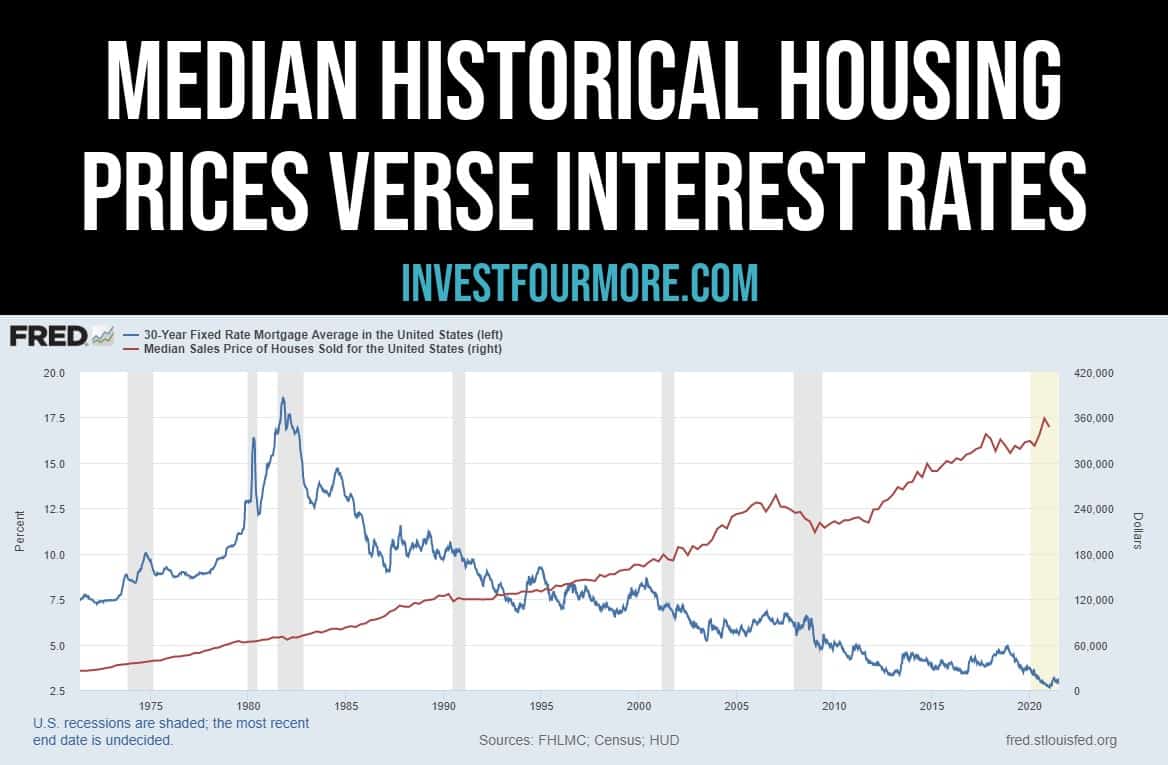
Adjustable-rate mortgages (ARMs) offer an interest rate that changes periodically after an initial fixed-rate period. ARMs are typically structured as a “hybrid ARM,” such as a 5/1 ARM or a 7/1 ARM. The first number indicates how many years the initial interest rate is fixed, and the second number indicates how often the rate will adjust after that fixed period (usually annually).
Pros:
- Lower Initial Interest Rate: ARMs often start with a lower interest rate than comparable fixed-rate mortgages, leading to lower initial monthly payments.
- Benefit from Falling Rates: If market rates decrease during the adjustable period, your payment could go down.
- Good for Short-Term Ownership: If you plan to sell or refinance before the fixed-rate period ends, you can take advantage of the lower initial rate without facing the adjustments.
Cons:
- Payment Volatility: Your monthly payments can increase significantly if interest rates rise after the fixed period, making budgeting difficult.
- Complexity: ARMs come with caps (limits on how much the rate can adjust per period and over the life of the loan), which can be complex to understand.
- Interest Rate Risk: You bear the risk of future rate increases.
ARMs are suitable for borrowers who anticipate selling or refinancing within the initial fixed-rate period, expect their income to increase significantly in the future, or are comfortable with a higher degree of risk.
Hybrid ARMs and Other Variations
Beyond the standard fixed and adjustable rates, there are other variations and specialized loans that feature different interest rate mechanisms:
- Interest-Only Mortgages: These loans allow borrowers to pay only the interest due for a set period (e.g., 5-10 years), deferring principal payments. While this leads to very low initial payments, the principal balance does not decrease, and payments typically jump significantly once the interest-only period ends.
- Balloon Mortgages: These loans feature low initial payments for a set period, followed by a single, large “balloon” payment of the remaining principal balance at the end of the term. These are much riskier and less common for primary residences.
For the vast majority of homeowners, the decision primarily revolves around fixed-rate versus a hybrid ARM, with a thorough understanding of the trade-offs being paramount.
Strategies for Navigating Mortgage Interest Rates
Given the significant financial impact of mortgage interest rates, adopting strategic approaches can empower borrowers to secure the most favorable terms and minimize their overall cost of homeownership.
Enhancing Your Borrower Profile
Lenders view borrowers with stronger financial profiles as lower risk, which translates to better interest rates. Prioritizing these areas before applying for a mortgage can yield substantial savings:
- Improve Your Credit Score: This is perhaps the most impactful step. Pay all your bills on time, keep credit card balances low, avoid opening new lines of credit unnecessarily, and check your credit report for errors. A higher credit score (generally 740+) can unlock the lowest rates.
- Increase Your Down Payment: A larger down payment reduces the loan-to-value (LTV) ratio, lowering the lender’s risk. Aim for 20% or more to avoid private mortgage insurance (PMI) and often secure a more favorable rate. Even slightly more than a minimum can make a difference.
- Reduce Your Debt-to-Income (DTI) Ratio: A lower DTI indicates you have more disposable income to comfortably manage your mortgage payments. Pay down existing debts, especially high-interest ones, before applying.
Shopping Around and Rate Locking
Assuming you have a strong borrower profile, the next crucial step is actively comparing offers and timing your rate lock effectively.
- Shop Multiple Lenders: Do not settle for the first offer you receive. Contact several different types of lenders – traditional banks, credit unions, online lenders, and mortgage brokers. Each may have different rates, fees, and programs. Get at least 3-5 quotes to ensure you’re getting a competitive rate. Remember to compare APRs, not just interest rates, for an accurate comparison of total costs.
- Understand Rate Locks: Once you receive a favorable offer, you can “lock” your interest rate. A rate lock guarantees that the interest rate offered to you will remain the same for a specified period (e.g., 30, 45, or 60 days) while your loan application is processed. This protects you from rate increases during that window.
- Timing is Key: Locking too early might mean missing out if rates fall, while locking too late risks rate increases. Your lender can advise on typical lock periods needed for your specific timeline.
- Float-Down Options: Some lenders offer a “float-down” option for a fee, allowing you to secure a lower rate if market rates drop significantly after your initial lock.
Refinancing and Strategic Payments
Even after you’ve secured a mortgage, there are strategies to manage interest rates and reduce your overall costs.
- Refinancing Your Mortgage: If interest rates drop significantly after you’ve purchased your home, or if your credit score has improved substantially, refinancing might be a viable option. Refinancing involves taking out a new loan to pay off your old one, ideally at a lower interest rate, with a different loan term, or to convert from an ARM to a fixed-rate mortgage. Be mindful of closing costs associated with refinancing, and ensure the savings outweigh these expenses.
- Making Extra Principal Payments: As discussed with amortization, paying extra towards your principal, especially early in the loan term, can dramatically reduce the total interest you pay and shorten the life of your loan. Even small, consistent extra payments can add up to significant savings. Bi-weekly payments, for example, effectively add one extra monthly payment per year without a significant monthly burden.
The Long-Term Impact and Future Outlook
The interest rate you secure on your home loan is not just a number on a document; it’s a financial lever that will influence your wealth building, monthly budget, and overall financial flexibility for decades. Its long-term impact warrants careful consideration.
Total Cost of Ownership and Wealth Accumulation
The difference of even a quarter or half percentage point in an interest rate can translate into tens of thousands of dollars in total interest paid over a 30-year mortgage. For instance, on a $300,000 loan:
- At 6.0% interest, your total interest paid over 30 years would be approximately $347,517.
- At 6.5% interest, your total interest paid over 30 years would be approximately $377,219.
This $29,702 difference in interest alone highlights the profound long-term financial implications of securing a lower rate. This money could otherwise be used for investments, retirement savings, education, or other wealth-building endeavors.
Lower interest rates free up more of your monthly payment to go towards principal, accelerating your equity build-up. This means you own more of your home sooner, which can be a valuable asset for future financial needs or retirement. The long-term cost of borrowing directly impacts your ability to save, invest, and build intergenerational wealth.
Monitoring Market Fluctuations and Expert Predictions
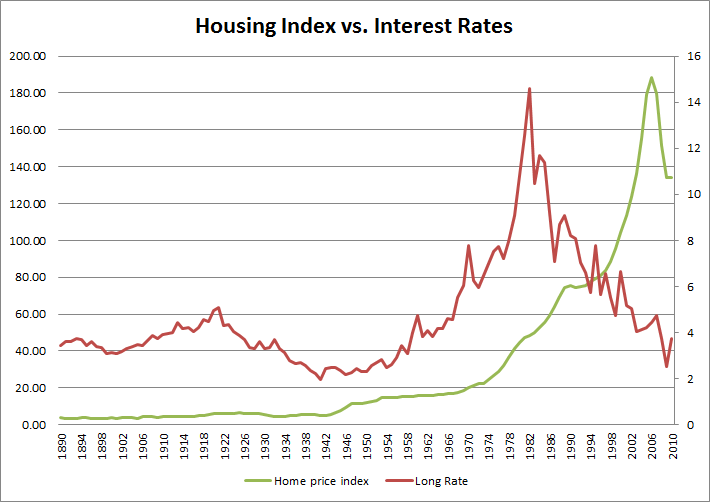
While predicting future interest rate movements with certainty is impossible, staying informed about economic trends and expert analyses can provide valuable context. Mortgage rates are dynamic, influenced by global events, geopolitical stability, inflation data, and central bank decisions.
- Economic Forecasts: Major financial institutions and economists regularly publish forecasts on interest rates. These are not guarantees but can offer insights into potential future directions.
- Federal Reserve Stance: Closely follow news and announcements from the Federal Reserve regarding inflation targets and interest rate policy. Their actions are the most significant driver of broader rate environments.
- Market Sentiment: Investor confidence and market sentiment can also cause short-term fluctuations.
Understanding these dynamics can help you decide if it’s a good time to buy, refinance, or consider an ARM versus a fixed-rate loan. For example, in an environment of expected rising rates, locking in a fixed rate might be prudent. Conversely, if rates are projected to fall, an ARM’s initial lower rate could be appealing if you plan to refinance later.
The Importance of Continuous Financial Planning
Owning a home with a mortgage is a commitment that typically spans decades. Therefore, your approach to interest rates and your mortgage should be part of a broader, continuous financial plan.
- Regular Mortgage Reviews: Periodically review your mortgage against current market rates. Even a year or two after closing, conditions might have changed enough to warrant exploring refinancing options.
- Budgeting and Emergency Funds: Ensure your budget can comfortably accommodate your mortgage payment, even with potential ARM adjustments, and maintain a robust emergency fund.
- Debt Management: Continue to manage other debts responsibly, as high non-mortgage debt can impact your overall financial health and future borrowing capacity.
In conclusion, understanding what interest rates on houses are, the forces behind them, and how to navigate them effectively is paramount for any homeowner or prospective buyer. It’s a critical component of personal finance that dictates not just your monthly housing cost, but also your long-term financial security and ability to build wealth. By being informed and proactive, you can ensure your home loan works for you, rather than against you.
aViewFromTheCave is a participant in the Amazon Services LLC Associates Program, an affiliate advertising program designed to provide a means for sites to earn advertising fees by advertising and linking to Amazon.com. Amazon, the Amazon logo, AmazonSupply, and the AmazonSupply logo are trademarks of Amazon.com, Inc. or its affiliates. As an Amazon Associate we earn affiliate commissions from qualifying purchases.