
In the current economic climate, the question “what are interest rates now?” has become a central focus for homeowners, investors, and business leaders alike. After a decade defined by historically low borrowing costs, the global financial landscape has shifted dramatically. Central banks, led by the Federal Reserve in the United States, have engaged in one of the most aggressive rate-hiking cycles in history to combat persistent inflation.
Understanding the current state of interest rates is not merely an academic exercise; it is a fundamental requirement for effective personal finance management. Whether you are looking to buy a home, refinance debt, or park your savings in a high-yield account, the “price of money”—which is what an interest rate truly is—dictates your purchasing power and your long-term wealth accumulation.
The Macroeconomic Context: Why Rates Are Where They Are
To understand where interest rates are today, we must first look at the mechanisms that drive them. Interest rates do not move in a vacuum; they are the primary tool used by central banks to manage economic growth and price stability.
The Role of the Federal Reserve and Central Banks
The Federal Reserve’s “benchmark rate”—the federal funds rate—serves as the foundation for almost all other interest rates in the economy. When the Fed raises this rate, it becomes more expensive for banks to borrow from one another. These banks, in turn, pass those costs on to consumers and businesses. Conversely, when the Fed lowers rates, it “greases the wheels” of the economy by making credit cheaper.
Currently, we are in a “higher for longer” era. After keeping rates near zero during the pandemic to stimulate growth, the Fed was forced to pivot sharply as inflation reached 40-year highs. The result has been a benchmark rate that sits at its highest level in over two decades.
Inflation and the “Neutral Rate”
The primary driver behind today’s rates is the Consumer Price Index (CPI). Central banks typically aim for a 2% inflation target. When inflation exceeds this, they raise rates to cool demand. The financial world is currently debating the “neutral rate”—the interest rate that neither stimulates nor restrains the economy. Many economists believe this neutral rate has shifted higher than it was in the 2010s, suggesting that even if rates begin to fall, they may never return to the “floor” seen a few years ago.
The Impact on Personal Borrowing: Mortgages and Consumer Debt
For the average individual, the current interest rate environment is most visible through the lens of borrowing. The era of the 3% mortgage is, for the foreseeable future, a relic of the past.
The Housing Market and Mortgage Realities
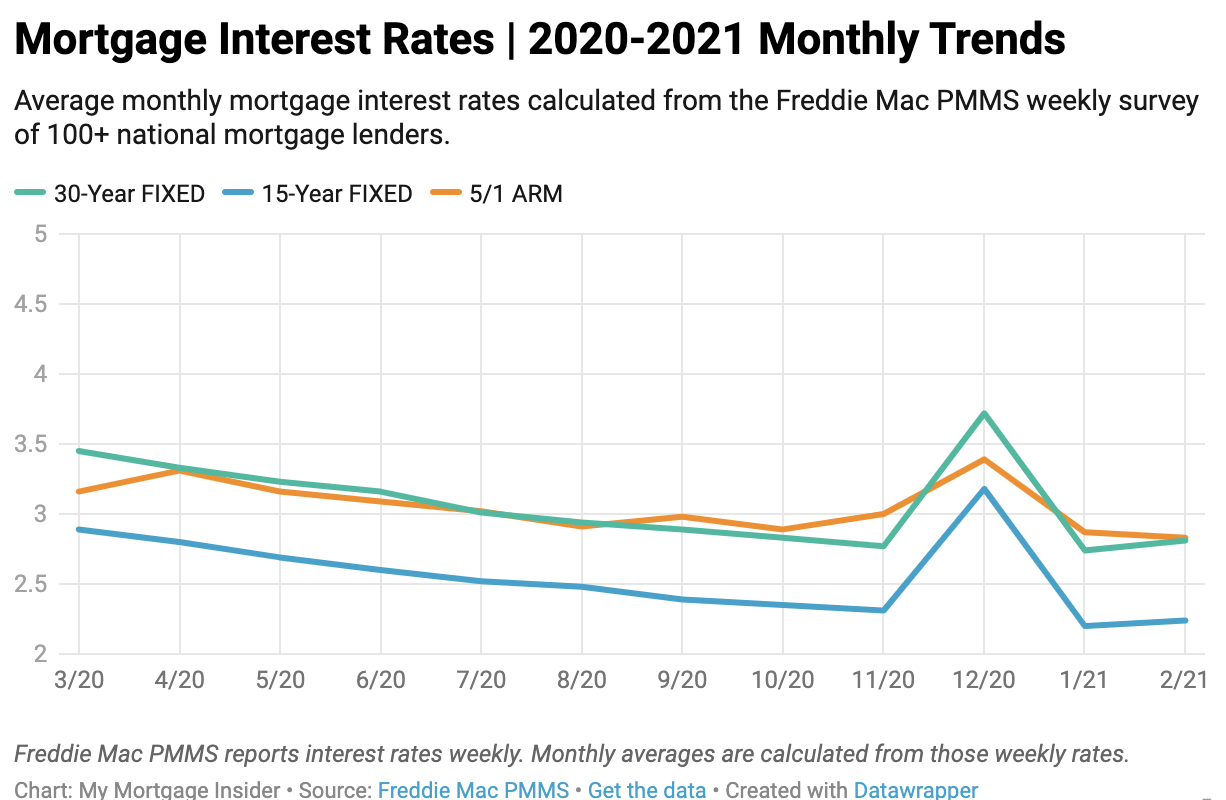
Mortgage rates are closely tied to the yield on the 10-year Treasury note. As interest rates have climbed, the 30-year fixed-rate mortgage has fluctuated significantly, often hovering between 6% and 8%. This has created a “lock-in effect” in the housing market, where homeowners with low-interest mortgages are reluctant to sell, leading to decreased inventory and sustained high home prices.
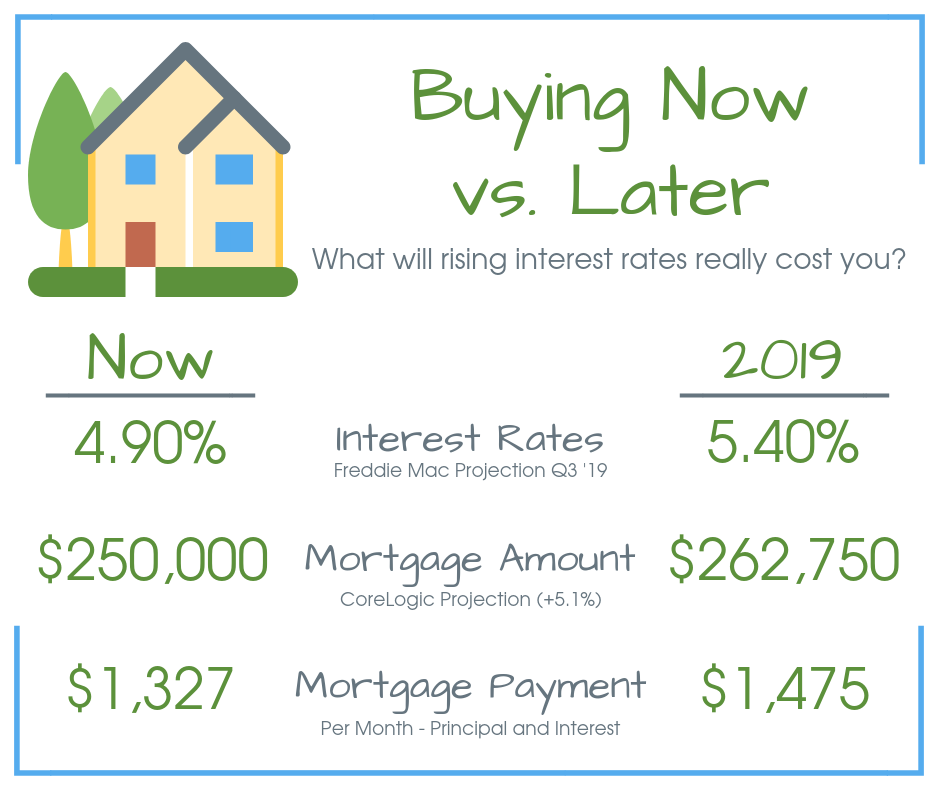
For buyers, the “now” of interest rates means a significantly higher monthly payment for the same loan amount compared to three years ago. This shift has forced many to reconsider their budgets, look toward adjustable-rate mortgages (ARMs) with lower initial periods, or increase their down payments to minimize interest costs.
Credit Cards and Personal Loans
Unlike fixed-rate mortgages, credit card interest rates are almost always variable and tied directly to the prime rate. As the Fed raised rates, the average credit card APR (Annual Percentage Rate) soared to record highs, often exceeding 20% or even 25%. This makes carrying a balance more dangerous than ever for personal financial health. Similarly, personal loans and auto loans have seen their rates climb, requiring consumers to have impeccable credit scores to secure anything resembling a “favorable” rate.
The Silver Lining: A Golden Age for Savers and Fixed-Income Investors
While high interest rates are a burden for borrowers, they represent a significant opportunity for savers. For the first time in a generation, “cash” is no longer a “trash” asset class.
High-Yield Savings Accounts (HYSAs) and CDs
For years, traditional savings accounts offered a measly 0.01% interest. Today, online banks and credit unions are offering High-Yield Savings Accounts with rates exceeding 4% or 5%. This allows individuals to earn a meaningful return on their emergency funds without taking on market risk.
Certificates of Deposit (CDs) have also regained popularity. By “locking in” current high rates for a period of one to five years, savers can protect themselves against future rate cuts. For those with a low risk tolerance, the current environment provides a rare chance to beat inflation through simple savings products.
The Bond Market and Fixed Income
Interest rates and bond prices have an inverse relationship: when rates go up, the value of existing bonds goes down. However, the “new” bonds being issued now offer much higher yields. From U.S. Treasuries to corporate bonds, investors can now build portfolios that generate substantial income. This has led to a resurgence in the “60/40” portfolio (60% stocks, 40% bonds), as the bond portion finally provides a decent yield alongside its traditional role as a hedge against equity volatility.
Business Finance: Navigating the Cost of Capital
In the world of business and entrepreneurship, interest rates are known as the “cost of capital.” When rates are high, the “hurdle rate”—the minimum return a company needs to justify a project—rises.
Small Business Lending and Expansion
Small businesses often rely on Lines of Credit (LOCs) or SBA loans to manage cash flow and fund expansions. Most of these products have variable rates. Today’s higher rates mean that a business loan that was affordable in 2021 might be a significant drain on EBITDA (Earnings Before Interest, Taxes, Depreciation, and Amortization) today. Business owners are currently focusing on “lean operations,” prioritizing debt repayment over aggressive expansion to avoid the high cost of new borrowing.
Corporate Valuations and the Stock Market
In the broader financial markets, interest rates act like gravity on stock valuations. When rates are high, the “discount rate” used by analysts to value future cash flows increases. This particularly affects growth stocks and tech companies that may not be profitable yet but promise high earnings in the future. As rates stay high, investors become more discerning, shifting their focus from “growth at any cost” to companies with strong balance sheets and consistent dividend payouts.
Looking Ahead: Strategies for a Fluctuating Future
The question isn’t just “what are interest rates now,” but “what will they be tomorrow?” While no one has a crystal ball, financial planning in this environment requires a proactive approach.
Preparing for the “Pivot”
The financial markets are currently obsessed with the “pivot”—the moment central banks begin to cut rates. However, the timing of this pivot depends entirely on data regarding inflation and employment. Savvy investors are preparing for both scenarios. If rates stay high, they continue to reap the rewards of high-yield savings. If rates drop, they look to refinance high-interest debt and potentially see a boost in their equity holdings.

Building a Resilient Financial Plan
To thrive in the current rate environment, financial experts suggest three key actions:
- De-leverage High-Interest Debt: Prioritize paying off credit cards and variable-rate loans, as these are the most sensitive to rate hikes.
- Optimize Cash Holdings: Ensure your cash isn’t sitting in a 0% big-bank checking account. Move it to a high-yield vehicle.
- Evaluate Long-Term Fixed Rates: If you are a prospective homebuyer, remember that you “marry the house and date the rate.” You can buy now to secure the property and refinance later if rates drop, provided you can afford the current payments.
Interest rates are the pulse of the global economy. While the current “high” phase presents challenges for borrowing and expansion, it also offers a much-needed return for savers and a stabilizing force for the economy at large. By staying informed about where rates sit and how they influence different financial vehicles, you can navigate these shifts with confidence and protect your financial future.
aViewFromTheCave is a participant in the Amazon Services LLC Associates Program, an affiliate advertising program designed to provide a means for sites to earn advertising fees by advertising and linking to Amazon.com. Amazon, the Amazon logo, AmazonSupply, and the AmazonSupply logo are trademarks of Amazon.com, Inc. or its affiliates. As an Amazon Associate we earn affiliate commissions from qualifying purchases.