
Buying a car is a significant financial decision for most individuals and families. While the sticker price often captures immediate attention, a crucial, yet sometimes overlooked, component of that purchase is the interest rate attached to your car loan. Understanding “what are interest rates for cars” is not just about knowing a number; it’s about comprehending the true cost of your vehicle over time, the factors that influence it, and strategies to secure the most favorable terms. An interest rate is essentially the cost of borrowing money, expressed as a percentage of the principal loan amount. For car purchases, this rate can dramatically impact your monthly payments and the total amount you’ll pay for the vehicle, often adding thousands of dollars to the overall expense.
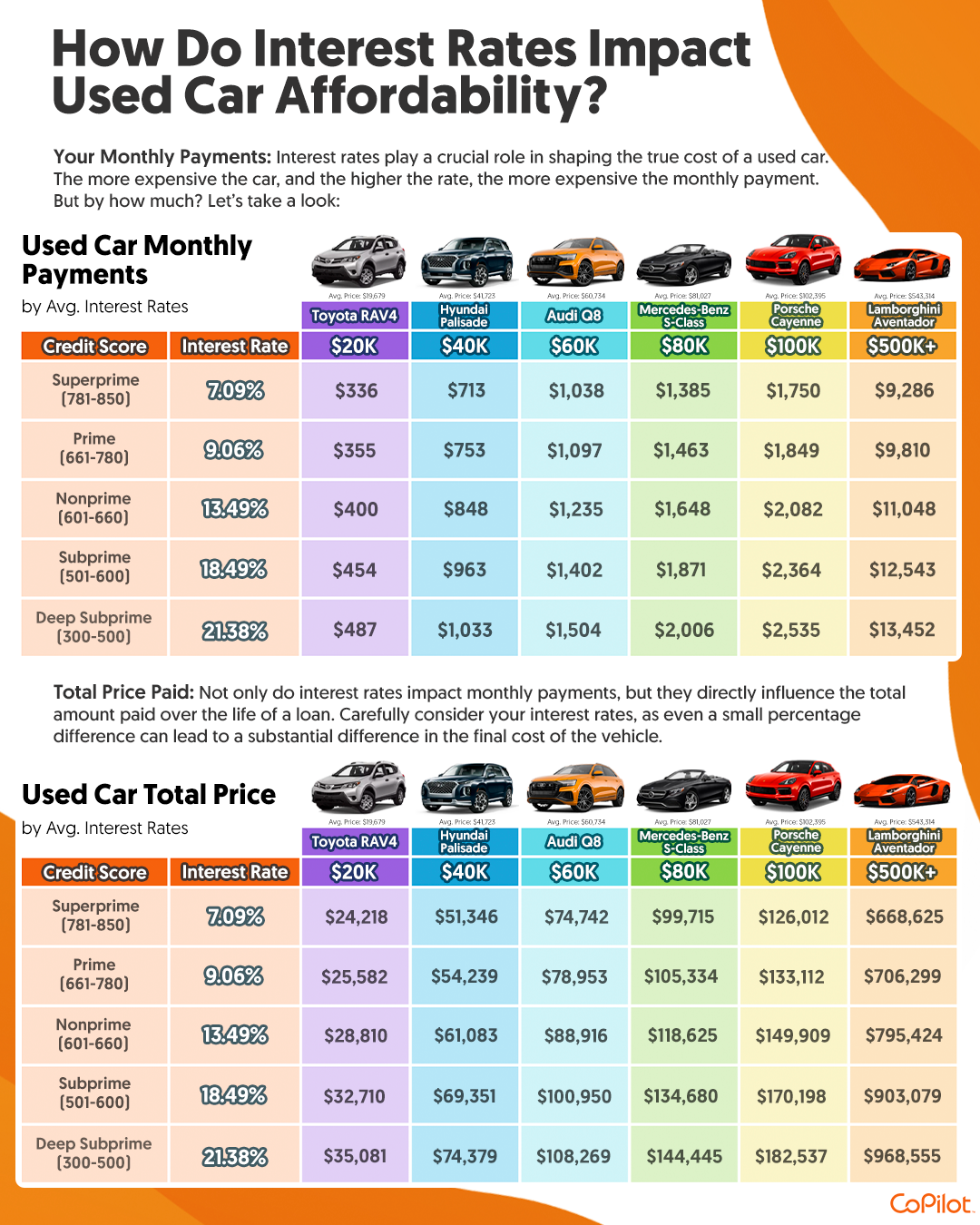
In an economy where car prices are consistently on the rise, navigating the complexities of auto financing has become more critical than ever. This comprehensive guide will demystify car interest rates, breaking down their components, revealing the key determinants, illustrating their impact, and equipping you with actionable strategies to empower your next car-buying journey. By the end, you’ll not only understand what these rates are but also how to leverage that knowledge to make more informed financial decisions, potentially saving you a substantial sum.
Understanding the Basics of Car Loan Interest Rates
To effectively navigate the world of car financing, it’s essential to grasp the fundamental concepts behind interest rates. These aren’t just arbitrary numbers; they are a direct reflection of the risk a lender takes by providing you with capital and the current economic landscape.
What is an Interest Rate?
At its core, an interest rate is the percentage charged by a lender to a borrower for the use of assets, typically money. When you take out a car loan, the lender (bank, credit union, or dealership) provides you with a sum of money to purchase the vehicle. In return, you agree to repay that principal amount plus an additional fee – the interest. This interest is how lenders make a profit and cover the administrative costs and risks associated with lending. It’s usually expressed as an annual percentage rate (APR), but it’s crucial to understand the subtle differences.
APR vs. Interest Rate: The Key Difference
While often used interchangeably, the interest rate and the Annual Percentage Rate (APR) are not precisely the same. The interest rate is simply the cost of borrowing the principal amount, calculated purely on the loan balance. The APR, however, provides a more comprehensive picture of the total cost of borrowing, as it includes not only the interest rate but also other fees associated with the loan. These fees might include origination fees, documentation fees, processing fees, and sometimes even credit report fees. For car loans, the APR is often the most important figure to compare across different lenders because it represents the true annual cost of the loan, allowing for an apples-to-apples comparison of financing offers. A loan with a lower interest rate but high fees could end up having a higher APR than a loan with a slightly higher interest rate but no additional fees.
How Interest is Calculated on Car Loans
Most car loans use a method known as “simple interest.” This means that interest is calculated solely on the outstanding principal balance of the loan. Each month, your payment is applied first to the accrued interest for that period, and the remainder goes towards reducing the principal. As the principal balance decreases with each payment, the amount of interest you pay each month also gradually declines. This differs from compound interest, where interest is charged on both the principal and previously accumulated interest, which is more common in credit card debt. Understanding simple interest helps you see why making extra payments towards the principal can be so effective in reducing the overall interest paid and shortening the loan term.
Factors Influencing Your Car Loan Interest Rate
The interest rate you receive on a car loan is not arbitrary; it’s the result of several interacting factors, some within your control and others dictated by broader economic conditions. Understanding these can empower you to improve your position before applying for financing.
Credit Score: Your Financial Report Card
Your credit score is arguably the most significant determinant of the interest rate you’ll be offered. Lenders use this three-digit number to assess your creditworthiness – your likelihood of repaying the loan. A higher credit score (typically above 700-750) indicates a lower risk to lenders, allowing you to qualify for the most competitive, lower interest rates. Conversely, a lower credit score suggests a higher risk, leading lenders to charge higher interest rates to compensate for that increased risk. Building and maintaining a strong credit history through timely payments and responsible credit utilization is paramount for securing favorable car loan terms.
Loan Term: Shorter vs. Longer Periods
The length of your loan, or the loan term, also plays a crucial role. Shorter loan terms (e.g., 36 or 48 months) typically come with lower interest rates. This is because lenders face less risk over a shorter period, and they get their money back faster. However, shorter terms usually result in higher monthly payments. Longer loan terms (e.g., 60 or 72 months, and sometimes even 84 months) often carry higher interest rates. While they offer the advantage of lower monthly payments, making the car more “affordable” on a month-to-month basis, you end up paying significantly more in total interest over the life of the loan. It’s a trade-off between monthly affordability and total cost.
Down Payment: Reducing Your Borrowed Amount
A larger down payment signals financial stability to lenders and reduces the amount you need to borrow. This lowers the lender’s risk exposure, making them more inclined to offer a lower interest rate. A substantial down payment also means you’ll pay less interest over the life of the loan simply because the principal amount being financed is smaller. While it might be tempting to finance 100% of the car’s value, contributing a down payment (ideally 10-20% for a new car) is a wise financial move that can yield significant savings.
Vehicle Age and Type: New vs. Used, Luxury vs. Economy
The car itself can influence the interest rate. New cars often qualify for lower interest rates compared to used cars, primarily because they have a higher resale value and are less likely to experience immediate mechanical issues, reducing the risk for the lender. Used cars, especially older models, are generally seen as higher risk due to depreciation and potential maintenance costs. Furthermore, the type of vehicle – whether it’s a mainstream economy car, a luxury vehicle, or a niche sports car – can also subtly affect rates, as lenders assess the resale market and overall depreciation risk associated with different segments.
Market Conditions and Lender Competition
Beyond individual borrower factors, broader economic conditions and the competitive landscape among lenders significantly impact interest rates. When the economy is strong and the Federal Reserve raises benchmark interest rates, car loan rates tend to follow suit. Conversely, in periods of economic slowdown, rates might drop to stimulate consumer spending. The level of competition among banks, credit unions, and dealership finance departments also plays a role; a highly competitive market can drive rates down as lenders vie for business. Understanding these external factors can help you time your car purchase or know when to shop around more aggressively.
The Impact of Interest Rates on Your Car Purchase
The interest rate on your car loan isn’t just a number; it’s a powerful variable that fundamentally shapes the financial reality of your car ownership. Its influence extends far beyond mere percentages, directly affecting both immediate affordability and your long-term financial health.
Total Cost of the Car
Perhaps the most significant impact of the interest rate is on the total cost you pay for the car. While the sticker price reflects the vehicle’s initial value, the interest rate dictates how much extra you’ll pay above that price for the privilege of borrowing. Even a seemingly small difference in the interest rate – say, 1% or 2% – can translate into hundreds or even thousands of dollars over a typical 5-7 year loan term. For example, on a $30,000 loan, a 5% APR versus a 7% APR over 60 months could mean paying an extra $1,600 in interest alone. This cumulative effect is why understanding and optimizing your interest rate is so crucial. It’s the difference between driving off the lot with a car that costs you $35,000 and one that costs you $37,000, even if the initial purchase price was the same.
Monthly Payment Affordability
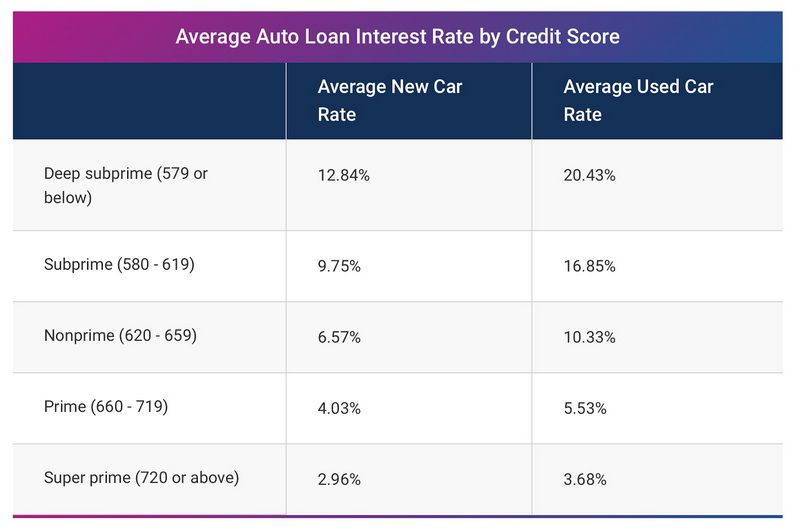
Your monthly car payment is a fixed expense that directly impacts your household budget. The interest rate is a primary driver of this payment. A higher interest rate means a larger portion of each monthly installment goes towards paying off the interest, leaving less to reduce the principal. This results in a higher overall monthly payment. Conversely, a lower interest rate reduces the interest portion, freeing up more of your payment to chip away at the principal, leading to a lower monthly obligation. For many, managing monthly cash flow is paramount, and a lower interest rate can make the difference between a comfortable payment and one that strains their budget. It also dictates how much car you can realistically afford within your desired monthly payment threshold.
Long-Term Financial Health
The ramifications of your car loan interest rate extend to your long-term financial health. A high-interest loan can tie up a significant portion of your disposable income for years, limiting your ability to save for other financial goals, invest, or handle unexpected emergencies. It can also create a debt burden that impacts your debt-to-income ratio, potentially affecting your ability to secure other loans (like a mortgage) in the future. On the other hand, securing a low-interest rate loan frees up more of your money, allowing you to build wealth, invest, and achieve financial independence more quickly. It’s about more than just a car; it’s about the opportunity cost and the financial flexibility you retain.
Strategies for Securing a Lower Car Loan Interest Rate
The good news is that you’re not entirely at the mercy of market forces or a lender’s initial offer. There are proactive steps you can take to significantly improve your chances of securing a lower interest rate on your car loan.
Improving Your Credit Score
As discussed, your credit score is king. Before you even start car shopping, take time to check your credit reports from all three major bureaus (Experian, Equifax, TransUnion) for inaccuracies and dispute any errors. Pay down existing debts, especially credit card balances, to reduce your credit utilization ratio. Make all your payments on time, every time, for several months leading up to your car purchase. If your score is borderline, consider delaying your purchase for a few months to allow these improvements to reflect on your report. A jump of even 20-30 points can move you into a better rate tier.
Making a Larger Down Payment
The more you put down upfront, the less you need to borrow, which directly translates to lower interest payments over time. A larger down payment also reduces the lender’s risk, making them more willing to offer you a better rate. Aim for at least 10% for a used car and 20% for a new car if possible. This not only saves you money on interest but also helps prevent you from being “upside down” on your loan (owing more than the car is worth) early in the loan term.
Shopping Around for Lenders
Never accept the first financing offer, especially from a dealership. Dealerships often add a markup to the interest rates they secure from their lending partners. Before you set foot on the lot, get pre-approved for a loan from multiple sources: your bank, credit unions, and online lenders. Credit unions, in particular, are known for offering very competitive rates. Having pre-approvals in hand gives you leverage during negotiations with the dealership, as you can use competing offers to drive down their proposed rate. Multiple inquiries for auto loans within a short period (typically 14-45 days) are usually treated as a single hard inquiry on your credit report, so don’t be afraid to shop around.
Considering a Shorter Loan Term
While a longer loan term offers lower monthly payments, it invariably leads to higher overall interest paid and often a higher interest rate. If your budget allows, opt for the shortest loan term you can comfortably afford. This will significantly reduce the total interest you pay over the life of the loan. Use online car loan calculators to compare how different loan terms and interest rates impact both your monthly payment and total cost.
Negotiating with Dealers
Even if you have a pre-approval, always ask the dealership what financing options they can offer. They might be able to beat your pre-approved rate, especially if they have access to special manufacturer incentives or if you have excellent credit. However, be wary of attempts to bundle financing discussions with the car price negotiation. Keep them separate. Negotiate the price of the car first, then discuss financing. Ensure you are clear on the APR, not just the monthly payment, and compare it directly with your pre-approval offers.
Navigating the Car Loan Market: Tips and Best Practices
Successfully securing a favorable car loan involves more than just understanding the mechanics; it requires a strategic approach to the market itself. By employing a few key practices, you can protect your interests and optimize your financing outcome.
Pre-approval: Your Power Play
As mentioned earlier, getting pre-approved for a car loan before you even step into a dealership is one of the smartest moves you can make. Pre-approval gives you a clear understanding of the interest rate you qualify for, the maximum loan amount, and your potential monthly payments. This information transforms you into a cash buyer in the eyes of the dealership, shifting the focus of negotiations from financing terms to the car’s price. It also provides a benchmark against which to compare any financing offers from the dealership, ensuring you don’t overpay for borrowing. Pre-approval separates the car price negotiation from the loan negotiation, streamlining the process and saving you money.
Understanding Loan Offers Beyond Monthly Payments
While the monthly payment is important for budgeting, it should not be the sole focus when evaluating a loan offer. Salespeople often try to “sell” you on a monthly payment, making it seem affordable by extending the loan term or subtly increasing the interest rate. Always look at the total cost of the loan, the APR, and the breakdown of fees. A lower monthly payment achieved through a longer loan term means you’ll pay significantly more interest over time. Demand to see the full loan disclosure, including all fees and the final APR, before signing anything.
Avoiding Common Pitfalls
Several traps can cost you money in car financing. One common pitfall is falling for “0% APR” offers without reading the fine print. These offers are usually reserved for buyers with impeccable credit on specific models and may require a shorter loan term. Another pitfall is agreeing to expensive add-ons like extended warranties, GAP insurance, or etching services without properly researching them and understanding their true value and necessity. While some of these might be valuable, they often come at a premium through the dealership. Finally, never feel pressured to make a decision on the spot. Take the loan offer home, review it carefully, and compare it with other options.
Refinancing Options
What if you’ve already purchased a car and realize you’re paying a high interest rate? All is not lost. You may be able to refinance your car loan. Refinancing involves taking out a new loan to pay off your existing car loan, ideally at a lower interest rate. This can be a viable option if your credit score has improved since you initially financed the vehicle, if market rates have dropped, or if you simply didn’t shop around enough the first time. Researching refinancing options from banks and credit unions can potentially save you a substantial amount of money over the remaining term of your loan, reducing your monthly payments and/or the total interest paid.

Conclusion
Understanding what interest rates for cars truly mean is an indispensable part of making an informed and financially sound car purchase. It’s not just a number on a contract; it’s a critical variable that dictates your total cost of ownership, your monthly budget, and your long-term financial flexibility. By demystifying the basic concepts, recognizing the key factors that influence these rates, and implementing strategic practices like improving your credit score, making a substantial down payment, and rigorously shopping around for lenders, you empower yourself.
The car market can be complex, but armed with knowledge about APR, loan terms, and the impact of your financial profile, you are better positioned to negotiate effectively and secure terms that align with your financial goals. Remember that the goal isn’t just to get a car; it’s to acquire it on terms that serve your financial best interests. Take the time, do your research, and approach car financing with confidence. Your wallet will thank you for it.
aViewFromTheCave is a participant in the Amazon Services LLC Associates Program, an affiliate advertising program designed to provide a means for sites to earn advertising fees by advertising and linking to Amazon.com. Amazon, the Amazon logo, AmazonSupply, and the AmazonSupply logo are trademarks of Amazon.com, Inc. or its affiliates. As an Amazon Associate we earn affiliate commissions from qualifying purchases.