
The world of finance often feels like a complex tapestry woven with threads of economic indicators, policy decisions, and market sentiment. Among the most pivotal of these threads are interest rates. Far from being an abstract economic concept, interest rates are the lifeblood of our financial system, directly influencing everything from the cost of your mortgage and the returns on your savings to the strategic decisions of global corporations and the overall health of national economies. Understanding “what are interest rates today” isn’t merely an academic exercise; it’s a critical component of informed financial planning, savvy investing, and intelligent business strategy.
In an ever-evolving economic landscape, interest rates are rarely static. They fluctuate in response to a myriad of forces, from inflation data and employment figures to geopolitical events and central bank pronouncements. For individuals, these movements determine the affordability of big-ticket purchases and the potential for wealth accumulation. For businesses, they dictate the cost of capital, influencing expansion plans, hiring decisions, and profitability. Today, as we navigate a post-pandemic world grappling with inflationary pressures and the lingering effects of unprecedented monetary policy, the current state of interest rates holds particular significance. This article will demystify interest rates, explore their current trajectory, illuminate their profound impact on your personal and business finances, and offer strategies for navigating this crucial aspect of the financial world.
Understanding the Fundamentals of Interest Rates
Before delving into the specifics of today’s rates, it’s essential to grasp the foundational concepts that underpin them. Interest rates are not a monolithic entity but a diverse set of charges and returns that reflect the cost of borrowing and the reward for saving.
Defining Interest Rates and Their Purpose
At its most basic, an interest rate is the percentage charged by a lender to a borrower for the use of assets, typically money. It’s essentially the “price” of money. Conversely, for a saver or investor, an interest rate represents the return they receive for lending their money (e.g., depositing it in a savings account or purchasing a bond).
The primary purpose of interest rates is multifaceted:
- Compensating for Time Value of Money: Money today is generally worth more than the same amount of money in the future due to its potential earning capacity. Interest compensates the lender for delaying their own consumption or investment.
- Covering Risk: Lenders face the risk that a borrower might default. Interest rates incorporate a premium to account for this credit risk.
- Inflation Adjustment: In an inflationary environment, money loses purchasing power over time. Interest rates ideally include a component to offset this erosion, ensuring the lender receives a real return.
- Influencing Economic Activity: Central banks use interest rates as a primary tool to stimulate or cool down an economy. Lower rates encourage borrowing and spending; higher rates discourage them.
The Role of Central Banks and Market Forces
While commercial banks set the rates offered to their customers, these rates are heavily influenced by the policies of central banks and broader market dynamics.
- Central Banks (e.g., Federal Reserve in the U.S., European Central Bank): These institutions are the primary architects of monetary policy. They set a benchmark interest rate (like the federal funds rate in the U.S.) that commercial banks charge each other for overnight borrowing. This benchmark rate then cascades through the entire financial system, influencing everything from prime rates to mortgage rates. Central banks adjust this rate to achieve mandates such as stable prices (controlling inflation) and maximum sustainable employment.
- Market Forces: Beyond central bank influence, several market factors play a significant role.
- Supply and Demand for Credit: If there’s high demand for loans and limited capital, rates tend to rise. Conversely, an abundance of capital seeking borrowers pushes rates down.
- Inflation Expectations: If investors anticipate higher inflation, they demand higher interest rates to ensure their returns are positive in real terms.
- Economic Growth: Strong economic growth often leads to higher demand for credit, potentially pushing rates up.
- Global Capital Flows: International investment and borrowing can impact domestic interest rates.
Key Types of Interest Rates to Monitor
While the central bank’s benchmark rate is foundational, many other specific rates impact our daily lives:
- Federal Funds Rate (U.S.): The target rate set by the Federal Reserve for interbank lending. Directly influences other short-term rates.
- Prime Rate: The interest rate commercial banks charge their most creditworthy corporate customers. Many variable-rate consumer loans (e.g., credit cards, home equity lines of credit) are pegged to the prime rate.
- Mortgage Rates: The interest rate on home loans. These are influenced by the federal funds rate, inflation expectations, and the bond market (specifically, government bond yields).
- Savings Account & CD Rates: The interest paid by banks on deposits. These tend to move in line with the federal funds rate but often lag.
- Auto Loan Rates & Personal Loan Rates: Rates for financing vehicles and other personal needs, reflecting a mix of market conditions and individual creditworthiness.
- Credit Card Interest Rates: Often among the highest rates, reflecting the unsecured nature of the debt and a premium for convenience.
The Current Landscape of Interest Rates
To truly answer “what are interest rates today,” one must consider the prevailing economic conditions and the actions of monetary authorities. The recent past has seen significant shifts, driven largely by efforts to combat persistent inflation.
A Snapshot of Today’s Rates
As of this writing, central banks globally, led by the Federal Reserve, have undertaken aggressive monetary tightening cycles to curb inflation that reached multi-decade highs. This has translated into a significantly higher interest rate environment compared to the near-zero rates observed for much of the 2010s and the early pandemic era.
- Central Bank Rates: The federal funds rate, for instance, has been raised considerably, reaching levels not seen in over a decade. This upward trend has a ripple effect.
- Prime Rate: Consequently, the prime rate has also surged, making borrowing more expensive for businesses and consumers relying on variable-rate credit.
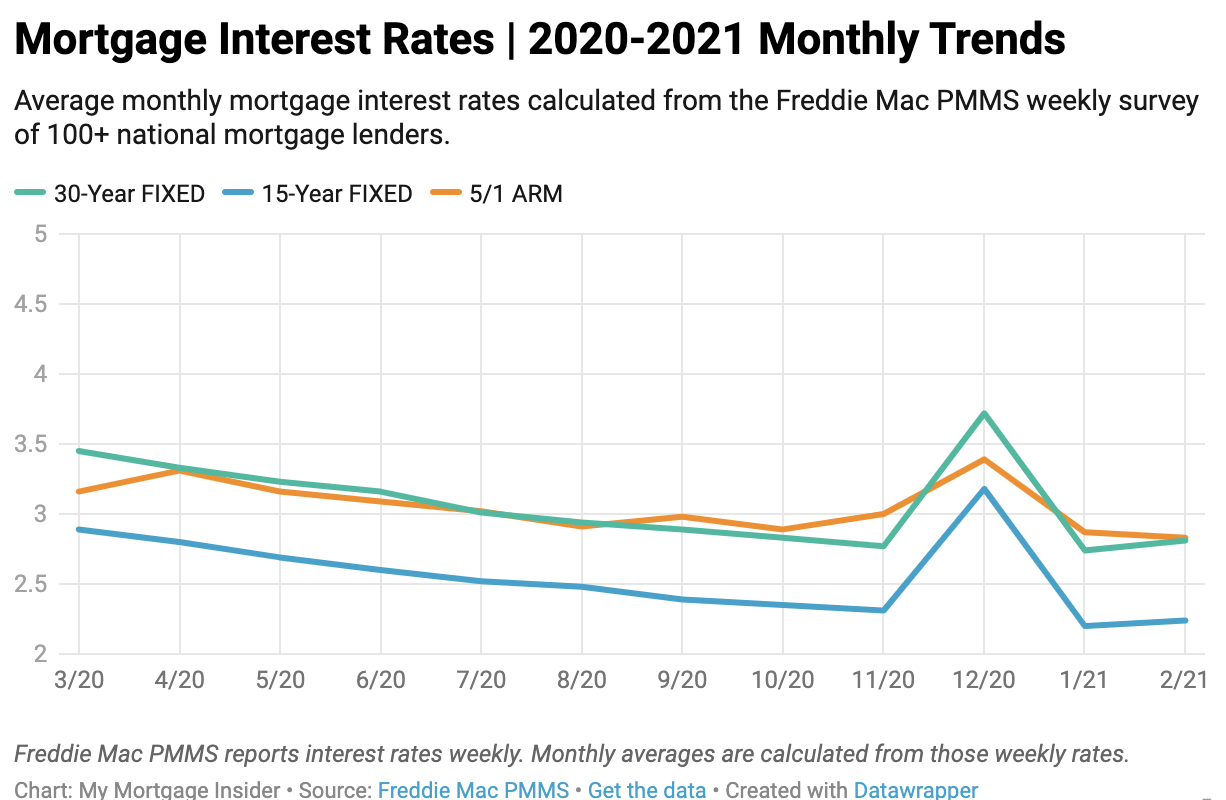
- Mortgage Rates: Mortgage rates have experienced substantial volatility. After historic lows, they have climbed, significantly impacting housing affordability and market activity. While they fluctuate daily based on market sentiment and economic data, they remain elevated compared to recent historical averages.
- Savings & CD Rates: On the flip side, savers are finally seeing more attractive returns on their deposits, with high-yield savings accounts and certificates of deposit (CDs) offering better yields than in many years.
It’s crucial to remember that “today’s rates” are a moving target. Financial news outlets, central bank websites, and reputable financial institutions offer up-to-the-minute data on various rates.
Factors Driving Current Rate Movements
The primary driver of the current high-rate environment is the fight against inflation.
- Inflation: After a period of relatively low inflation, global economies experienced a surge in prices due to supply chain disruptions, strong consumer demand, and geopolitical events. Central banks responded by raising interest rates to cool down demand, making borrowing more expensive and saving more attractive, thereby slowing economic activity and theoretically bringing inflation back to target levels (typically around 2%).
- Economic Indicators: Central banks closely monitor a range of economic data, including:
- Employment Figures: Strong job markets can fuel inflation by increasing wages and consumer spending.
- GDP Growth: Robust economic growth might necessitate higher rates to prevent overheating.
- Consumer Spending & Business Investment: These indicators provide insight into the strength of demand.
- Geopolitical Events: Conflicts, trade tensions, and energy price shocks can all influence inflation and, consequently, interest rate policy.
- Central Bank Communication: The forward guidance and statements from central bank officials play a significant role in shaping market expectations, which in turn influence current rates. Markets react swiftly to hints about future rate hikes or cuts.
Navigating the High-Rate Environment
A high-rate environment presents both challenges and opportunities. For borrowers, it means higher costs. For savers, it offers better returns. Understanding this dynamic is key to making informed financial decisions. It encourages prudence in borrowing and emphasizes the value of saving and earning interest.
How Interest Rates Impact Your Financial Life
The abstract numbers discussed by economists have very real, tangible effects on the financial well-being of households and individuals. Whether you’re planning to buy a home, save for retirement, or manage debt, interest rates are a critical variable.

For Borrowers: Mortgages, Loans, and Credit Cards
The most immediate impact of interest rate changes is felt by those who borrow money.
- Mortgages: This is often the largest financial commitment for individuals. When interest rates rise, the cost of borrowing for a new mortgage increases significantly, leading to higher monthly payments for the same loan amount. For those with adjustable-rate mortgages (ARMs), rising rates can mean an unwelcome jump in payments. Conversely, lower rates can make homeownership more affordable or provide opportunities for refinancing existing mortgages at lower costs.
- Auto Loans and Personal Loans: Similar to mortgages, the interest rate on these loans directly determines your monthly payment and the total cost of borrowing. A rise in rates means you’ll pay more over the life of the loan.
- Credit Card Interest Rates: Most credit cards have variable interest rates, often tied to the prime rate. As the prime rate increases, so does the Annual Percentage Rate (APR) on your credit card debt, making it more expensive to carry a balance. This underscores the importance of paying off high-interest credit card debt, especially in a rising rate environment.
- Student Loans: While federal student loan rates are fixed for the life of the loan based on the year of disbursement, private student loan rates can be variable, exposing borrowers to interest rate fluctuations.
For Savers: Deposits and Investment Returns
While borrowers face higher costs, savers benefit from a rising interest rate environment.
- Savings Accounts and Certificates of Deposit (CDs): Banks and credit unions offer higher interest rates on these deposit products when the central bank raises its benchmark rate. This means your cash holdings can earn a more substantial return, helping your money grow faster without taking on investment risk.
- Bonds: The value and yield of bonds are inversely related to interest rates. When new rates rise, newly issued bonds offer higher yields, making older, lower-yielding bonds less attractive and causing their market value to fall. However, if you hold bonds to maturity, you will still receive your principal back plus the promised interest. For those investing in new bonds or bond funds, higher rates can mean higher income potential.
- Money Market Funds: These funds invest in short-term, low-risk debt instruments. In a rising rate environment, money market funds can offer competitive yields, making them an attractive option for parking cash.
Impact on Personal Budgets and Wealth Building
Interest rates significantly influence your personal budget and long-term wealth accumulation strategies. Higher rates mean more of your income goes towards debt servicing, leaving less for discretionary spending or other investments. Conversely, higher savings rates can accelerate your emergency fund growth or provide a more robust foundation for future investments. For those planning retirement, the interplay of borrowing costs (e.g., mortgage) and investment returns (e.g., bond yields) is crucial for projecting financial security.
Interest Rates and the Broader Economy
Beyond individual finances, interest rates exert a powerful influence over the national and global economy, shaping corporate strategies, employment levels, and international trade.
Effects on Businesses and Investment
Businesses, like individuals, are significantly affected by interest rate movements.
- Cost of Capital: Higher interest rates increase the cost for businesses to borrow money for expansion, equipment purchases, research and development, or even day-to-day operations. This can lead to reduced investment, slower growth, and a reluctance to hire.
- Profitability: For businesses with significant debt, rising interest payments can eat into profit margins. Conversely, businesses with large cash reserves might benefit from higher interest income.
- Consumer Demand: As borrowing costs increase for consumers, their purchasing power for big-ticket items (like cars and homes) often diminishes. This reduced consumer demand can impact businesses’ revenues and profitability across various sectors.
- Stock Market: Higher interest rates can make bonds more attractive relative to stocks, as bonds offer a “risk-free” return. This can lead to money flowing out of equities and into fixed-income investments. Additionally, higher borrowing costs can reduce corporate earnings, further pressuring stock valuations.
Influence on Economic Growth and Inflation
Interest rates are a central bank’s primary lever for managing the economic cycle.
- Controlling Inflation: When inflation is too high, central banks raise interest rates. This makes borrowing more expensive, slowing down consumer spending and business investment, which reduces aggregate demand and, in theory, brings down prices.
- Stimulating Growth: Conversely, during economic downturns or periods of low inflation, central banks lower interest rates. This makes borrowing cheaper, encouraging spending and investment, which stimulates economic activity and job creation.
- Risk of Recession: If central banks raise rates too aggressively to combat inflation, there’s a risk of overtightening, which can push the economy into a recession – a period of significant economic contraction. Finding the right balance is a delicate act.
Global Interconnections and Exchange Rates
In our interconnected world, interest rates are not isolated to individual countries.
- Capital Flows: Higher interest rates in one country can attract foreign investment seeking better returns, leading to an inflow of capital.
- Exchange Rates: An influx of foreign capital often increases demand for the domestic currency, strengthening its exchange rate against other currencies. A stronger currency makes imports cheaper but exports more expensive, influencing a country’s trade balance.
- Global Synchronicity: Major central banks often consider the actions of their counterparts. If one major economy raises rates, others might feel pressure to do so to prevent capital flight or maintain competitive exchange rates.
Strategies for Managing Interest Rate Fluctuations
Given the constant ebb and flow of interest rates, having a proactive strategy is essential for both individuals and businesses to mitigate risks and capitalize on opportunities.
Personal Finance Adjustments
- Prioritize High-Interest Debt: In a rising rate environment, focus intensely on paying down credit card balances and other variable-rate, high-interest loans. The cost of carrying this debt will only increase.
- Lock-In Rates When Possible: If you anticipate needing a large loan (e.g., a mortgage) and rates are favorable, consider locking in a fixed rate to protect yourself from future increases.
- Boost Savings: Take advantage of higher rates on savings accounts and CDs. This is an opportune time to build your emergency fund or save for short-term goals with less risk.
- Review Investment Portfolio: Consider how interest rate changes might affect your investments. For example, higher rates can make bonds more appealing, while growth stocks might face pressure. Diversification remains key.
- Refinance Strategically: If rates drop significantly, evaluate the benefits of refinancing existing loans (especially mortgages) to lower your monthly payments or reduce the total interest paid over the loan’s life.
Business Financial Planning
- Manage Debt Prudently: Businesses should carefully assess their debt structure, particularly variable-rate loans. Consider converting variable-rate debt to fixed-rate debt if an increase in rates poses a significant risk to cash flow.
- Optimize Cash Management: Leverage higher interest rates by parking idle cash in high-yield corporate accounts or short-term, low-risk investments to maximize returns.
- Evaluate Capital Expenditure: Higher borrowing costs can make new investments more expensive. Businesses must conduct thorough cost-benefit analyses, factoring in the current and projected interest rate environment, before undertaking major capital projects.
- Forecast and Stress Test: Regularly forecast the impact of potential interest rate changes on cash flow, profitability, and debt service coverage ratios. Stress testing scenarios can help identify vulnerabilities and inform contingency plans.
- Hedge Interest Rate Risk: Larger businesses might consider using financial instruments like interest rate swaps or options to hedge against adverse rate movements.

Staying Informed and Seeking Expert Advice
The financial landscape is dynamic, and interest rates are a core component of its movement. Regularly consulting reputable financial news sources, central bank publications, and economic reports can provide valuable insights into current trends and future projections. However, generalized information can only go so far. For personalized guidance on how interest rates specifically impact your unique financial situation or business strategy, consulting with a qualified financial advisor, mortgage broker, or business consultant is invaluable. These professionals can help tailor strategies to optimize your financial outcomes, whether you’re a borrower, a saver, an investor, or a business owner.
In conclusion, “what are interest rates today” is a question with profound implications, extending far beyond a simple numerical answer. They are a powerful force shaping our economy, influencing our financial decisions, and determining the cost of our aspirations. By understanding their mechanics, monitoring their movements, and adapting our financial strategies accordingly, we can navigate the intricate world of finance with greater confidence and foresight.
aViewFromTheCave is a participant in the Amazon Services LLC Associates Program, an affiliate advertising program designed to provide a means for sites to earn advertising fees by advertising and linking to Amazon.com. Amazon, the Amazon logo, AmazonSupply, and the AmazonSupply logo are trademarks of Amazon.com, Inc. or its affiliates. As an Amazon Associate we earn affiliate commissions from qualifying purchases.