
Infusion centers represent a critical component of the modern healthcare economy, operating as specialized facilities designed to administer intravenous (IV) medications and other therapies. While their primary function is medical, understanding “what they are” necessitates a deep dive into their financial underpinnings, business models, and the significant economic implications they hold for patients, payers, and healthcare providers alike. From a financial perspective, infusion centers are strategic enterprises focused on delivering high-cost, complex therapies in a more efficient and often more cost-effective outpatient setting than traditional hospitals. They are businesses driven by operational efficiency, strategic payer relationships, and a keen understanding of the market demand for specialized pharmaceutical services, all while aiming to manage the significant financial burden of chronic and acute care.

The Business Model of Infusion Centers
The operational framework of an infusion center is intricately linked to its financial viability. These centers are built upon a model designed to optimize the delivery of specific, often high-cost, therapeutic agents. Unlike a general hospital, an infusion center focuses its resources—staffing, equipment, and facility design—on the precise needs of IV administration, leading to economies of scale and specialization that have direct financial benefits.
Operational Efficiency and Cost Savings
One of the cornerstone financial advantages of an infusion center is its inherent operational efficiency. By streamlining the delivery of infusion therapy, these centers can achieve lower overhead costs compared to hospital outpatient departments. Hospitals carry the financial burden of 24/7 emergency services, inpatient beds, operating rooms, and a vast array of specialized departments, all of which contribute to their higher cost structure. Infusion centers, in contrast, operate during standard business hours (though some offer extended hours), do not require the same level of emergency support, and are purpose-built for a specific type of patient interaction. This focused approach reduces facility costs, staffing ratios for non-direct care roles, and administrative complexities. For instance, a hospital’s “facility fee” for an infusion can be significantly higher than that of a standalone infusion center, reflecting the broader infrastructure it supports. This efficiency translates into cost savings that can be passed on, directly or indirectly, to payers and patients. Furthermore, dedicated infusion nurses and pharmacists often develop a high level of expertise in administering specific drugs and managing potential side effects, which can reduce errors and improve patient outcomes, indirectly contributing to cost-effectiveness by preventing more expensive complications.
Revenue Streams and Payer Relationships
The revenue model for infusion centers is primarily driven by reimbursement for administered medications and the associated professional services. The medications themselves, especially specialty biologics and chemotherapy agents, can be incredibly expensive, representing a significant portion of the total bill. Infusion centers negotiate contracts with various insurance companies (private payers, Medicare, Medicaid) to establish reimbursement rates for both the drug product and the administration services. These contracts are critical to their financial health. The process of billing and coding in infusion therapy is complex, requiring meticulous documentation and adherence to specific guidelines to ensure proper reimbursement. Centers often invest heavily in robust billing systems and experienced financial staff to navigate this labyrinthine landscape. Strategic relationships with pharmaceutical manufacturers can also play a role, particularly in patient assistance programs designed to help individuals afford high-cost drugs, indirectly supporting the center’s patient volume and revenue stability. The ability to manage inventory effectively, minimizing waste of expensive medications while ensuring availability, is another crucial financial lever.
Financial Implications for Patients
For patients requiring ongoing infusion therapy, understanding the financial implications is paramount. The cost of treatment can be substantial, making it a significant personal finance concern. Infusion centers often present a more financially manageable option compared to hospital-based care, but careful navigation of insurance, out-of-pocket costs, and financial assistance programs remains essential.
Understanding Insurance Coverage and Co-pays
The vast majority of infusion therapies are covered by health insurance, but the extent of coverage and the patient’s financial responsibility can vary widely. Patients typically face deductibles, co-insurance, and co-pays. A deductible is the amount a patient must pay out-of-pocket before their insurance begins to cover costs. Co-insurance is a percentage of the cost of a medical service that a patient is responsible for after their deductible has been met. Co-pays are fixed amounts paid for a medical service. For expensive infusion treatments, even a small co-insurance percentage can amount to thousands of dollars. Patients must verify their specific plan benefits, including whether the infusion center is in-network, what tier the medication falls under (formulary status), and if prior authorization is required. Some insurance plans may even mandate that certain infusions be received at a lower-cost outpatient center rather than a hospital, implicitly acknowledging the financial advantages of infusion centers. Without proper due diligence, patients can be hit with unexpected and substantial bills.
Out-of-Pocket Expenses and Financial Assistance
Beyond insurance, patients must consider potential out-of-pocket expenses. These can include the aforementioned deductibles, co-insurance, and co-pays, as well as costs for related services not directly covered, or if they choose an out-of-network provider. For many, these costs can be prohibitive. Recognizing this, infusion centers often have financial counselors on staff who can assist patients in understanding their benefits and exploring financial assistance options. These options may include manufacturer patient assistance programs (PAPs), which provide free or low-cost medication to eligible individuals; co-pay assistance foundations, which help cover out-of-pocket costs; and charity care programs offered by the center itself. Navigating these programs requires detailed financial disclosure and can be complex, but they are vital tools for mitigating the personal financial impact of ongoing infusion therapy. Effective financial planning for chronic conditions must include a thorough investigation of these avenues.
Value Proposition: Cost-Effectiveness vs. Hospital Settings
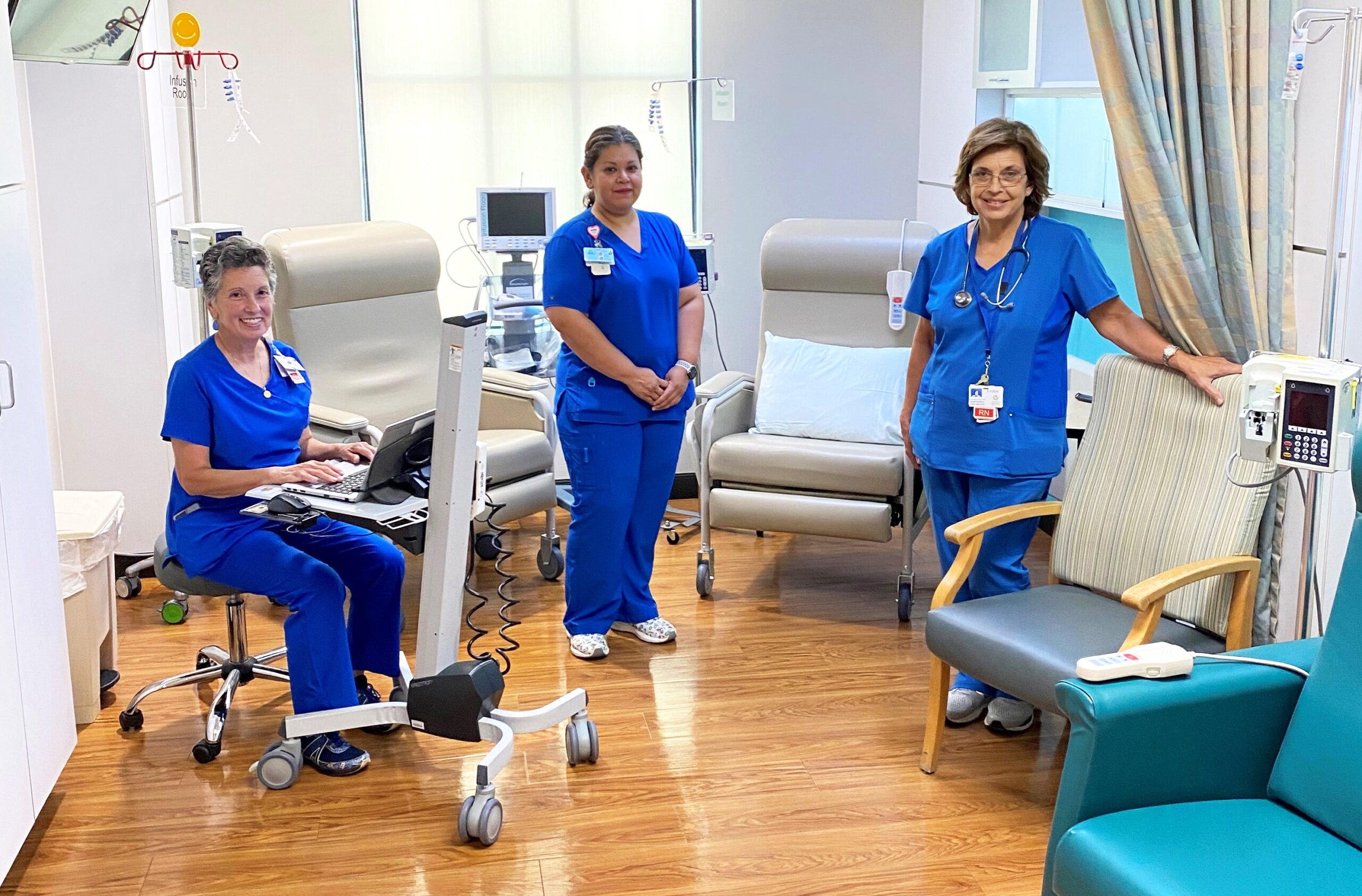
From a patient’s financial perspective, the value proposition of an infusion center often boils down to cost-effectiveness. As mentioned, facility fees for infusions administered in a hospital outpatient setting are frequently higher than those at a standalone infusion center for the same drug and service. This difference can translate into significant savings for patients, particularly those with high co-insurance percentages or those who haven’t met their deductible. Beyond direct costs, infusion centers often provide a more comfortable, less clinical environment, which can improve the patient experience. While this isn’t a direct financial saving, it can reduce stress and improve adherence to treatment, which has downstream financial benefits by avoiding complications and hospitalizations. The strategic choice of where to receive infusion therapy is therefore a critical personal finance decision, weighing the total cost, convenience, and quality of care.
Investment and Growth in the Infusion Market
The infusion center market is a segment of the healthcare industry attracting considerable investment, driven by demographic shifts, pharmaceutical innovation, and the ongoing push for value-based care. Understanding these financial dynamics is crucial for anyone looking at the business side of healthcare.
Market Drivers and Demographic Shifts
Several powerful market forces are fueling growth in the infusion center sector. The aging population is a primary driver, as older adults are more likely to develop chronic conditions requiring complex therapies. Advances in biotechnology and pharmaceutical research continue to bring new biologic drugs to market for conditions like autoimmune diseases, cancer, and rare disorders—many of which require IV administration. These drugs are often highly effective but also very expensive, creating a strong demand for efficient and cost-controlled delivery mechanisms. Furthermore, the shift from inpatient to outpatient care, encouraged by payers seeking to reduce overall healthcare expenditures, strongly favors the expansion of infusion centers. This move aligns with the broader healthcare trend of delivering care in the lowest-cost, most appropriate setting, thereby increasing the investment attractiveness of outpatient infusion facilities.
Financing Options for New Centers
Starting or expanding an infusion center requires substantial capital investment. Key financial considerations include real estate acquisition or leasehold improvements, specialized equipment (infusion pumps, recliners, medical refrigerators), initial drug inventory (which can be millions of dollars), and working capital to cover operational expenses before significant revenue flows in. Financing options typically include traditional bank loans, private equity investments, venture capital, and sometimes strategic partnerships with hospital systems or large physician groups. Private equity firms, in particular, have shown a strong interest in this market, recognizing its growth potential and the opportunity to achieve operational efficiencies and scale. They often look for centers with strong management teams, established payer contracts, and a clear path to profitability. The ability to secure favorable terms on drug purchasing through group purchasing organizations (GPOs) is also a significant financial advantage.
Acquisition Trends and Consolidation
The infusion center market is also experiencing consolidation, with larger corporate entities and private equity-backed groups acquiring smaller independent centers. This trend is driven by several financial motives: achieving greater negotiating power with payers and pharmaceutical manufacturers, realizing economies of scale in administrative functions (billing, IT, HR), and expanding geographic reach. For an independent owner, selling to a larger entity can provide a lucrative exit strategy. For the acquirer, it offers a path to market share growth and increased profitability through synergistic operations. This consolidation reshapes the competitive landscape, potentially leading to more standardized care models and a more robust financial infrastructure across the sector. Investors analyze market saturation, regulatory changes, and regional demand when considering acquisition targets.
Navigating the Financial Landscape of Infusion Therapy
Successfully engaging with infusion centers, whether as a patient, a business owner, or an investor, requires a clear understanding of the financial intricacies involved. It’s a niche where medical necessity meets stringent economic realities.
Maximizing Benefits and Minimizing Costs
For patients, maximizing benefits and minimizing costs begins with proactive financial planning and research. This includes:
- Thorough Insurance Verification: Confirming coverage for both the center and the specific medication.
- Understanding Your Out-of-Pocket Max: Knowing your maximum annual liability for covered services.
- Exploring Financial Assistance: Actively seeking out manufacturer programs, co-pay assistance, and charity care.
- Comparing Providers: If options exist, comparing facility fees and overall costs between different in-network infusion centers or even hospital outpatient departments.
- Advocacy: Not being afraid to ask questions about billing, payment plans, and financial options.
For center owners, this means optimizing operational workflows, negotiating strong payer contracts, managing inventory strategically, and investing in accurate billing and coding practices.

The Role of Financial Counseling
Financial counselors in infusion centers play an indispensable role in bridging the gap between medical need and financial feasibility. These professionals help patients understand their complex insurance plans, estimate their out-of-pocket costs, and apply for financial assistance programs. They are critical tools for patient retention and adherence, as financial stress is a common barrier to consistent treatment. By providing transparent cost information and facilitating access to aid, financial counselors help ensure that patients can access the life-sustaining or life-improving therapies they need, simultaneously protecting the center’s revenue stream by reducing uncompensated care and bad debt. Their expertise transforms a potentially overwhelming financial challenge into a navigable path, underscoring the deep integration of financial services within the operational model of a successful infusion center.
aViewFromTheCave is a participant in the Amazon Services LLC Associates Program, an affiliate advertising program designed to provide a means for sites to earn advertising fees by advertising and linking to Amazon.com. Amazon, the Amazon logo, AmazonSupply, and the AmazonSupply logo are trademarks of Amazon.com, Inc. or its affiliates. As an Amazon Associate we earn affiliate commissions from qualifying purchases.