
In the landscape of personal finance, few tools are as potent or as essential as the Individual Retirement Account, commonly known as the IRA. While many employees are familiar with employer-sponsored plans like the 401(k), the IRA stands as a cornerstone of independent wealth building. It is a tax-advantaged vehicle designed specifically to help individuals save for their sunset years, offering a level of control and flexibility that is often missing from corporate plans. Understanding how to leverage an IRA is not just a matter of “saving money”; it is a strategic move in the broader game of long-term financial security and tax optimization.

Understanding the Core Mechanics of Individual Retirement Accounts
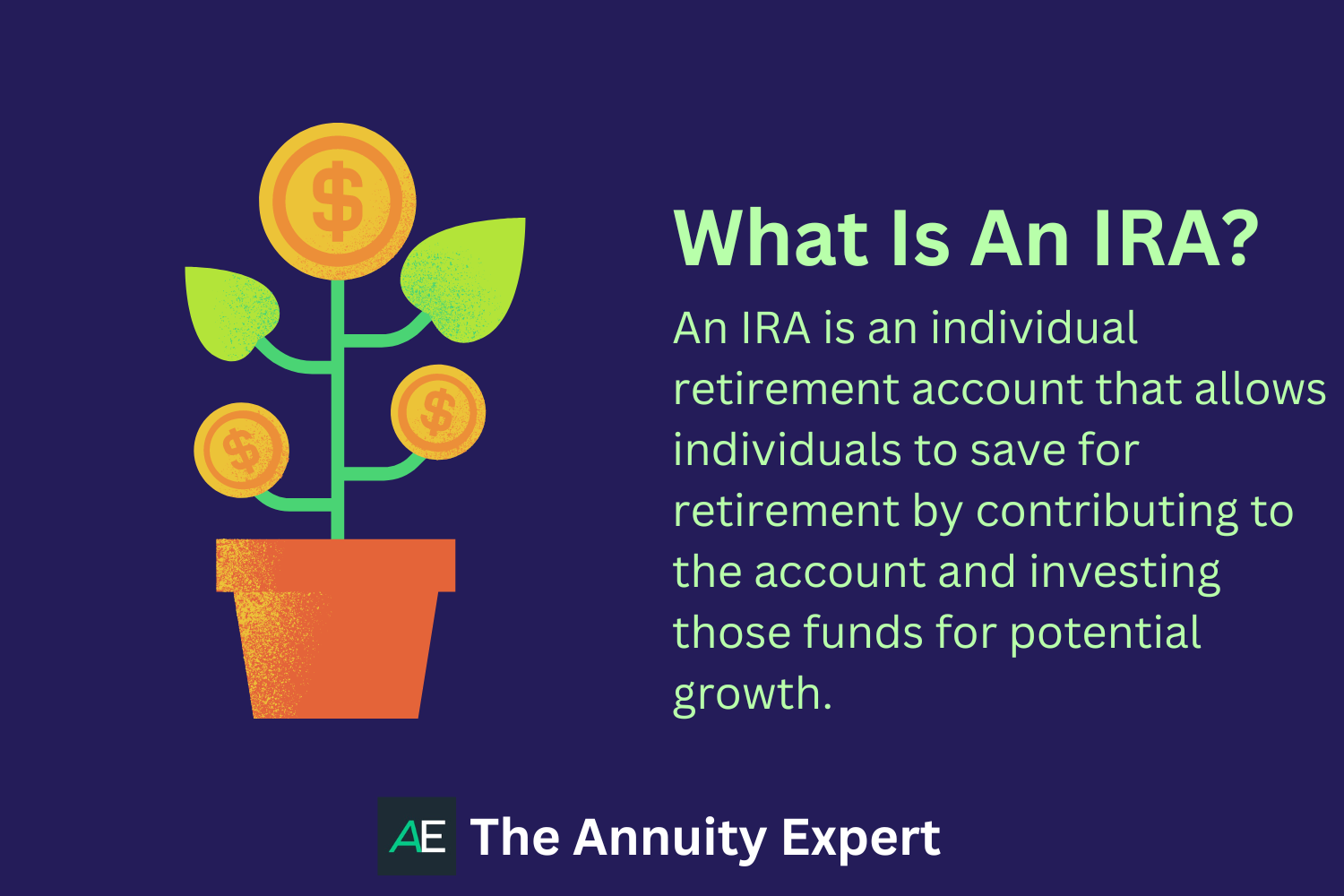
At its simplest level, an Individual Retirement Account is a “tax wrapper” for your investments. It is a common misconception that an IRA is an investment in itself; rather, it is an account—a financial bucket—into which you can place various assets such as stocks, bonds, mutual funds, and exchange-traded funds (ETFs). The primary draw of the IRA is the tax incentive provided by the government to encourage private citizens to fund their own retirements.
The Power of Tax-Advantaged Growth
The most significant benefit of an IRA is the way it treats your earnings. In a standard brokerage account, you are often subject to capital gains taxes and taxes on dividends in the year they are earned. Within an IRA, your investments grow either tax-deferred or tax-free. This means that every dollar that would have gone to the IRS remains in your account, compounding over decades. Over a 30-year career, the difference between a taxed investment account and a tax-advantaged IRA can amount to hundreds of thousands of dollars in additional wealth.
Contribution Limits and Eligibility
The IRS sets specific boundaries on how much you can contribute to an IRA annually. As of the current fiscal years, these limits are generally lower than those of a 401(k), making it imperative to maximize these contributions early in the year. Furthermore, the IRS allows “catch-up” contributions for individuals aged 50 and older, recognizing the need for accelerated saving as retirement nears. Eligibility is primarily determined by “earned income”—you must have a salary, wages, or self-employment income to contribute to an IRA.
Exploring the Major Types of IRAs
Not all IRAs are created equal. The “Money” niche of personal finance distinguishes between several types of IRAs, each catering to different income levels, tax brackets, and employment situations. Choosing the right one depends largely on your current tax situation versus your expected tax situation in retirement.
Traditional IRA: The Classic Tax Deduction
The Traditional IRA is the original version of this account. Its primary appeal is the potential for an upfront tax deduction. Contributions to a Traditional IRA are often tax-deductible, meaning they reduce your taxable income for the year you make the contribution. For example, if you earn $60,000 and contribute $7,000 to a Traditional IRA, you may only be taxed as if you earned $53,000. However, the trade-off is that withdrawals during retirement are taxed as ordinary income. This is an ideal strategy for those who believe they are currently in a higher tax bracket than they will be during retirement.
Roth IRA: Tax-Free Income in Retirement
Named after Senator William Roth, the Roth IRA has become a favorite among younger investors and those expecting higher future tax rates. Unlike the Traditional IRA, contributions to a Roth are made with “after-tax” dollars—meaning you get no immediate tax break. However, the advantage is monumental: all qualified withdrawals in retirement, including all the capital gains and dividends earned over decades, are 100% tax-free. This makes the Roth IRA one of the most powerful wealth-building tools in existence, though it does come with income eligibility limits that may prevent high earners from contributing directly.
SEP and SIMPLE IRAs for Small Businesses
For the self-employed, freelancers, or small business owners, the IRS provides specialized versions of the IRA. The Simplified Employee Pension (SEP) IRA allows for much higher contribution limits than standard IRAs, often allowing business owners to contribute a percentage of their net earnings. The SIMPLE IRA (Savings Incentive Match Plan for Employees) is designed for small businesses with fewer than 100 employees, offering a middle ground between an IRA and a 401(k), complete with employer matching requirements.
Strategic Investment Approaches Within an IRA
Once the account is opened and funded, the focus shifts to asset management. Because an IRA is a long-term vehicle, the investment strategy should reflect a balance between growth and risk mitigation. In the world of business finance, this is known as strategic asset allocation.
Diversification and Asset Allocation
The beauty of an IRA, particularly when compared to a 401(k), is the sheer breadth of investment options. Most IRA custodians allow you to invest in almost any publicly traded security. A sophisticated investor will use this freedom to build a diversified portfolio that spans domestic and international stocks, government and corporate bonds, and perhaps real estate investment trusts (REITs). Diversification ensures that your retirement nest egg isn’t overly exposed to the failure of a single sector or company.
Rebalancing and Time Horizons
A crucial part of managing an IRA is the “glide path”—the gradual shift from aggressive growth assets (like technology stocks) to more conservative, income-producing assets (like Treasury bonds) as you approach retirement. Because the IRA is a tax-protected environment, you can sell assets that have appreciated and buy ones that have underperformed (to maintain your target allocation) without triggering a capital gains tax event. This “rebalancing” is a fundamental practice for maintaining a healthy financial trajectory.
Navigating the Rules: Withdrawals, Penalties, and RMDs
The IRS provides significant tax breaks for IRAs, but these benefits come with strings attached. The government’s goal is for this money to be used for retirement, not as a short-term savings account. Consequently, there are strict rules regarding when and how you can access your funds.
The 59½ Rule and Early Withdrawal Exceptions
Generally, if you withdraw funds from an IRA before the age of 59½, you will face a 10% early withdrawal penalty in addition to any applicable income taxes. However, the tax code does allow for certain “hardship” exceptions. These may include using funds for a first-time home purchase (up to a lifetime limit), qualified higher education expenses, or certain medical emergencies. While these exceptions exist, financial advisors generally discourage “tapping” an IRA early, as it robs the account of its greatest power: time.
Required Minimum Distributions (RMDs)
For Traditional, SEP, and SIMPLE IRAs, the IRS eventually demands its share of the tax revenue. Starting at age 73 (per recent legislation like the SECURE Act 2.0), account holders must begin taking Required Minimum Distributions (RMDs). These are mandatory withdrawals based on life expectancy. Failure to take an RMD can result in heavy penalties—up to 25% of the amount that should have been withdrawn. Notably, Roth IRAs do not require RMDs during the original owner’s lifetime, providing another significant advantage for long-term legacy planning.
How to Get Started and Maximize Your Gains
Taking the leap from understanding an IRA to actually owning one is a vital step in any personal finance journey. The process is relatively straightforward, but it requires a few intentional decisions to ensure the best possible outcome.
Choosing the Right Custodian
An IRA must be held by a custodian, which is typically a brokerage firm, bank, or credit union. When selecting a custodian, you should focus on fee structures. In the modern era of investing, many top-tier brokerages offer $0 commissions on stock and ETF trades and have no account maintenance fees. High fees are the “silent killer” of retirement accounts; even a 1% annual fee can eat away a significant portion of your total returns over 40 years.
Automation and the “Set It and Forget It” Mentality
The most successful IRA investors are those who automate their contributions. By setting up a recurring transfer from your checking account to your IRA, you utilize “dollar-cost averaging.” This strategy involves buying more shares when prices are low and fewer when prices are high, lowering your average cost over time. Moreover, automation removes the emotional hurdle of deciding to save each month, ensuring that your retirement fund grows consistently regardless of market volatility.
In conclusion, the Individual Retirement Account is an unparalleled tool for anyone looking to take control of their financial destiny. Whether you choose the immediate tax relief of a Traditional IRA or the long-term, tax-free windfall of a Roth IRA, the key is to start as early as possible. In the realm of money and investing, time is the ultimate multiplier. By understanding the rules, choosing the right assets, and remaining disciplined with your contributions, you can transform a modest monthly saving habit into a robust financial foundation for your future.
aViewFromTheCave is a participant in the Amazon Services LLC Associates Program, an affiliate advertising program designed to provide a means for sites to earn advertising fees by advertising and linking to Amazon.com. Amazon, the Amazon logo, AmazonSupply, and the AmazonSupply logo are trademarks of Amazon.com, Inc. or its affiliates. As an Amazon Associate we earn affiliate commissions from qualifying purchases.