
In the landscape of personal care, aesthetic services, and wellness consulting, maintaining a safe and hygienic environment is paramount. Professionals in fields ranging from massage therapy and dermatology to personal training and hair styling often find themselves in close physical proximity to clients. Among the various dermatological concerns a professional may encounter, scabies—a highly contagious skin infestation caused by the microscopic mite Sarcoptes scabiei—poses a unique challenge. Identifying the signs of an infestation is not merely a matter of health observation; it is a critical component of risk management, operational safety, and ethical practice.

Understanding the Biological Nature of Scabies
Before identifying physical markers, it is essential to understand the biological mechanism behind the condition. Scabies is not a bacterial or viral infection; it is a parasitic infestation. The female mite burrows into the upper layer of the epidermis, where she lives and lays her eggs.
The body’s response to these mites—specifically their feces and eggs—is an allergic reaction. This hypersensitivity is what leads to the characteristic symptoms. Because the immune system requires time to develop this reaction, a client may be infested for several weeks before exhibiting any visible or tactile symptoms. This latency period makes early, observant detection during routine sessions vital for the protection of both the service provider and other clientele.
Visual and Tactile Indicators of Infestation
When a professional observes a client, they are looking for specific dermatological patterns. While a professional should never attempt a medical diagnosis, recognizing these patterns allows for the immediate suspension of services and a polite recommendation to seek medical consultation.
The Hallmark of Burrows
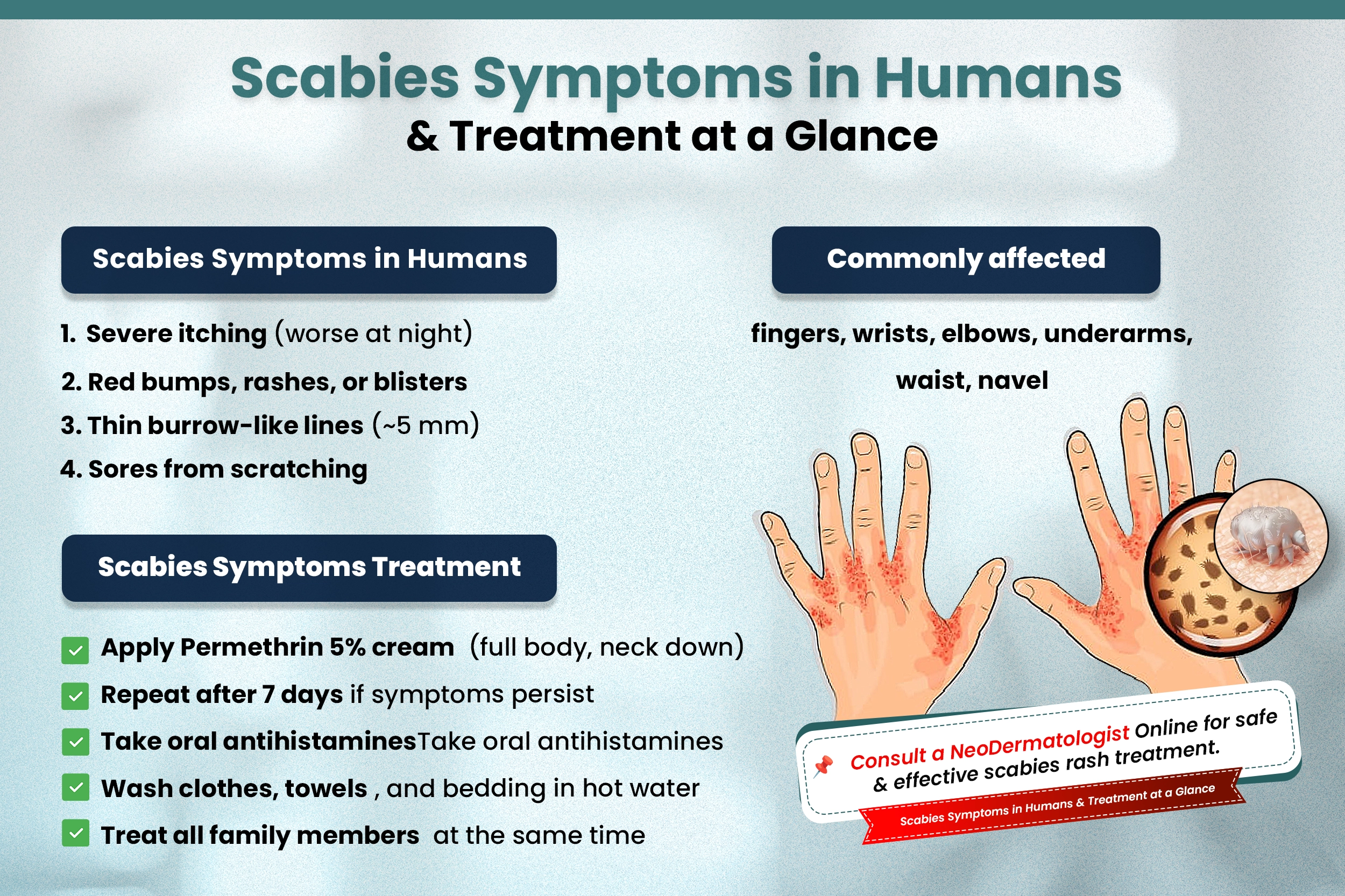
The most definitive, though often subtle, sign of scabies is the presence of “burrows.” These appear as tiny, raised, serpentine lines on the skin. They are often flesh-colored, gray, or white and may look like pencil marks. Common locations for these tracks include the webbing between the fingers, the wrists, the elbows, the soles of the feet, and the skin around the genitals. If a service provider notices a client frequently scratching these specific areas, it warrants a heightened level of internal awareness regarding equipment sterilization and surface contact.
The Appearance of Rash and Papules
The allergic reaction to the mites often manifests as a widespread rash. This rash is not uniform; it frequently presents as small, pimple-like bumps (papules) or clusters of tiny red blisters (vesicles). In some cases, the skin may appear scaly or crusted. The distribution of these bumps is often symmetric, appearing on both sides of the body. In a spa or gym setting, noticing a persistent, bumpy rash on a client’s forearms or torso should be viewed with caution, as these areas are common sites for infestation.
Persistent Pruritus (Itching)
While itching is a subjective symptom, the way a client reacts to their skin can be an objective indicator. Scabies-related pruritus is notorious for being disproportionately intense, particularly at night. If a client mentions that they have been unable to sleep due to skin irritation, or if they demonstrate restless behavior and persistent, involuntary scratching during a session, the professional should be mindful of the potential for a parasitic cause. The intensity of the itch is often described as “unrelenting,” and it does not typically respond well to standard over-the-counter moisturizers or mild anti-itch creams.
Operational Protocol for Professionals

When a professional suspects that a client may be presenting with symptoms consistent with scabies, the priority is to maintain professional boundaries while ensuring the safety of the business environment. Handling the situation with grace, discretion, and clinical precision is essential.
Maintaining Confidentiality and Professionalism
It is vital to remember that a skin condition is a medical concern, not a character flaw. A professional should never openly accuse a client of being “infested” or “contagious” in a public space. Instead, if a service provider notices concerning symptoms, they should pause the session in a private setting.
Using neutral language is key. A phrase such as, “I’ve noticed some skin irritation today that looks a bit inflamed; for your comfort and safety, I think it would be best to reschedule your appointment once you’ve had a chance to have your primary care physician take a look at it,” maintains the professional’s boundaries without causing undue distress. By framing the conversation around the client’s health and comfort, the professional avoids potential litigation and preserves the brand’s reputation for care.
Immediate Sanitation and Surface Management
If a client with suspected scabies has occupied a space or used equipment, the professional must shift immediately into decontamination mode. Scabies mites generally cannot survive for more than 48 to 72 hours away from human skin. However, they can survive in bedding, towels, and fabric-covered furniture.
- Isolation: Immediately remove all linens, towels, and fabric coverings used by the client. These should be placed in a sealed bag to prevent the migration of mites.
- High-Heat Treatment: Standard laundering is often insufficient. Items should be washed in hot water and dried on a high-heat cycle for at least 20 minutes. Heat is the most effective tool for destroying both the mites and their eggs.
- Surface Disinfection: Non-porous surfaces—such as treatment tables, chairs, or gym equipment—should be wiped down with hospital-grade disinfectant. While mites do not typically jump from surface to surface like fleas, they can crawl, making thorough cleaning of all contact points a necessity.
Mitigating Risk Through Informed Policy
For businesses that rely on physical contact, a proactive approach to dermatological screening can significantly reduce the risk of an outbreak within the facility. This is not about becoming a diagnostic center, but rather about creating a culture of health awareness.
Intake Forms and Health Screenings
Integrating simple, non-invasive health questions into client intake forms can serve as a primary defense. Questions regarding recent skin rashes, persistent itching, or diagnoses of skin conditions within the client’s household can help identify high-risk situations before the client even enters the treatment room.
Staff Training and Empowerment
Employees who have been trained to recognize the early signs of skin infestations are far more effective at protecting the business than those who operate blindly. Workshops focusing on basic dermatology and hygiene protocols empower staff members to make informed decisions on the floor. When staff members know exactly what to look for—and, crucially, how to politely excuse themselves from a session when those markers are present—the risk of internal contamination is drastically reduced.
The Role of Clear Facility Policies
The professional’s business policy should explicitly state that sessions may be canceled at the discretion of the provider if a client presents with visible skin inflammation or symptoms of a contagious condition. By embedding this into the contract or service agreement, the professional provides themselves with a legal and operational “out.” This transparency ensures that clients understand that the policy is a standard safety measure for everyone, not a judgment on their personal hygiene.
Conclusion
Detecting the indications of a scabies infestation requires a combination of observant visual assessment and a structured, professional response. While the topic of parasitic skin conditions is uncomfortable, it is a manageable risk for businesses that operate with diligence. By understanding the lifecycle of the mite, recognizing the physical markers like burrows and papules, and maintaining rigorous sanitation protocols, professionals can continue to provide high-quality service while ensuring a safe environment for all clients. Vigilance, coupled with empathy and professional boundaries, remains the strongest defense against the spread of such conditions.
aViewFromTheCave is a participant in the Amazon Services LLC Associates Program, an affiliate advertising program designed to provide a means for sites to earn advertising fees by advertising and linking to Amazon.com. Amazon, the Amazon logo, AmazonSupply, and the AmazonSupply logo are trademarks of Amazon.com, Inc. or its affiliates. As an Amazon Associate we earn affiliate commissions from qualifying purchases.