
In the dynamic landscape of modern marketing, understanding key metrics is paramount to success. Among these, the concept of “impressions” stands out as a foundational element, offering a quantifiable measure of reach and exposure. While seemingly straightforward, a nuanced grasp of impressions is crucial for marketers to effectively evaluate campaign performance, optimize strategies, and ultimately drive business objectives. This article delves into the multifaceted nature of marketing impressions, exploring their definition, significance, and practical applications within the realm of brand building and marketing endeavors.
The Fundamental Definition of a Marketing Impression
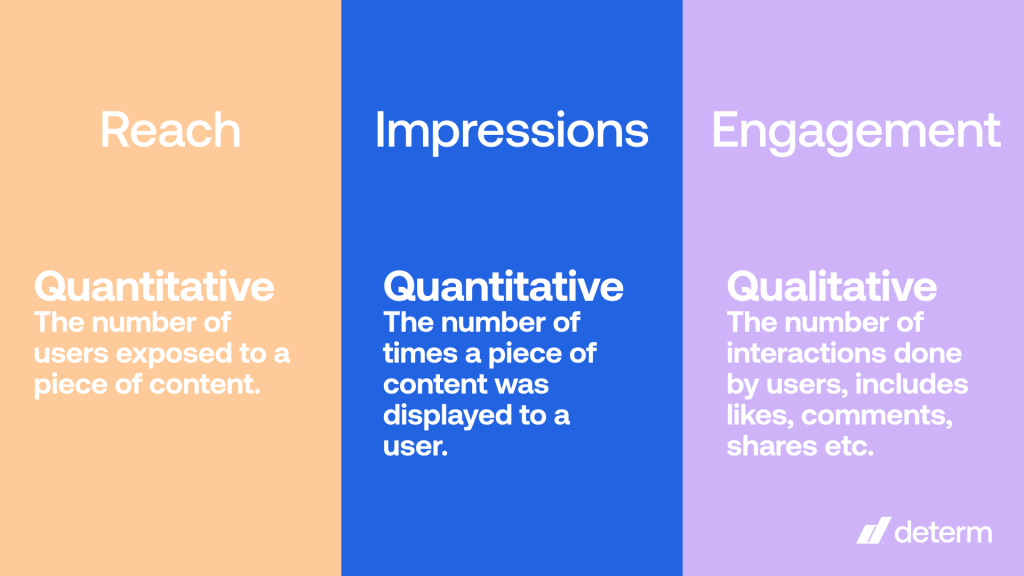
At its core, a marketing impression represents a single instance where an advertisement or piece of content is displayed to a user. This display can occur across various digital platforms, including websites, social media feeds, search engine results pages (SERPs), mobile applications, and even through programmatic advertising networks. The critical aspect of an impression is the display itself; it signifies that a user has been potentially exposed to the marketing material.

Distinguishing Impressions from Other Metrics
It’s essential to differentiate impressions from other common marketing metrics to avoid confusion and ensure accurate analysis.
Impressions vs. Reach
While often used interchangeably in casual conversation, “impressions” and “reach” are distinct. Reach measures the unique number of individuals who have seen your content. If one person sees your ad ten times, that counts as ten impressions but only one reach. Reach tells you how many different people you’ve touched, while impressions indicate the total number of times your content has been seen. Understanding both is vital. High impressions with low reach might suggest an overly aggressive retargeting strategy or a highly engaged but limited audience. Conversely, high reach with low impressions could mean your content isn’t being displayed frequently enough to a broad audience.
Impressions vs. Clicks
A click signifies an active engagement with an advertisement – the user has taken an action to interact with the displayed content, usually by navigating to a landing page or taking another desired action. An impression, on the other hand, is passive. A user can see an ad (an impression) without clicking on it. The click-through rate (CTR) is a vital metric that measures the ratio of clicks to impressions, providing insight into the ad’s effectiveness in capturing user attention and prompting action. A high number of impressions without a corresponding reasonable CTR could indicate issues with ad creative, targeting, or the offer itself.
Impressions vs. Views
The definition of a “view” can be context-dependent. In video advertising, a view typically has specific criteria, such as a minimum duration of watch time or a certain percentage of the video consumed. For static content like images or banner ads, an impression is often synonymous with a view. However, for rich media or interactive ads, a view might imply a more complete loading and rendering of the ad unit, which could be more nuanced than a simple display. For the purposes of broad marketing analysis, it’s generally understood that an impression is the initial display, while a view might imply a more engaged form of consumption, especially in video contexts.
The Technical Underpinnings of Impression Tracking
The tracking of impressions relies on sophisticated technologies embedded within advertising platforms and web analytics tools. When an ad is served to a user’s browser or app, a pixel or tracking code fires, signaling to the ad server that an impression has occurred. This data is then aggregated and reported. For instance, a website displaying a banner ad will communicate with the ad server, which logs that the ad was served to a particular user’s session. Similarly, social media platforms automatically track the number of times a post or ad appears in a user’s feed. The accuracy of impression tracking is dependent on factors such as user settings (e.g., ad blockers), page load times, and the reliability of the tracking mechanisms themselves.
The Significance of Impressions in Brand Marketing
In the realm of brand marketing, impressions are more than just a number; they are a proxy for brand visibility and awareness. They represent the potential for your brand message to reach its target audience, lay the groundwork for recognition, and influence perception.
Building Brand Awareness and Recognition
The fundamental purpose of many marketing campaigns, particularly those focused on the top of the marketing funnel, is to build awareness. Each impression contributes to this objective by placing the brand in front of potential customers. The more consistently and broadly a brand can generate impressions within its target demographic, the more likely it is that consumers will become familiar with its name, logo, and offerings. This familiarity is the first step towards brand recognition, where consumers can readily identify a brand when presented with its visual cues or messaging.
The Role of Frequency in Brand Recall
While reach ensures that a diverse audience is exposed to the brand, frequency – the average number of times an individual sees an ad – plays a critical role in brand recall. A single impression might be fleeting, but repeated exposure, facilitated by a higher number of impressions per user, can significantly enhance memory retention. Marketers often strategically adjust their campaign settings to achieve a desired frequency, balancing the need for consistent reinforcement with the risk of ad fatigue. The goal is to reach the “sweet spot” where the brand message is memorable without becoming annoying.
Impressions as a Measure of Market Penetration
The sheer volume of impressions generated by a campaign can also serve as an indicator of market penetration. A campaign that achieves millions of impressions suggests that the brand is actively present across a significant portion of its target market. This broad display of presence can contribute to a perception of market leadership and dominance, even if direct sales aren’t the immediate objective. It signals to competitors and consumers alike that the brand is a significant player.
Influencing Perceptions and Driving Top-of-Funnel Engagement
Beyond simple awareness, impressions can also subtly influence consumer perceptions. The consistent appearance of a brand in a positive or relevant context can foster associations and build a desired brand image. For example, a luxury brand consistently appearing in high-end lifestyle publications or associated with premium content will cultivate an impression of exclusivity and sophistication.
Supporting Content Marketing and Thought Leadership
For brands focused on content marketing and establishing thought leadership, impressions are vital for ensuring their valuable content reaches its intended audience. An informative blog post, an insightful whitepaper, or a compelling infographic will only achieve its goal of educating and influencing if it is seen. Impressions, therefore, become the engine that drives the consumption of this valuable brand collateral, positioning the brand as a knowledgeable and trusted source within its industry.
Optimizing Impression Generation for Campaign Success
Achieving a high volume of impressions is not an end in itself. The true value lies in generating relevant impressions that contribute to overarching marketing objectives. This requires strategic planning and continuous optimization.
Strategic Channel Selection for Impression Maximization
The choice of advertising channels significantly impacts the potential for impression generation and the quality of those impressions. Different platforms offer varying levels of reach and audience targeting capabilities.
Digital Advertising Platforms
Platforms like Google Ads, Meta (Facebook and Instagram), LinkedIn, and TikTok offer robust options for purchasing ad space and generating impressions at scale. These platforms leverage sophisticated algorithms and vast user bases to deliver ads to specific demographics, interests, and behaviors. For example, a business targeting young professionals might find LinkedIn to be an ideal platform for generating impressions due to its professional audience.
Programmatic Advertising
Programmatic advertising automates the buying and selling of ad inventory, enabling marketers to reach a broad audience across numerous websites and apps in real-time. This technology facilitates highly targeted impression generation, ensuring ads are served to the most relevant users at the most opportune moments. The efficiency of programmatic advertising allows for the generation of millions of impressions cost-effectively.
Social Media Organic Reach
While paid advertising is a primary driver of impressions, organic reach on social media also contributes. High-quality, engaging content can be shared, increasing its visibility and generating impressions without direct ad spend. Building a strong community and fostering engagement can amplify organic impressions significantly.
Understanding Impression Costs and Efficiency
The cost of impressions is a critical factor in budget allocation and campaign profitability. Marketers often utilize Cost Per Mille (CPM), a pricing model where advertisers pay a set amount for every thousand impressions delivered.
The Role of CPM in Budgeting
CPM is a fundamental metric for planning and forecasting advertising spend, especially for brand awareness campaigns. By understanding the typical CPM for their target platforms and audiences, marketers can estimate the number of impressions they can achieve within a given budget. For example, if a campaign budget is $1,000 and the CPM is $5, the campaign can generate 200,000 impressions ($1,000 / $5 * 1000).
Factors Influencing CPM
Several factors influence CPM, including the competitiveness of the ad space, the audience’s perceived value, the ad format, and the time of year. Highly sought-after demographics or premium ad placements will naturally command higher CPMs. Conversely, less competitive audiences or less desirable ad formats might offer lower CPMs, allowing for more impressions within the same budget.
Measuring and Analyzing Impression Performance
Beyond simply tracking the raw number of impressions, marketers must analyze their performance in the context of their campaign goals.
Identifying High-Performing Channels and Placements
By analyzing impression data across different channels and placements, marketers can identify where their ads are being displayed most effectively. This insight allows for the reallocation of budget towards higher-performing areas and the optimization of lower-performing ones. For instance, if banner ads on a particular website are generating a disproportionately high number of impressions for a target audience, it might warrant increased investment in that placement.
Utilizing Impression Data for Audience Insights
The aggregate data from impressions can also offer valuable insights into audience behavior and preferences. Analyzing which demographics, interests, or behaviors are associated with the highest impression volumes can refine audience targeting for future campaigns, ensuring a more efficient and impactful use of marketing resources.

Conclusion
Impressions serve as the fundamental building blocks of brand visibility and reach in the digital marketing ecosystem. They represent the initial point of contact between a brand and a potential customer, laying the groundwork for awareness, recognition, and ultimately, engagement. While a single impression may seem insignificant, the cumulative effect of strategic and optimized impression generation can profoundly impact a brand’s presence and influence in the marketplace. By understanding the nuances of impressions, their relationship with other key metrics, and the strategies for their effective generation and analysis, marketers can unlock their full potential to build stronger brands and achieve their business objectives.
aViewFromTheCave is a participant in the Amazon Services LLC Associates Program, an affiliate advertising program designed to provide a means for sites to earn advertising fees by advertising and linking to Amazon.com. Amazon, the Amazon logo, AmazonSupply, and the AmazonSupply logo are trademarks of Amazon.com, Inc. or its affiliates. As an Amazon Associate we earn affiliate commissions from qualifying purchases.