
In an era defined by relentless digital transformation, data has emerged as the lifeblood of businesses, a treasure trove for personal endeavors, and a critical component of our global infrastructure. From intricate financial records and proprietary algorithms to cherished personal memories and critical healthcare information, the volume and value of digital data continue to skyrocket. This proliferation, however, comes with a formidable challenge: protecting this data from an increasingly sophisticated array of threats, chief among them ransomware, malicious insider activities, and accidental deletion. This is where the concept of immutable backups steps in, not merely as a feature but as a fundamental paradigm shift in data protection strategies, offering an unparalleled layer of security that traditional backups simply cannot match.
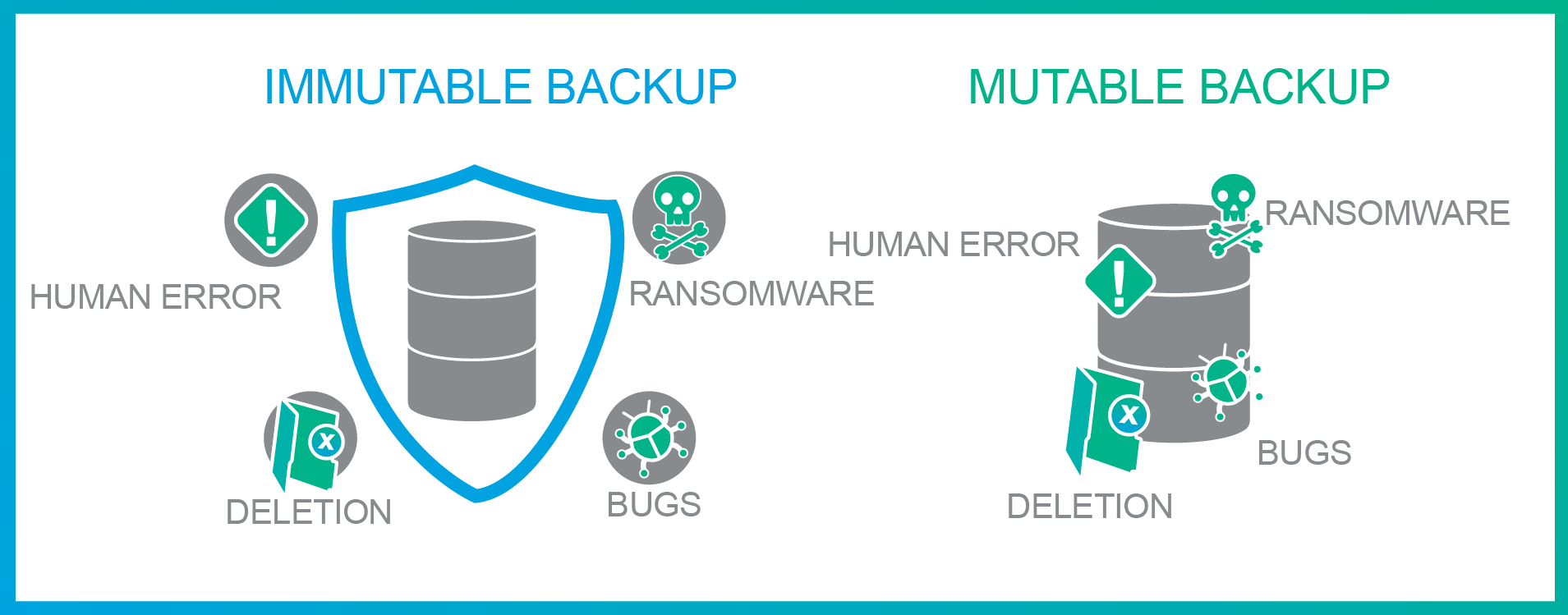
At its core, an immutable backup is a copy of your data that, once created, cannot be altered, overwritten, or deleted for a predefined period. Think of it as a digital “write once, read many” (WORM) mechanism. Once written to the immutable storage, the data becomes fixed, encased in a protective layer that defies modification, even by administrators or advanced malware. This unyielding characteristic makes immutable backups an indispensable tool in today’s cybersecurity landscape, moving beyond conventional backup methods to offer true resilience against even the most devastating data loss scenarios. It’s a proactive defense mechanism, ensuring that even if your primary systems are compromised, an uncorrupted, recoverable version of your data remains intact, serving as the ultimate safeguard for your digital assets.
The Imperative of Immutable Backups in the Digital Age
The necessity for immutable backups has never been more pressing. The digital realm, while offering unprecedented opportunities, is also fraught with peril. The escalating frequency and sophistication of cyberattacks, particularly ransomware, have transformed data loss from a mere inconvenience into an existential threat for many organizations and individuals. Traditional backup strategies, while crucial, often fall short when faced with modern cyber adversaries.
Ransomware, for instance, often targets backup systems directly, seeking to encrypt or delete recovery points to ensure victims have no alternative but to pay the ransom. This malicious tactic renders conventional backups useless, leaving organizations in a catastrophic predicament. Immutable backups directly counter this threat. Because the backup data cannot be altered or deleted, even by the ransomware payload or a compromised administrator account, a clean, uninfected recovery point is always available. This capability fundamentally shifts the power dynamic, providing organizations with a reliable “break glass in case of emergency” option, rendering ransomware attacks significantly less impactful and often, entirely nullifying the attackers’ leverage.
Beyond ransomware, the imperative for immutable backups extends to accidental deletion, malicious insider threats, and even system failures that corrupt data. A disgruntled employee or an unintentional error can lead to significant data loss. With immutable backups, even if data is deleted from primary systems and standard backups, the immutable copy remains, offering a secure path to recovery. This robust protection addresses not only external threats but also internal vulnerabilities, cementing immutable backups as a foundational element of a comprehensive digital security strategy. Furthermore, the increasing stringency of regulatory compliance standards, such as GDPR, HIPAA, and various financial regulations, demands robust data retention and integrity measures, which immutable backups are uniquely positioned to provide. Ignoring this imperative is no longer an option; investing in immutable backups is an investment in business continuity, brand reputation, and financial stability.
How Immutable Backups Work: Technology Under the Hood
Understanding the core mechanics behind immutable backups reveals the ingenuity of their design and why they offer such robust protection. It’s a combination of policy enforcement, advanced storage technologies, and cryptographic principles, all working in concert to create an impenetrable data shield.
Core Principles: WORM and Retention Policies
The fundamental principle governing immutable backups is “Write Once, Read Many” (WORM). This concept, traditionally associated with physical media like CD-ROMs, has been adapted and advanced for digital storage. When data is backed up with immutability enabled, the storage system ensures that the data block, once written, cannot be modified or deleted. This protection is enforced through stringent retention policies, which dictate how long the data must remain immutable. These policies are configured by the user or administrator and can range from a few days to several years, depending on regulatory requirements, organizational policies, and the criticality of the data. During this retention period, no action—whether by an administrator, an application, or malware—can alter the data. Even after the retention period expires, the system typically requires explicit authorization for deletion, often delaying actual deletion to provide an additional layer of safety. This systematic enforcement of WORM and retention policies is the bedrock upon which the entire immutable backup strategy rests, guaranteeing data integrity against all forms of tampering.
Storage Technologies and Implementation
Immutable backups are not tied to a single technology but are implemented across various storage solutions. Object storage, particularly cloud-based object storage services like Amazon S3 or Azure Blob Storage, often provides native immutability features, referred to as “Object Lock” or “Immutable Storage.” These services allow users to set retention periods and legal holds directly on objects, making them immutable at the storage layer. Other implementations include specialized backup appliances with firmware-level immutability, snapshots from storage arrays (where the snapshot itself is immutable or protected by policies), and advanced file systems designed for data integrity.
For instance, many modern backup software solutions integrate with these immutable storage targets. When a backup job runs, the data is sent to the immutable repository. The backup software communicates with the storage system to apply the immutability policy to the newly written data blocks or objects. This ensures that even if the backup server itself is compromised, the data stored on the immutable target remains safe. Hybrid approaches combine on-premises immutable storage for rapid recovery with cloud-based immutable storage for offsite disaster recovery and enhanced resilience, ensuring that data is protected across multiple vectors. The choice of implementation depends on factors such as scale, budget, recovery time objectives (RTO), and recovery point objectives (RPO).
The Role of Cryptography and Hashing
While immutability primarily focuses on preventing alteration, cryptography and hashing play a crucial supporting role in ensuring data integrity and authenticity. Before data is stored as an immutable backup, it is often cryptographically hashed. A hash is a unique digital fingerprint of the data. If even a single bit of the data is changed, its hash value will drastically change, immediately indicating tampering. This hash can be stored alongside the immutable data. During recovery, the data can be re-hashed and compared against the original hash to confirm its integrity.
Furthermore, encryption is critical for data security in transit and at rest. Even if data is immutable, it must also be protected from unauthorized access. Immutable backups are typically encrypted before being stored, ensuring that only authorized individuals with the correct decryption keys can access the content. This combination of immutability, hashing for integrity verification, and encryption for confidentiality creates a multi-layered security posture that is incredibly difficult to breach. These technological underpinnings provide the assurance that the recovered data is not only intact but also authentic and confidential, safeguarding the most critical digital assets of any enterprise or individual.
Beyond Disaster Recovery: The Multi-Faceted Benefits
While disaster recovery is a primary driver for immutable backups, their benefits extend far beyond simply restoring operations after a catastrophic event. They serve as a cornerstone for robust digital security, uphold brand reputation, ensure regulatory compliance, and represent a shrewd financial investment.
Fortifying Digital Security and Ransomware Resilience
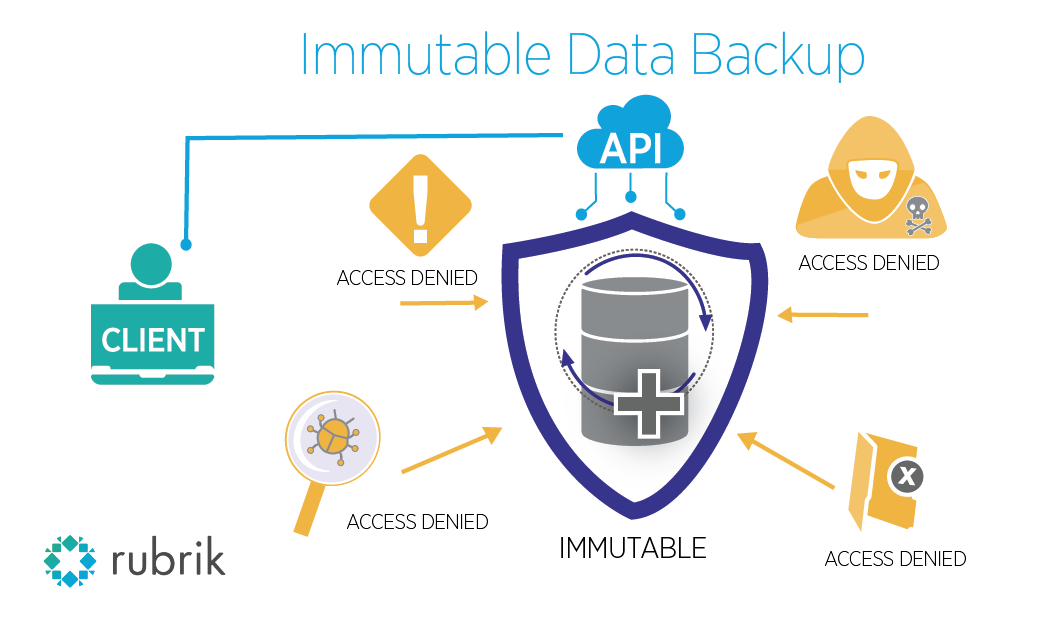
In today’s threat landscape, traditional perimeter defenses are often insufficient. Ransomware and other sophisticated malware can bypass firewalls and intrusion detection systems, burrowing deep into networks to encrypt or destroy data. Immutable backups provide a critical last line of defense. By creating a logically isolated and tamper-proof copy of data, they guarantee a clean slate for recovery, even if every other system is compromised. This capability fundamentally alters the cybersecurity calculus: organizations can confidently respond to attacks, knowing they always have an uncorrupted version of their data to restore from, eliminating the need to pay ransoms or negotiate with attackers. It moves security from a reactive stance to one of proactive resilience, minimizing downtime, data loss, and the overall impact of cyber incidents. This robust ransomware resilience is perhaps the single most compelling benefit, transforming a potential existential crisis into a manageable recovery process.
Upholding Brand Reputation and Trust
Data breaches and prolonged system outages inflict severe damage, not just on operational capabilities but, more importantly, on an organization’s brand reputation and customer trust. When sensitive customer data is lost or held hostage, or when services become unavailable for extended periods, the public perception of the brand erodes rapidly. Immutable backups directly mitigate these risks. By ensuring rapid and reliable recovery, they minimize downtime, preventing extended service disruptions that frustrate customers and damage brand loyalty. More profoundly, by protecting customer data from deletion or corruption, they underscore a brand’s commitment to data privacy and security. In an age where consumers are increasingly conscious of how their personal information is handled, a reputation for robust data protection, underpinned by immutable backups, can be a significant competitive advantage. Conversely, a data breach resulting from inadequate backup strategies can lead to irreparable damage to corporate identity, market value, and customer retention.
Navigating Regulatory Compliance
The regulatory landscape surrounding data is becoming increasingly complex and punitive. Laws like the General Data Protection Regulation (GDPR), the Health Insurance Portability and Accountability Act (HIPAA), and various financial regulations impose strict requirements for data retention, integrity, and recoverability. Non-compliance can result in hefty fines, legal battles, and significant reputational damage. Immutable backups are an invaluable tool for meeting these stringent compliance mandates. They provide undeniable proof that data has been retained for the required period and remains unaltered, satisfying audit requirements. The inherent tamper-proof nature of immutable backups provides an irrefutable audit trail, demonstrating due diligence in data protection. Furthermore, in scenarios requiring legal holds on data, immutable backups ensure that specific data sets are preserved without modification for the duration of legal proceedings, directly addressing e-discovery and litigation support needs. This makes them not just a security feature but a critical component of a comprehensive governance, risk, and compliance (GRC) framework.
Financial Prudence: ROI of Immutability
While immutable backup solutions represent an investment, their return on investment (ROI) is substantial and often overlooked. The financial implications of a data breach or prolonged outage are staggering, encompassing direct costs like ransom payments, forensic investigations, legal fees, and regulatory fines, as well as indirect costs such as lost revenue due to downtime, reputational damage, customer churn, and decreased market valuation. Immutable backups act as a powerful financial shield against these potentially ruinous expenses. By enabling swift recovery without data loss, they drastically reduce downtime, preserve operational efficiency, and prevent the financial hemorrhaging that often accompanies cyberattacks. Forgoing the upfront investment in immutability can lead to far greater financial losses in the long run. Moreover, the peace of mind derived from knowing critical data is impervious to deletion or corruption has intangible but significant value, allowing organizations to focus on growth and innovation rather than constantly fearing data disaster. It’s a strategic allocation of capital that pays dividends in resilience and stability.
Implementing Immutable Backups: Best Practices and Considerations
Implementing an immutable backup strategy requires careful planning and adherence to best practices to ensure maximum effectiveness and align with specific organizational needs. It’s not a one-size-fits-all solution but a tailored approach.
Assessing Your Needs and Data Landscape
Before diving into solutions, a thorough assessment of your data landscape is paramount. Identify your most critical data assets, their locations, their value, and the regulatory requirements surrounding them. Determine your acceptable Recovery Time Objectives (RTOs) – how quickly you need to recover – and Recovery Point Objectives (RPOs) – how much data you can afford to lose. Categorize data by sensitivity and importance. For instance, customer financial data might require longer retention periods and more rigorous immutability than internal marketing materials. Understanding your unique data ecosystem will guide the selection of appropriate technologies, retention policies, and overall architecture for your immutable backup strategy. This foundational step ensures that your investment is targeted and maximizes protection where it matters most.
Choosing the Right Solution: On-Premise vs. Cloud vs. Hybrid
The market offers a diverse range of immutable backup solutions, each with its own advantages.
- On-Premise Solutions involve dedicated hardware or software that integrates with existing storage infrastructure, offering direct control and potentially faster local recovery. This is often preferred by organizations with strict data sovereignty requirements or massive data volumes that are expensive to move to the cloud.
- Cloud-Based Solutions leverage public cloud providers’ native immutability features (like S3 Object Lock), offering scalability, geographical redundancy, and reduced management overhead. These are ideal for organizations seeking cost-effectiveness, elastic storage, and robust offsite protection without the capital expenditure of on-premise hardware.
- Hybrid Approaches combine the best of both worlds: on-premise immutable storage for quick local restores and cloud-based immutable storage for offsite disaster recovery and long-term retention. This balanced strategy provides both rapid recovery capabilities and ultimate resilience against site-wide disasters, often proving to be the most comprehensive solution for many modern enterprises. The choice depends on balancing cost, performance, scalability, and specific compliance needs.
Developing a Robust Retention Strategy
A well-defined retention strategy is critical. This involves not only setting immutability periods but also considering the entire data lifecycle. How long must different types of data remain immutable? What happens after the immutability period expires? For example, sensitive financial records might require immutability for seven years to meet regulatory mandates, while less critical operational data might only need immutability for 30 days. It’s also important to implement “legal hold” capabilities, allowing you to indefinitely retain specific data sets (even beyond their normal retention period) for litigation or investigation purposes. Furthermore, consider a multi-tiered approach: shorter immutability periods for frequently accessed recovery points, and longer ones for archival purposes. The strategy should be clearly documented, communicated, and regularly reviewed to adapt to evolving business needs and regulatory changes.
Regular Testing and Validation
An immutable backup strategy is only as effective as its ability to restore data successfully. Regular testing and validation are non-negotiable. This involves simulating various disaster scenarios and attempting to restore data from your immutable backups. Test not only the recovery of individual files but also entire systems and applications. Validate that the recovered data is indeed uncorrupted and functional. Document test results, identify any weaknesses, and refine your processes. Untested backups are effectively no backups at all, and immutability doesn’t guarantee recoverability unless it’s proven through rigorous testing. Automated testing tools can help streamline this process, ensuring consistent validation without significant manual effort.

Integrating with Overall Digital Security Strategy
Immutable backups should not operate in isolation; they are a vital component of a holistic digital security strategy. Integrate your immutable backup solution with your existing security tools, such as Security Information and Event Management (SIEM) systems, threat intelligence platforms, and identity and access management (IAM) solutions. Ensure that access to your backup environment, especially the immutable storage, is tightly controlled through strong authentication, multi-factor authentication (MFA), and role-based access control (RBAC) with the principle of least privilege. Monitor backup activities for suspicious behavior, such as attempts to delete or alter immutable data (which should fail but should still be flagged). A comprehensive security posture ensures that while your immutable backups are the ultimate safeguard, they are themselves protected and seamlessly integrated into your broader defense-in-depth framework.
In conclusion, immutable backups are no longer a luxury but a fundamental necessity in the modern digital landscape. They provide an essential layer of resilience against ransomware, accidental deletions, and malicious attacks, safeguarding your critical data, preserving your brand’s integrity, ensuring regulatory compliance, and delivering substantial financial protection. By understanding their mechanics and implementing them with careful planning and best practices, organizations and individuals can confidently navigate the complexities of the digital age, secure in the knowledge that their most valuable asset – their data – remains unyielding, accessible, and ultimately, recoverable.
aViewFromTheCave is a participant in the Amazon Services LLC Associates Program, an affiliate advertising program designed to provide a means for sites to earn advertising fees by advertising and linking to Amazon.com. Amazon, the Amazon logo, AmazonSupply, and the AmazonSupply logo are trademarks of Amazon.com, Inc. or its affiliates. As an Amazon Associate we earn affiliate commissions from qualifying purchases.