
The Science of Bitterness: Understanding IBUs
To delve into the strategic use of bitterness in brand building, we must first establish a foundational understanding of what IBUs represent. The International Bitterness Unit (IBU) is a standardized metric used to quantify the perceived bitterness of beer. More precisely, it measures the concentration of iso-alpha acids, primarily derived from hops, in parts per million (ppm). One IBU is equivalent to one milligram of iso-alpha-acid per liter of beer. While the scale technically ranges from 0 to well over 100, the human palate generally struggles to discern differences much beyond 100-120 IBUs, with some extremely hoppy beers pushing these boundaries.
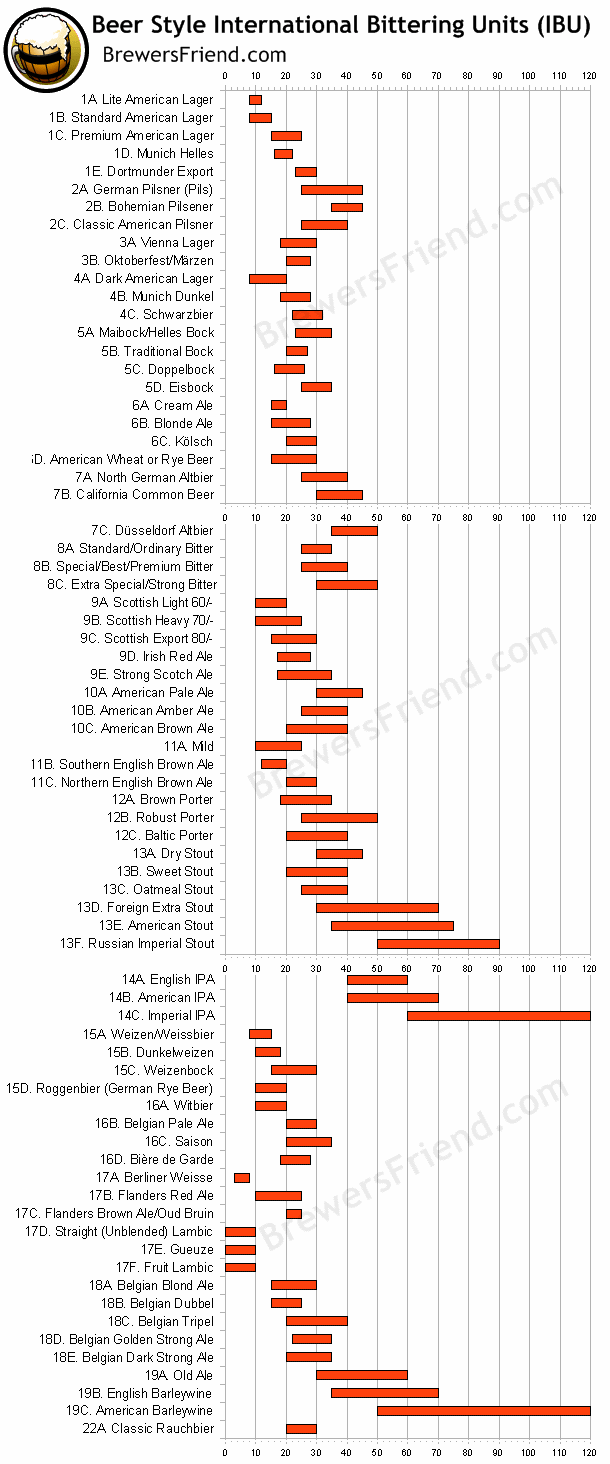
Decoding the International Bitterness Unit
The IBU scale is not merely an arbitrary number; it’s a scientific measurement rooted in the chemical properties of hops. During the brewing process, hops are added to the wort (unfermented beer), and when boiled, the alpha acids present in the hops undergo a chemical transformation called isomerization. This process converts alpha acids into iso-alpha acids, which are highly soluble and contribute the characteristic bitterness to beer. The longer hops are boiled, and the higher the alpha acid content of the specific hop variety, the more iso-alpha acids are released, leading to a higher IBU count. This scientific underpinning provides a consistent, albeit sometimes nuanced, benchmark for brewers and, by extension, consumers.
How Hops Contribute to IBU
Hops (Humulus lupulus) are perhaps the most influential ingredient in defining a beer’s IBU profile. Beyond their bittering capabilities, hops also impart a vast spectrum of aromas and flavors—from citrus and pine to floral and earthy notes. However, it’s their alpha acid content that dictates their bittering potential. Different hop varieties possess varying levels of alpha acids, making them more or less suitable for bittering versus aroma contributions. For instance, high-alpha acid hops like Magnum or Warrior are often used primarily for their bittering power early in the boil, while aroma hops like Citra or Cascade, with lower alpha acids, might be added late in the boil or during dry-hopping to preserve their volatile aromatic compounds. Understanding this interplay between hop chemistry and brewing technique is crucial for a brand seeking to precisely manage its product’s bitterness and align it with its desired market positioning.
IBU as a Cornerstone of Brand Identity
In the crowded craft beer landscape, where consumers are spoilt for choice, a brewery’s brand identity becomes paramount. The IBU count of a beer, far from being just a technical specification, serves as a powerful instrument in defining this identity. It communicates volumes about a beer’s intended style, its flavor profile, and even the brewery’s philosophy. For many brands, their stance on bitterness – whether embracing extreme hop-forward profiles or championing balanced, mellow brews – becomes a distinctive marker in the market. This isn’t just about taste; it’s about positioning, perception, and the promise a brand makes to its consumer.
Defining Style and Segment Through Bitterness
The IBU level is intrinsically linked to widely recognized beer styles. A West Coast IPA, for instance, is almost invariably associated with a high IBU count, often ranging from 60 to 90+, delivering a pronounced, assertive bitterness that defines the style. Conversely, a German Helles Lager would typically boast a very low IBU (8-20), emphasizing malt sweetness and a clean finish. Breweries strategically leverage these stylistic expectations. A brand launching a new “Imperial Stout” will ensure its bitterness, even if balanced by significant malt character, falls within the accepted range for the style to maintain authenticity and meet consumer expectations. By aligning their IBU profiles with established or innovative style guidelines, brands effectively self-segment, targeting specific groups of consumers who favor particular levels of bitterness. This clarity in style definition, driven by IBU, helps consumers navigate choices and fosters a sense of familiarity and trust with the brand.
Crafting a Unique Brand Narrative
Beyond style adherence, IBU plays a critical role in weaving a brand’s unique narrative. A brewery known for its “bitterness wars” – constantly pushing the boundaries of hop intensity – builds a brand story around boldness, innovation, and catering to the most ardent hop enthusiasts. Their marketing might emphasize aggressive hop additions, rare varietals, and the sheer challenge of crafting such potent brews. On the other hand, a brand that prides itself on sessionable, approachable beers will craft a narrative around balance, drinkability, and a smoothness achieved through judicious hop use, resulting in lower IBUs. This narrative isn’t just about taste notes; it’s about the emotional connection, the experience, and the lifestyle the brand promotes. Is it for the adventurous palate seeking a punch, or for the casual drinker desiring refreshment? The IBU often provides the first clue. This narrative, when consistently communicated across all touchpoints, from packaging to social media, strengthens brand recognition and loyalty, ensuring that consumers associate a particular bitterness profile with a specific brand experience.
Marketing Bitterness: Communicating IBU to Consumers
The challenge for any beer brand is not just to brew a beer with a specific IBU, but to effectively communicate that bitterness profile to its target audience. How a brand frames its IBU information—or chooses to omit it—is a crucial marketing decision that influences consumer expectations and purchasing behavior. This goes beyond simply printing a number on a label; it involves a holistic strategy encompassing descriptive language, visual cues, and targeted messaging designed to resonate with diverse consumer preferences.

Messaging for the Hop-Heads and the Smooth Sippers
Different consumer segments respond to bitterness in vastly different ways. “Hop-heads” or enthusiasts of bitter beers actively seek out high IBU counts, viewing them as a badge of intensity and flavor. For these consumers, explicit mention of a high IBU on packaging or marketing materials serves as a powerful selling point. Brands targeting this demographic might use descriptors like “aggressively hopped,” “piney bite,” or “resinously bitter” to reinforce the IBU number. Conversely, consumers who prefer milder, more approachable beers might be deterred by a prominent high IBU display. For these “smooth sippers,” brands often emphasize balance, crispness, or a “clean finish,” even if the beer still contains a moderate level of bitterness. In such cases, the IBU might be presented subtly, or not at all, allowing the tasting notes and stylistic cues to guide perception. The art of marketing bitterness lies in understanding these distinct psychographics and tailoring the message to attract, rather than alienate, the desired consumer.
Packaging, Naming, and Promotional Strategies
The communication of IBU extends far beyond simple numerical values; it’s deeply embedded in a brand’s visual identity and promotional efforts. Packaging design, for instance, can subtly hint at a beer’s bitterness. Darker, more angular designs might suggest intensity, while lighter, softer aesthetics could imply a more mellow experience. Naming conventions are also critical: a beer named “Bitter End IPA” clearly telegraphs its hoppy nature, whereas “Sunset Golden Ale” suggests something more laid-back.
Promotional strategies further amplify these messages. Social media campaigns might feature brewers discussing their passion for particular hop varieties for high-IBU beers, or highlight the refreshing qualities of a low-IBU lager during summer. Tastings and events can educate consumers on how to appreciate different bitterness levels. Brands can also employ storytelling around the source of their hops or the brewing process to connect the IBU to a narrative of quality and craftsmanship. The goal is to create a cohesive brand experience where every element, from the name to the label art to the marketing copy, consistently communicates the beer’s bitterness profile in a way that aligns with the brand’s overall promise and attracts its intended audience.
The Evolving IBU Landscape and Brand Adaptation
The beer industry is dynamic, with consumer tastes and brewing trends constantly shifting. What was considered cutting-edge bitterness a decade ago might now be commonplace, or even passé. This evolving landscape presents both challenges and opportunities for brands, requiring them to adapt their IBU strategies while staying true to their core identity. Successful brands understand that consistency is key, but so is the ability to innovate and respond to new consumer preferences without diluting their brand essence.
Navigating Trends: From Bitterness Wars to Balanced Profiles
For years, a significant trend in craft beer, particularly in the IPA category, was the “bitterness war”—a race to produce beers with ever-higher IBU counts, pushing the boundaries of palate perception. Brands competed on who could create the most intensely bitter brew, building a reputation around extreme hop profiles. However, recent years have seen a shift, with the rise of styles like Hazy IPAs (New England IPAs), which, despite being heavily hopped, often present a softer, juicier bitterness with lower perceived IBUs, due to brewing techniques and hop additions that emphasize aroma and flavor over harsh bitterness. This trend means that a brand previously known for its aggressive West Coast IPAs might need to adapt by introducing a hazy variant, or by subtly adjusting its traditional offerings to achieve a more balanced bitterness. The key is to recognize these shifts and incorporate them into the brand’s portfolio without abandoning the loyal customers who appreciate their classic, high-IBU offerings. This often involves expanding the product line rather than fundamentally altering existing flagship beers.
Maintaining Brand Consistency While Innovating
The challenge of adaptation lies in maintaining brand consistency. A brewery that built its reputation on uncompromising bitterness cannot suddenly pivot to exclusively low-IBU beers without risking alienation of its core audience and confusion in the market. Instead, effective brand adaptation involves thoughtful innovation that complements the existing brand identity. This could mean launching limited-edition beers that experiment with new bitterness profiles, or creating sub-brands that cater to emerging tastes. For instance, a brand famous for its 80+ IBU IPA might launch a “session IPA” at 40 IBUs, positioning it as an approachable yet still characteristically hoppy alternative. The language used in marketing these new products is crucial: it must bridge the gap between the brand’s established identity and its new offerings, ensuring consumers understand how the innovation fits into the broader brand narrative. This strategic balancing act allows brands to stay relevant and attract new consumers while reinforcing the values that have defined them.
IBU and the Consumer Experience: Building Brand Loyalty
Ultimately, the goal of any branding effort is to foster loyalty and repeat purchases. In the context of beer, a consistently delivered and accurately communicated IBU profile plays a significant role in achieving this. It shapes consumer expectations, informs their tasting experience, and contributes to the overall satisfaction that encourages them to choose a brand again and again. When a brand’s promise regarding bitterness aligns with the actual product experience, it builds trust, which is the bedrock of enduring loyalty.
The Expectation-Flavor Connection
Consumers approach beer with a set of expectations, often influenced by the brand’s marketing, the beer’s style, and any indicated IBU. If a beer is marketed as “aggressively bitter” and boasts a high IBU, a consumer expects a pronounced hop bite. If that expectation is met with an actual flavor profile that delivers the promised bitterness, the consumer experience is positive and reinforcing. Conversely, if a “hoppy” beer turns out to be unexpectedly mild, or a “smooth” lager is surprisingly bitter, it creates a disconnect that can lead to disappointment and erode trust in the brand. This expectation-flavor connection is critical: brands must ensure their IBU communication is not just accurate, but also aligns with the holistic sensory experience. This builds credibility and ensures that consumers know what they’re getting when they pick up a particular brand, making future purchases more predictable and satisfying.

Cultivating a Community Around Bitterness Preferences
Beyond individual satisfaction, brands can leverage IBU preferences to cultivate a sense of community among their consumers. Breweries renowned for their high-IBU beers often foster a subculture of “hop heads” who actively seek out and discuss the nuances of extreme bitterness. These consumers become brand advocates, sharing their experiences and recommendations within their social circles. Similarly, brands specializing in balanced or low-IBU beers can build communities around an appreciation for subtlety, complexity, and sessionability. These communities are not just passive consumers; they are engaged participants who feel a connection to the brand’s philosophy and product ethos. By acknowledging and celebrating these shared preferences for bitterness, brands can strengthen their emotional bond with consumers, transforming individual loyalty into collective brand advocacy. This communal aspect, driven by a shared appreciation for specific IBU profiles, creates a powerful feedback loop that further solidifies the brand’s market position and ensures its continued relevance.
aViewFromTheCave is a participant in the Amazon Services LLC Associates Program, an affiliate advertising program designed to provide a means for sites to earn advertising fees by advertising and linking to Amazon.com. Amazon, the Amazon logo, AmazonSupply, and the AmazonSupply logo are trademarks of Amazon.com, Inc. or its affiliates. As an Amazon Associate we earn affiliate commissions from qualifying purchases.