
The allure of plump, ruby-red strawberries, bursting with sweetness, is a universally cherished delight. Traditionally, these coveted fruits have conjured images of sun-drenched fields and fertile soil. However, a revolution is quietly taking root, not in the earth, but in water. Hydroponic strawberries represent a significant technological advancement in agriculture, offering a sophisticated and efficient method for cultivating this beloved berry. This approach transcends conventional farming limitations, leveraging cutting-edge technology to optimize growth, minimize resource consumption, and deliver a consistent, high-quality product.
The Technological Foundation of Hydroponic Strawberry Cultivation
Hydroponics, at its core, is a method of growing plants without soil. Instead, plant roots are suspended in or periodically exposed to a nutrient-rich water solution. This fundamental principle, when applied to strawberry cultivation, unlocks a realm of technological innovation that redefines how we produce food. The transition from traditional field farming to soilless systems is driven by a desire for greater control over the growing environment, enhanced plant health, and improved yields, all facilitated by a suite of advanced technologies.
Nutrient Film Technique (NFT) and Deep Water Culture (DWC)
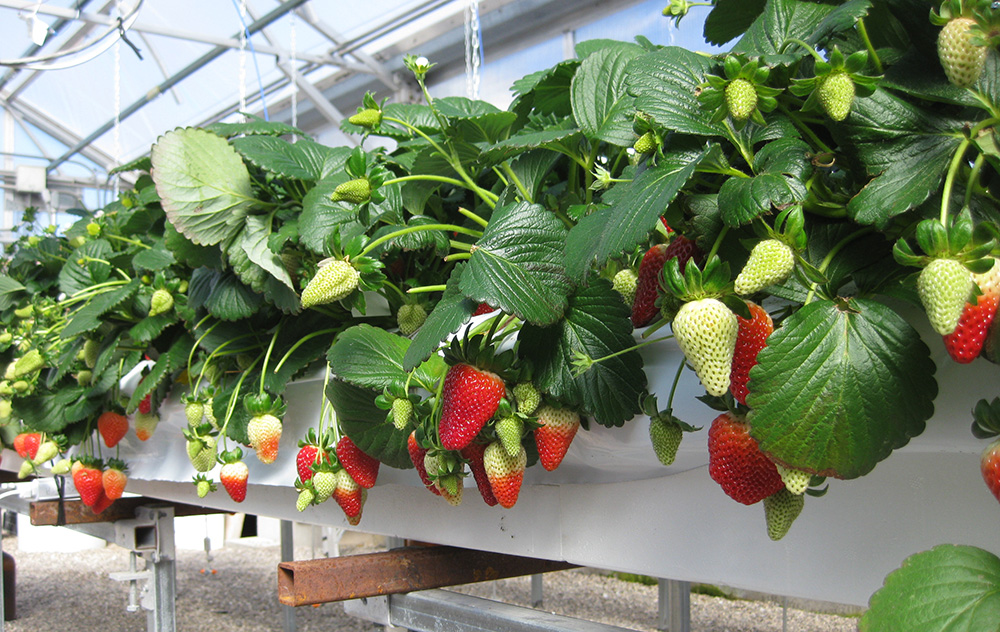
Two of the most prevalent hydroponic systems employed for strawberry cultivation are the Nutrient Film Technique (NFT) and Deep Water Culture (DWC). NFT systems utilize a continuous, shallow stream of nutrient-rich water that flows over the plant roots. This ensures constant access to both water and dissolved nutrients, while also providing adequate oxygenation. The water is typically recirculated, making it an incredibly efficient use of resources.
Deep Water Culture (DWC), on the other hand, involves suspending plant roots directly in a reservoir of oxygenated nutrient solution. Air stones or pumps are crucial in DWC systems to prevent root suffocation. While requiring a larger volume of water than NFT, DWC can be simpler to set up and maintain for smaller-scale operations. Both systems, however, rely on precise management of the nutrient solution, which is where technology plays a pivotal role.
Environmental Control Systems: The Brains Behind the Operation
The success of hydroponic strawberry farming is intrinsically linked to the sophisticated environmental control systems that manage every aspect of the growing process. These systems are akin to a greenhouse’s central nervous system, meticulously monitoring and adjusting conditions to create an optimal microclimate for the strawberry plants.
Climate Management: Temperature, Humidity, and CO2
Temperature regulation is paramount. Strawberry plants have specific temperature requirements for vegetative growth, flowering, and fruit development, and these can vary by cultivar. Automated climate control systems, often integrated with sensors and HVAC (Heating, Ventilation, and Air Conditioning) units, maintain precise temperature ranges throughout the day and night. Similarly, humidity levels are carefully managed to prevent fungal diseases and promote pollination. Misting systems, dehumidifiers, and ventilation fans work in concert to achieve these targets.
Beyond temperature and humidity, many advanced hydroponic operations also control carbon dioxide (CO2) levels within the grow space. CO2 is essential for photosynthesis, and enriching the atmosphere with it can significantly boost plant growth and fruit production. Automated injection systems, guided by CO2 sensors, ensure that optimal levels are maintained without exceeding safe thresholds.
Lighting Technologies: Photosynthesis Optimized
Artificial lighting is a cornerstone of modern hydroponic strawberry production, especially in regions with limited natural sunlight or for year-round cultivation. Light Emitting Diodes (LEDs) have become the dominant technology in this field due to their energy efficiency, longevity, and ability to emit specific wavelengths of light tailored to plant needs.
Hydroponic growers can select LED grow lights that provide the optimal spectrum for different growth stages. For instance, bluer light is beneficial for vegetative growth, while redder light promotes flowering and fruit development. Sophisticated lighting systems can be programmed to mimic natural day-night cycles, adjust light intensity based on plant requirements, and even shift spectrum throughout the growth cycle, maximizing photosynthetic efficiency and encouraging robust strawberry development. The ability to precisely control the light spectrum and photoperiod represents a significant technological leap over traditional agriculture.
Automation and Sensor Technology: Precision and Efficiency
The operational efficiency and scalability of hydroponic strawberry farms are heavily reliant on automation and advanced sensor technology. These tools enable growers to monitor and manage a vast array of parameters with unparalleled precision, often reducing the need for constant manual intervention.
Real-time Monitoring and Data Analytics
A network of sensors continuously collects data on critical environmental factors such as pH levels, electrical conductivity (EC) of the nutrient solution, temperature, humidity, light intensity, and CO2 concentration. These sensors transmit real-time data to a central control system, often accessible via a dashboard or mobile app. This allows growers to observe the exact conditions within the grow space at any given moment.
This wealth of data is not just for observation; it forms the basis for sophisticated data analytics. By tracking trends over time, growers can identify subtle issues before they become major problems, optimize nutrient recipes, and fine-tune environmental settings for maximum yield and quality. This data-driven approach is a hallmark of technologically advanced agriculture.
Automated Dosing and Irrigation
Automated dosing systems are integral to maintaining the delicate balance of the nutrient solution. These systems, guided by sensor readings of pH and EC, automatically inject precise amounts of concentrated nutrient solutions and pH adjusters into the reservoir. This ensures that the plants receive the exact nutrients they need at each stage of their life cycle, preventing deficiencies or toxicities.
Similarly, irrigation within hydroponic systems is often automated. In NFT systems, the pump that circulates the nutrient solution can be programmed for specific flow rates and durations. In other systems, automated timers control the frequency and duration of water delivery, ensuring roots are neither waterlogged nor dehydrated. This level of automated control minimizes human error and optimizes resource utilization.
The Technological Advantages of Hydroponic Strawberries
The integration of advanced technology in hydroponic strawberry cultivation yields a multitude of advantages that set it apart from traditional farming methods. These benefits directly impact the efficiency of production, the quality of the fruit, and the sustainability of the agricultural process.
Resource Efficiency: Water and Nutrient Optimization
One of the most significant technological advantages of hydroponics is its exceptional resource efficiency, particularly concerning water and nutrient utilization. Traditional agriculture, reliant on soil-based irrigation, often suffers from significant water loss through evaporation and runoff. Hydroponic systems, especially recirculating ones, can use up to 90% less water than conventional farming methods. The closed-loop nature of many hydroponic setups means that water and nutrients are reused, minimizing waste and the need for constant replenishment.

The precise delivery of nutrients in hydroponics is another key technological benefit. Instead of nutrients being leached away by rain or inefficient irrigation, they are delivered directly to the plant’s root zone in a readily absorbable form. This controlled delivery prevents over-fertilization, reduces nutrient runoff into waterways, and ensures that plants receive exactly what they need for optimal growth, leading to healthier plants and higher-quality fruit.
Controlled Environment Agriculture (CEA) and Predictable Yields
Hydroponic systems are a prime example of Controlled Environment Agriculture (CEA). This technological approach allows growers to exert a high degree of control over all aspects of the growing environment, shielding crops from external variables like adverse weather, pests, and diseases. This control translates directly into predictable and consistent yields.
Unlike field-grown strawberries, which are subject to seasonal fluctuations, frost, droughts, and pest infestations, hydroponically grown strawberries can be cultivated year-round in a stable environment. This predictability allows for better planning, consistent supply chain management, and a reduction in crop losses. Furthermore, by mitigating the need for pesticides and herbicides due to the controlled environment and often sterile growing medium, hydroponic strawberries can be grown with a cleaner profile.
Enhanced Plant Health and Reduced Disease Pressure
The inherent design of many hydroponic systems inherently reduces disease pressure. Growing media, if used, are often inert and sterile, unlike soil which can harbor pathogens. Furthermore, the controlled watering and nutrient delivery prevent the waterlogged conditions that can foster root rot and other soil-borne diseases.
In NFT systems, for instance, roots are exposed to oxygen, which is vital for their health and resilience. The constant flow of fresh, nutrient-balanced water also helps to wash away potential pathogens. While not entirely immune, hydroponic strawberry plants, when managed with appropriate technological monitoring and sterile practices, tend to exhibit superior plant health and require significantly fewer interventions for pest and disease control compared to their soil-grown counterparts. This contributes to a healthier end product and a more sustainable farming practice.
Implementing Hydroponic Strawberry Systems: Technological Considerations
For those considering the implementation of hydroponic strawberry cultivation, a thorough understanding of the technological infrastructure and operational nuances is crucial. This involves not just selecting the right system but also integrating the necessary technological components for effective management and optimization.
System Selection and Design: From Hobbyist to Commercial Scale
The choice of hydroponic system is the foundational technological decision. For hobbyists or small-scale producers, systems like simple DWC or a small-scale NFT setup might be suitable. These can often be assembled with readily available components and require less complex automation initially. However, as the scale of operation increases, so does the need for more sophisticated, purpose-built systems.
Commercial hydroponic strawberry farms often utilize advanced NFT or Vertical Farming systems, which maximize space utilization. Vertical farming, in particular, leverages technology to stack growing layers, employing efficient LED lighting and automated climate control to create a highly productive environment in a smaller footprint. The design of these systems incorporates considerations for water flow, nutrient delivery, lighting uniformity, and ease of access for harvesting and maintenance, all of which are underpinned by engineering and technological expertise.
The Role of Software and AI in Optimization
The true power of modern hydroponic strawberry cultivation lies in the intelligent application of software and Artificial Intelligence (AI). Beyond basic automation, these technologies enable growers to move towards predictive and prescriptive analytics.
Specialized hydroponic management software platforms can integrate data from all sensors, providing a comprehensive overview of the grow environment. These platforms can generate reports, forecast potential issues, and offer recommendations for adjustments to nutrient solutions or climate settings.
AI algorithms are increasingly being employed to analyze vast datasets of environmental parameters, plant growth rates, and yield data. These algorithms can identify complex correlations that might be imperceptible to human observation, leading to highly optimized growing strategies. For example, AI could learn the optimal light spectrum and intensity for a specific strawberry cultivar at each developmental stage, or predict the precise moment of peak ripeness for harvesting. This integration of software and AI transforms hydroponic farming from a purely technical process into an intelligent, data-driven operation.
Energy Management and Sustainability Technologies
While hydroponics offers significant resource efficiency, the energy consumption associated with lighting, climate control, and pumps is a critical technological consideration. Modern hydroponic operations are increasingly focused on sustainable energy solutions.
This includes the use of high-efficiency LED grow lights, which consume considerably less energy than older lighting technologies like High-Pressure Sodium (HPS) lamps. Furthermore, advanced HVAC systems are designed for energy optimization, utilizing smart controls and zoning to reduce power consumption. The integration of renewable energy sources, such as solar panels or wind turbines, is also becoming more prevalent in larger-scale operations to offset their energy footprint. Water recycling systems are designed to be energy-efficient, minimizing the power required for filtration and recirculation. The ongoing technological advancements in energy management are crucial for making hydroponic strawberry cultivation a truly sustainable agricultural practice.
The Future of Hydroponic Strawberries: Technologically Driven Innovation
The trajectory of hydroponic strawberry cultivation is firmly pointed towards further technological integration and innovation. As research and development in agriculture technology continue to advance, we can anticipate even more sophisticated methods and improved outcomes.
Advanced Sensor Networks and IoT Integration
The future will likely see even more granular and interconnected sensor networks. The Internet of Things (IoT) will enable a seamless flow of data not just within a single grow facility but potentially across multiple locations, allowing for comparative analysis and the development of best practices. Future sensors might monitor not just environmental conditions but also the physiological responses of individual plants, such as sap flow or leaf temperature, providing an even deeper understanding of plant needs.
Robotics and Automation in Harvesting and Labor
The labor-intensive nature of strawberry harvesting is a significant challenge. The development of advanced robotics and AI-driven automation will play a crucial role in addressing this. Imagine robotic arms equipped with sophisticated vision systems that can identify ripe strawberries and gently pick them without damage. This level of automation will not only improve efficiency but also ensure consistent quality and potentially reduce costs, making hydroponic strawberries more accessible.
Genetic Engineering and Cultivar Development for Hydroponics
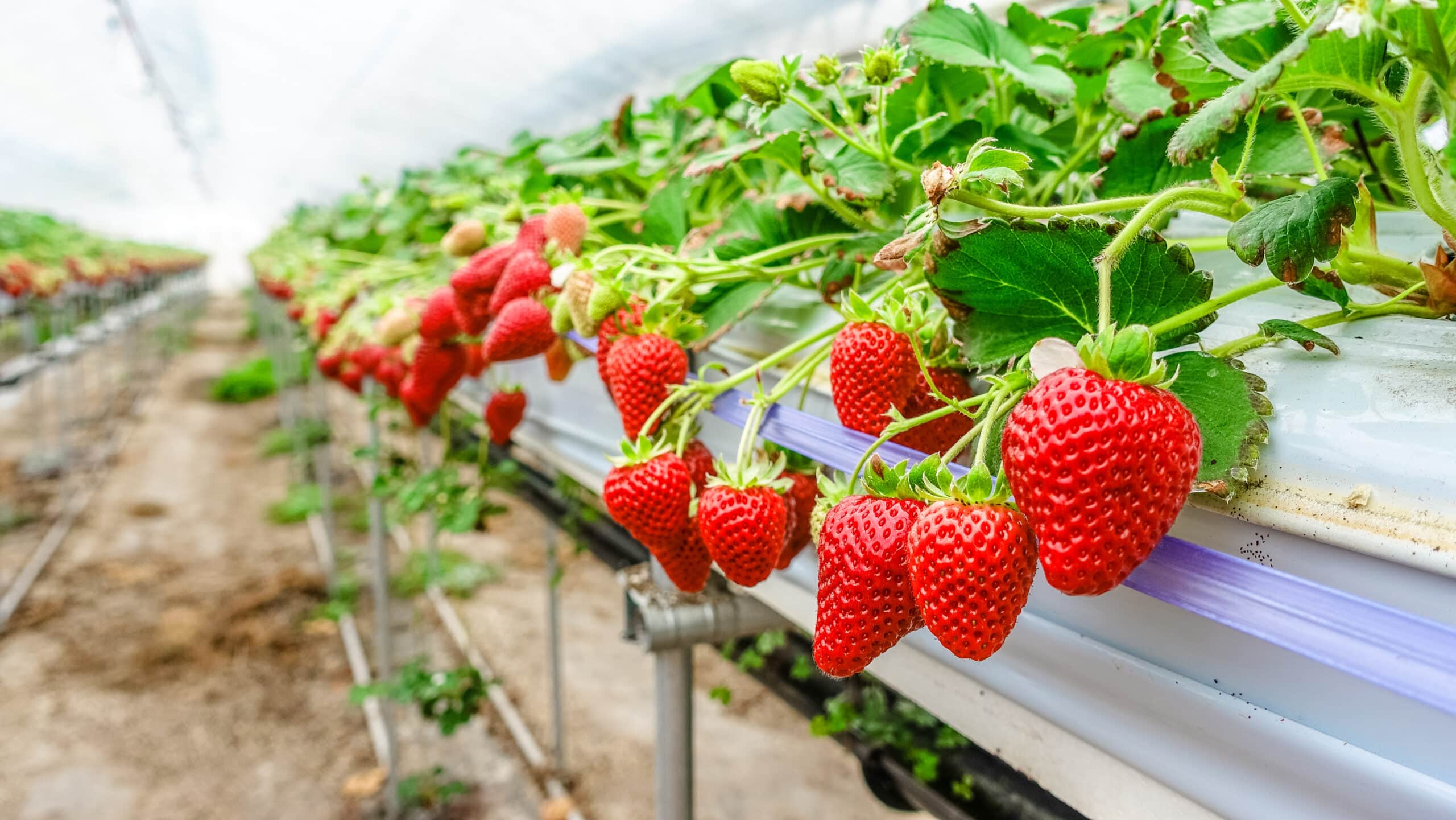
While not strictly an agricultural technology, the advancement in plant genetics and breeding, specifically for hydroponic environments, will be a key driver. Scientists are working to develop strawberry cultivars that are naturally more suited to soilless systems, possessing traits like improved disease resistance, enhanced nutrient uptake efficiency, and optimal growth characteristics under controlled lighting and environmental conditions. The synergy between advanced horticultural genetics and sophisticated cultivation technology will unlock new possibilities for flavor, yield, and resilience in hydroponic strawberries.
The evolution of hydroponic strawberry farming is a testament to the power of technology to transform traditional industries. From the precise control of nutrient solutions and environments to the burgeoning application of AI and robotics, these advancements are not just about growing strawberries differently; they represent a vision for a more efficient, sustainable, and predictable future of food production.
aViewFromTheCave is a participant in the Amazon Services LLC Associates Program, an affiliate advertising program designed to provide a means for sites to earn advertising fees by advertising and linking to Amazon.com. Amazon, the Amazon logo, AmazonSupply, and the AmazonSupply logo are trademarks of Amazon.com, Inc. or its affiliates. As an Amazon Associate we earn affiliate commissions from qualifying purchases.