
The question of “what are home mortgage interest rates right now?” is more than just a fleeting query; it’s a critical barometer for housing affordability, personal wealth management, and the broader economic landscape. For prospective homebuyers, current interest rates dictate the ultimate cost of their loan, significantly impacting their monthly payments and purchasing power. For existing homeowners, these rates can signal opportunities for refinancing, unlocking equity, or adjusting financial strategies. The dynamic nature of mortgage rates means that what was true yesterday may not hold today, making continuous monitoring essential for anyone navigating the property market. Understanding the present environment requires delving into the forces that shape these rates, the types of loans available, and the practical implications for both borrowers and the wider economy.
Understanding the Current Mortgage Rate Landscape
The current mortgage rate environment is a complex tapestry woven from a multitude of economic threads. Unlike a fixed price tag, mortgage rates are in constant flux, responding to both global and domestic financial signals. A comprehensive understanding begins with recognizing the primary drivers and then contextualizing the average rates available.
The Dynamics of Rate Fluctuations
Mortgage rates are not arbitrarily set; they are a direct reflection of broader economic conditions and investor sentiment. While the Federal Reserve does not directly set mortgage rates, its monetary policy decisions—particularly regarding the federal funds rate—have a profound ripple effect. When the Fed raises its benchmark rate to combat inflation, it makes borrowing more expensive across the board, pushing up the cost of mortgages. Conversely, a dovish stance from the Fed, perhaps to stimulate economic growth, can lead to lower rates.
Beyond central bank actions, the bond market plays a crucial role. Mortgage rates are closely tied to the yields on U.S. Treasury bonds, especially the 10-year Treasury note. When bond yields rise, mortgage rates typically follow suit, as lenders seek to maintain a competitive spread over these risk-free investments. Factors that influence bond yields include inflation expectations, investor demand for safe assets, and the supply of new government debt. Global economic stability, geopolitical events, and even domestic political developments can also introduce volatility, causing rates to shift in unexpected directions.
Key Factors Influencing Today’s Rates
Several primary factors are currently shaping mortgage interest rates:
- Inflation: Persistent inflation remains a dominant concern for central banks worldwide. Higher inflation erodes the purchasing power of money, leading lenders to demand higher interest rates to compensate for the diminished value of future repayments. The ongoing battle against inflation is a primary driver of the Federal Reserve’s current posture and, consequently, a key determinant of mortgage rates.
- Federal Reserve Policy: As mentioned, the Fed’s stance on monetary policy is critical. Its decisions on interest rate hikes, quantitative tightening (reducing its bond holdings), and forward guidance significantly influence market expectations and long-term interest rates. The market constantly scrutinizes Fed statements and meeting minutes for clues about future actions.
- Economic Growth and Employment Data: Strong economic growth and robust job numbers typically indicate a healthy economy, which can sometimes fuel inflation and prompt the Fed to maintain a tighter monetary policy. Conversely, signs of an economic slowdown or rising unemployment might lead to expectations of rate cuts, potentially driving mortgage rates down.
- Housing Market Activity: While less of a direct driver, the housing market itself can influence lender behavior. High demand for mortgages might lead some lenders to offer slightly more competitive rates to capture market share, while a slowdown could see rates stabilize or increase as lenders manage risk.
- Geopolitical Events: Unforeseen global events, such as international conflicts, energy crises, or major trade disputes, can inject uncertainty into financial markets. Investors often flock to safer assets like U.S. Treasury bonds during times of instability, which can temporarily push bond yields—and thus mortgage rates—down. However, prolonged crises can also disrupt supply chains and fuel inflation, leading to higher rates.
A Snapshot of Current Averages
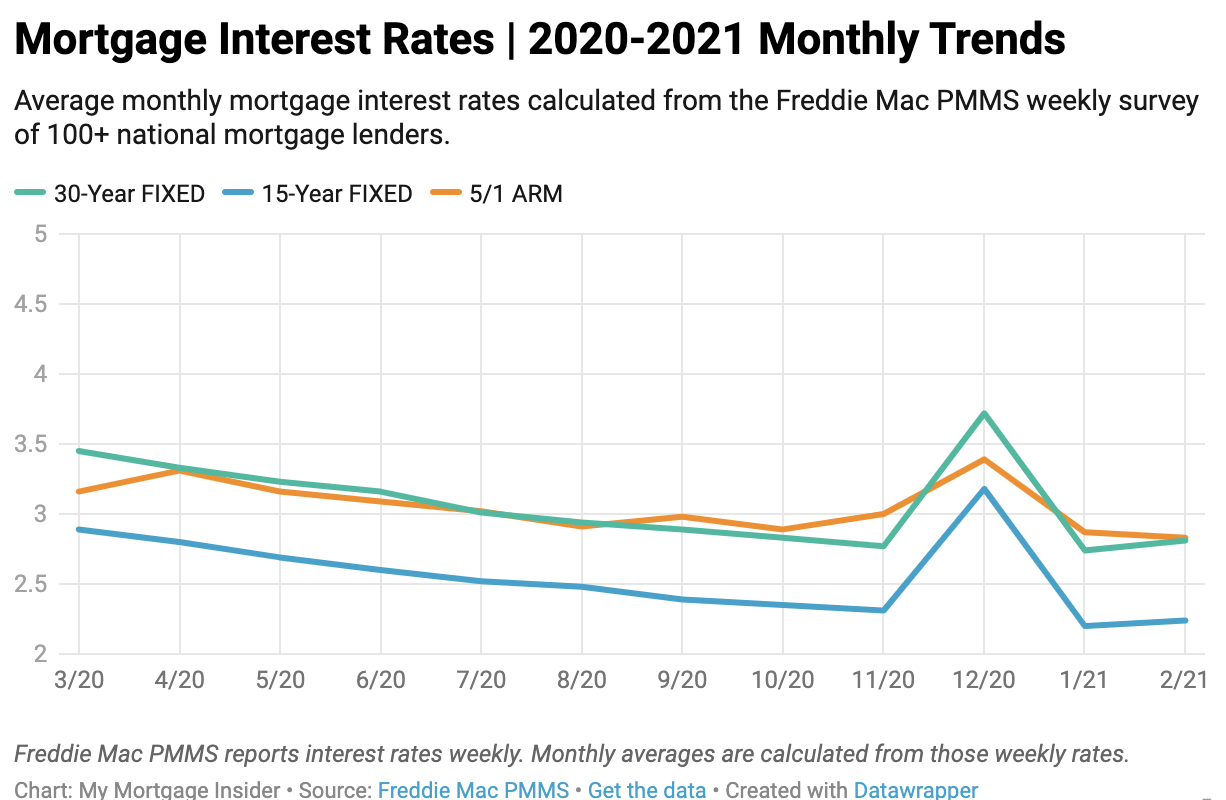
As of [current time/month, e.g., early 2024], average mortgage rates have exhibited [describe general trend: e.g., volatility, a slight upward/downward trend, stabilization] following a period of [e.g., significant hikes, unprecedented lows].
- 30-Year Fixed-Rate Mortgages (FRM): These remain the most popular choice due to their predictable monthly payments over a long term. Current averages typically hover around [specific range, e.g., 6.5% to 7.5%]. Borrowers with excellent credit may qualify for rates at the lower end of this spectrum, while those with lower scores might face higher rates. The stability offered by a 30-year FRM is particularly attractive in uncertain economic times, shielding homeowners from future rate hikes.
- 15-Year Fixed-Rate Mortgages (FRM): Offering a shorter repayment period, 15-year FRMs usually come with lower interest rates compared to their 30-year counterparts, typically ranging from [e.g., 5.8% to 6.8%]. While the monthly payments are significantly higher due to the compressed term, homeowners save a substantial amount on interest over the life of the loan and build equity much faster. This option is often favored by those with stable incomes and a desire to be debt-free sooner.
- Adjustable-Rate Mortgages (ARMs): ARMs offer an initial fixed interest rate for a period (e.g., 5, 7, or 10 years), after which the rate adjusts periodically based on a market index. The initial rates on ARMs are typically lower than comparable fixed-rate loans, often starting around [e.g., 5.5% to 6.5%] for a 5/1 ARM (5 years fixed, adjusts annually thereafter). While attractive for their lower introductory payments, ARMs carry the risk of future rate increases, which can significantly raise monthly payments. They are often considered by borrowers who plan to sell or refinance before the fixed period ends, or those who anticipate future income growth.
It is crucial to remember that these are averages. Actual rates offered to individual borrowers will vary based on credit score, loan-to-value (LTV) ratio, debt-to-income (DTI) ratio, loan type, and the specific lender.
Deeper Dive into Rate Types and Their Implications
Choosing the right mortgage product is as crucial as understanding the current rates. Each type carries distinct advantages and disadvantages, tailored to different financial situations and risk tolerances.
Fixed-Rate Mortgages: Stability in Volatility
Fixed-rate mortgages (FRMs) are the bedrock of the home loan market, offering predictable payments that remain constant for the entire life of the loan, typically 15 or 30 years. This predictability is their greatest strength, providing a powerful hedge against rising interest rates. In an environment where rates are volatile or expected to increase, a fixed-rate loan offers unparalleled peace of mind, allowing homeowners to budget with certainty. The primary implication is that while you might lock in a rate that is higher than an initial ARM offering, you are protected if market rates climb significantly. Conversely, if rates fall dramatically, you’d need to refinance to take advantage of the lower market, incurring new closing costs.
Adjustable-Rate Mortgages (ARMs): Weighing Risk and Reward
Adjustable-rate mortgages, or ARMs, begin with a fixed interest rate for a predetermined period (e.g., 5, 7, or 10 years), after which the rate adjusts periodically—typically once a year—based on an underlying market index plus a lender’s margin. The appeal of ARMs lies in their usually lower initial interest rates compared to fixed-rate options. This can translate into significantly lower monthly payments during the initial fixed period, making homeownership more accessible for some.
However, the “adjustable” nature introduces risk. If market rates rise after the fixed period, your monthly payments will increase. While most ARMs have caps on how much the rate can increase in a single adjustment period and over the life of the loan, these increases can still be substantial. ARMs are generally suitable for borrowers who:
- Plan to sell or refinance before the initial fixed period ends.
- Anticipate their income will increase significantly in the future.
- Are comfortable with interest rate risk and can absorb potential payment increases.
Government-Backed Loans: FHA, VA, USDA Considerations
Beyond conventional loans (which adhere to guidelines set by Fannie Mae and Freddie Mac), government-backed mortgages offer distinct advantages, particularly for specific borrower demographics or properties.
- FHA Loans: Insured by the Federal Housing Administration, FHA loans are designed to help borrowers with lower credit scores or smaller down payments (as low as 3.5%) qualify for a mortgage. While offering more flexible credit requirements, FHA loans require both upfront and annual mortgage insurance premiums, which add to the overall cost.
- VA Loans: Guaranteed by the Department of Veterans Affairs, VA loans are available to eligible active-duty service members, veterans, and surviving spouses. Their standout features include no down payment requirement, no private mortgage insurance (PMI), and competitive interest rates. This makes them one of the most powerful and cost-effective mortgage options available.
- USDA Loans: Backed by the U.S. Department of Agriculture, USDA loans are designed for low-to-moderate-income individuals purchasing homes in eligible rural areas. They also offer no down payment options for qualified borrowers and favorable interest rates, making homeownership attainable in less densely populated regions.
Each of these government-backed options can present a unique pathway to homeownership, often with more lenient qualification criteria than conventional loans, but they also come with specific eligibility requirements and nuances.
The Impact of Current Rates on Homebuyers and Homeowners
Current mortgage interest rates cast a long shadow over the housing market, directly influencing both the affordability for prospective buyers and the financial calculus for existing homeowners.
Affordability Challenges and Opportunities for Buyers
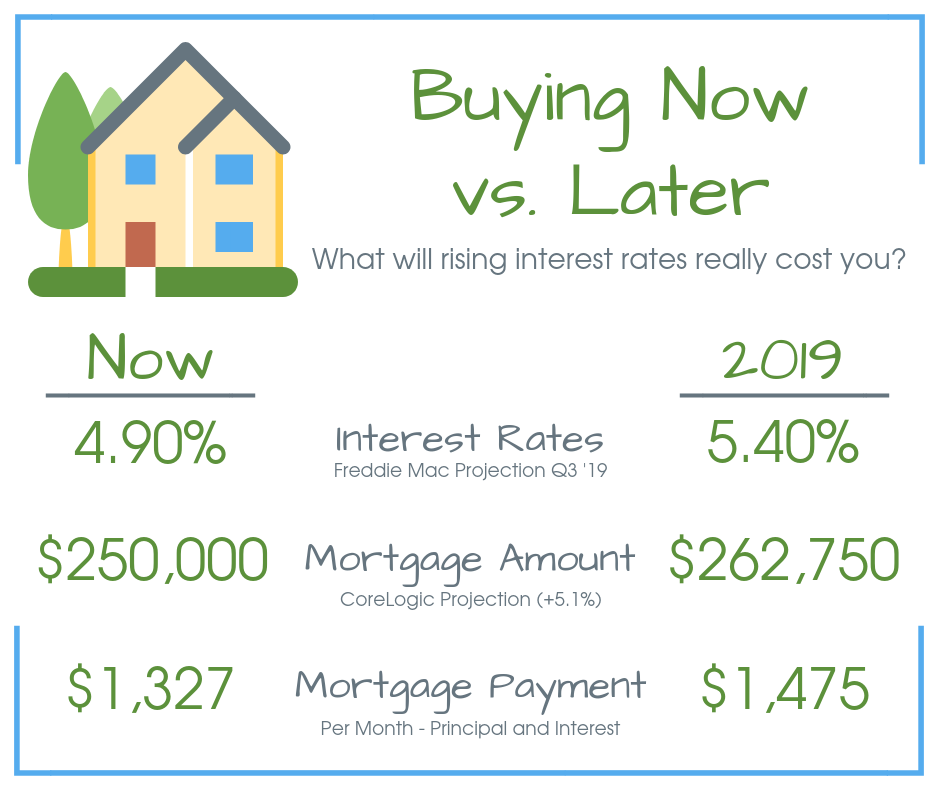
When mortgage rates rise, the cost of borrowing increases, leading to higher monthly mortgage payments for the same loan amount. This directly impacts affordability. A marginal increase in interest rates can significantly reduce a buyer’s purchasing power, forcing them to consider smaller homes, less desirable locations, or even delay their homeownership dreams. For first-time homebuyers, who often have tighter budgets, elevated rates can be particularly challenging, requiring larger down payments or a longer savings period.
However, higher rates can also create opportunities. They tend to cool down overheated housing markets by reducing buyer demand. This can lead to less competition, fewer bidding wars, and potentially more negotiating power for buyers, as homes may stay on the market longer. For those financially prepared and able to absorb the higher monthly costs, a less frenetic market can offer a calmer, more considered buying experience. Furthermore, if rates eventually fall, these buyers may have the option to refinance into a lower rate later.
Refinancing Decisions: Is Now the Right Time?
For existing homeowners, current interest rates are a crucial factor in refinancing decisions. The primary reasons to refinance include:
- Lowering Monthly Payments: If current rates are significantly lower than your existing mortgage rate, refinancing can reduce your monthly outlay, freeing up cash for other financial goals.
- Shortening Loan Term: Refinancing from a 30-year to a 15-year mortgage (even with a slightly higher payment) can save substantial interest over the life of the loan and accelerate equity build-up.
- Cashing Out Equity: A cash-out refinance allows homeowners to borrow against their home’s equity, converting it into cash for renovations, debt consolidation, or other large expenses.
- Switching from ARM to Fixed: For those with adjustable-rate mortgages, refinancing into a fixed-rate loan can eliminate interest rate risk, especially if the fixed period is ending or expected to end in a rising rate environment.
In a high-rate environment, the opportunity to lower monthly payments is diminished unless your existing rate is exceptionally high. However, a cash-out refinance might still be viable if you need funds and your home equity is substantial. Homeowners with ARMs nearing their adjustment period might consider refinancing to a fixed rate to lock in predictability, even if the new fixed rate is higher than their initial ARM rate. The decision to refinance involves weighing potential savings against closing costs, which typically range from 2% to 5% of the loan amount. A careful break-even analysis is essential.
Understanding Your Monthly Payment Components
A mortgage payment is more than just principal and interest. It typically includes four key components, often referred to as PITI:
- Principal: The portion of your payment that reduces the outstanding balance of your loan.
- Interest: The cost of borrowing money, calculated based on your interest rate and the remaining principal balance. This is the component most directly affected by current rates.
- Taxes: Property taxes, which are typically collected by the lender and held in an escrow account, then paid to the local government on your behalf.
- Insurance: This includes homeowner’s insurance (protecting against damage to your home) and, if applicable, private mortgage insurance (PMI) for conventional loans with less than 20% down, or mortgage insurance premiums (MIP) for FHA loans.
The interest rate directly dictates the ‘I’ in PITI, making it the most variable and impactful component that fluctuates with market conditions and lender offers.
Navigating the Mortgage Market: Strategies for Success
Whether buying a new home or refinancing an existing one, a strategic approach to the mortgage market can significantly improve your financial outcome.
Improving Your Credit Score
Your credit score is a primary determinant of the interest rate you’ll be offered. Lenders use it to assess your creditworthiness and the risk you pose. A higher credit score (generally 740+) signals a responsible borrower and often qualifies you for the lowest available rates. Strategies to improve your score include:
- Paying all bills on time, every time.
- Reducing outstanding debt, especially credit card balances.
- Avoiding opening new credit accounts just before applying for a mortgage.
- Checking your credit report for errors and disputing them.
Even a modest improvement in your credit score can translate into thousands of dollars saved over the life of a mortgage.
The Importance of a Down Payment
A larger down payment reduces the amount you need to borrow, which can lead to lower monthly payments and less interest paid over time. Furthermore, a substantial down payment (typically 20% or more for conventional loans) often helps you avoid private mortgage insurance (PMI), a costly added expense. Lenders also view borrowers with higher equity in their homes as less risky, potentially leading to more favorable interest rates. While not always feasible for every buyer, prioritizing a larger down payment can be a powerful financial move.
Shopping Around for Lenders
It’s a common mistake to accept the first mortgage offer you receive. Mortgage rates and fees can vary significantly between lenders. It’s crucial to shop around and compare loan offers from at least three to five different lenders, including traditional banks, credit unions, and online mortgage brokers. Obtain a Loan Estimate document from each, which provides a standardized breakdown of the interest rate, closing costs, and monthly payments. This allows for a direct, apples-to-apples comparison, ensuring you secure the most competitive terms available.
Locking In Your Rate
Once you’ve found a favorable interest rate, you’ll likely have the option to “lock in” that rate for a specific period (e.g., 30, 45, or 60 days). A rate lock guarantees that your interest rate won’t change between the time you apply and the time you close, protecting you from potential rate increases. However, be mindful of the lock period; if your closing is delayed beyond it, you might need to extend the lock (which can incur a fee) or risk the rate changing. In a volatile market, a rate lock can be a valuable tool for financial certainty.
Future Outlook: What to Expect in the Coming Months
Predicting the exact trajectory of mortgage rates is challenging, even for seasoned economists. However, by monitoring key indicators and expert consensus, borrowers can form a more informed perspective.
Expert Predictions and Economic Indicators
Most economic forecasts suggest that mortgage rates will likely remain sensitive to inflation data and Federal Reserve policy. If inflation continues its downward trend and approaches the Fed’s target, there could be room for interest rate cuts, potentially leading to a gradual decline in mortgage rates. Conversely, a resurgence in inflation or stronger-than-expected economic growth could prompt the Fed to maintain a restrictive stance for longer, keeping mortgage rates elevated.
Key indicators to watch include:
- Consumer Price Index (CPI): A measure of inflation.
- Jobs Reports: Especially non-farm payrolls and wage growth, indicating economic strength.
- Federal Open Market Committee (FOMC) Statements: Direct insights into the Fed’s thinking and future policy direction.
- 10-Year Treasury Yield: A strong bellwether for long-term mortgage rates.
How Geopolitical Events Can Sway Rates
Global events, from political instability in key regions to shifts in international trade agreements or energy prices, can inject uncertainty into financial markets. During times of heightened global risk, investors often seek the safety of U.S. Treasury bonds, which can drive down bond yields and, paradoxically, push mortgage rates lower in the short term. However, prolonged geopolitical disruptions can also exacerbate supply chain issues and contribute to inflationary pressures, which would likely lead to higher interest rates over the longer run. The interconnectedness of the global economy means that seemingly distant events can have very real impacts on local mortgage markets.

Preparing for Potential Shifts
Given the inherent unpredictability, flexibility and preparation are key.
- For Buyers: If you’re on the fence about buying, consider your personal financial readiness and long-term goals rather than trying to perfectly time the market. Factor potential rate fluctuations into your budget. If rates drop significantly after you buy, refinancing remains an option.
- For Homeowners: Regularly review your mortgage statement and compare your current rate to prevailing market rates. Understand the terms of your existing loan, especially if it’s an ARM. Having a strong financial position, including an emergency fund and good credit, will always put you in a better position to react to market changes, whether that means seizing a refinancing opportunity or weathering a period of higher rates.
In conclusion, understanding “what are home mortgage interest rates right now” is an ongoing process of monitoring economic indicators, interpreting central bank actions, and evaluating personal financial circumstances. While the market remains dynamic, an informed approach empowers individuals to make sound financial decisions regarding one of life’s most significant investments: their home.
aViewFromTheCave is a participant in the Amazon Services LLC Associates Program, an affiliate advertising program designed to provide a means for sites to earn advertising fees by advertising and linking to Amazon.com. Amazon, the Amazon logo, AmazonSupply, and the AmazonSupply logo are trademarks of Amazon.com, Inc. or its affiliates. As an Amazon Associate we earn affiliate commissions from qualifying purchases.