
Navigating the world of real estate finance can often feel like tracking a moving target. For potential homeowners and current investors alike, the question “what are home loan rates today?” is more than a simple inquiry—it is a critical data point that determines purchasing power, monthly cash flow, and long-term financial health. In the current economic climate, mortgage rates have moved away from the historic lows of the previous decade, settling into a new era of volatility and recalibration. Understanding why these rates move, how they are calculated for the individual, and what strategies can be employed to secure the best deal is essential for anyone looking to participate in today’s housing market.
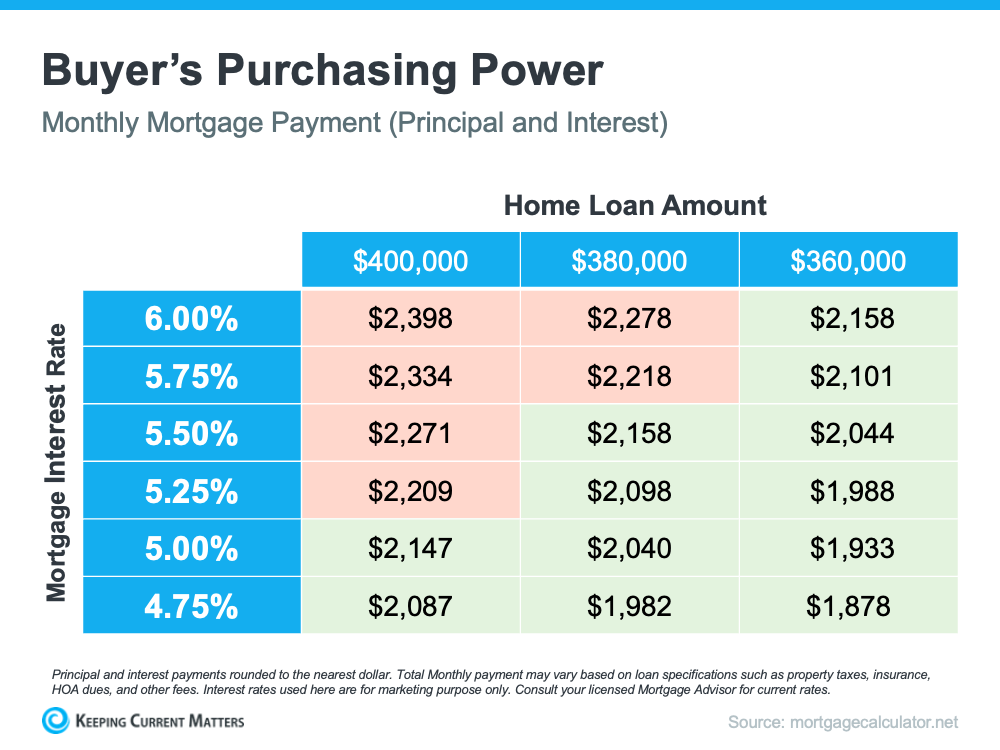
Understanding the Current Landscape of Mortgage Rates
To understand where home loan rates are today, one must first look at the macroeconomic forces that act as the tide for all financial ships. While many borrowers believe that the Federal Reserve sets mortgage rates directly, the reality is more nuanced. Mortgage rates are primarily influenced by the secondary market, specifically the yield on 10-year Treasury bonds and the demand for Mortgage-Backed Securities (MBS).
The Federal Reserve’s Influence and Monetary Policy
The Federal Reserve influences mortgage rates through its management of the federal funds rate. When the Fed raises interest rates to combat inflation, the cost of borrowing increases across the economy. Although the federal funds rate is an overnight lending rate between banks, it sets a floor for consumer interest rates. When the Fed signals a “hawkish” stance (maintaining higher rates to cool the economy), mortgage lenders typically price their loans higher to stay ahead of inflation and maintain profitability. Conversely, a “dovish” pivot usually leads to a decline in yields, offering relief to prospective homebuyers.
Inflation and Economic Indicators
Inflation is the greatest enemy of fixed-income investments like mortgages. If inflation is high, the purchasing power of the future interest payments a lender receives is eroded. To compensate for this risk, lenders demand higher interest rates. Today’s rates are a direct reflection of the market’s consensus on future inflation. When economic reports—such as the Consumer Price Index (CPI) or employment data—show a cooling economy, mortgage rates often dip in anticipation of a less aggressive central bank. Understanding this correlation allows savvy borrowers to time their applications around key economic announcements.
Comparing Different Mortgage Products
The “rate” quoted in headlines is usually an average for a 30-year fixed-rate mortgage, but the financial market offers a variety of products tailored to different financial goals. Depending on your investment horizon and risk tolerance, the “best” rate for you might not be the one featured on the evening news.
30-Year Fixed-Rate Mortgages: The Gold Standard
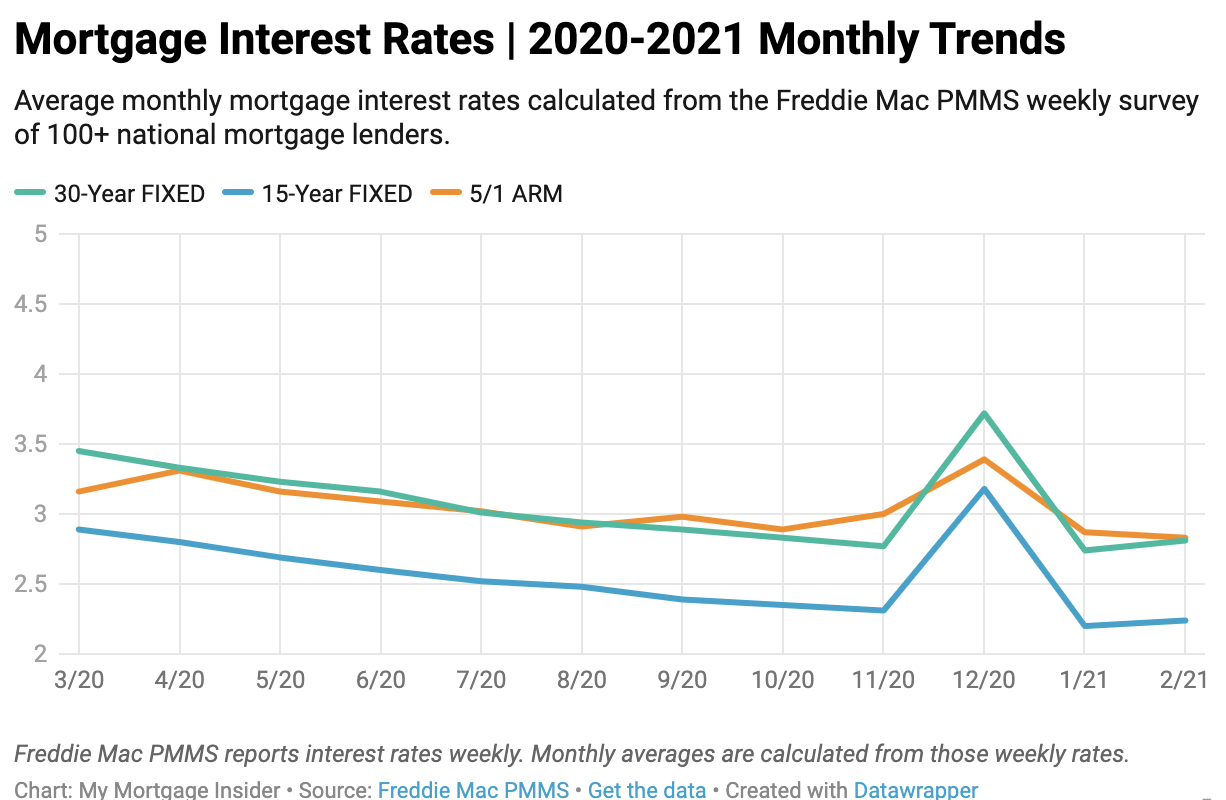
The 30-year fixed-rate mortgage remains the most popular choice for American homeowners. Its primary advantage is stability; your principal and interest payment remain the same for three decades, regardless of how high market rates may climb in the future. In today’s environment, the 30-year rate serves as the benchmark. While it typically carries a higher interest rate than shorter-term loans, the lower monthly payment provides the budgetary “breathing room” that many families require.
15-Year Fixed-Rate Mortgages: The Fast Track to Equity
For those with higher disposable income, the 15-year fixed-rate mortgage is a powerful wealth-building tool. Because the lender’s risk is compressed into a shorter timeframe, 15-year rates are significantly lower than their 30-year counterparts—often by 0.5% to 1.0%. The trade-off is a much higher monthly payment. However, the total interest paid over the life of the loan is drastically reduced, allowing the homeowner to own their asset outright in half the time and at a fraction of the cost.
Adjustable-Rate Mortgages (ARMs): Navigating Initial Savings
When fixed rates are high, Adjustable-Rate Mortgages (ARMs) often see a surge in popularity. An ARM typically offers a lower “teaser” rate for an initial period (such as 5, 7, or 10 years). After this period, the rate adjusts annually based on market indices. In a high-rate environment, an ARM can be a strategic move if the borrower intends to sell the home or refinance before the adjustment period begins. However, it carries the inherent risk of payments increasing significantly if market rates are higher five or ten years down the road.
Factors That Determine Your Personal Interest Rate
It is a common frustration for borrowers to see a low rate advertised online, only to receive a higher quote from a lender. This discrepancy exists because “today’s rate” is a baseline that is adjusted based on an individual’s financial profile, a process known as risk-based pricing.
Credit Score and Its Direct Impact
Your FICO score is the single most influential factor in the rate you are offered. Lenders categorize borrowers into tiers; those with “Excellent” credit (760+) receive the lowest possible rates, while those in lower tiers may see “Loan Level Price Adjustments” (LLPAs). These are essentially surcharges added to the interest rate to compensate the lender for the higher risk of default. Even a 20-point difference in a credit score can result in a 0.25% difference in your interest rate, which translates to tens of thousands of dollars over the life of a loan.
Debt-to-Income (DTI) Ratio
Lenders look at your Debt-to-Income (DTI) ratio to ensure you aren’t overleveraged. This ratio compares your total monthly debt obligations (including the proposed mortgage) against your gross monthly income. While a high DTI might not always prevent you from getting a loan, it can influence the terms. A “clean” financial profile with a DTI below 36% signals to the lender that you are a low-risk borrower, making them more likely to offer competitive pricing.
Loan-to-Value (LTV) and Down Payments
The amount of “skin in the game” you have also dictates your rate. The Loan-to-Value (LTV) ratio is the percentage of the home’s value that you are borrowing. A borrower putting down 20% (80% LTV) is viewed as more stable than one putting down 3.5%. If you have an LTV higher than 80%, you will likely be required to pay Private Mortgage Insurance (PMI), and your base interest rate may be higher to account for the increased risk to the lender should the property value decline.
Strategies to Secure the Lowest Possible Rate
In a market where rates can shift multiple times in a single day, being passive can be expensive. To secure the most favorable terms, borrowers must be proactive and treat the mortgage process as a high-stakes negotiation.
Rate Locks and When to Use Them
Once you find a rate that fits your budget, you have the option to “lock” it. A rate lock guarantees that your interest rate won’t change between the time of your application and your closing, provided you close within a specific window (usually 30 to 60 days). In a volatile market where rates are trending upward, locking early can save a deal. Conversely, some lenders offer a “float-down” provision, which allows you to lock a rate but drop to a lower one if market conditions improve before you close.
Mortgage Points: Buying Down the Rate
Borrowers often have the option to pay “discount points” at closing to lower their interest rate. One point typically costs 1% of the total loan amount and reduces the interest rate by approximately 0.25%. This is essentially “prepaying” interest. To determine if this is a wise move, you must calculate the break-even point: how many months of lower payments will it take to recoup the upfront cost of the points? If you plan to stay in the home for a decade or more, buying down the rate is often a savvy financial move.
Comparison Shopping and Lender Competition
The mortgage industry is incredibly competitive. Rates can vary significantly between big banks, credit unions, and independent mortgage brokers. Obtaining at least three “Loan Estimates” allows you to compare not just the interest rate, but the closing costs and origination fees. You can often use a quote from one lender as leverage to get another lender to match the rate or waive certain fees.
The Broader Impact on Personal Wealth and the Housing Market
Home loan rates do not exist in a vacuum; they are the primary driver of housing affordability and, by extension, the health of the broader economy. When rates are high, the “lock-in effect” occurs, where current homeowners with low rates are reluctant to sell, leading to a shortage of inventory.
Refinancing Opportunities
For those who buy when rates are high, the hope is for a future “refinance boom.” If rates drop by 1% or more in the future, homeowners can replace their high-interest loan with a new one at a lower rate. This strategy—often summarized by the phrase “marry the house, date the rate”—allows buyers to enter the market now and optimize their financing later. However, this requires a disciplined approach to maintaining credit and home equity to ensure eligibility for a future refinance.
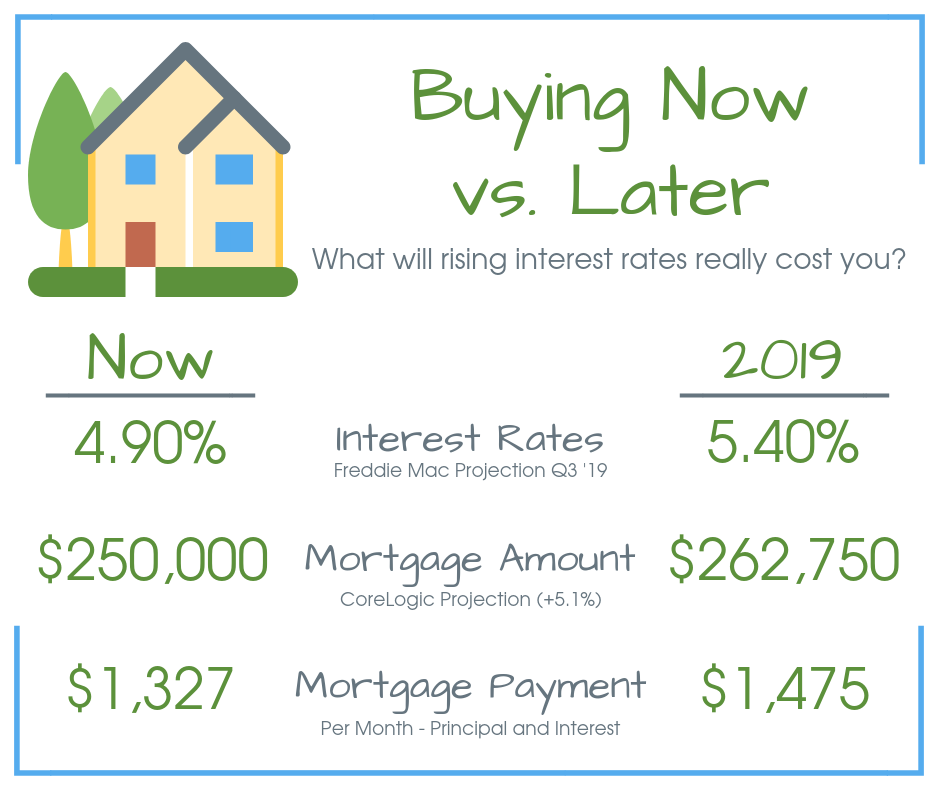
Long-term Financial Planning in a High-Rate Environment
Ultimately, current home loan rates should be viewed through the lens of your total financial picture. Even at 6% or 7%, mortgage debt is often “cheaper” than credit card debt or personal loans, and the interest may be tax-deductible for those who itemize. Furthermore, real estate has historically acted as a hedge against inflation. While a higher rate today might feel restrictive, the appreciation of the underlying asset over time, combined with the ability to eventually refinance, often makes homeownership a net positive for long-term wealth accumulation.
In conclusion, knowing “what home loan rates are today” is just the starting point. By understanding the economic drivers, choosing the right product, optimizing your personal financial profile, and employing savvy negotiation tactics, you can secure a mortgage that serves as a foundation for your financial future rather than a burden.
aViewFromTheCave is a participant in the Amazon Services LLC Associates Program, an affiliate advertising program designed to provide a means for sites to earn advertising fees by advertising and linking to Amazon.com. Amazon, the Amazon logo, AmazonSupply, and the AmazonSupply logo are trademarks of Amazon.com, Inc. or its affiliates. As an Amazon Associate we earn affiliate commissions from qualifying purchases.