
In the realm of personal finance, few figures carry as much weight as the home interest rate. For the average individual, a home is the most significant investment they will ever make, and the interest rate attached to that purchase determines the ultimate cost of ownership. Whether you are a first-time homebuyer, a seasoned real estate investor, or someone looking to refinance, understanding the mechanics of home interest rates is essential for maintaining long-term financial health.
At its core, a home interest rate—often referred to as a mortgage rate—is the cost you pay a lender to borrow money to purchase property. It is expressed as a percentage of the total loan amount. However, while the definition is simple, the forces that drive these rates and the impact they have on your monthly budget are remarkably complex.
The Mechanics of Home Interest Rates: How They Function
To understand home interest rates, one must first distinguish between the nominal interest rate and the Annual Percentage Rate (APR). While the interest rate refers strictly to the cost of borrowing the principal, the APR provides a more holistic view of the loan’s cost, including origination fees, points, and other closing costs. In the world of money management, focusing on the APR allows for a more “apples-to-apples” comparison between different lenders.
Fixed-Rate vs. Adjustable-Rate Mortgages
The structure of your interest rate determines your financial stability over the life of the loan. Fixed-rate mortgages are the gold standard for many because the interest rate remains constant throughout the entire term, typically 15 or 30 years. This offers predictability in budgeting, as the principal and interest portion of the payment never changes.
Conversely, Adjustable-Rate Mortgages (ARMs) offer a lower initial rate for a set period—usually three, five, or seven years—after which the rate fluctuates based on market indices. While ARMs can be beneficial for those planning to sell or refinance before the adjustment period, they introduce a level of risk that can lead to “payment shock” if market rates rise significantly.
How the Federal Reserve Influences Rates
A common misconception is that the Federal Reserve sets mortgage rates directly. In reality, the Fed sets the “federal funds rate,” which is the interest rate banks charge each other for overnight loans. However, mortgage rates are more closely tied to the yield on the 10-year Treasury note. When the Fed raises rates to combat inflation, the cost of borrowing increases across the board, leading to higher mortgage rates. Conversely, in a sluggish economy, the Fed may lower rates to encourage spending and investment, which often trickles down to lower home interest rates.
The Role of the Secondary Mortgage Market
Most local banks do not keep your mortgage on their books for 30 years. Instead, they sell these loans on the secondary market to investors or government-sponsored entities like Fannie Mae and Freddie Mac. These loans are bundled into Mortgage-Backed Securities (MBS). The demand for these securities among global investors plays a massive role in determining daily rate fluctuations. When investors seek safety, they flock to bonds and MBS, driving prices up and interest rates down.
Factors That Determine Your Individual Rate
While macroeconomics sets the baseline for interest rates, your personal financial profile determines the specific rate a lender offers you. In the eyes of a financial institution, an interest rate is a reflection of risk: the more likely you are to default, the higher the rate you will pay.
Credit Score and Financial Profile
Your credit score is arguably the most influential factor in the rate-setting process. Lenders typically use the FICO scoring model to assess your creditworthiness. A score of 760 or higher generally qualifies a borrower for the “prime” rate—the lowest available rate in the market. As the score drops, the interest rate increases in tiers. Over the life of a 30-year loan, a difference of just 1% in the interest rate can cost a homeowner tens of thousands of dollars in additional interest.
Loan-to-Value (LTV) Ratio and Down Payments
The amount of “skin in the game” you have also dictates your rate. The Loan-to-Value (LTV) ratio compares the amount of the loan to the appraised value of the property. A traditional 20% down payment results in an 80% LTV, which is viewed as low risk. Borrowers with lower down payments may face higher interest rates or be required to pay Private Mortgage Insurance (PMI), which increases the effective cost of the loan even if the interest rate itself appears competitive.

Loan Term and Type
The duration of the loan significantly impacts the interest rate. Generally, 15-year mortgages carry lower interest rates than 30-year mortgages because the lender is exposed to interest rate risk for a shorter period. Additionally, the type of loan—whether it is a Conventional, FHA, VA, or Jumbo loan—will come with different rate structures based on government backing and loan limits.
The Economic Impact of Fluctuating Rates
Home interest rates do not exist in a vacuum; they are a primary lever in the broader economy. For the individual investor or homeowner, these fluctuations can radically alter purchasing power and net worth.
Purchasing Power and Monthly Payments
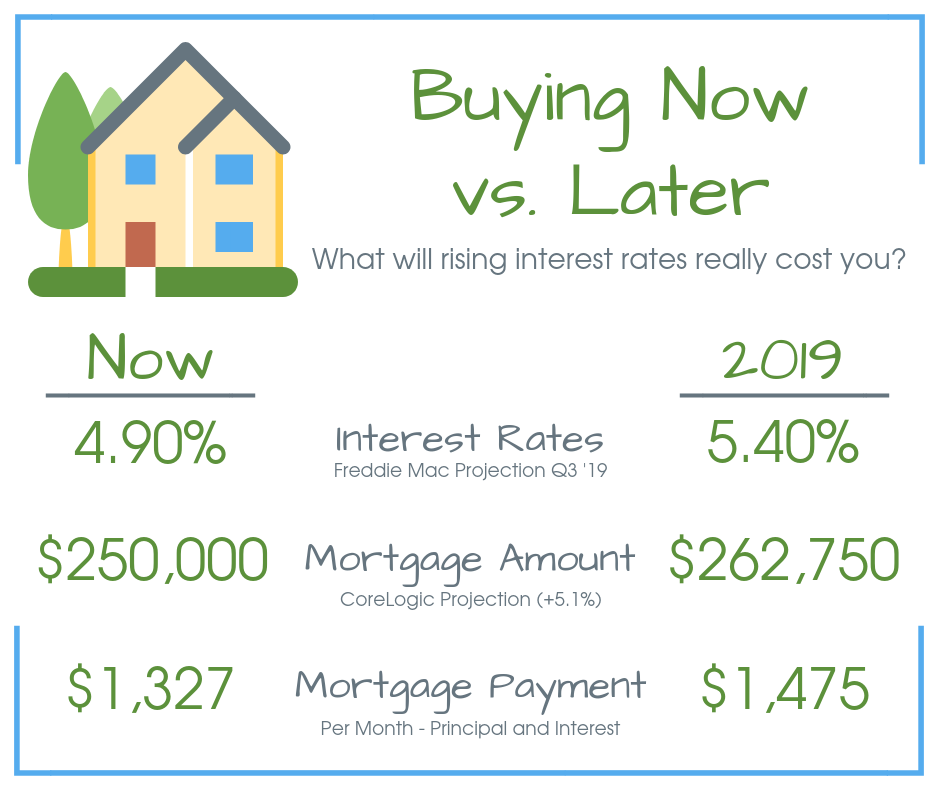
As interest rates rise, the “purchasing power” of a buyer diminishes. For every 1% increase in mortgage rates, a buyer’s purchasing power decreases by approximately 10%. This means that if you could afford a $500,000 home at a 4% interest rate, you might only be able to afford a $450,000 home at a 5% rate to keep the same monthly payment. For many families, this can mean the difference between buying a home in a preferred school district or being priced out of the market entirely.
Refinancing Opportunities
When interest rates drop significantly below a homeowner’s current rate, “refinancing” becomes a powerful financial tool. By replacing an old high-interest loan with a new lower-interest one, homeowners can reduce their monthly obligations or shorten the term of their loan. “Cash-out” refinances also allow homeowners to tap into their home equity for home improvements, debt consolidation, or other investments, though this must be managed carefully to avoid over-leveraging.
Impact on the Broader Real Estate Market
Interest rates also dictate market inventory. In a high-rate environment, many homeowners who locked in low rates during previous years become “locked-in” to their current homes, hesitant to sell and take on a new mortgage at a much higher rate. This reduces the supply of available homes, which can paradoxically keep home prices high even when demand cools due to higher borrowing costs.
Strategies for Securing the Best Possible Rate
Navigating the mortgage market requires a proactive approach to personal finance. You should not simply accept the first rate offered by your primary bank; instead, you should view mortgage shopping as a critical financial negotiation.
Timing the Market vs. Personal Readiness
Many prospective buyers try to “time” the market, waiting for rates to bottom out. However, interest rates are notoriously difficult to predict. A better strategy is to focus on personal financial readiness. Ensuring your debt-to-income (DTI) ratio is low and your savings are robust will often yield better results than trying to catch a minor dip in the market. As the saying goes in real estate: “Marry the house, date the rate”—meaning you can always refinance later if rates drop, but you cannot change the purchase price of the home.
Shopping Around and Comparing Lenders
Studies have shown that borrowers who get at least three quotes can save thousands of dollars over the life of their loan. Different institutions—credit unions, national banks, and online mortgage brokers—have different overhead costs and risk appetites. A mortgage broker, in particular, can be a valuable ally in the money-management process, as they have access to a wide network of lenders and can find niche products that fit unique financial situations.
Paying Points to Lower Interest
If you plan to stay in your home for a long time, you might consider “buying down” the interest rate using discount points. One point typically costs 1% of the total loan amount and reduces the interest rate by a predetermined increment (usually 0.25%). This is an upfront cost that pays off over time. Calculating the “break-even point”—the moment when the monthly savings surpass the initial cost of the points—is a vital exercise in financial planning.

Conclusion: The Long-Term Financial Perspective
Home interest rates are more than just a percentage on a piece of paper; they are the pulse of your financial journey toward homeownership. By understanding the macro-economic forces at play and optimizing your personal financial profile, you can navigate the complexities of the mortgage market with confidence.
In the world of personal finance, knowledge is the most effective hedge against market volatility. Whether rates are at historic lows or climbing toward new peaks, the fundamental principles remains the same: maintain excellent credit, save diligently for a down payment, and always look at the total cost of borrowing. By mastering the nuances of home interest rates, you secure not just a house, but a foundation for long-term wealth and financial stability.
aViewFromTheCave is a participant in the Amazon Services LLC Associates Program, an affiliate advertising program designed to provide a means for sites to earn advertising fees by advertising and linking to Amazon.com. Amazon, the Amazon logo, AmazonSupply, and the AmazonSupply logo are trademarks of Amazon.com, Inc. or its affiliates. As an Amazon Associate we earn affiliate commissions from qualifying purchases.