
Healthcare informatics represents the convergence of information science, computer science, and healthcare. At its core, it is the practice of information processing and the engineering of information systems to improve clinical care, public health, and research. As digital transformation sweeps through the medical industry, understanding healthcare informatics has become essential for anyone operating within the modern technology landscape.
The Architecture of Healthcare Informatics
Healthcare informatics is not merely about digitizing paper records; it is about creating a cohesive ecosystem where data flows seamlessly to support decision-making. The field is built upon several foundational pillars that ensure medical information is accurate, accessible, and secure.
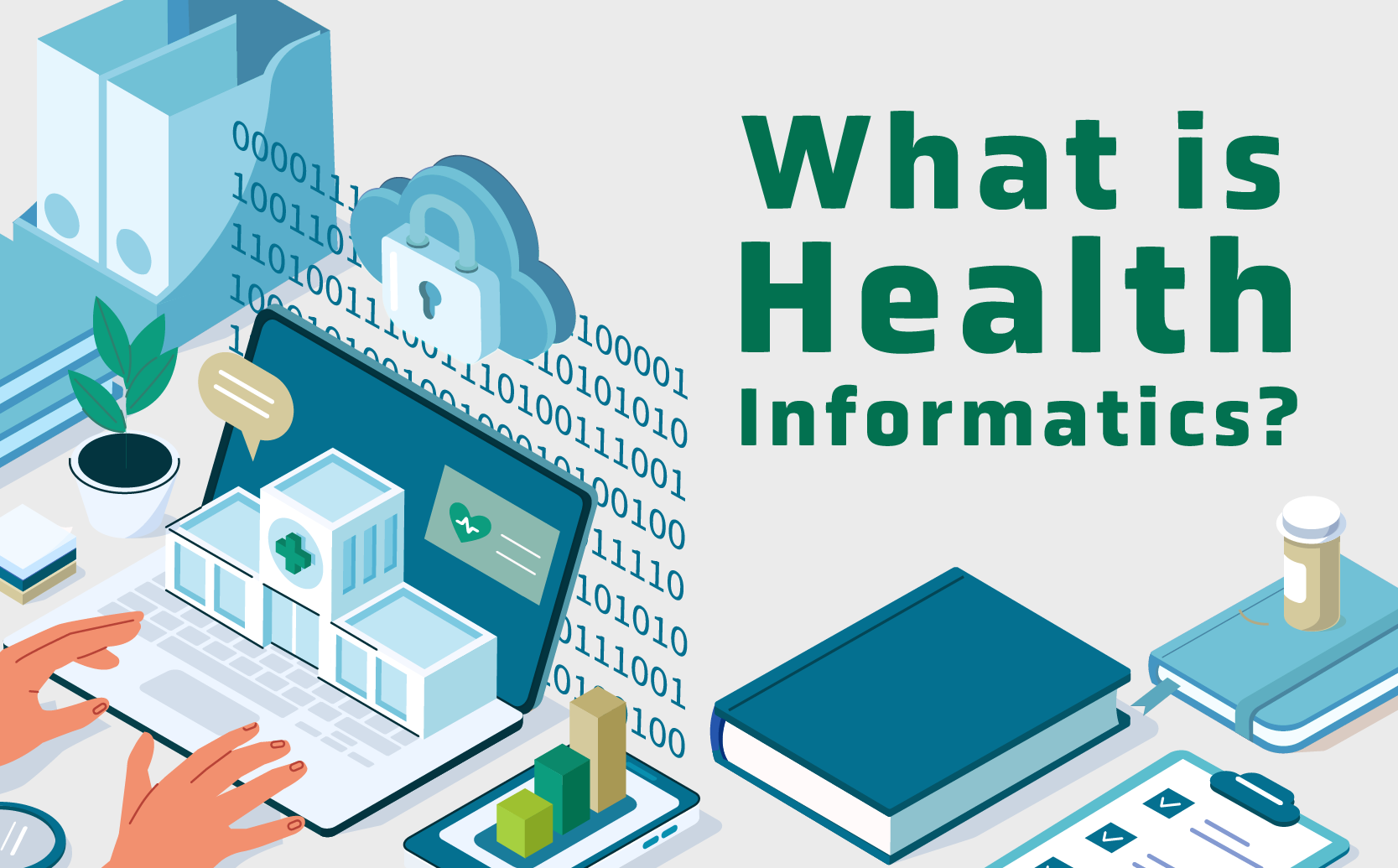
Data Interoperability and Standardization
The greatest challenge in healthcare technology is the “silo” effect. Patient data often lives in disparate systems—laboratory results in one, pharmacy records in another, and imaging files in a third. Informatics professionals develop standardized frameworks, such as HL7 (Health Level Seven) and FHIR (Fast Healthcare Interoperability Resources), to ensure that these systems can “talk” to one another. By enforcing common data protocols, informatics allows for a unified longitudinal patient record, which is the holy grail of efficient clinical workflows.
Electronic Health Records (EHR) Systems
EHRs are the primary manifestation of healthcare informatics in practice. These systems have evolved from simple digital filing cabinets into complex engines of clinical intelligence. Modern EHRs integrate decision support tools that flag potential drug interactions, prompt physicians to order preventative screenings, and automate billing workflows. The informatics side of EHRs focuses on optimizing user experience (UX) to reduce “click fatigue” while maximizing the depth of data captured during patient encounters.
Clinical Decision Support Systems (CDSS)
CDSS represents the algorithmic heart of informatics. By leveraging vast clinical databases, these tools provide healthcare providers with real-time, evidence-based recommendations. For example, if a patient presents with specific symptoms, a CDSS can analyze current medical literature and the patient’s historical data to suggest a diagnosis or treatment path. This bridges the gap between massive amounts of research and the limited time a clinician has during a patient visit.
The Role of Data Science and AI in Clinical Outcomes
In the era of Big Data, healthcare informatics has pivoted toward predictive analytics and machine learning. We are moving from a reactive model of medicine—where we treat patients only after they become ill—to a proactive model defined by predictive modeling.
Predictive Analytics for Population Health
Healthcare informatics allows organizations to aggregate data across thousands of patients to identify trends before they become public health crises. For instance, by analyzing demographic data, environmental factors, and historical health records, informatics tools can identify geographic pockets that are at high risk for chronic conditions like diabetes or hypertension. This enables healthcare organizations to allocate resources more effectively, providing preventative care where it is most needed.
The Integration of Artificial Intelligence (AI)
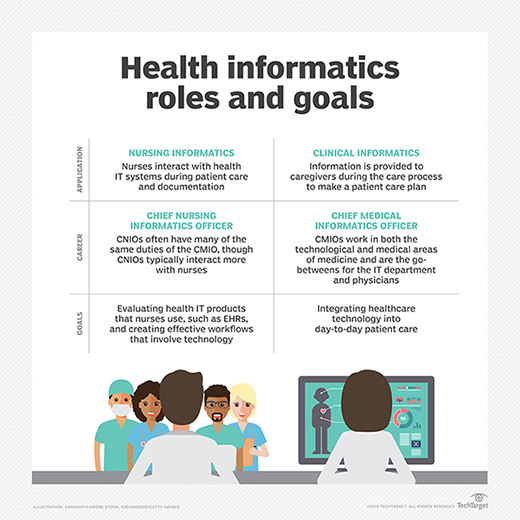
AI is the force multiplier of current informatics. In diagnostic radiology, machine learning algorithms are now trained to identify anomalies in X-rays and MRIs with speed and precision that can exceed human performance. Informatics ensures these AI tools are integrated smoothly into the workflow of radiologists, rather than existing as external, disconnected software. The goal is “Augmented Intelligence”—where AI handles the heavy lifting of pattern recognition, allowing physicians to focus on patient-centered care and complex clinical judgment.
Natural Language Processing (NLP)
A significant portion of medical data exists in “unstructured” form—physician notes, narrative reports, and transcribed conversations. Informatics employs NLP to convert this unstructured data into structured, actionable insights. By extracting clinical concepts from years of doctor’s notes, informatics professionals can create a clearer, more holistic picture of a patient’s health journey, filling in the gaps that structured data points often miss.
Ensuring Digital Security and Privacy
As healthcare systems become more connected, the attack surface for cyber threats increases exponentially. Healthcare informatics includes a robust focus on cybersecurity, balancing the need for data transparency with the mandate for patient privacy.
Compliance and Regulatory Frameworks
Informatics professionals must navigate a complex web of regulations, such as HIPAA in the United States or GDPR in Europe. These frameworks dictate how data is stored, transmitted, and accessed. Informatics systems are architected with “security by design,” ensuring that audit trails, encryption, and multi-factor authentication are baked into the clinical software itself.
Managing Cybersecurity Threats
Hospitals have become prime targets for ransomware attacks due to the high value of patient data and the critical need for constant system availability. Healthcare informatics specialists work on disaster recovery plans, redundancy protocols, and intrusion detection systems. Protecting the integrity of medical data is not just an IT concern—it is a critical patient safety issue. If a system goes down or data is corrupted, lives are quite literally at risk. This makes cybersecurity a non-negotiable subset of the informatics discipline.
The Future of Connected Health and Telemedicine
The boundaries of the hospital are expanding, and healthcare informatics is the bridge enabling this transition. As wearables, mobile health (mHealth) applications, and remote monitoring devices become standard, the volume of data generated by patients outside of clinical settings is skyrocketing.
Remote Patient Monitoring (RPM)
RPM tools allow clinicians to track a patient’s vitals—such as heart rate, blood oxygen, or glucose levels—in real-time from the patient’s home. Informatics systems collect this stream of data, filter out the “noise,” and alert providers only when a significant clinical deviation occurs. This shift is crucial for managing elderly populations and patients with chronic diseases, keeping them out of hospitals while maintaining high-quality monitoring.
Telemedicine Infrastructure
Telemedicine requires more than just a video call; it requires a deep integration of scheduling, electronic documentation, and secure video streaming. Informatics teams manage the infrastructure that makes virtual care as robust as in-person care. This involves ensuring that the data generated during a telehealth visit is captured in the patient’s permanent record and that billing codes are automatically generated based on the consultation, reducing administrative burden.
The Patient-Centered Digital Front Door
We are witnessing the rise of the “digital front door”—a suite of informatics-driven tools that allow patients to book appointments, access lab results, and communicate with providers through unified mobile apps. This level of patient engagement is a cornerstone of modern informatics. By empowering patients to access and understand their own data, informatics is fostering a more collaborative relationship between provider and patient.
Healthcare informatics is fundamentally about leveraging technology to make healthcare more efficient, safer, and more effective. It is the invisible scaffolding that supports the modern medical establishment. As we continue to integrate artificial intelligence, cloud computing, and advanced analytics, the role of informatics will only grow in importance. For technology leaders and healthcare stakeholders, mastering this field is the key to delivering the next generation of medical excellence. Whether it is through optimizing clinical workflows, securing patient data, or building the infrastructure for the next wave of wearable health monitors, informatics remains the primary engine of innovation in the global healthcare industry.
aViewFromTheCave is a participant in the Amazon Services LLC Associates Program, an affiliate advertising program designed to provide a means for sites to earn advertising fees by advertising and linking to Amazon.com. Amazon, the Amazon logo, AmazonSupply, and the AmazonSupply logo are trademarks of Amazon.com, Inc. or its affiliates. As an Amazon Associate we earn affiliate commissions from qualifying purchases.