
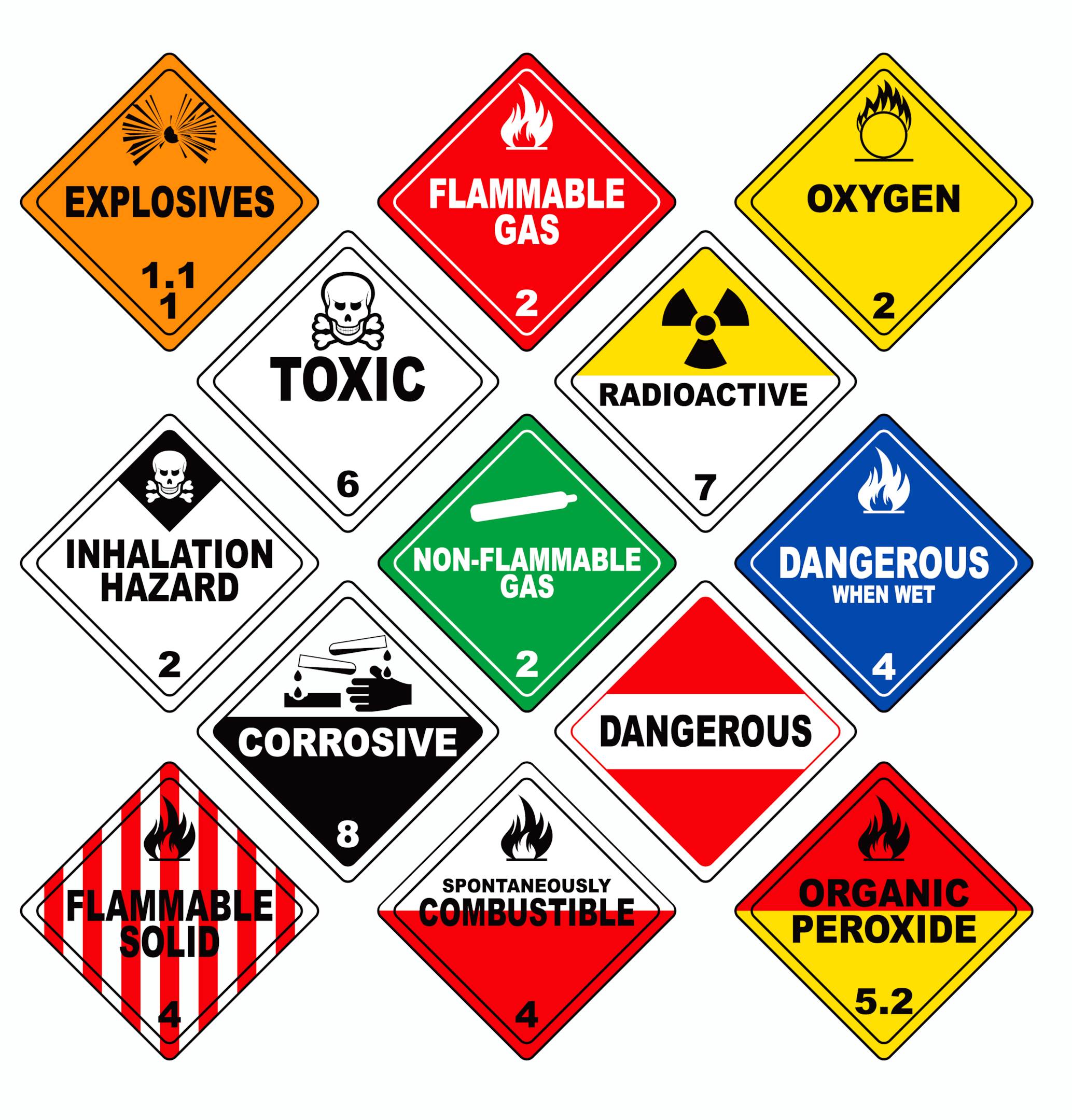
In the traditional sense, “hazmat materials” refers to physical substances—chemicals, radioactive isotopes, or biological agents—that pose a risk to health, property, or the environment. However, as our society undergoes a total digital transformation, the definition of hazardous materials has expanded into the realm of technology. In the tech industry, “Digital Hazmat” refers to toxic data, legacy code, compromised software, and volatile hardware components that can lead to catastrophic system failures, massive security breaches, or environmental degradation.
Just as a chemical spill requires a specialized hazmat team for containment, digital hazards require sophisticated cybersecurity protocols, rigorous software engineering, and sustainable hardware management. Understanding what constitutes “hazmat” in the tech niche is essential for developers, IT professionals, and business leaders who must safeguard their digital ecosystems against the silent threats lurking within their own infrastructure.
The Anatomy of Digital Hazmat: From Technical Debt to Toxic Data
In the world of software development and data management, not all assets are beneficial. Some are inherently dangerous. When we look at “hazmat materials” through a technological lens, we first encounter the structural hazards found in the very foundation of our digital products.
Technical Debt as a Structural Hazard
Technical debt is often viewed as a financial metaphor, but in terms of system stability, it functions more like structural hazmat. It refers to the implied cost of additional rework caused by choosing an easy, suboptimal solution now instead of using a better approach that would take longer. When technical debt is allowed to accumulate, it becomes “hazardous.”
Old, unpatched codebases (Legacy Code) are the digital equivalent of decaying containers in a warehouse. They are prone to leaks—vulnerabilities that hackers can exploit. As software evolves, these old segments become increasingly unstable, making it impossible to implement modern security features. If a core system is built on “hazardous” legacy code, a single update can trigger a chain reaction of failures, leading to massive downtime and data loss.
Toxic Data Silos and Privacy Risks
Information is often called the “new oil,” but like oil, it is highly flammable and environmentally damaging if spilled. Toxic data refers to any information that a company collects or stores that serves no business purpose but carries high risk if exposed. This includes outdated customer PII (Personally Identifiable Information), sensitive biometric data, or unencrypted credentials.
The “hazmat” nature of this data becomes apparent during a breach. Under regulations like GDPR or CCPA, holding onto toxic data is a liability. If a company stores “hazardous” data materials that they no longer need, they are effectively sitting on a digital bomb. Modern data hygiene involves the identification and “safe disposal” of this information to ensure that the digital environment remains clean and secure.
Cyber Hazards: Software Vulnerabilities and Malicious Payloads
When we discuss hazmat in a technological context, we must address the “active agents” that threaten digital safety. These are the viruses, exploits, and malware that function much like biological pathogens or corrosive chemicals in a physical environment.
Zero-Day Exploits: The Radioactive Material of the Web
In the world of digital security, a Zero-Day exploit is perhaps the most dangerous “material” a technician can encounter. These are vulnerabilities in software or hardware that are unknown to the party responsible for patching or fixing them. Because there is no “antidote” (patch) available, these vulnerabilities are highly volatile.
In the wrong hands, a Zero-Day is a weaponized hazmat material. It can be sold on the dark web for millions of dollars, used for state-sponsored espionage, or deployed to shut down critical infrastructure. Managing this hazard requires a proactive “containment” strategy, involving bug bounty programs and AI-driven threat modeling to identify these invisible cracks before they can be exploited by malicious actors.
Ransomware and Digital Contamination
Ransomware is a unique form of digital hazmat because it acts as a contaminant that spreads through a network, “locking” or “poisoning” every file it touches. Once a single device is infected, the payload attempts to move laterally, encrypting servers, backups, and workstations.
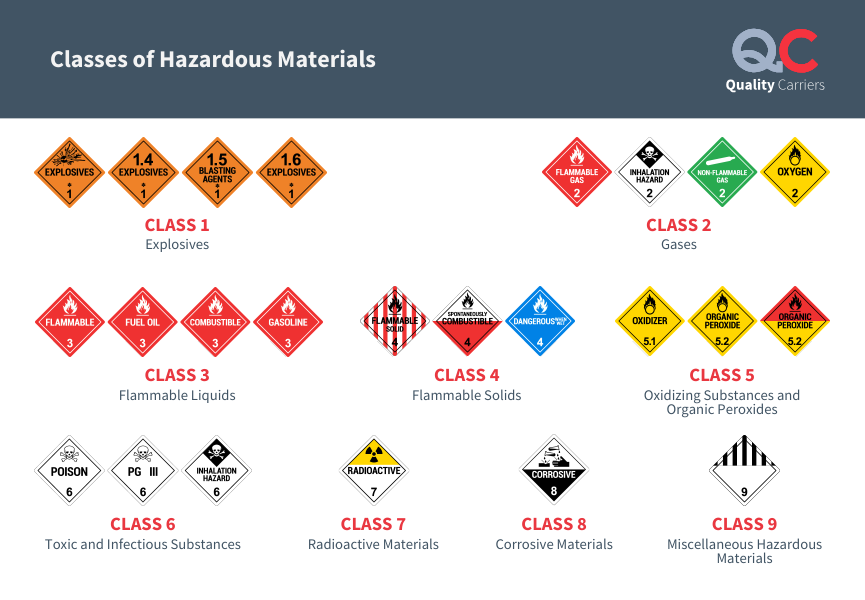
The recovery process for a ransomware attack mirrors a biological decontamination effort. IT teams must isolate the “hot zone” (the infected segment of the network), wipe the hardware completely to ensure no traces of the “toxin” remain, and then restore systems from a clean, offline source. The emergence of RaaS (Ransomware as a Service) has made these hazardous materials more accessible to low-level criminals, increasing the “pollution” level of the global internet.
The Environmental Impact of Tech Hazmat: E-Waste and Hardware Disposal
The term “hazmat materials” isn’t just a metaphor in tech; it also applies to the physical hardware that powers our software. The gadgets we use—smartphones, laptops, servers—contain actual hazardous substances that pose a severe threat to the physical world if not managed correctly.
The Chemical Components of Modern Gadgets
Inside every high-end smartphone and laptop is a cocktail of chemicals and heavy metals. Lithium-ion batteries, while efficient, are highly combustible and can cause “thermal runaway” if punctured or overheated, leading to intense fires that are difficult to extinguish. Furthermore, circuit boards contain lead, mercury, and cadmium—substances that are classified as hazardous waste.
As tech cycles shorten and the demand for new gadgets grows, the volume of “e-waste” has reached crisis levels. When these materials are discarded in landfills, the toxic components can leach into the soil and groundwater, creating a long-term environmental hazard. This is the literal hazmat of the tech industry, requiring specialized recycling facilities that can safely extract precious metals while neutralizing toxic residues.
Sustainable Disposal and Circular Tech Economies
To combat the physical hazmat threat of hardware, the tech industry is moving toward a “Circular Economy.” This involves designing gadgets that are easier to repair and recycle. Companies are increasingly being held responsible for the entire lifecycle of their products.
Tech giants are now implementing “take-back” programs where old hardware is dismantled in controlled environments. By reclaiming materials like cobalt, gold, and copper, manufacturers reduce the need for hazardous mining operations and ensure that the “hazmat” components of their products do not end up in the ecosystem. Transitioning to modular hardware design is another tech trend aimed at reducing the hazardous footprint of the industry.
Mitigation Strategies: Building a Digital Hazmat Response Team
Dealing with digital and physical hazards in the tech niche requires more than just standard IT maintenance. It requires a mindset of “Digital Material Management,” where every piece of code and every hardware component is audited for risk.
Implementing Zero-Trust Architectures
The best way to manage digital hazmat is to ensure it never has the chance to spread. Zero-Trust architecture is a security framework based on the principle of “never trust, always verify.” In this model, no user or device is trusted by default, even if they are already inside the network perimeter.
By segmenting networks and requiring strict authentication for every access point, organizations can “containerize” their digital assets. If a “hazardous” file or an unauthorized user enters the system, the Zero-Trust framework prevents them from moving through the network, effectively quarantining the threat. This is the digital equivalent of using airtight seals and pressurized rooms to handle dangerous chemicals.
Automated Security Audits and AI Threat Detection
As the volume of digital materials grows, human oversight is no longer enough to identify every hazard. This is where AI and machine learning tools become essential. AI-driven security platforms can scan millions of lines of code in seconds to identify “hazardous” patterns or known vulnerabilities.
These tools act as a digital Geiger counter, constantly sniffing the environment for signs of “radiation” (anomalous behavior). Predictive AI can even forecast where a “spill” is likely to occur by analyzing trends in system performance and user behavior. By automating the detection and neutralization of digital hazmat, tech organizations can maintain a “clean” environment even as their complexity grows.

Conclusion: The Future of Hazard Management in Tech
The concept of “hazmat materials” has evolved. In our hyper-connected world, a line of toxic code can be just as damaging as a chemical leak, and a discarded server can be just as hazardous as industrial waste. For those in the tech niche, the challenge lies in recognizing these hazards early and implementing the sophisticated tools and protocols necessary to manage them. Whether it is through rigorous data hygiene, advanced cybersecurity, or sustainable hardware recycling, the goal remains the same: to harness the power of technology while neutralizing the materials that threaten our digital and physical safety.
aViewFromTheCave is a participant in the Amazon Services LLC Associates Program, an affiliate advertising program designed to provide a means for sites to earn advertising fees by advertising and linking to Amazon.com. Amazon, the Amazon logo, AmazonSupply, and the AmazonSupply logo are trademarks of Amazon.com, Inc. or its affiliates. As an Amazon Associate we earn affiliate commissions from qualifying purchases.