
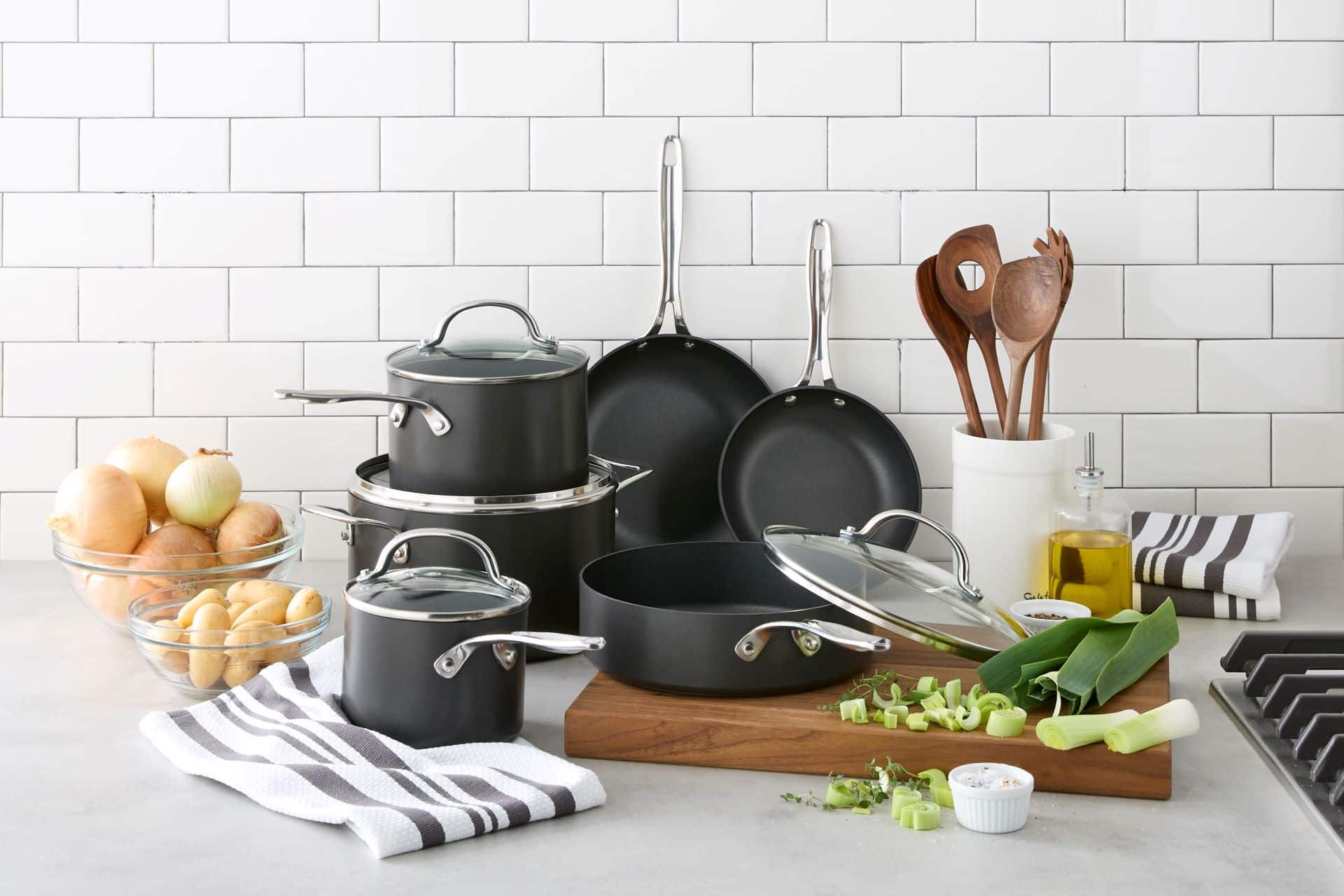
Hard anodised pans represent a significant technological advancement in cookware, leveraging an electrochemical process to transform ordinary aluminium into a material boasting exceptional durability and performance characteristics. Far beyond a simple coating, hard anodisation fundamentally alters the surface of aluminium, creating a layer that is integral to the metal itself, offering a suite of benefits that elevate the cooking experience. This deep dive explores the sophisticated engineering behind hard anodised pans, detailing their construction, advantages, and position within the broader landscape of kitchen technology.
The Science Behind Hard Anodisation
At its core, hard anodisation is a meticulously controlled electrochemical process that enhances the natural properties of aluminium, making it significantly harder and more resilient than its raw form. This is not a superficial application but a profound structural change that integrates a ceramic-like layer with the underlying metal.
Aluminium as the Foundation
The journey begins with aluminium, a metal widely favoured in cookware for its excellent thermal conductivity and lightweight nature. Aluminium efficiently transfers heat, ensuring even cooking and responsiveness to temperature changes. However, raw aluminium is relatively soft, prone to scratches, and can react with acidic foods, potentially leaching into food and affecting flavour. These inherent limitations are precisely what hard anodisation addresses. The specific aluminium alloys used for hard anodisation are carefully selected to optimise the electrochemical reaction and the resulting surface properties.
The Anodisation Process: Transforming the Surface
The anodisation process involves submerging aluminium cookware in an electrolytic bath, typically a solution of sulfuric acid. An electric current is then passed through the bath, with the aluminium pan acting as the anode (positive electrode) and a lead or carbon plate as the cathode (negative electrode). This current causes the surface of the aluminium to oxidise, forming a layer of aluminium oxide. Unlike rust on iron, which flakes off and weakens the metal, this controlled oxidation creates a highly organised, porous layer of aluminium oxide that grows both outward from the surface and inward into the metal itself.
Key parameters like current density, voltage, temperature, and electrolyte concentration are precisely controlled to dictate the thickness, hardness, and pore structure of the oxide layer. For “hard” anodisation, these parameters are typically set to produce a much thicker, denser, and more robust oxide layer compared to standard decorative anodisation. The resulting surface is not merely coated; it is a structural modification of the aluminium itself, making it impossible for the layer to chip, peel, or scratch off in the way traditional coatings might.
What Makes it “Hard”?
The “hard” in hard anodised refers to the exceptional density and thickness of the aluminium oxide layer produced. This layer is extraordinarily tough, often measured on the Rockwell or Mohs hardness scales, where it can approach the hardness of sapphire – one of the hardest natural minerals. This remarkable hardness contributes directly to the pan’s resistance against scratches, abrasions, and general wear and tear, far surpassing that of untreated aluminium or many conventional non-stick coatings. Furthermore, the molecular structure of the hard anodised layer provides inherent corrosion resistance, protecting the underlying aluminium from acidic foods and harsh cleaning agents.
Key Technological Advantages and Benefits
The unique characteristics conferred by the hard anodisation process translate into several distinct performance advantages that make these pans a premium choice for both professional chefs and home cooks. These benefits stem directly from the engineered surface and its interaction with heat and food.
Superior Durability and Scratch Resistance
The defining feature of hard anodised cookware is its unparalleled durability. The robust aluminium oxide layer is exceptionally resistant to scratches, abrasions, and impacts. This means that unlike traditional non-stick pans which can be easily damaged by metal utensils, hard anodised pans can often withstand the use of metal spatulas and whisks without compromising their integrity. This technological resilience significantly extends the lifespan of the cookware, making it a long-term investment for any kitchen. The surface is also less susceptible to warping or denting, maintaining its shape and cooking performance over years of use.
Enhanced Heat Distribution and Conductivity
While hard anodisation hardens the surface, it does not diminish aluminium’s inherent excellent thermal conductivity. In fact, the dense oxide layer can sometimes improve heat retention slightly. Hard anodised pans heat up quickly and distribute heat remarkably evenly across the cooking surface. This uniform heat distribution eliminates hot spots, preventing food from burning in one area while remaining undercooked in another. For precision cooking, searing, and simmering, this consistent heat profile is a significant advantage, allowing for more predictable and professional results. The responsiveness to temperature changes is also maintained, giving cooks precise control over their culinary processes.
Non-Reactive Surface and Food Safety
One of the significant drawbacks of raw aluminium cookware is its reactivity with acidic foods (e.g., tomatoes, lemon juice), which can lead to metallic tastes in food and potential leaching of aluminium into the meal. The hard anodisation process creates a non-porous, non-reactive surface that completely isolates the underlying aluminium from food. This technological barrier ensures that no metallic tastes are imparted to food and that the cookware is safe for preparing a wide variety of dishes, including those with high acidity. The inert surface also means that the pans do not discolour or corrode when exposed to different food types, maintaining their aesthetic and functional quality.
Easy Maintenance and Longevity
The smooth, non-porous nature of hard anodised surfaces also contributes to ease of cleaning. While not inherently “non-stick” in the way PTFE coatings are, many hard anodised pans feature a natural stick resistance, especially when properly seasoned or if they incorporate an additional non-stick layer on top of the hard anodised base. Food residues are less likely to adhere firmly, making cleanup straightforward, usually requiring only warm soapy water and a soft sponge. The resilience to harsh cleaning agents (though mild soap is always recommended) and absence of easily damaged coatings further simplifies maintenance, contributing to the extended longevity of these advanced kitchen tools.
Hard Anodised vs. Other Cookware Technologies
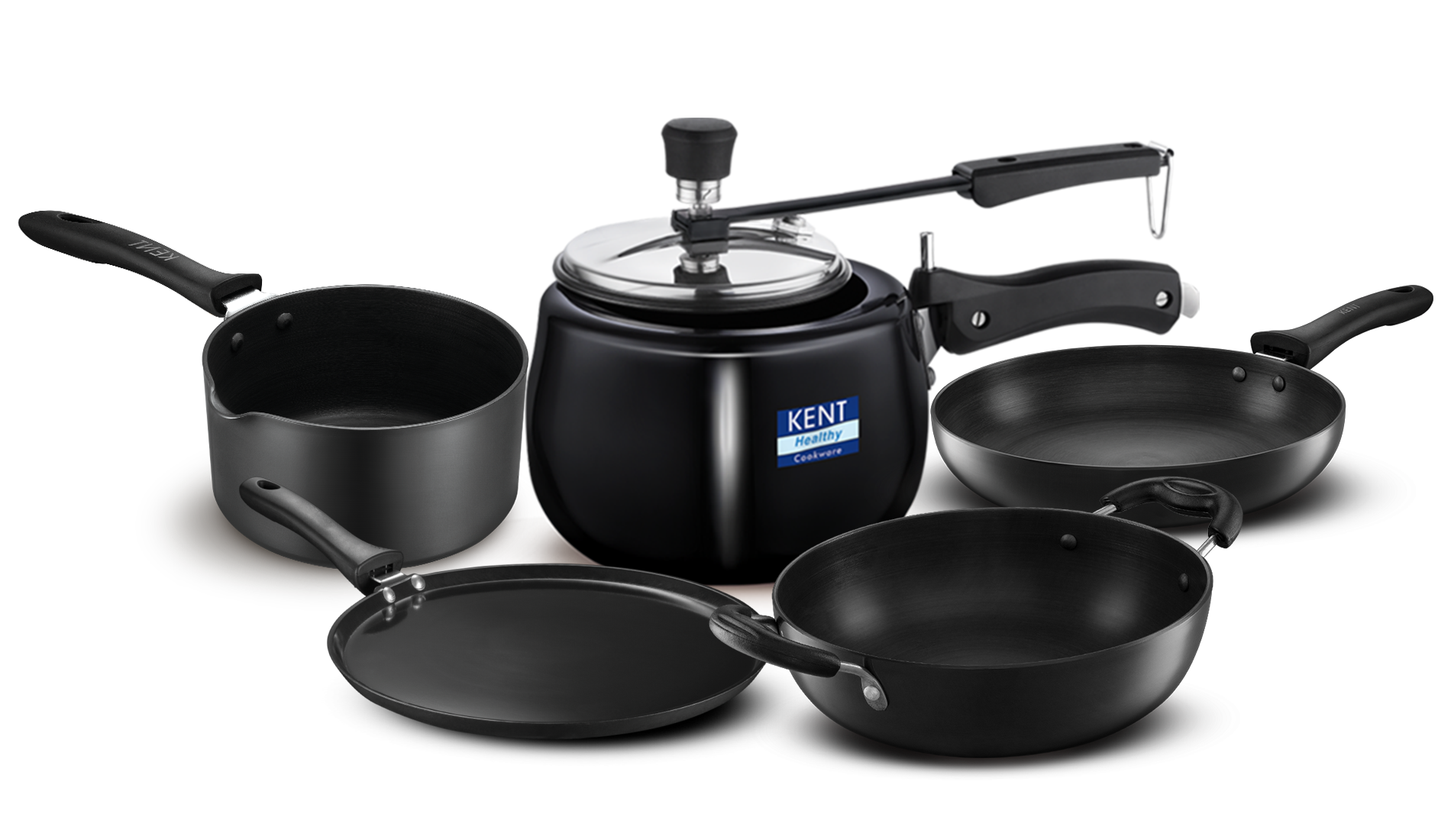
Understanding where hard anodised cookware stands in comparison to other popular materials is crucial for making informed choices. Each technology offers a different set of trade-offs in terms of durability, non-stick properties, heat management, and maintenance.
Hard Anodised vs. Traditional Non-Stick (PTFE/PFOA based)
Traditional non-stick pans rely on a fluoropolymer coating, commonly PTFE (polytetrafluoroethylene), which provides an exceptionally slick surface, preventing food from sticking. The primary technological advantage here is ease of food release. However, these coatings are typically delicate; they scratch easily, can degrade at high temperatures, and over time, may chip or peel, compromising both performance and safety. Hard anodised pans, in contrast, offer far superior durability and scratch resistance. While plain hard anodised surfaces are not as slick as fresh PTFE, they often develop good stick resistance with use and proper seasoning. Many hybrid hard anodised pans integrate a durable non-stick layer over the hard anodised base, combining the best of both worlds: the extreme durability of hard anodisation and the slickness of modern non-stick coatings, often formulated to be more robust than traditional PTFE.
Hard Anodised vs. Stainless Steel
Stainless steel is revered for its robustness, non-reactivity, and aesthetic appeal. It is durable and can withstand high temperatures and metal utensils. However, stainless steel is a relatively poor conductor of heat compared to aluminium, leading to potential hot spots unless it features an encapsulated aluminium or copper core. Its surface also requires more oil or fat to prevent sticking and can be more challenging to clean when food adheres. Hard anodised aluminium offers superior heat conductivity and distribution due to its aluminium core, eliminating hot spots. While stainless steel is also non-reactive, hard anodised pans often provide a slightly more forgiving cooking surface with better natural stick resistance, bridging a gap between pure stainless steel and delicate non-stick options.
Hard Anodised vs. Cast Iron
Cast iron cookware is legendary for its exceptional heat retention, ability to achieve very high temperatures, and natural non-stick properties developed through seasoning. However, cast iron is extremely heavy, slow to heat up (though it holds heat for a long time), requires meticulous seasoning and care to prevent rust, and is reactive to acidic foods if not well-seasoned. Hard anodised pans, being aluminium-based, are significantly lighter, heat up much faster, and are inherently non-reactive. While they don’t retain heat as intensely as cast iron, their excellent and even heat distribution is ideal for a broader range of everyday cooking tasks without the heavy lifting or stringent maintenance requirements.
Care and Optimisation for Peak Performance
To ensure the longevity and optimal performance of hard anodised cookware, specific care practices, rooted in understanding its technological build, are recommended. Proper maintenance harnesses the inherent durability of the material and extends its functional life.
Initial Seasoning and Surface Treatment
While some hard anodised pans come with a factory-applied non-stick layer, many plain hard anodised surfaces benefit from initial seasoning. This process involves heating the pan with a thin layer of cooking oil (such as flaxseed, grapeseed, or vegetable oil) until the oil polymerises, forming a non-stick, protective film. This is similar to seasoning cast iron, though less intensive. This layer enhances the natural stick resistance of the hard anodised surface and further protects it. Subsequent cooking with fats will continually reinforce this seasoning layer, improving performance over time. It’s a technological collaboration between the pan’s surface and the cook’s technique.
Cleaning and Maintenance Protocols
Due to their robust nature, hard anodised pans are relatively easy to clean. For pans without an additional non-stick coating, warm soapy water and a soft sponge are usually sufficient. Abrasive cleaners or steel wool should be avoided as they can degrade any natural seasoning or potentially dull the surface over time, even if they won’t scratch the underlying hard anodised layer. For pans with an applied non-stick coating, follow the manufacturer’s specific cleaning instructions for that coating. Dishwasher use is generally discouraged for all hard anodised cookware, especially those with non-stick layers, as the harsh detergents and high heat can diminish the non-stick properties and dull the finish. Hand washing preserves the integrity and performance for longer.
Heat Management and Utensil Choice
Hard anodised aluminium excels at heat distribution, making moderate heat settings sufficient for most cooking tasks. Overheating the pan, particularly an empty one, can damage any applied non-stick coating or, in extreme cases, warp the pan. Always match the burner size to the pan’s base to ensure even heating and prevent energy waste. While the hard anodised surface itself is highly scratch-resistant, the use of silicone, wooden, or heat-resistant plastic utensils is still recommended, especially if the pan has an additional non-stick layer. This practice extends the life of any non-stick coating and prevents unnecessary wear on the hard anodised surface, ensuring consistent performance.
Innovations and Future of Hard Anodised Cookware
The technology behind hard anodised pans continues to evolve, pushing the boundaries of kitchenware performance and user experience. Manufacturers are constantly seeking ways to enhance the inherent advantages of hard anodisation and address any remaining limitations.
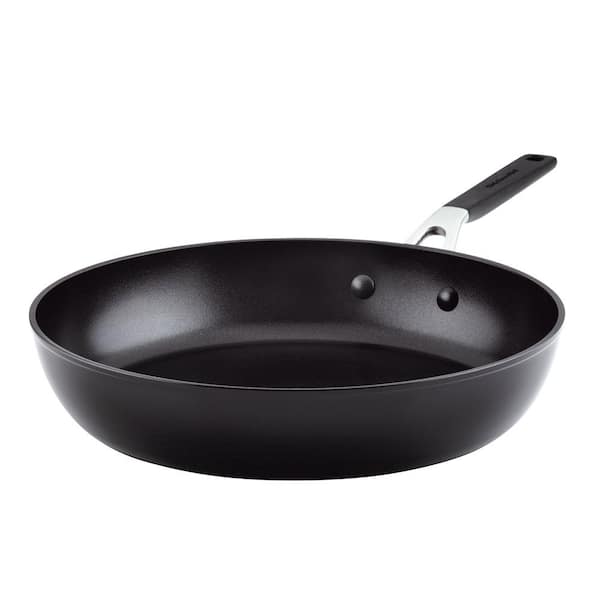
One significant area of innovation involves hybrid designs. Many modern hard anodised pans feature an extremely durable, PFOA-free non-stick coating applied over the hard anodised aluminium base. This combination marries the extreme toughness and even heating of the hard anodised layer with the superior food release properties of advanced non-stick materials, creating cookware that is both durable and easy to clean. These coatings are often multi-layered and reinforced with ceramic or diamond particles, pushing their scratch resistance far beyond older non-stick technologies.
Further advancements are seen in the integration of induction-compatible bases. Since aluminium is not magnetic, hard anodised pans traditionally required an additional ferrous plate bonded to the base to work on induction cooktops. Newer designs are perfecting these integrated bases, ensuring efficient magnetic coupling and heat transfer while maintaining the pan’s overall lightness and excellent conductivity.
Research into different anodising processes and electrolyte compositions also continues, aiming to produce even denser, harder, and more corrosion-resistant oxide layers. Environmentally friendly anodisation processes, reducing chemical waste and energy consumption, are also a focus for sustainable manufacturing. As materials science and electrochemical engineering advance, hard anodised cookware is poised to offer even greater performance, durability, and versatility, solidifying its place as a cornerstone of high-performance kitchen technology.
aViewFromTheCave is a participant in the Amazon Services LLC Associates Program, an affiliate advertising program designed to provide a means for sites to earn advertising fees by advertising and linking to Amazon.com. Amazon, the Amazon logo, AmazonSupply, and the AmazonSupply logo are trademarks of Amazon.com, Inc. or its affiliates. As an Amazon Associate we earn affiliate commissions from qualifying purchases.