
In the competitive landscape of the 1990s entertainment industry, few visual markers were as instantly recognizable as the oversized, dropped-crotch trousers known as “Hammer pants.” While the casual observer might view them merely as a fleeting fashion trend, a brand strategist sees something far more profound: the creation of a distinctive brand asset. Much like the Nike Swoosh or the Coca-Cola contour bottle, Hammer pants served as a physical manifestation of a brand’s value proposition, identity, and market positioning.
To understand what Hammer pants are from a brand perspective is to understand the mechanics of visual differentiation. They were not just clothing; they were a proprietary silhouette that signaled a specific personal brand—MC Hammer—and a broader cultural movement. This article explores the strategic implementation of Hammer pants as a tool for personal branding, market saturation, and the eventual lifecycle of a trend-based brand identity.
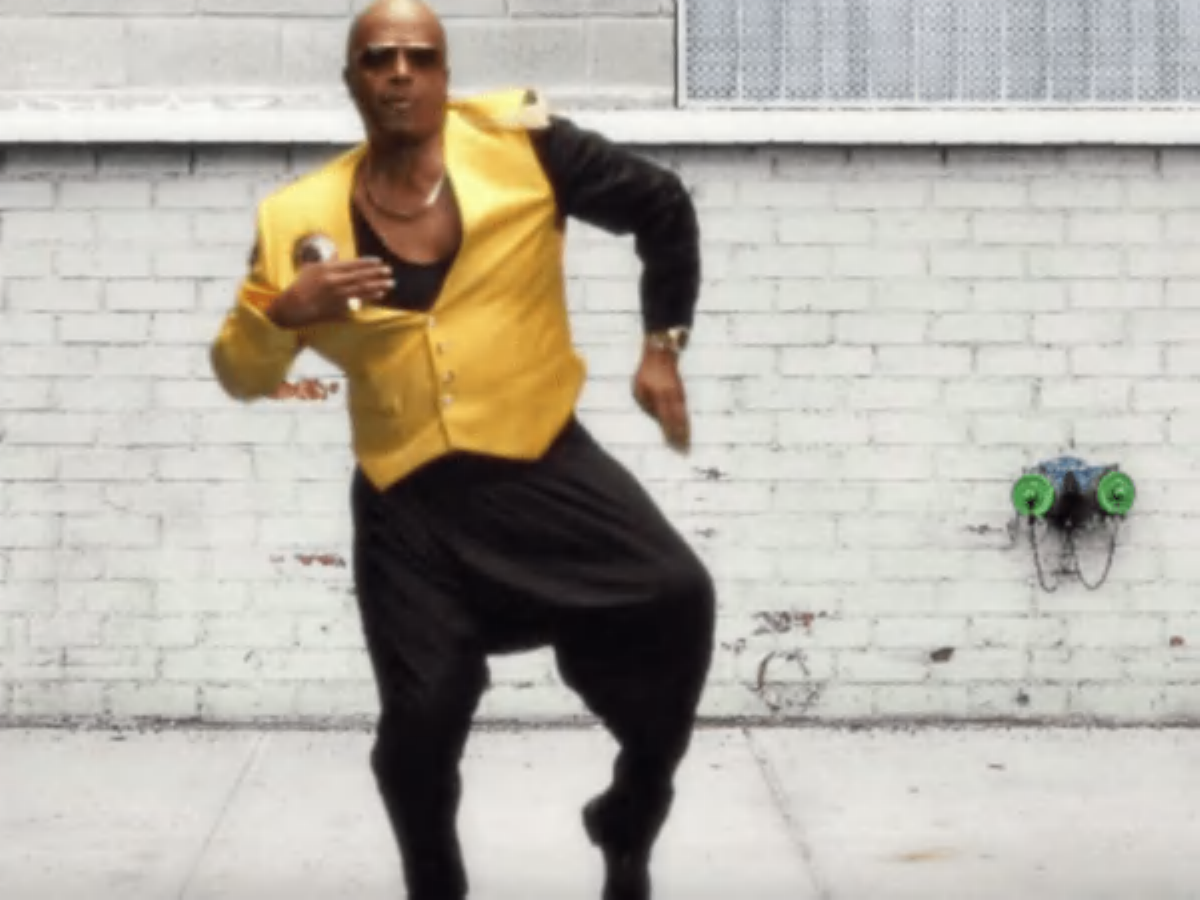
Defining the Visual Signature: The Power of Distinctive Brand Assets
In brand strategy, a “distinctive asset” is any non-brand-name element (color, shape, sound, or character) that triggers the brand in the mind of the consumer. Hammer pants are perhaps one of the most successful examples of a non-verbal brand asset in the history of music marketing. By adopting a silhouette that deviated wildly from the standard denim and leather of the era, MC Hammer created a visual shorthand for his brand.
Transcending Fashion into Trademarks
When we ask “what are hammer pants,” we are essentially asking about the boundaries of an “ownable” look. The design—characterized by a voluminous amount of fabric between the waist and the knees, tapering sharply at the ankles—was adapted from traditional harem pants. However, through the lens of brand strategy, MC Hammer “trademarked” the look through consistent repetition and association.
From a strategic standpoint, this is known as “sensory branding.” By monopolizing a specific visual space, the artist ensured that any time a consumer saw that silhouette, they thought of his music, his dance moves, and his brand promise of high-energy, “clean” entertainment. This level of brand recall is the holy grail for corporate identity designers.
The Psychology of Visibility in Marketing
Brand visibility is often a battle for attention in a crowded marketplace. In the early 1990s, the hip-hop and pop charts were becoming increasingly saturated. To cut through the noise, a brand must possess “stopping power.” Hammer pants provided this in spades. The sheer physical volume of the pants increased the “brand real estate” the artist occupied on screen during music videos and on stage during performances.
This was a calculated move in brand visibility. The movement of the fabric amplified the choreography, making the brand’s “product”—the dance—look more fluid and more impressive. It was a symbiotic relationship between product design and marketing execution.
The MC Hammer Personal Brand: A Case Study in Cultural Saturation
The rise of Hammer pants cannot be decoupled from the rapid ascent of the MC Hammer personal brand. In 1990, his album Please Hammer, Don’t Hurt ‘Em became the first hip-hop album to be certified diamond. This success was not accidental; it was the result of a rigorous brand strategy that prioritized mass-market appeal and cross-generational reach.
Establishing the “U Can’t Touch This” Brand Voice
Every successful brand needs a clear voice. For the Hammer brand, that voice was one of infectious optimism, technical skill, and accessibility. The pants functioned as the “logo” for this voice. They were flamboyant yet non-threatening, allowing the brand to bridge the gap between urban culture and suburban households.
By leaning into this “big-tent” branding, Hammer pants became a uniform for a movement. The brand message was clear: “This is fun, this is spectacular, and you can participate.” This accessibility is what allowed the brand to scale at a rate rarely seen in the entertainment industry.
Strategic Partnerships and Mass Market Appeal
A brand’s strength is often measured by its ability to secure high-value partnerships. At the height of the Hammer pants era, the brand was ubiquitous, appearing in commercials for Pepsi, Taco Bell, and even British Knights footwear. These weren’t just endorsements; they were brand integrations.
In these campaigns, the pants were often the focal point. They were used as a visual anchor to signal that the partner brand was aligned with the “cutting edge” of pop culture. This is a classic example of brand equity transfer, where the coolness of the “Hammer” brand was leveraged to revitalize the brand perception of corporate giants.
Brand Dilution and the Lifecycle of a Trend
As any brand manager knows, the more distinctive an asset is, the more susceptible it is to parody and eventual dilution. The very uniqueness that made Hammer pants a powerhouse in 1990 led to their brand exhaustion by 1994.
The Risks of Over-Exposure
Market saturation is a double-edged sword. When a brand becomes too common, it loses its “premium” status. This is exactly what happened to the Hammer pants aesthetic. As the market was flooded with cheap imitations and the “Hammer” brand began appearing on everything from lunchboxes to Saturday morning cartoons, the original brand promise was diluted.
In branding, this is known as “commoditization.” When a signature asset is available at every price point and in every context, it loses its ability to signal exclusivity or status. The pants transitioned from a symbol of a high-performance artist to a caricature of an era.
Pivot or Persist? Managing Brand Evolution
When a brand’s core visual asset becomes a liability, the organization faces a critical choice: pivot or persist. As the musical landscape shifted toward the grittier, more minimalist “grunge” and “gangsta rap” eras, the Hammer brand struggled to evolve.
The pants had become so synonymous with the 1990–1991 window that they functioned as a “timestamp.” For a brand to achieve longevity, it must be able to shed its skin without losing its soul. Unfortunately, the “Hammer” brand was so deeply tied to the physical asset of the pants that when the pants went out of style, the brand’s perceived value plummeted. This serves as a vital lesson in brand strategy: never let a single visual gimmick define your entire corporate identity.
Legacy Branding: Why the Hammer Aesthetic Still Resonates
Despite the decline of the original MC Hammer brand, the “Hammer pants” silhouette has experienced several revivals in the fashion and branding world. This speaks to the “Lindy Effect,” which suggests that the longer something has lasted, the longer it is likely to last in the future—often in different forms.
Nostalgia as a Marketing Tool
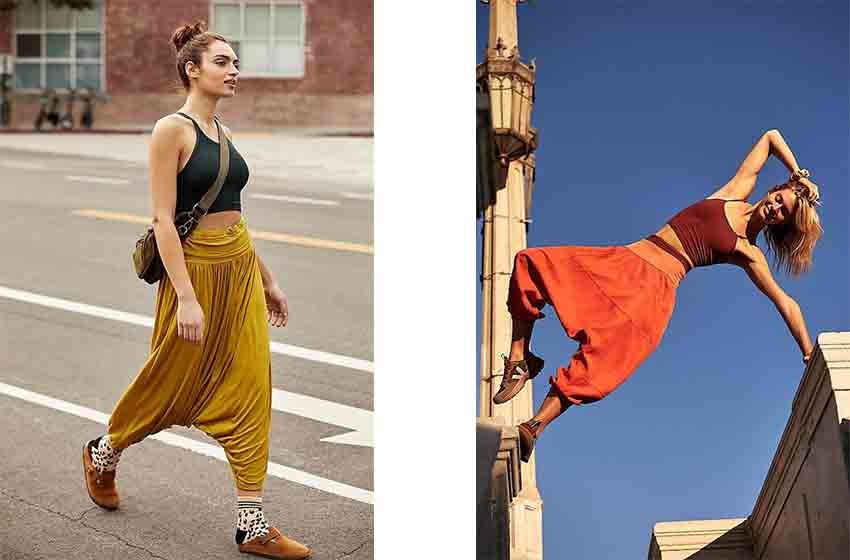
In the modern era, “Hammer pants” are no longer just a garment; they are a nostalgic brand trigger. Heritage brands and modern designers often tap into the 90s aesthetic to evoke a sense of joy and simplicity. From a marketing perspective, nostalgia is a powerful emotion that can be leveraged to create instant rapport with a target audience.
When high-fashion brands like Rick Owens or Yeezy introduce dropped-crotch trousers today, they are engaging in “referential branding.” They are borrowing the visual language of the Hammer era but re-contextualizing it for a minimalist, luxury audience. They are, in effect, “re-branding” the Hammer pants for a new generation.

Lessons for Modern Personal Branding
The story of Hammer pants provides several key takeaways for today’s influencers, creators, and corporate leaders:
- Visual Consistency is King: To build a brand, you must have a “look” that is consistently applied across all platforms. Hammer never went on stage without his signature asset.
- Scalability Requires Accessibility: A brand that is too niche cannot achieve mass-market dominance. The Hammer brand succeeded because it was visually loud but culturally safe.
- The Perils of the “One-Hit Wonder” Asset: A brand must be more than its most famous asset. If your identity is tied 100% to a single trend, you will rise and fall with that trend.
In conclusion, “Hammer pants” represent one of the most effective, albeit volatile, brand identities in history. They demonstrate how a specific design choice can be leveraged to build a multi-million dollar empire through visual differentiation and market saturation. While they eventually fell victim to the natural lifecycle of trends, their impact on the science of branding remains a definitive case study in how we perceive, consume, and remember icons.
aViewFromTheCave is a participant in the Amazon Services LLC Associates Program, an affiliate advertising program designed to provide a means for sites to earn advertising fees by advertising and linking to Amazon.com. Amazon, the Amazon logo, AmazonSupply, and the AmazonSupply logo are trademarks of Amazon.com, Inc. or its affiliates. As an Amazon Associate we earn affiliate commissions from qualifying purchases.