
In the landscape of global marketing and personal branding, few visual assets are as immediately recognizable as the “hammer pants.” While ostensibly a piece of apparel, these oversized, drop-crotch trousers represent more than a fashion choice from the late 1980s and early 1990s. They serve as a definitive case study in how a singular aesthetic element can define a brand’s identity, facilitate rapid market penetration, and eventually serve as a cautionary tale regarding brand overexposure and the lifecycle of trends.
To understand what hammer pants are is to understand the power of visual equity. In the professional world of brand strategy, we look at hammer pants not just as silk-tapestry garments, but as a strategic tool utilized by Stanley Burrell—better known as MC Hammer—to carve out a unique market position in a crowded music and entertainment industry.
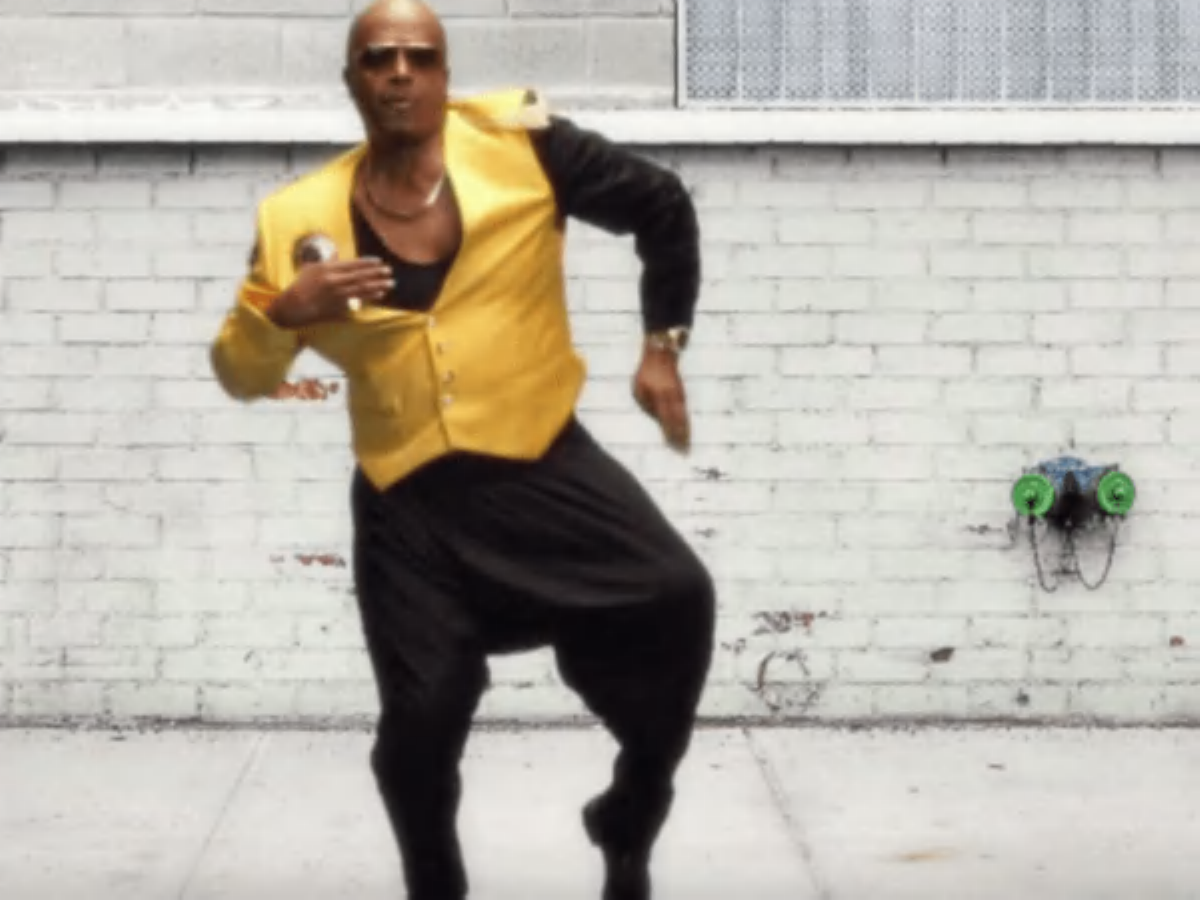
The Anatomy of an Iconic Brand Asset
From a design and marketing perspective, hammer pants are a variation of the traditional “harem” or “sarouel” pants, characterized by a significantly lowered crotch and a tapered fit at the ankles. However, in the context of Western branding, they were transformed into a proprietary visual signature.
Defining the Visual Identity
A successful brand requires a “USP” or Unique Selling Proposition. In the late 80s, the hip-hop scene was largely dominated by two visual archetypes: the street-centric look of the East Coast and the burgeoning “gangsta rap” aesthetic of the West Coast. MC Hammer introduced a third pillar: high-energy, choreographed spectacle. The hammer pants were the primary architectural element of this brand identity. The extra fabric was not merely decorative; it was functional, emphasizing the movement of the dancer and making every motion appear larger-than-life. This is a classic example of “Product-Benefit Alignment,” where the physical attributes of the product directly enhance the brand’s primary service (in this case, entertainment).
The Psychology of Bold Marketing
In brand strategy, “disruption” is often achieved through visual dissonance. Hammer pants were impossible to ignore. They occupied more physical space than standard attire, mirroring the way a dominant brand occupies “mindshare” in a consumer’s brain. By adopting a silhouette that deviated so radically from the norm, the “Hammer” brand ensured immediate recall. Whether the audience viewed them as fashionable or absurd was secondary to the fact that they were unforgettable. This is the essence of “Brand Salience”—the degree to which a brand is noticed or thought of in specific situations.
MC Hammer: A Masterclass in Personal Branding
Before he was a pop-culture icon, MC Hammer was a savvy entrepreneur. He understood that in the attention economy, being the best is often less important than being the most recognizable. His use of hammer pants was a calculated move in personal branding that transformed a musician into a multi-platform corporate entity.
Creating a Global Brand Image
At his peak, MC Hammer was one of the first rappers to achieve true “Mass Market Appeal.” This was achieved by cleaning up the often-gritty image of hip-hop and replacing it with a vibrant, high-production, and family-friendly brand. The hammer pants were central to this “Brand Sanitization.” They were flamboyant rather than threatening, theatrical rather than street-focused. This allowed the brand to secure massive endorsements with corporations like Pepsi and Mattel, demonstrating how a well-defined visual brand can bridge the gap between niche subcultures and corporate partnerships.
The Intersection of Music, Dance, and Fashion Strategy
A brand is rarely a single note; it is a symphony of touchpoints. For the Hammer brand, the music provided the “Audio Identity,” the dance provided the “Performance Identity,” and the pants provided the “Visual Identity.” When these three elements converged in the “U Can’t Touch This” music video, it created a synergistic effect that propelled the brand to the top of the charts. The pants became a shorthand for the entire experience. In modern marketing terms, this is referred to as “Integrated Brand Communications,” where every channel and asset works in unison to reinforce a singular message of energy and untouchable success.
The Lifecycle of a Trend: From Niche to Mass Market
The trajectory of hammer pants provides an excellent framework for understanding the “Diffusion of Innovation” theory. This theory explains how, why, and at what rate new ideas and technology spread.
The Diffusion of Innovation Theory Applied to Fashion
-
Innovators: Initially, the drop-crotch look was found in niche cultural circles and traditional Middle Eastern/Asian attire.
-
Early Adopters: MC Hammer and his dance troupe adopted the look, refining it for a Western pop audience.
-
Early Majority: As “Hammer-mania” took over, the pants were mass-produced, appearing in malls across America. This is the “Peak of Inflated Expectations” in the Hype Cycle.
-
Late Majority: The look became a costume. Once the “Hammer” brand was ubiquitous, the exclusivity vanished.
-
Laggards: By the time the pants were being used as punchlines in sitcoms, the trend had reached its “Trough of Disillusionment.”
Risk Management in Trend-Based Branding
The downfall of the hammer pants as a serious fashion item highlights the risk of “Over-Saturation.” When a brand becomes too closely tied to a specific, highly-visible trend, it risks becoming a “fad.” For a brand to have longevity (Sustainability), it must evolve. Hammer’s brand became so synonymous with the pants that when the public’s appetite for the silhouette ended, the brand struggled to pivot. In the world of corporate identity, this is why brands like Apple or Nike constantly iterate on their visual language—to avoid being “trapped” in a specific era.
Modern Iterations: How Brands Repurposed the “Hammer” Legacy
While the specific, neon-tapestry hammer pants of 1990 are largely viewed as a relic, the underlying design principles have been successfully rebranded and reintegrated into modern luxury and streetwear.
The Rebirth of Comfort and Silhouette in Luxury Branding
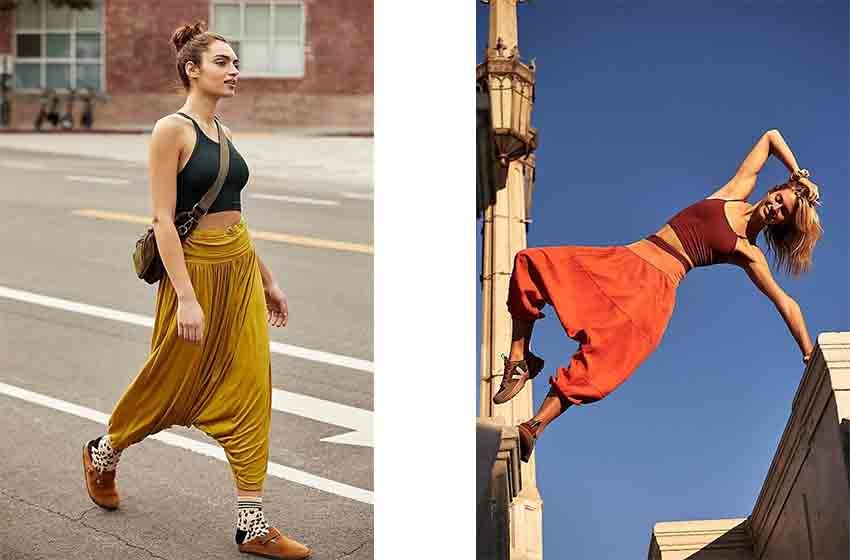
In the 2010s and 2020s, high-fashion houses like Rick Owens, Yohji Yamamoto, and Saint Laurent reintroduced the drop-crotch silhouette. However, they applied a “Premium Rebranding” strategy. By using high-end fabrics (heavy jersey, wool, leather) and a muted color palette (blacks, grays), they stripped away the “campy” associations of the 90s. They rebranded the “hammer pant” as the “urban sarouel” or “dropped-taper trouser,” targeting an avant-garde, affluent demographic. This shows that even a “toxic” brand asset can be rehabilitated through strategic repositioning and a change in “Brand Tone.”
Nostalgia Marketing and the 30-Year Rule
We are currently seeing a resurgence of early-90s aesthetics driven by “Nostalgia Marketing.” Brands are tapping into the “30-Year Rule,” which suggests that trends cycle back once the original consumers reach a position of peak purchasing power and the new generation discovers the look as “retro-cool.” Today, Gen Z consumers engage with the hammer pants silhouette through a lens of irony and vintage appreciation. For marketers, this represents an opportunity to leverage “Legacy Assets” to trigger emotional connections with older audiences while appearing “novel” to younger ones.

Strategic Takeaways for Modern Brand Architects
The story of hammer pants is a powerful reminder that every choice—down to the cut of a trouser—is a branding decision. Whether you are building a personal brand or a corporate identity, there are several key takeaways from the “Hammer” era:
-
Own the Silhouette: If you can create a visual signature that is identifiable even in silhouette, you have achieved elite brand recognition. Think of the Coca-Cola bottle or the Apple logo.
-
Function Must Follow Form (and Vice Versa): The pants worked because they facilitated the brand’s primary output: dance. Your brand’s visual assets should always support your core value proposition.
-
Plan for the Pivot: No trend lasts forever. A robust brand strategy includes a roadmap for evolution. Don’t let your “hammer pants” become a straitjacket that prevents your brand from growing into the next decade.
-
The Power of Differentiation: In a sea of “me-too” brands, the courage to be “absurd” can be the catalyst for global dominance. The hammer pants weren’t “safe,” and that is exactly why they worked.
In conclusion, hammer pants are much more than a historical fashion curiosity. They are a testament to the power of bold visual branding, the complexities of the trend lifecycle, and the enduring impact of a well-executed personal brand. For the modern marketer, the lesson is clear: find your “hammer pants”—that one unmistakable element that sets you apart—but always be ready for the next dance.
aViewFromTheCave is a participant in the Amazon Services LLC Associates Program, an affiliate advertising program designed to provide a means for sites to earn advertising fees by advertising and linking to Amazon.com. Amazon, the Amazon logo, AmazonSupply, and the AmazonSupply logo are trademarks of Amazon.com, Inc. or its affiliates. As an Amazon Associate we earn affiliate commissions from qualifying purchases.