
The concept of family is a cornerstone of human society, a complex tapestry woven from biological ties, legal bonds, and shared experiences. While the immediate family unit – parents and full siblings – is often the most readily understood, the extended family structure encompasses a wider range of relationships, including those formed through blended families. Among these, the term “half-sibling” frequently arises, denoting a specific type of familial connection. Understanding what constitutes a half-sibling is crucial for navigating family dynamics, legal considerations, and even for tracing genealogical roots.
At its core, a half-sibling is an individual who shares only one biological parent with another person. This distinction is fundamental and differentiates them from full siblings, who share both parents. The presence of one shared parent, be it the mother or the father, is the defining characteristic of this relationship. While the biological connection is singular, the social, emotional, and often legal implications can be as profound as those experienced with full siblings. The journey of understanding and acknowledging half-siblings often involves navigating unique family structures, historical contexts, and personal narratives.
The Biological Basis of Half-Sibling Relationships
The biological foundation of a half-sibling relationship is straightforward, yet it carries significant weight in how these connections are understood and recognized. It hinges entirely on the sharing of genetic material from a single parent.
One Shared Parent: The Defining Factor
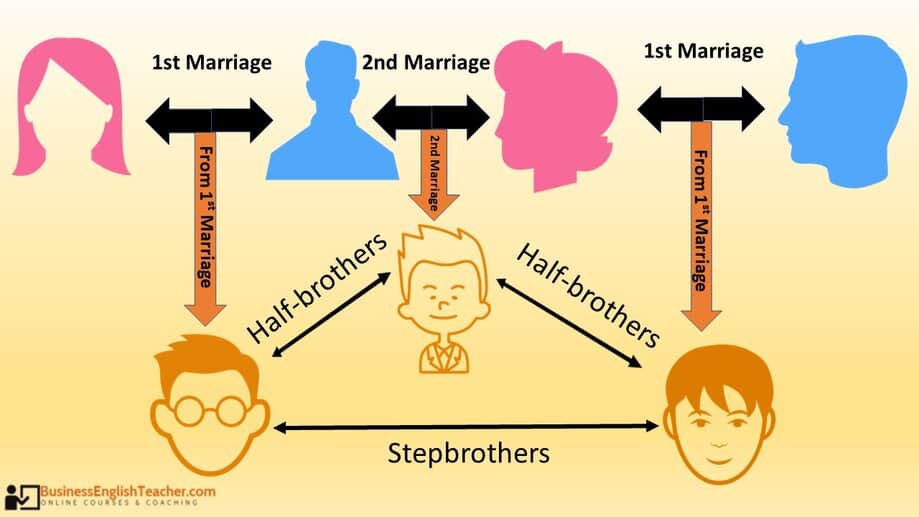
The primary determinant of a half-sibling relationship is the presence of exactly one shared biological parent. This means that two individuals have either the same mother or the same father, but not both. For example, if Person A and Person B share the same mother but have different fathers, they are half-siblings. Conversely, if they share the same father but have different mothers, they are also half-siblings. This contrasts directly with full siblings, who share both their mother and their father, thus inheriting genetic material from both parents in common.
The biological definition is the bedrock upon which all other understandings of half-sibling relationships are built. It’s the scientific reality that underpins the familial label, regardless of the circumstances that led to the formation of these distinct parental pairings. Modern genetic testing has further solidified this understanding, offering definitive proof of biological parentage, thereby confirming or refuting half-sibling connections with scientific accuracy.
Different Parental Combinations
The scenario of half-siblings can arise from various parental combinations. These often occur within the context of divorce, remarriage, or through individuals having children with different partners over time.
- Same Mother, Different Father: This is a common scenario. A mother may have children with two different partners. The children from these separate unions will be half-siblings to each other, sharing their mother but not their father. This can occur if a couple divorces and both individuals later remarry and have children with their new partners, or if an individual has children with multiple partners without being married to them.
- Same Father, Different Mother: Similarly, a father may have children with two different partners. The children from these separate unions will be half-siblings, sharing their father but not their mother. This can happen in analogous situations to the above, where a father remarries or has children with different partners.
The specific combination of shared and unshared parents is what precisely defines the half-sibling relationship. It’s a nuanced biological reality that can lead to diverse family structures and dynamics.
Social and Emotional Dynamics of Half-Sibling Relationships
While the biological definition is clear, the social and emotional landscape of half-sibling relationships is often far more complex and varied. These relationships can be deeply rewarding, challenging, or somewhere in between, heavily influenced by the circumstances of their formation and the willingness of individuals to engage.
Navigating Blended Families
The rise of blended families, where individuals from previous relationships come together, often brings half-siblings into close proximity. This can create unique dynamics as new family structures are formed, and existing relationships are reconfigured.
- Integration and Formation: In blended families, half-siblings often live together, attend the same schools, and participate in the same family events. This shared environment can foster strong bonds and a sense of siblinghood, mirroring the experience of full siblings. The success of integration often depends on the efforts of the parents to create a cohesive family unit and to encourage positive interactions between all children, including half-siblings.
- Challenges in Cohesion: Despite shared living arrangements, challenges can arise. Differences in upbringing, established routines, and loyalties to biological parents can sometimes create friction. It’s not uncommon for half-siblings to initially feel a sense of “us” and “them” based on their original family units. Open communication, empathy, and a deliberate effort to foster inclusivity by the parents are crucial in overcoming these hurdles and building genuine connections.
Building and Maintaining Connections

The development and maintenance of half-sibling relationships are not automatic. They often require conscious effort from both the individuals involved and their parents.
- Active Engagement: Unlike full siblings who often grow up together from birth and share a deeply ingrained history, half-siblings may meet later in life or have limited interaction due to geographical distance or differing parental relationships. Therefore, active engagement is key. This could involve regular visits, communication through calls or messages, sharing life updates, and making an effort to be present in each other’s significant life events.
- Understanding Different Life Experiences: Half-siblings may have lived vastly different lives, shaped by their respective primary caregivers and family environments. Recognizing and respecting these differences is essential. It allows for a more authentic connection, free from assumptions or comparisons. Acknowledging that their individual journeys have been unique can foster mutual understanding and appreciation.
- The Role of Parents: Parents play a pivotal role in fostering half-sibling relationships. Encouraging contact, facilitating introductions, and supporting the development of bonds can significantly impact the longevity and depth of these connections. When parents model positive relationships with their ex-partners and their respective children, it often sets a positive tone for the children’s interactions as well.
Legal and Practical Considerations
Beyond the biological and social aspects, half-sibling relationships can also have legal and practical implications, particularly concerning inheritance, family law, and genealogical research.
Inheritance and Family Law
In matters of law, the distinction between full and half-siblings can be significant, especially when it comes to inheritance rights and legal responsibilities.
- Inheritance Rights: In many legal systems, both full and half-siblings are recognized as legal heirs. However, the specifics of inheritance laws can vary. Typically, if a person dies intestate (without a will), their estate will be distributed according to statutory rules. These rules usually prioritize direct descendants, then parents, and then siblings. In such cases, half-siblings often have the same inheritance rights as full siblings, sharing equally in the estate. However, the presence of a will can supersede these default provisions, allowing individuals to specify how their assets are distributed, potentially favoring some siblings over others.
- Legal Guardianship and Responsibility: In situations where parents are unable to care for their children, legal guardianship or other forms of responsibility may fall to siblings. The law often recognizes the capacity and responsibility of both full and half-siblings in such contexts, though the specific legal frameworks will dictate the precise rights and obligations. This can become particularly relevant in cases of young siblings where one is appointed as guardian to another.
Genealogical Research and Identity
For many, understanding their family tree and heritage is a deeply personal pursuit. Half-siblings play a crucial role in this exploration, offering connections to different branches of a family’s lineage.
- Tracing Ancestry: When researching family history, discovering half-siblings can unlock new avenues of genealogical inquiry. They represent direct links to different sides of a family, often providing access to different sets of ancestors, records, and family stories that would otherwise remain undiscovered. This can be particularly insightful for understanding the historical movements and relationships of one’s ancestors.
- Expanding Family Networks: Identifying and connecting with half-siblings can significantly expand one’s family network. This can lead to a richer understanding of personal identity and heritage, as well as the creation of new family relationships. For individuals who may have felt a void or a lack of connection to certain familial lines, discovering half-siblings can be a profoundly affirming experience, offering a sense of belonging and shared history. It can also be a way to connect with a wider cultural or ethnic heritage that might have been less apparent through their immediate family.
The Evolving Nature of Family and Siblinghood
The traditional notion of a nuclear family is increasingly being complemented and redefined by diverse family structures. In this evolving landscape, the concept of half-siblinghood is not just a biological descriptor but a reflection of changing societal norms and the resilient nature of familial bonds.
Redefining Siblinghood
The modern understanding of siblinghood is moving beyond the strict confines of shared parentage. While biological ties remain important, the emotional and social connections forged through shared experiences, mutual support, and love are increasingly recognized as fundamental to defining who counts as a sibling.
- Beyond Biology: For many, the term “sibling” extends beyond blood ties to encompass chosen family and those with whom deep, enduring relationships have been built. Half-siblings who grow up together, share significant life events, and offer each other unwavering support often develop a sibling bond that is as strong, if not stronger, than that of full siblings who may be estranged. This highlights the power of nurture over nature in shaping familial identities.
- The Impact of Shared Experiences: Growing up in proximity, attending the same schools, celebrating holidays together, and navigating the complexities of a blended family can create a shared history and understanding that is unique to half-siblings who experience these things together. These shared experiences become the bedrock of their relationship, fostering a sense of mutual recognition and belonging that transcends the simple fact of having one shared parent.

The Future of Half-Sibling Connections
As societal structures continue to diversify and individuals become more open to exploring their heritage, the role and recognition of half-sibling relationships are likely to grow.
- Increased Visibility and Acceptance: With greater awareness and acceptance of diverse family forms, half-sibling relationships are becoming more visible and less stigmatized. This allows for more open communication about family structures and a greater willingness to connect with individuals who share a biological link.
- Technological Aids: Advances in DNA testing and online genealogical platforms are making it easier than ever for individuals to discover half-siblings they may never have known existed. This technological facilitation is likely to lead to more reunions and the formation of new family connections, further enriching the tapestry of human relationships. These tools break down geographical barriers and offer a direct pathway to understanding one’s biological heritage, which often includes reconnecting with previously unknown family members.
In conclusion, half-siblings are individuals who share one biological parent. While this biological definition is clear, the social, emotional, legal, and genealogical implications of this relationship are rich and varied. Navigating blended families, actively building connections, and understanding the legal framework surrounding inheritance are all integral aspects of this familial bond. As society continues to embrace diverse family structures, the significance and appreciation of half-sibling relationships will undoubtedly continue to grow, enriching the lives of those who share this unique connection.
aViewFromTheCave is a participant in the Amazon Services LLC Associates Program, an affiliate advertising program designed to provide a means for sites to earn advertising fees by advertising and linking to Amazon.com. Amazon, the Amazon logo, AmazonSupply, and the AmazonSupply logo are trademarks of Amazon.com, Inc. or its affiliates. As an Amazon Associate we earn affiliate commissions from qualifying purchases.