
Determining what constitutes a “good” profit margin is one of the most critical exercises for any business owner or financial strategist. Profit margins are the lifeblood of a company; they dictate your ability to reinvest in growth, weather economic downturns, and reward stakeholders. While the colloquial answer is often “the higher, the better,” the reality is nuanced, deeply tied to industry benchmarks, business models, and the competitive landscape. Understanding these metrics is the difference between running a hobby and building a scalable, sustainable enterprise.
Defining the Core Metrics: Gross vs. Net Margins
To evaluate whether your margins are healthy, you must first distinguish between the two primary ways we measure profitability: Gross Margin and Net Margin. Confusion between these two is the most common cause of financial mismanagement in early-stage ventures.

Gross Profit Margin
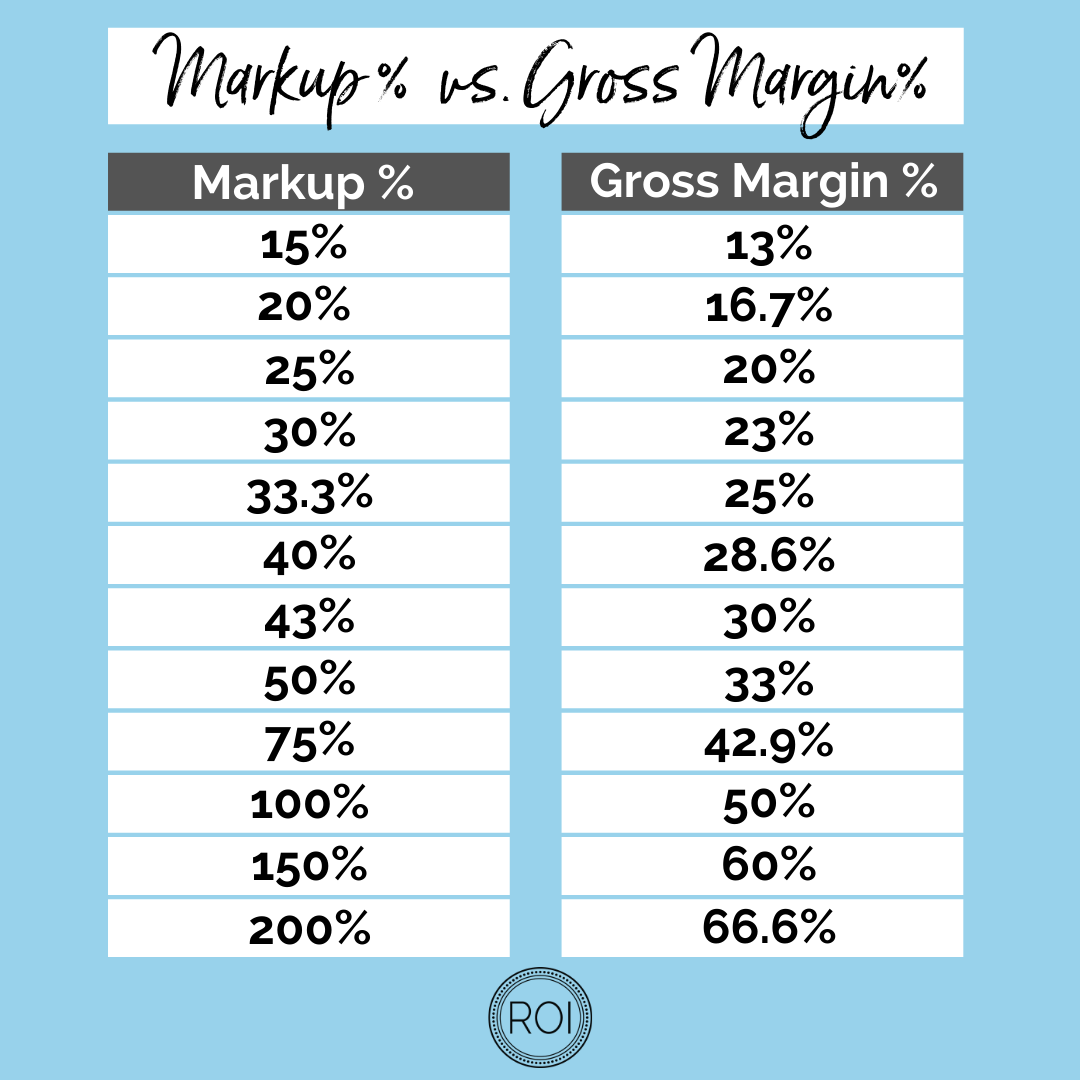
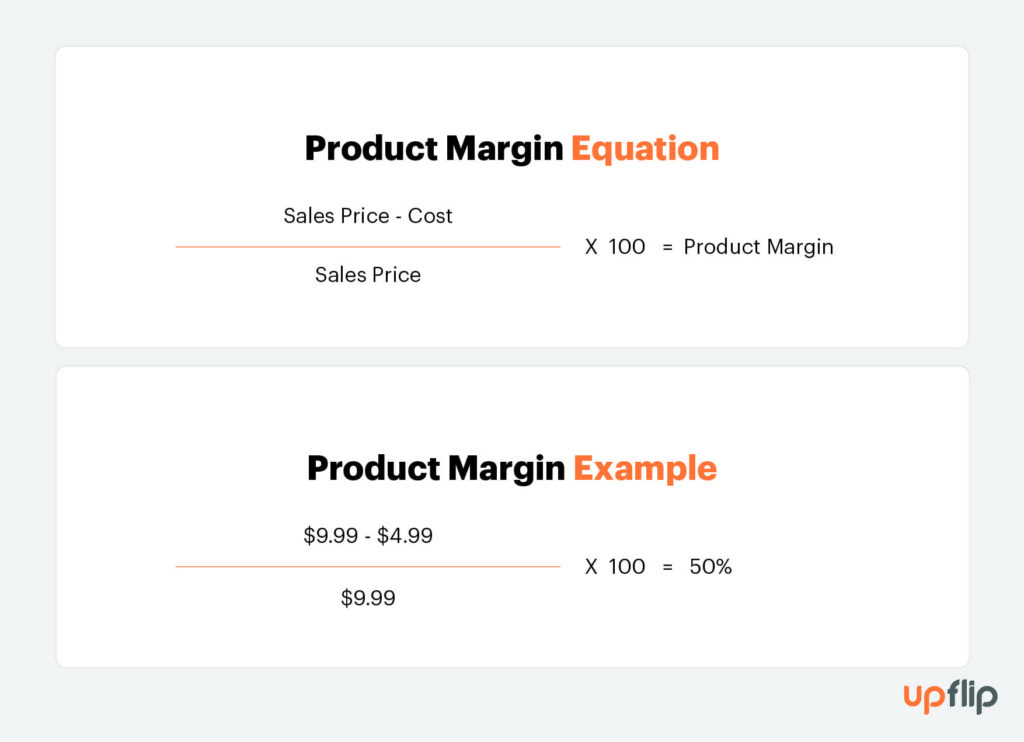
Gross margin represents the efficiency of your production or service delivery. It is calculated as (Total Revenue – Cost of Goods Sold) / Total Revenue. This metric tells you how much money is left over after paying for the direct costs associated with creating your product—such as raw materials, direct labor, and manufacturing overhead.
A healthy gross margin is essential because it determines your “contribution margin,” which funds your operating expenses. If your gross margin is too thin, no amount of operational efficiency can save the business, as you lack the “cushion” to cover marketing, rent, and salaries.
Net Profit Margin
Net margin is the “bottom line.” It is calculated as (Net Income / Total Revenue). This takes into account every single expense, including taxes, interest, marketing spend, administrative overhead, and R&D. While gross margin shows your production efficiency, net margin shows your overall business viability. A product might have a stellar gross margin but a poor net margin if the costs of acquiring customers (CAC) are too high or if the company is bloated with administrative waste.
Industry Benchmarks: Why “Good” Is Relative
There is no universal number that defines a “good” margin. Attempting to apply a standard rule of thumb across sectors is a recipe for disaster. A grocery store might operate on a 2% net margin and be considered highly successful, whereas a SaaS (Software as a Service) company with a 2% net margin would be considered a failing entity.
High-Margin Environments: Software and Digital Goods
Digital products typically command the highest margins because the marginal cost of reproducing a unit is near zero. If you are selling software, a gross margin of 70% to 90% is standard. Because there are no shipping, warehousing, or raw material costs, these businesses can afford to spend significantly more on customer acquisition.
Low-Margin Environments: Retail and Wholesale
Conversely, retail and wholesale businesses operate on thinner margins due to the physical nature of their products. A clothing brand or a consumer packaged goods (CPG) company might aim for a gross margin of 40% to 60%. Anything below 30% in retail often leaves a company highly vulnerable to minor supply chain disruptions or sudden spikes in shipping costs.
Service-Based Businesses
For service-based companies or agencies, margins are primarily determined by labor efficiency. If you are selling time, your “cost of goods” is essentially your payroll. A healthy margin here is generally 20% to 30% at the net level, provided you are effectively managing billable utilization rates.
Strategic Factors That Influence Your Margins
If your margins are falling below the industry average, you are likely failing in one of three areas: pricing power, operational efficiency, or customer acquisition costs.
The Power of Branding and Pricing Strategy
The easiest way to improve margins is to increase your price. However, this is only possible if you have established a strong value proposition. If your product is a commodity, you are a “price taker,” forced to accept what the market dictates. If your brand is premium—or even just distinct—you become a “price maker.”
Brands that invest in storytelling, design, and customer experience can consistently command higher margins than their competitors. By shifting the customer’s focus from “how much does this cost?” to “how much value does this bring to my life?”, you effectively decouple your price from your production cost.
Operational Efficiency and Scale
Economies of scale play a massive role in widening margins. As you produce more units, your fixed costs are spread over a larger base, and you gain leverage with suppliers. If you are a startup, your margins will almost always be lower in year one than in year five. Evaluating your margins requires looking at both where you are today and where you will be as you optimize your supply chain and production workflows.
Customer Acquisition Costs (CAC)
Many businesses make the mistake of focusing exclusively on manufacturing costs while ignoring the “invisible” costs of getting a sale. If you have a high gross margin on a product but it costs you $50 in advertising to sell a $60 item, your net margin is decimated. A common pitfall is the “growth at all costs” mentality, where companies burn through capital to acquire customers without a clear path to profitability. A good product margin must be robust enough to absorb these marketing expenditures while still leaving room for profit.
Maintaining Margin Health: The Iterative Review Process
Margins are not static; they are dynamic metrics that require constant vigilance. Market conditions, inflation, and competitor behavior will constantly threaten to erode your profitability.
The Impact of Inflation
In an inflationary environment, your raw material costs will inevitably rise. If your pricing strategy is static, your margins will compress until they disappear. A healthy business regularly reviews its cost structure and adjusts pricing at least annually, if not semi-annually. If you cannot pass cost increases on to the consumer, you must find ways to increase operational efficiency to maintain your target margin.
Auditing Your Product Mix
Not every product in your catalog should have the same margin. Often, businesses use “loss leaders”—products sold at a low or zero margin—to attract customers who will eventually purchase higher-margin items. However, if your entire product mix has shifted toward low-margin items, you may be losing money on every transaction despite a high volume of sales. Periodically auditing which products drive profit and which products drain resources is vital.
The Bottom-Line Reality Check
At the end of the day, a “good” margin is one that allows your business to accomplish its goals. If your goal is to bootstrap, you need healthy cash flow and high margins to fund your next move. If your goal is to raise venture capital, you may be able to trade short-term margin for rapid market share, provided you have a clear plan for how those margins will expand as you achieve scale.
Ultimately, you must ask yourself: Does this product provide enough value to justify the price required to cover my costs and leave a sustainable profit? If the answer is no, you are either in the wrong market, selling to the wrong audience, or failing to communicate the unique value that justifies a premium price.
Profitability is the metric of truth. It measures whether you are solving a problem in a way that is truly valued by the market. When your margins are strong, you have the flexibility to innovate, the resources to hire the best talent, and the resilience to survive the inevitable challenges of the marketplace. Aim for the industry standard, but always strive to exceed it through branding, efficiency, and a relentless focus on the value you provide to your customers.
aViewFromTheCave is a participant in the Amazon Services LLC Associates Program, an affiliate advertising program designed to provide a means for sites to earn advertising fees by advertising and linking to Amazon.com. Amazon, the Amazon logo, AmazonSupply, and the AmazonSupply logo are trademarks of Amazon.com, Inc. or its affiliates. As an Amazon Associate we earn affiliate commissions from qualifying purchases.