
In the landscape of global fashion and corporate identity, few items possess the immediate recognizability of the go-go boot. While often dismissed as a mere relic of the 1960s, the go-go boot represents one of the most successful case studies in brand positioning and trend lifecycle management. From its inception in high-fashion ateliers to its eventual saturation of the mass market, the go-go boot serves as a masterclass in how a singular aesthetic choice can transform into a global brand symbol.
To understand what go-go boots are from a brand perspective is to understand the intersection of industrial design, strategic marketing, and cultural zeitgeist. They were not merely footwear; they were a branded manifesto for the “Space Age” and a visual shorthand for female independence.
1. The Strategic Architecture of an Iconic Brand Identity
The birth of the go-go boot was not an accident of style, but a calculated move in brand differentiation. In the early 1960s, the fashion industry was undergoing a seismic shift from the traditional elegance of the 1950s toward a forward-looking, “Space Age” aesthetic.
From André Courrèges to the Mass Market
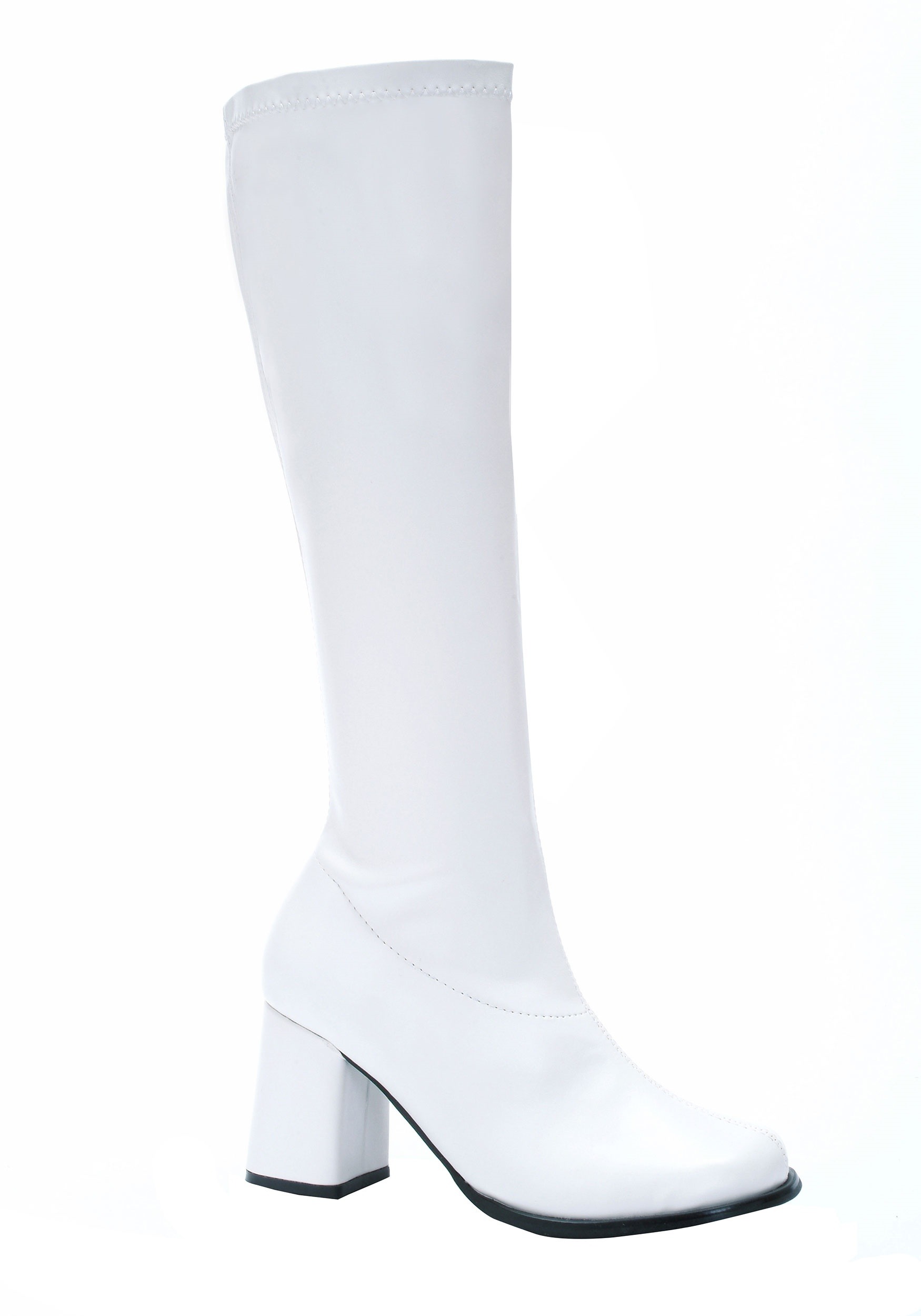
The architectural foundation of the go-go boot brand was laid by French designer André Courrèges in 1964. Courrèges did not just design a shoe; he designed a brand asset. His original “Moon Boots” were white, mid-calf, and made of leather—designed to be functional yet alien. By stripping away the ornamentation of previous decades, Courrèges created a minimalist “visual lexicon” that was instantly identifiable. In branding terms, this was the creation of a “signature asset.” Just as a specific shade of blue identifies Tiffany & Co., the stark white, low-heeled boot became the visual anchor for the Courrèges brand identity.
Visual Consistency as a Brand Pillar
One of the core tenets of successful branding is consistency. The go-go boot achieved this by maintaining a specific silhouette: a height that stopped below the calf, a square or rounded toe, and a low block heel. This consistency allowed the product to be “branded” in the mind of the consumer regardless of who the specific manufacturer was. As the design was licensed and imitated, the “Go-Go” name became a generic trademark, similar to Kleenex or Xerox. It represented a specific standard of modernism that helped consumers navigate the rapidly changing retail environment of the mid-60s.
2. Marketing the “Mod” Movement: Positioning for a New Demographic
A brand is only as strong as its connection to its target audience. The go-go boot was strategically positioned to capture the burgeoning “youth market”—a demographic that, for the first time in history, had significant disposable income and a desire to differentiate itself from the previous generation.
The Power of Association and Celebrity Endorsement
The go-go boot’s rise to the top of the cultural hierarchy was fueled by what we would today call “influencer marketing.” The most notable example is Nancy Sinatra’s 1966 hit, “These Boots Are Made for Walkin’.” This was more than a musical success; it was a high-impact marketing campaign. Sinatra’s image—decked out in go-go boots while asserting her independence—repositioned the boots from a niche fashion item to a symbol of the “New Woman.”
This strategic association allowed the product to absorb the values of the “Mod” movement: speed, liberation, and modernity. For a brand manager, this is the ultimate goal—to have a product move beyond its functional utility (keeping feet dry) and into the realm of “identity signaling.”
Positioning for the “Space Age”
The 1960s were dominated by the Space Race, and the go-go boot’s branding leaned heavily into this narrative. By using materials like PVC and patent leather—substances that looked “high-tech” and industrial—the product was marketed as the footwear of the future. The boots were frequently featured in science fiction media, such as Star Trek, further cementing their brand identity as the official uniform of a progressive, technologically advanced society. This alignment with a broader cultural narrative is a classic marketing strategy used to ensure long-term relevance.

3. The Lifecycle of a Trend Brand: Adaptation and Longevity
Every brand faces the challenge of the “Product Lifecycle”—the journey from introduction and growth to maturity and, eventually, decline. The go-go boot provides a fascinating look at how a brand can survive through “Nostalgia Branding” and periodic reinvention.
Adapting to Market Shifts
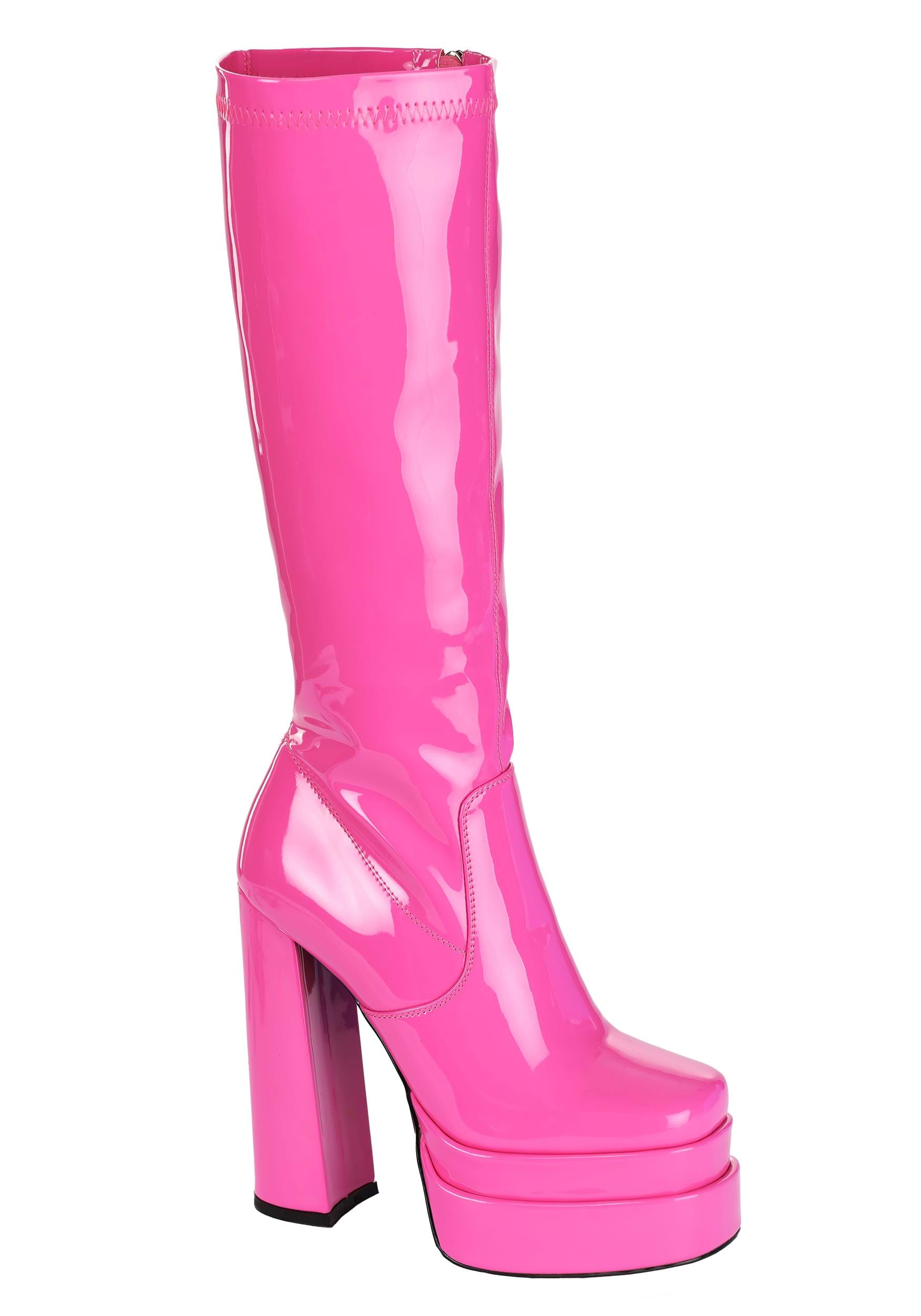
By the late 1960s, the go-go boot had reached market saturation. To maintain consumer interest, brand managers and designers had to pivot. The boots evolved in height (reaching over the knee) and color (moving from sterile white to psychedelic neons). This is a textbook example of “brand extension.” By modifying the core product while keeping the essential “Go-Go” DNA, manufacturers were able to squeeze several more years of high-volume sales out of a trend that should have logically expired.
The Nostalgia Play: Why the Brand Persists
In the 1990s and again in the 2020s, the go-go boot saw a resurgence. This is not merely a cycle of fashion, but a strategic use of “Heritage Branding.” Modern brands like Prada and Ganni often reach back into the archives to revive the go-go boot silhouette. They are leveraging the “brand equity” built in the 1960s—associations with freedom, boldness, and retro-futurism—to sell to a new generation. When a consumer buys a pair of white patent leather boots today, they aren’t just buying a shoe; they are buying the “legacy” of the 1960s brand.
4. Lessons for Modern Brand Managers and Designers
What can today’s corporate strategists and marketers learn from the go-go boot? The success of this item offers several timeless insights into brand development and market penetration.
Creating “Signature” Brand Assets
The most successful brands are those that own a specific visual or conceptual space. Just as the go-go boot “owned” the concept of the modern female footwear of the 60s, modern tech brands like Apple own the “minimalist white” aesthetic. The lesson here is that simplicity and high contrast (like the white boot against a dark dress) create high recall. Brands should strive to develop a “hero product” that is so distinct it can be recognized by its silhouette alone.
Leveraging Cultural Relevancy and Social Movement
The go-go boot did not exist in a vacuum; it rode the wave of second-wave feminism and the technological optimism of the era. A brand that aligns itself with a positive social shift or a major technological advancement gains “cultural capital” that money cannot buy. For a modern brand, this might mean aligning with sustainability or AI integration. If your brand becomes the “uniform” or the “tool” of a movement, its market longevity is virtually guaranteed.
The Importance of Versatility in Design
Despite its bold look, the go-go boot was surprisingly versatile. It could be worn with miniskirts, trousers, or evening wear. This versatility allowed it to penetrate different market segments, from the high-end luxury buyer to the suburban teenager. In brand strategy, this is known as “broad market appeal without brand dilution.” By maintaining a core identity while being adaptable to different “use cases,” the go-go boot avoided being pigeonholed as a niche costume piece for far longer than its contemporaries.
Conclusion: The Lasting Legacy of the Go-Go Brand
What are go-go boots? They are more than just footwear; they are a sophisticated example of 20th-century branding. They demonstrate how a product can be engineered for a specific cultural moment, marketed through high-impact celebrity association, and sustained through decades of heritage-based reinvention.
For professionals in brand strategy, marketing, and design, the go-go boot serves as a reminder that the most powerful brands are those that offer a vision of the future while remaining firmly rooted in the desires of the present. Whether it is through the use of innovative materials, strategic celebrity partnerships, or the creation of an unmistakable visual identity, the principles that made the go-go boot a global phenomenon remain the gold standard for building an iconic brand today. In an era of fleeting digital trends, the go-go boot stands as a testament to the power of a well-executed brand identity—one that truly was “made for walkin'” through the decades.
aViewFromTheCave is a participant in the Amazon Services LLC Associates Program, an affiliate advertising program designed to provide a means for sites to earn advertising fees by advertising and linking to Amazon.com. Amazon, the Amazon logo, AmazonSupply, and the AmazonSupply logo are trademarks of Amazon.com, Inc. or its affiliates. As an Amazon Associate we earn affiliate commissions from qualifying purchases.