
In the contemporary marketplace, a one-size-fits-all branding strategy is a relic of the past. To build a brand that resonates, scales, and maintains loyalty, business leaders must understand the nuances of the people they serve. Demographic segmentation, specifically through the lens of generational cohorts, provides a roadmap for understanding collective behaviors, values, and purchasing triggers.
The concept of “generations” goes beyond simple age brackets. It encompasses shared historical experiences, cultural shifts, and technological milestones that shape a group’s worldview. For brand strategists and marketers, knowing the specific years and names of these generations is only the first step; the real work lies in deciphering how to communicate your corporate identity to each unique group effectively.
Understanding the Generational Landscape: Defining Names and Dates
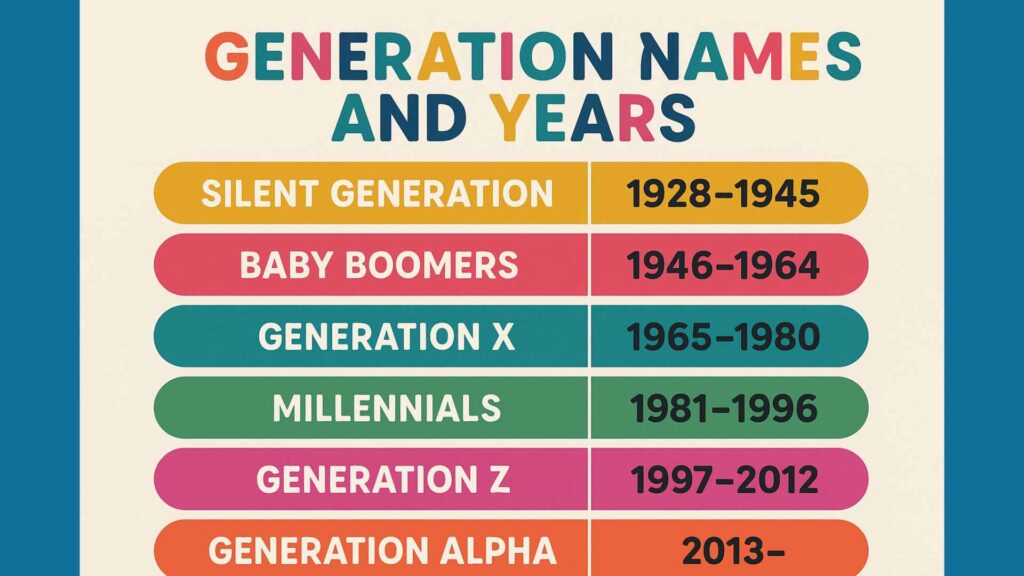
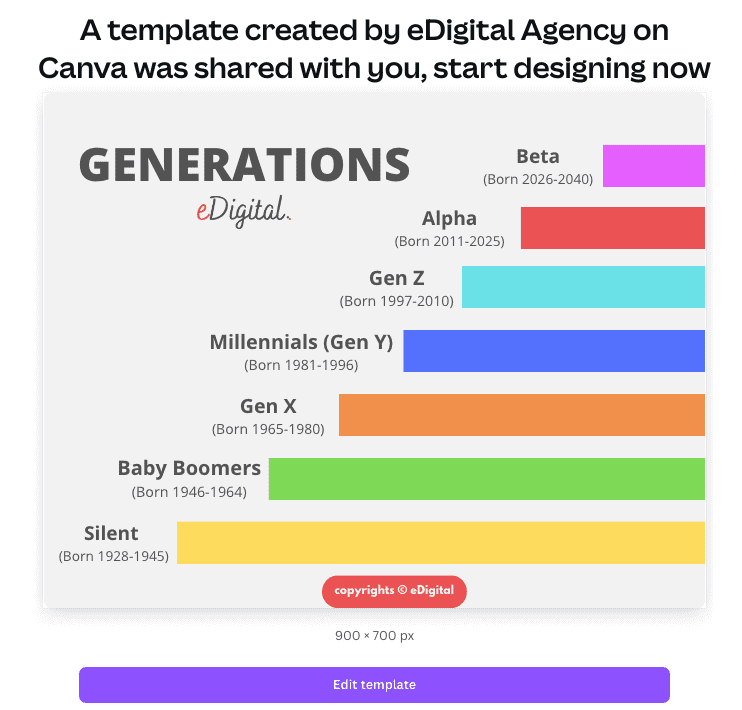
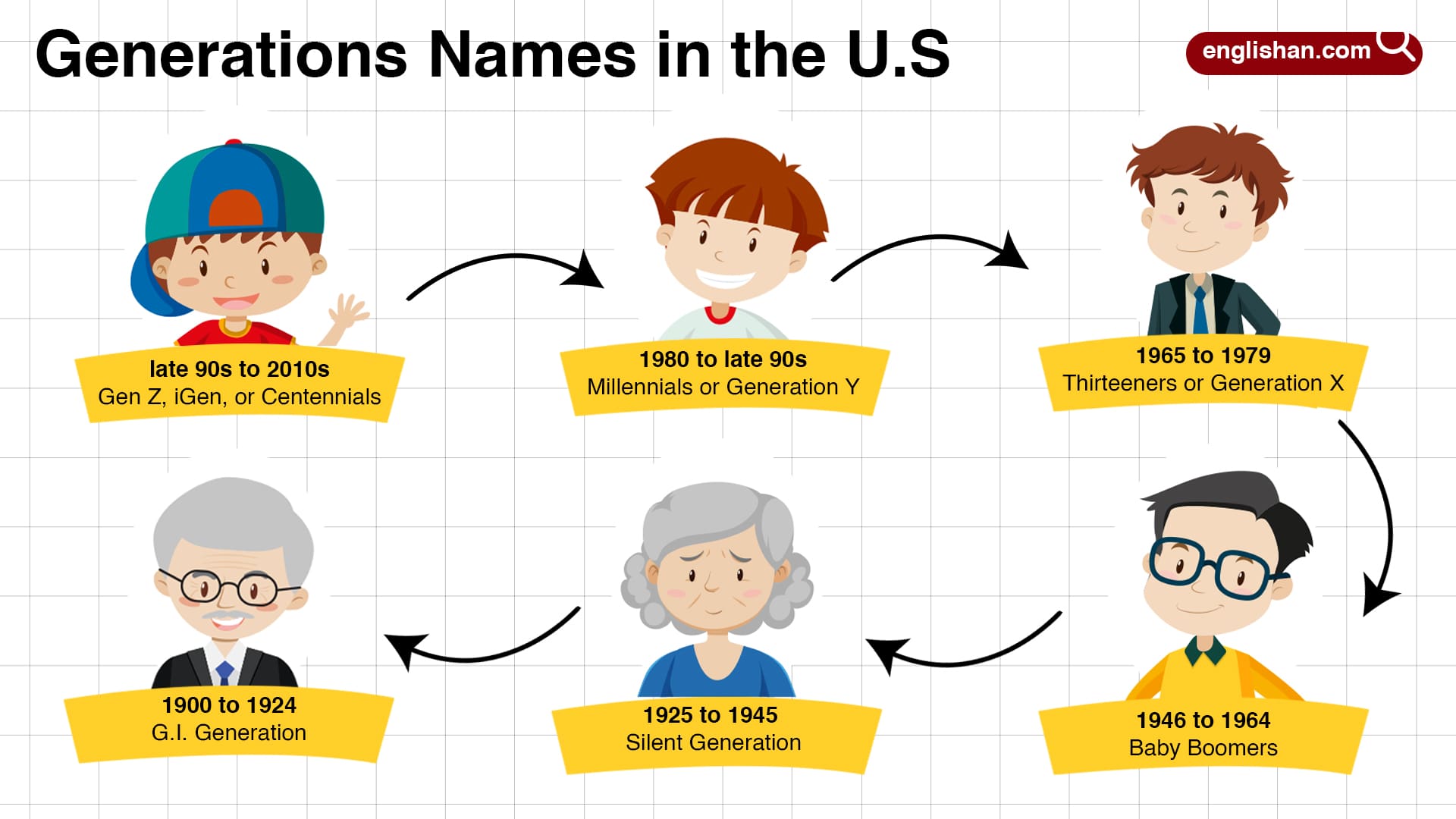
To implement an effective brand strategy, we must first establish the chronological boundaries of the primary consumer groups. While various sociological institutions—such as the Pew Research Center—may offer slight variations, the following ranges are the industry standards for marketing and demographic analysis.
The Silent Generation and Baby Boomers: Building Trust and Heritage
The Silent Generation (born 1928–1945) and Baby Boomers (born 1946–1964) represent the elder statesmen of the consumer market. From a brand strategy perspective, these groups often control a significant portion of disposable income and household wealth.
For the Silent Generation, branding should focus on reliability, security, and tradition. They grew up in an era of post-war recovery, valuing stability. Baby Boomers, on the other hand, were the original “disruptors” of the mid-20th century. When targeting Boomers, brands should emphasize status, health, and high-quality service. They respond well to brand identities that acknowledge their accomplishments and offer premium experiences.
Gen X and Millennials: The Bridge Between Analog and Digital
Generation X (born 1965–1980) is often referred to as the “latchkey generation.” They are skeptical of overt marketing and value independence and authenticity. In terms of brand design, Gen X prefers straightforward, no-nonsense communication. They were the first to transition from analog to digital, making them tech-savvy but still appreciative of traditional media.
Millennials (born 1981–1996), currently the largest workforce demographic, shifted the branding paradigm entirely. This cohort pioneered the “experience economy.” For a brand to win over a Millennial, it must demonstrate a purpose beyond profit. Corporate social responsibility (CSR) and a strong online presence are non-negotiable for this group. They are the bridge that turned the internet into a primary marketplace.
Gen Z and Gen Alpha: The Future of Brand Identity
Generation Z (born 1997–2012) and Generation Alpha (born early 2010s–mid 2020s) are the first true digital natives. For Gen Z, the digital world is not a “tool”—it is their reality. They prioritize diversity, sustainability, and radical transparency. Brand strategy for Gen Z must be “social-first,” focusing on platforms like TikTok and Instagram where visual storytelling is paramount.
Generation Alpha, though still young, is already influencing billions in household spending. They are growing up in a world of AI and hyper-personalization. For brands looking at long-term corporate identity, preparing for Alpha means investing in interactive, gamified, and highly immersive brand experiences.
The Psychology of Generational Branding
Understanding the “years” is a matter of data; understanding the “why” is a matter of strategy. To build a brand that sticks, you must align your corporate identity with the psychological drivers of your target cohort.
Values-Based Branding for Younger Cohorts
Millennials and Gen Z have fundamentally changed how brands are perceived. For these groups, a brand is an extension of their personal identity. If a brand’s values do not align with their own—specifically regarding social justice, environmental sustainability, and ethical labor—they will not hesitate to “cancel” the brand or switch to a competitor.
Strategic branding for these groups requires a “bottom-up” approach. Instead of telling the consumer what they need, brands must listen to what the consumer values. This has led to the rise of “community-centric branding,” where the goal is to foster a sense of belonging. Design elements for these cohorts often lean toward minimalism, inclusivity, and “unfiltered” aesthetics that feel more human and less corporate.
Reliability and Status for Established Generations
In contrast, Boomers and Gen X often look for “provenance” and “performance.” For these cohorts, brand strategy should highlight the history of the company, the durability of the product, and the efficiency of the service. They are less interested in a brand’s political stance and more interested in its “value proposition”—what is the tangible benefit?
Design for older generations should prioritize clarity and accessibility. This includes everything from legible typography in marketing materials to intuitive user interfaces (UI) in digital apps. A brand that feels “faddish” or overly experimental may alienate these high-spending groups, who view consistency as a hallmark of quality.
Communication Channels: Where Each Generation Interacts with Brands
A brilliant brand strategy is useless if it is deployed on the wrong channel. Each generation has a preferred “digital neighborhood,” and your marketing efforts must meet them where they live.
Traditional Media vs. Social Commerce
While Baby Boomers still engage with traditional media—such as television, print, and direct mail—they are also the fastest-growing demographic on Facebook. A successful brand strategy for this group often uses a “multi-channel” approach, blending the tangibility of physical mail with the convenience of a well-optimized website.
Gen X is the king of email marketing. They appreciate the professional distance of a curated newsletter and are highly likely to conduct deep research before making a purchase. For Gen X, your brand identity needs to be consistent across your website, LinkedIn, and professional reviews.
Millennials and Gen Z, however, have shifted toward “social commerce.” They discover brands through influencers, social media ads, and peer recommendations. For these cohorts, the “brand” isn’t just the product; it’s the conversation happening about the product on Reddit, TikTok, or YouTube.
The Rise of Short-Form Video and Authenticity
The visual language of branding has changed. Where high-production, glossy commercials used to be the gold standard, Gen Z and Gen Alpha prefer “Lo-Fi” content. They want to see the people behind the brand. Behind-the-scenes footage, employee stories, and unedited videos are more effective at building trust than a multi-million dollar ad campaign.
This shift requires a change in brand design. Modern corporate identities must be flexible enough to work as a tiny profile picture on a smartphone and as a dynamic, moving element in a 15-second video. The brand’s “voice” must be conversational and authentic, moving away from the “corporate-speak” that defined 20th-century marketing.
Future-Proofing Your Brand Strategy
The most successful brands do not just target one generation; they find a way to bridge the gaps. This is the hallmark of iconic brands like Nike, Apple, and Coca-Cola. They have a core identity that remains stable while their tactical marketing pivots to meet the needs of different age groups.
Data-Driven Personalization
The future of brand strategy lies in personalization. By using data analytics, brands can now segment their messaging so that a 60-year-old Boomer and a 20-year-old Gen Zer see different versions of the same brand story—tailored to their specific generational triggers.
For example, a luxury skincare brand might market to a Boomer by focusing on “restorative health and longevity,” while marketing the same product to a Millennial as “self-care and ethically sourced ingredients.” The product remains the same, but the brand narrative shifts.
Cross-Generational Appeal
While it is important to understand generational years and names, the ultimate goal of sophisticated branding is to create a “timeless” appeal. This involves identifying universal human truths—the desire for connection, the need for efficiency, or the pursuit of happiness—and weaving them into the brand’s DNA.
To future-proof your brand, you must remain agile. The transition from Gen Z to Gen Alpha is happening now, and the brands that succeed will be those that can adapt their design, their message, and their strategy without losing their core identity.
In conclusion, generational names and years are more than just chronological markers. They are the keys to understanding the diverse tapestry of the global market. By tailoring your brand strategy, marketing efforts, and corporate identity to the specific needs and values of each cohort, you can build a business that not only survives the passage of time but thrives across generations.
aViewFromTheCave is a participant in the Amazon Services LLC Associates Program, an affiliate advertising program designed to provide a means for sites to earn advertising fees by advertising and linking to Amazon.com. Amazon, the Amazon logo, AmazonSupply, and the AmazonSupply logo are trademarks of Amazon.com, Inc. or its affiliates. As an Amazon Associate we earn affiliate commissions from qualifying purchases.