
Steam, Valve’s ubiquitous digital storefront and gaming platform, is a complex ecosystem brimming with features designed to enhance the PC gaming experience. Beyond purchasing and playing games, users can engage with a vibrant community, customize their profiles, and participate in a unique in-platform economy. Among the lesser-understood elements within this intricate system are Steam Gems. Often encountered by users when clearing out their inventory or exploring community features, gems serve a specific, strategic purpose within Steam’s digital landscape, primarily revolving around the platform’s extensive crafting and trading card system. Understanding their utility is key to fully navigating the technological features and economic nuances of the Steam client.
Decoding Steam Gems: An Overview of Their Purpose
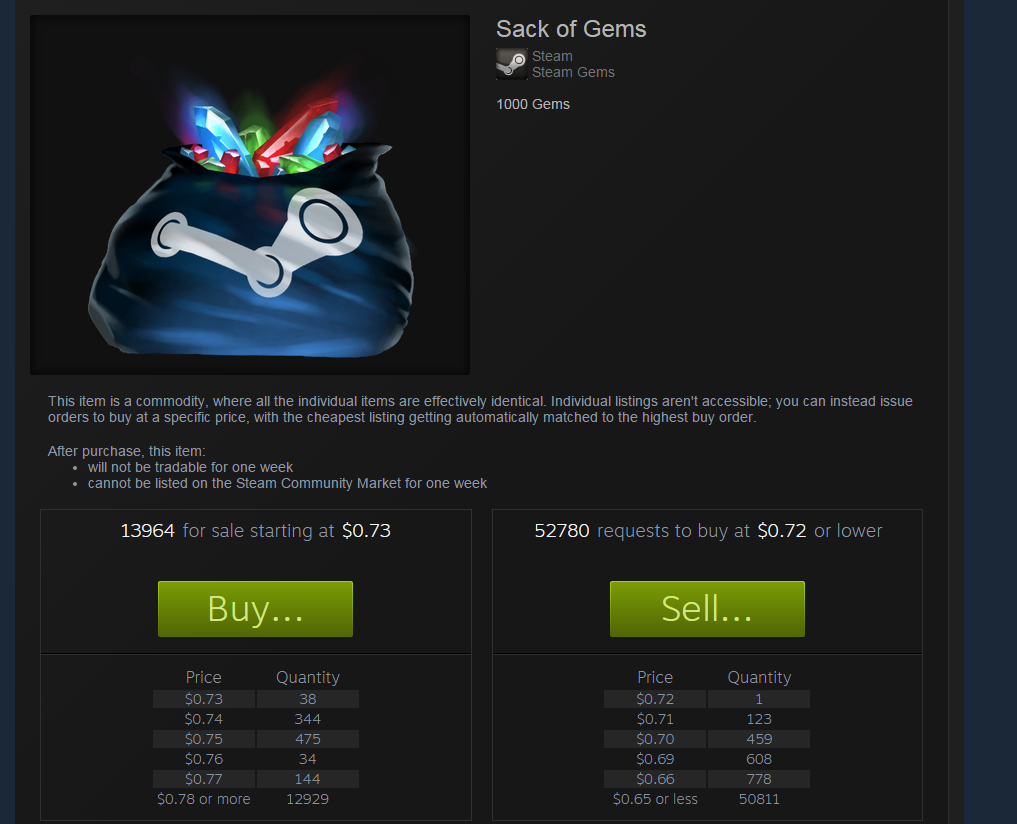
Steam Gems are a unique digital resource on the Steam platform, distinguishing themselves from Steam Wallet funds which are directly tied to real-world currency. Unlike wallet funds, gems cannot be directly purchased or sold for cash on the Steam Community Market. Instead, they are generated exclusively through the conversion of eligible inventory items. This mechanism positions gems not as a primary currency, but as a secondary, recycled resource, giving value to digital items that users might otherwise consider junk.
Valve introduced Steam Gems as part of broader initiatives to enrich the platform’s meta-game elements, particularly concerning Steam Trading Cards and badges. The concept was to provide an alternative use for duplicate or unwanted items—such as emoticons, profile backgrounds, and especially trading cards—that accumulate in a user’s inventory over time. Rather than letting these items languish, users can transform them into a standardized unit: gems. This conversion process is irreversible and assigns a specific gem value to each item, with rarer or more desirable items typically yielding more gems. The existence of gems adds a layer of economic abstraction, allowing users to consolidate disparate digital assets into a single, fungible resource.
The Primary Utility: Crafting Booster Packs
At the core of Steam Gems’ functionality is their integral role in the creation of Steam Booster Packs. This mechanism is the principal reason for their existence and offers a direct path for users to progress their Steam profile levels and collect rare items.
Understanding Booster Packs
Booster Packs are consumable items on Steam that, when opened, yield three random Steam Trading Cards for a specific game. These cards are instrumental in completing “sets” for particular games. Once a set of cards for a game is complete, a user can “craft” a game badge, which in turn grants experience points towards their Steam profile level, often provides a random emoticon and profile background related to the game, and sometimes offers a coupon for another game. Higher Steam levels unlock more customization options, increase the drop rate of additional booster packs for other games, and signal a user’s dedication to the platform. Booster packs, therefore, are a direct route to leveling up and enhancing one’s Steam profile.
The Crafting Process
To craft a booster pack using gems, users navigate to their badges page and select a game for which they wish to create a pack. Provided they have enough gems, they can initiate the crafting process. The gem cost for a booster pack is not static; it dynamically adjusts based on the game’s popularity, the current market value of its trading cards, and the total number of gem sets (or “gem value”) contributed by other users to that specific game’s booster pack pool. Generally, games with more valuable or sought-after trading cards will have a higher gem cost for their booster packs.
Once crafted, the booster pack is immediately added to the user’s inventory, ready to be opened. A significant technological constraint built into the system is a 24-hour cooldown for crafting booster packs for the same game. This limitation prevents rapid, successive crafting for a single title and encourages users to distribute their gem spending across various games or to wait for the cooldown to expire. This design choice helps maintain some scarcity in the trading card market and prevents potential abuse of the system.
Strategic Considerations for Crafting
The decision of which booster pack to craft is often a strategic one, influenced by both personal goals and market dynamics. Users might prioritize crafting packs for games where they are close to completing a badge, thus saving them the effort or cost of acquiring the remaining cards through the Community Market. Alternatively, some users may target games whose trading cards are known to sell for a relatively high price on the market, hoping to acquire valuable cards that can be sold for Steam Wallet funds. This introduces an element of risk and reward, as the cards received from a booster pack are random. Analyzing current market prices for individual cards before crafting can help inform these decisions, optimizing the potential return on gem investment.
Beyond Booster Packs: The Gem Market and Community Impact
While crafting booster packs is the primary and most direct use of Steam Gems, their existence also subtly influences the broader Steam Community Market and provides an alternative form of value for digital assets.
Listing Items for Gems
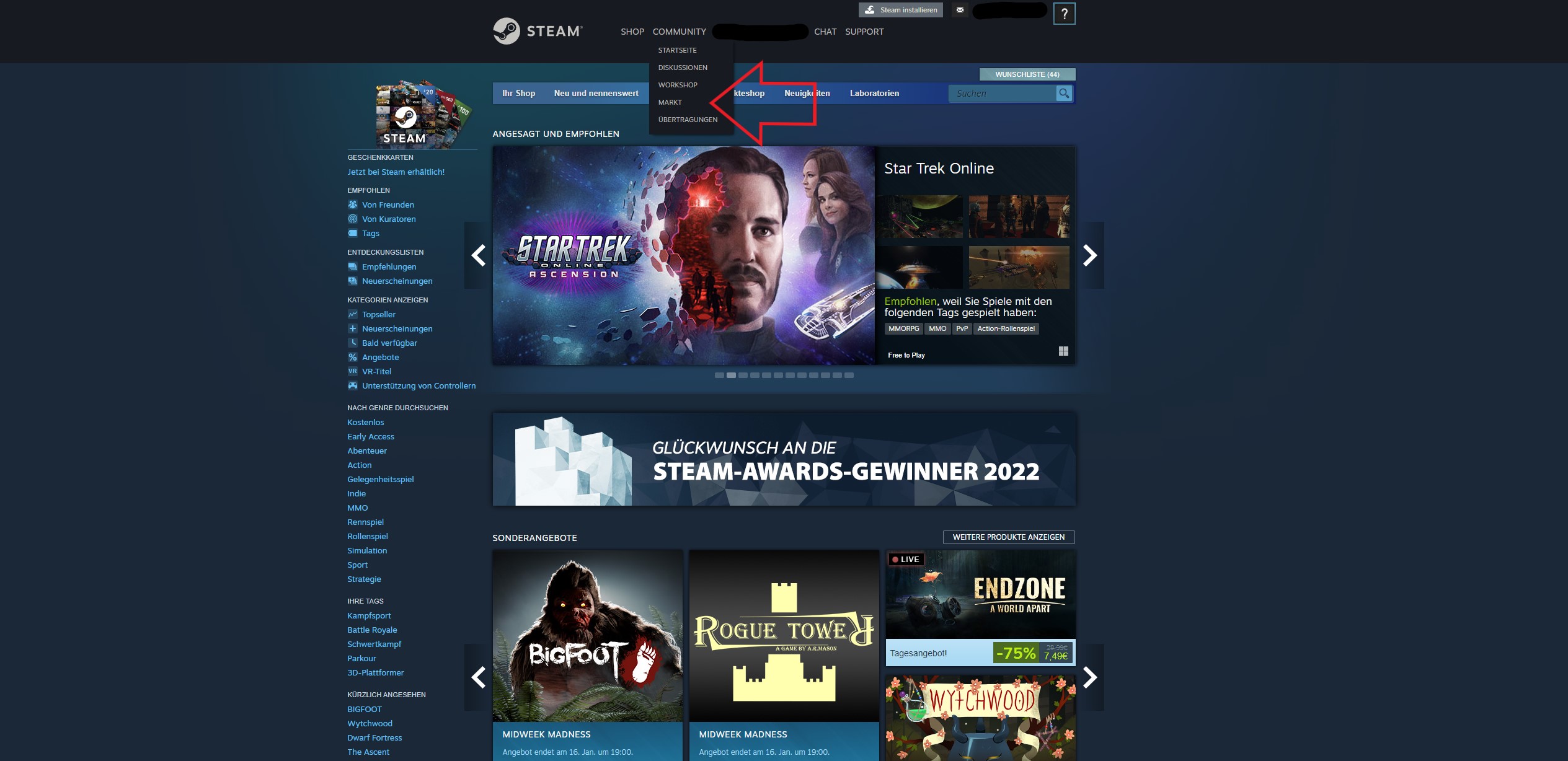
Technically, Steam introduced a feature allowing users to directly list items for sale using gems as the currency, similar to how items are listed for Steam Wallet funds. However, this functionality has seen limited adoption and is not a common transaction method on the main Community Market. Most users prefer to convert unwanted items into gems and then use those gems for booster packs, or they sell their items directly for Steam Wallet funds. The direct gem-for-item market functions more as a niche within the broader Steam economy, primarily used by those deeply entrenched in the gem system for very specific trades.
The Steam Community Market Ecosystem
Gems indirectly play a crucial role in the health and liquidity of the Steam Community Market, particularly for low-value digital items. Without the ability to convert items into gems, countless trading cards, emoticons, and backgrounds that have virtually no market value in Steam Wallet funds would simply accumulate in inventories, serving no purpose. The gem conversion system provides a baseline floor value for these otherwise worthless assets. By offering a way to “recycle” these items into gems, Valve ensures that every eligible item, no matter how inexpensive, retains some utility. This prevents market stagnation for ultra-low-cost items and provides a continuous flow of resources into the booster pack crafting system. It transforms digital clutter into a valuable, albeit secondary, resource.
Practical Strategies for Acquiring and Utilizing Gems
For any Steam user looking to make the most of their digital inventory, understanding efficient gem acquisition and strategic utilization is key to leveraging this unique platform feature.
Efficient Gem Acquisition
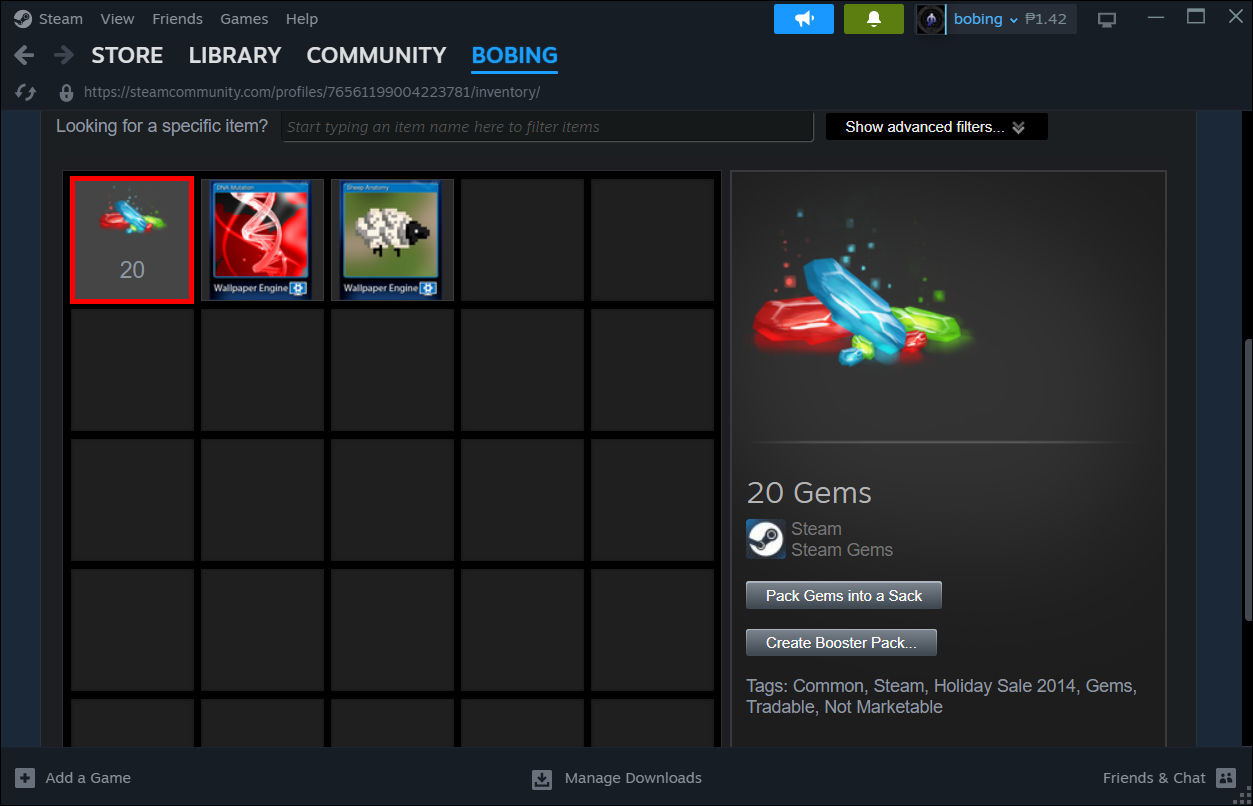
The most straightforward method for acquiring gems is to convert unwanted or duplicate inventory items. This primarily includes Steam Trading Cards, emoticons, and profile backgrounds. Users can access their inventory, select an item, and choose the “Convert to Gems” option. Steam will then display the gem value for that item. It’s crucial to exercise discretion here:
- Prioritize Low-Value Items: Items that fetch very little on the Steam Community Market (e.g., less than 0.03-0.05 USD) are prime candidates for conversion. Their market value is so minimal that converting them to gems often provides more practical utility than attempting to sell them.
- Avoid Converting Valuable Items: Conversely, think twice before converting items that have a significant market value. If an item can sell for a substantial amount of Steam Wallet funds, converting it to gems often represents a financial loss, as the gem value typically doesn’t equate to the direct monetary potential.
- Batch Conversion Tools: For users with vast inventories, third-party browser extensions or Steam inventory management tools can streamline the process of identifying and converting items to gems in bulk, saving considerable time. These tools often allow users to set parameters, such as converting all items below a certain market value.
Maximizing Gem Utility
Once a respectable pile of gems has been accumulated, strategic deployment becomes the next step. The goal is to maximize the return, whether that’s in profile experience, valuable trading cards, or specific cosmetic items.
- Target High-Value Card Games: Research which games currently have trading cards that sell for higher prices on the Steam Community Market. Crafting booster packs for these games increases the odds of receiving cards that can be sold for more Steam Wallet funds, effectively converting gems into marketable currency.
- Complete Near-Finished Badges: If you are only one or two cards away from completing a game’s badge, crafting a booster pack for that game can be a very efficient way to acquire the missing cards without directly purchasing them. This accelerates profile leveling.
- Consider Seasonal Events: During Steam’s major sales events (Summer Sale, Winter Sale), specific event-related trading cards and badges often become available. Gems can sometimes play a role in obtaining these, either directly or indirectly, by providing resources for trading.
- Balancing Immediate Use vs. Holding: While gems don’t depreciate in value themselves, the cost of booster packs can fluctuate. There’s no inherent advantage to hoarding gems indefinitely unless a new, highly anticipated use case is rumored. Generally, it’s efficient to use them when you have a clear goal: boosting a profile, selling cards, or filling out a badge.
The Role of Gems in the Steam Economy and User Experience
Steam Gems are more than just a peripheral feature; they are an ingenious technological solution that addresses inventory clutter, adds depth to the platform’s meta-game, and subtly influences user engagement and behavior.
A Unique Economic Layer
Gems introduce a distinct, non-monetary economic layer within Steam. They effectively create a circular economy for digital assets, where unwanted items can be “recycled” into a consolidated resource, which is then used to generate new tradable assets (trading cards). This system prevents millions of low-value items from becoming completely stagnant and offers an alternative form of liquidity for digital goods. It functions as a “material handler” for the platform’s digital trash, transforming it into fuel for the badge crafting system. This layer operates alongside, but distinct from, the direct monetary transactions of the Steam Community Market.
Enhancing User Engagement
For many users, especially those invested in their Steam profile level and customization, gems provide a tangible incentive to manage their inventory actively. Rather than simply dismissing common drops as worthless, users are encouraged to convert them into gems, thereby engaging more deeply with the platform’s features. This engagement translates into more completed badges, higher profile levels, and access to more profile customizations like rare backgrounds and emoticons. It fosters a sense of achievement and progression that extends beyond simply playing games, making the Steam experience more holistic and rewarding for dedicated users.
Future Implications and Platform Evolution
Valve’s continuous evolution of the Steam platform suggests that the utility of gems, while currently focused on booster packs, could potentially expand in the future. As Steam explores new features and functionalities, gems might find new applications, perhaps in unique cosmetic item crafting, exclusive event participation, or other forms of digital asset conversion. Their existence provides Valve with a flexible, internal resource that can be integrated into future technological innovations, ensuring that even the most seemingly minor features can adapt and contribute to the platform’s ongoing development. Understanding gems today prepares users for whatever new possibilities Valve may introduce, allowing them to leverage these digital assets effectively in the ever-evolving Steam ecosystem.
aViewFromTheCave is a participant in the Amazon Services LLC Associates Program, an affiliate advertising program designed to provide a means for sites to earn advertising fees by advertising and linking to Amazon.com. Amazon, the Amazon logo, AmazonSupply, and the AmazonSupply logo are trademarks of Amazon.com, Inc. or its affiliates. As an Amazon Associate we earn affiliate commissions from qualifying purchases.