
In the rapidly evolving landscape of information technology, the term “gauze” has transcended its traditional medical definition to represent a sophisticated architectural metaphor in digital infrastructure. When tech architects and network engineers refer to “digital gauzes” or “mesh fabrics,” they are describing the intricate, interconnected layers of decentralized networks that allow for seamless data flow, heightened security, and robust redundancy.
A digital gauze is essentially a high-density mesh network—a web of interconnected nodes that communicate directly with one another without the necessity of a centralized hub. This paradigm shift from centralized star-topologies to decentralized gauze-like structures is currently redefining how we approach everything from Internet of Things (IoT) ecosystems to cloud-native application security.
Understanding the Digital Gauze: Core Architecture of Mesh Networks
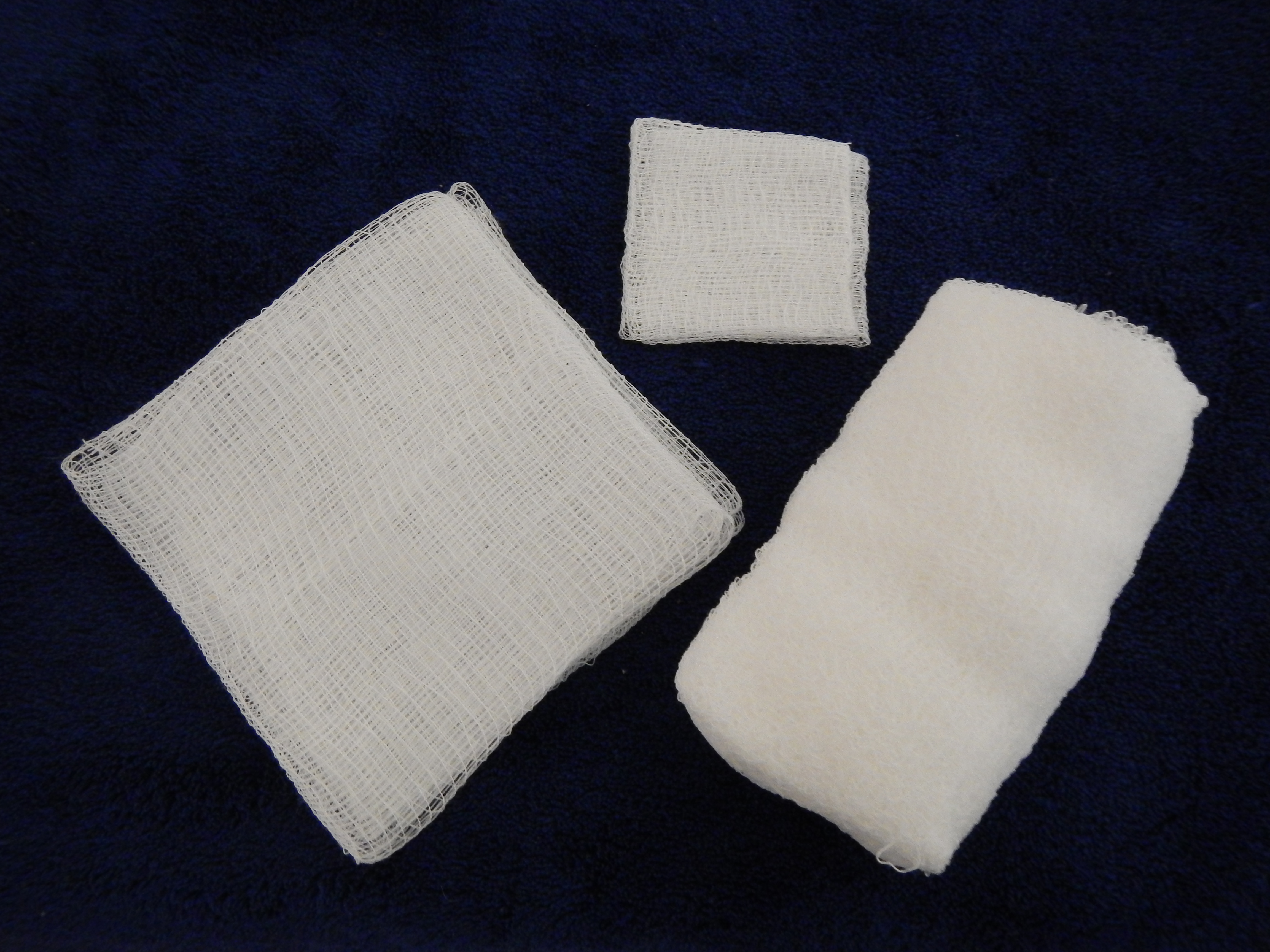
At its heart, a digital gauze is defined by its lack of a single point of failure. Unlike traditional networks where a central router governs all traffic, a gauze-like structure distributes intelligence across every participating device. This “fine-weave” connectivity ensures that data can take multiple paths to reach its destination, much like liquid passing through a physical gauze.
Node-to-Node Interconnectivity
In a digital gauze environment, every device functions as both a client and a router. This is the fundamental building block of Mesh Networking. When a new device (a node) enters the network, it automatically identifies and links with its nearest neighbors. This creates a dense fabric of connections. Because the nodes are in constant communication, the network “knows” its own shape at any given moment. This interconnectivity is vital for modern smart home ecosystems and large-scale industrial sensor arrays, where hundreds of devices must maintain uptime in complex physical environments.
Self-Healing and Dynamic Reconfiguration
One of the most profound advantages of gauze-based architecture is its self-healing capability. In a standard corporate network, if the central switch fails, the entire department goes offline. In a digital gauze, if one node drops out—perhaps due to a hardware failure or signal interference—the surrounding nodes immediately recalculate the most efficient path for data to travel. This dynamic reconfiguration happens in milliseconds, ensuring that the “fabric” of the network remains intact. This resilience makes gauze architectures the gold standard for mission-critical deployments in disaster recovery and remote military communications.
Gauze as a Security Layer: Obfuscation and Data Protection
Beyond physical connectivity, “gauze” refers to a specific approach to cybersecurity known as micro-segmentation and service mesh security. In this context, the gauze acts as a protective filter that sits between the infrastructure and the application layer, monitoring and securing every individual interaction between microservices.
Zero-Trust Architectures
Modern digital security has moved away from the “castle and moat” strategy toward a “Zero-Trust” model. Gauze-like security structures are the primary facilitators of this. By applying a fine-grained layer of authentication to every single node-to-node transaction, the gauze ensures that even if one device is compromised, the breach cannot “bleed” through to the rest of the network. Each thread of the gauze represents an encrypted tunnel, meaning that lateral movement for a hacker becomes nearly impossible.
Micro-segmentation: Creating the “Weave”
Micro-segmentation is the process of dividing a data center or cloud environment into thousands of tiny, isolated zones. When we visualize this, it looks exactly like a gauze: a tight grid where each square is its own security domain. This prevents the spread of ransomware and other malware. By using software-defined “gauzes,” IT administrators can apply specific security policies to individual workloads rather than the entire network. This granular control is essential for brands handling sensitive customer data or financial institutions protecting high-frequency trading algorithms.
The Role of AI in Managing Digital Gauzes
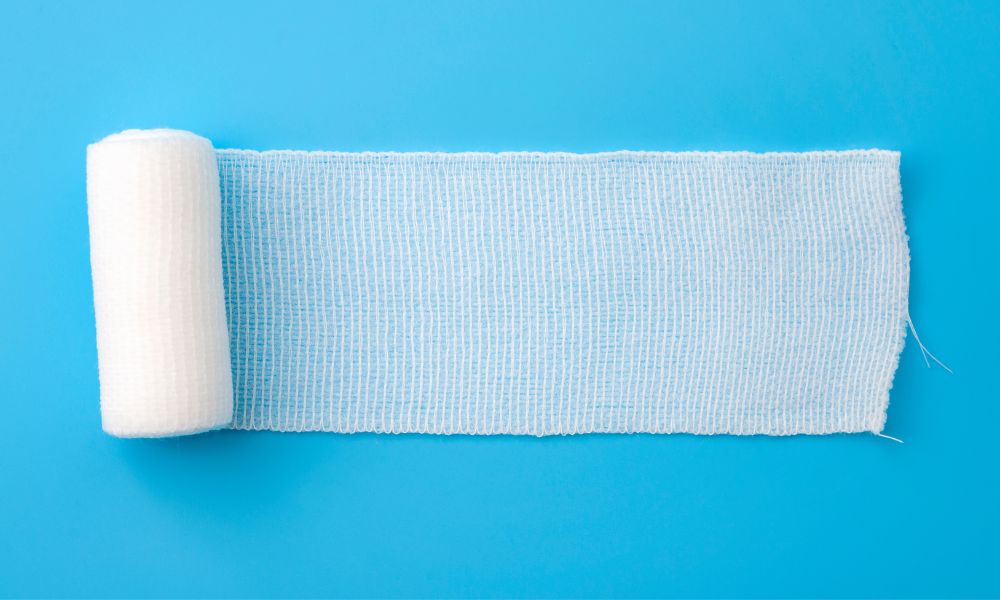
As these digital fabrics become denser and more complex, human management becomes impossible. This is where Artificial Intelligence (AI) and Machine Learning (ML) act as the “automated loom,” constantly weaving and repairing the network.
Predictive Routing and Traffic Optimization
AI algorithms are now being integrated directly into the gauze architecture to manage traffic flow. By analyzing historical data patterns, an AI-managed mesh can predict when a specific node will become congested and preemptively reroute traffic through underutilized “threads” of the gauze. This is particularly relevant in the era of 5G and 6G, where the sheer volume of data moving through the air requires real-time, intelligent orchestration to prevent latency.
Automated Threat Detection within the Mesh
When security is handled at the gauze level, AI can monitor for anomalies in real-time. If a single node begins behaving strangely—perhaps by attempting to send large volumes of data to an unknown external IP—the AI can “cauterize” that specific section of the gauze. This automated response happens at a speed no human operator could match, effectively neutralizing threats before they can escalate into full-scale data breaches.
Industry Applications: From Smart Cities to Industrial IoT
The implementation of gauze-based technology is not a theoretical exercise; it is currently powering the next generation of global infrastructure. By moving away from central servers toward a distributed fabric, industries are achieving levels of efficiency previously thought unattainable.
Edge Computing and the Proliferation of Sensors
In a smart city, thousands of sensors monitor traffic, air quality, and energy consumption. Using a traditional centralized cloud model would create massive latency issues. Instead, these cities employ “Edge Gauzes.” By processing data at the “edge” of the network—on the sensors themselves or on local mesh gateways—the system can make instantaneous decisions. For example, a traffic light can change based on real-time vehicle flow detected by a nearby camera without needing to wait for a signal from a distant data center.
Decentralized Web (Web3) and the Future of Connectivity
The evolution of the internet itself is moving toward a gauze structure. Web3 and decentralized protocols aim to remove the “middleman” of Big Tech servers. In this future, the internet becomes a global gauze of peer-to-peer connections. This democratization of data ensures that no single entity can “turn off” the internet or censor information, as the data exists across the entire fabric rather than in a single location. For technology trends, this represents the ultimate maturation of the mesh concept.
Challenges and the Future of High-Density Gauze Systems
Despite the overwhelming benefits, the transition to gauze-like digital structures is not without its hurdles. Managing a fabric with millions of connection points introduces new complexities in terms of synchronization and standardization.
Overcoming Latency in Complex Meshes
While gauze networks are resilient, they can sometimes suffer from “multi-hop” latency. If a data packet has to pass through twenty different nodes to reach its destination, the cumulative delay can become an issue for time-sensitive applications like remote surgery or autonomous driving. Engineers are currently working on “Shortest Path” protocols and hardware acceleration to ensure that the density of the gauze does not impede the speed of the data.

Standardizing Protocols for Global Scalability
For a global digital gauze to work, devices from different manufacturers must be able to “speak” to each other seamlessly. Currently, the industry is seeing a battle between various protocols (such as Matter for smart homes or various 5G-Advanced standards). The future of the “Gauze” depends on universal standards that allow a Samsung sensor, a Cisco router, and a Tesla vehicle to all function as part of a single, cohesive fabric.
In conclusion, when we ask “what are gauzes” in the context of modern technology, we are asking about the future of connectivity itself. We are moving away from rigid, fragile lines of communication toward a flexible, resilient, and intelligent fabric. This digital gauze is what will support the weight of the AI revolution, the expansion of the IoT, and the next generation of secure, decentralized digital experiences. As we continue to weave this global mesh, the distinction between “the network” and “the device” will vanish, leaving behind a seamless blanket of connectivity that defines the modern age.
aViewFromTheCave is a participant in the Amazon Services LLC Associates Program, an affiliate advertising program designed to provide a means for sites to earn advertising fees by advertising and linking to Amazon.com. Amazon, the Amazon logo, AmazonSupply, and the AmazonSupply logo are trademarks of Amazon.com, Inc. or its affiliates. As an Amazon Associate we earn affiliate commissions from qualifying purchases.